Are you wondering whether you can swap your tennis shoes for badminton or if you really need specialized footwear for each sport? Choosing the right shoes can make a huge difference in your game, comfort, and even injury prevention.
Badminton and tennis may seem similar, but the way your feet move and the demands on your shoes are quite different. You’ll discover the key differences between badminton and tennis shoes, why using the wrong pair might hold you back, and how picking the right shoes can boost your performance on the court.
Keep reading to find out what your feet really need to stay agile and protected during every match.
Key Differences
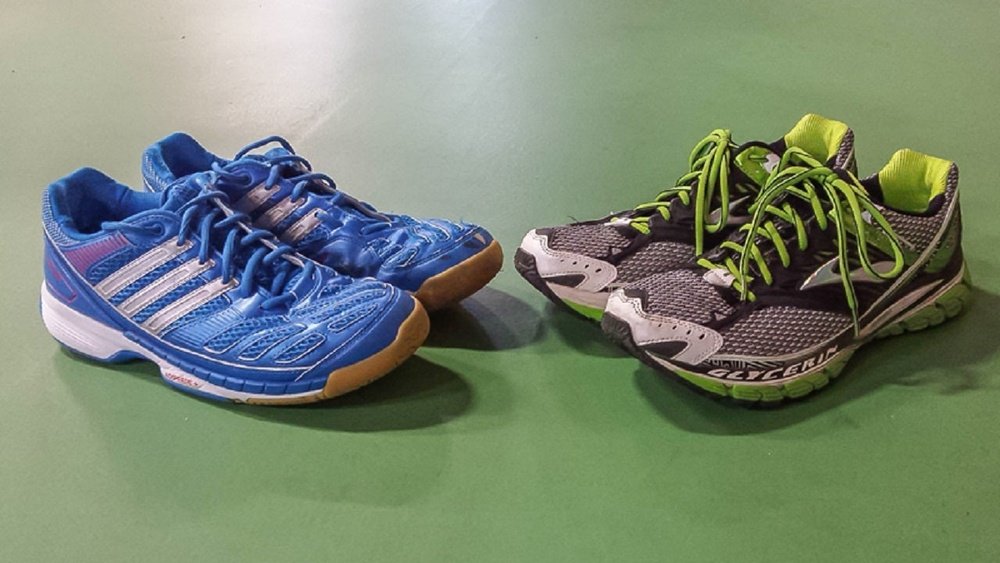
Understanding the key differences between badminton and tennis shoes helps players choose the right footwear. Each sport demands unique shoe features to support different movements and playing styles. These differences affect comfort, support, and performance on the court.
Movement Patterns
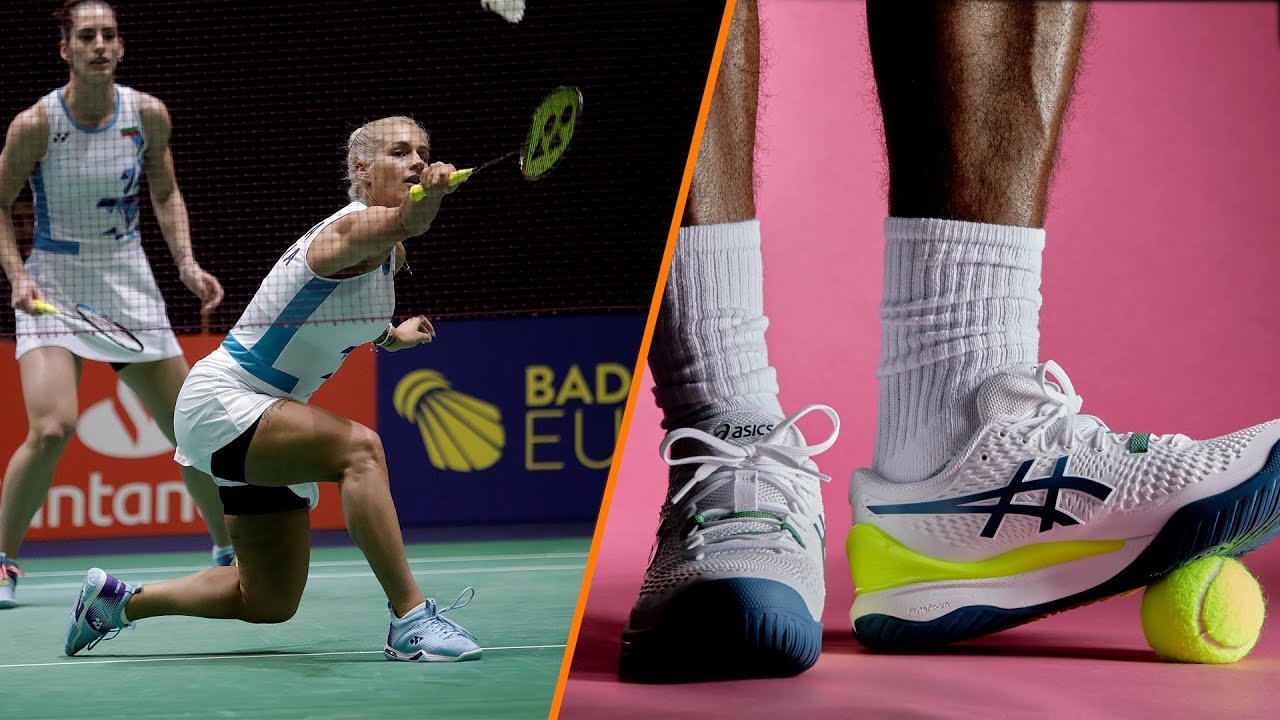
Badminton shoes focus on front-to-back movements. Quick lunges and fast stops need agility and speed. Tennis shoes are built for side-to-side motion. They support wide lateral movements during long rallies.
Weight And Flexibility
Badminton shoes are lighter to enhance quick footwork. Flexibility helps in sudden direction changes. Tennis shoes are heavier, offering more durability. They provide firm support for strong lateral pushes.
Cushioning And Comfort
Tennis shoes have extra cushioning, especially in the heel. This absorbs shock from jumps and sprints on hard courts. Badminton shoes use less cushioning for better energy return. This helps players stay swift and responsive.
Support Features
Badminton shoes often include reinforced toe areas. This protects against toe dragging during lunges. Tennis shoes offer broad stability to handle side-to-side stress. They have strong midsoles for extra support.
Sole Material And Grip
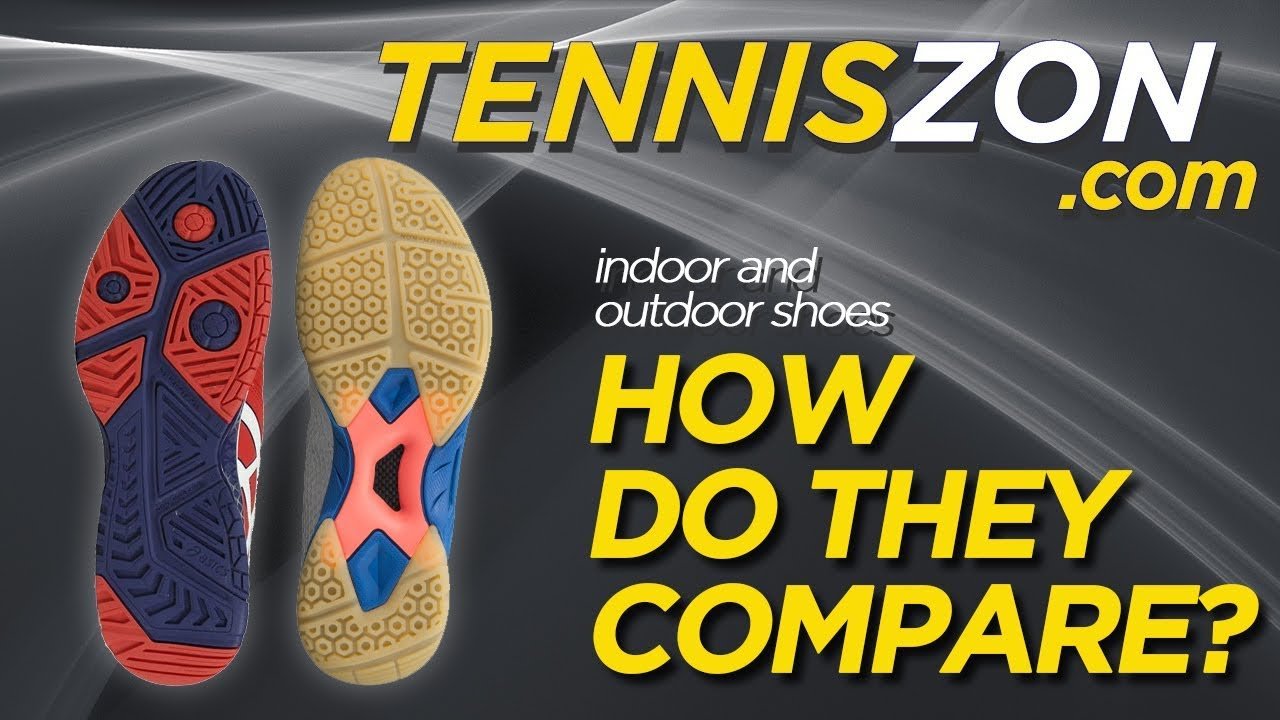
Badminton shoes use non-marking gum rubber soles. These provide excellent grip on indoor courts without leaving marks. Tennis shoes may have non-marking soles but can sometimes mark the surface. Their soles are designed for outdoor court traction.
Impact On Performance
The choice between badminton and tennis shoes can greatly affect your performance on the court. Each shoe type is designed to support the unique movements and demands of its sport. Wearing the right shoes helps you move faster, stay balanced, and use your energy wisely. This section explores how badminton and tennis shoes impact agility, stability, and energy efficiency during play.
Agility And Speed
Badminton shoes are lighter and more flexible than tennis shoes. They allow quick forward and backward movements with ease. Tennis shoes focus on side-to-side motion and are usually heavier. This weight can slow down rapid direction changes. For fast court coverage and sudden stops, badminton shoes provide better support.
Stability During Play
Tennis shoes offer strong lateral support to handle side-to-side movement. They have firm soles to keep feet steady on hard surfaces. Badminton shoes provide stability mainly for forward lunges and quick stops. Their soles are softer and grip well on indoor courts. Using the correct shoe reduces the risk of ankle injuries and improves balance.
Energy Efficiency
Badminton shoes have less cushioning to boost energy return during jumps and quick steps. This helps players stay agile and reduces fatigue. Tennis shoes often have more padding, especially in the heel, to absorb shock on harder courts. Too much cushioning can reduce the energy you put into each movement. Choosing shoes that match your sport saves energy and keeps you performing longer.
Injury Risks
Playing badminton or tennis without the right shoes increases injury risks. Each sport demands specific footwork, which affects the kind of injuries players might face. Wearing improper footwear can worsen these risks and slow down recovery. Understanding injury risks helps players choose shoes that offer better protection and support.
Common Injuries In Badminton
Badminton players often suffer from ankle sprains. Quick lunges and sudden stops strain the ankles. Knee pain is also common due to fast direction changes. Stress fractures in the feet happen from repetitive jumping. Toe injuries can occur from dragging or hitting the court surface. These injuries affect performance and cause long breaks from playing.
Protection Offered By Shoes
Badminton shoes have extra padding around the ankles to prevent sprains. Their soles provide strong grip, stopping slips on smooth courts. Reinforced toe caps protect toes from impacts during lunges. The lightweight design reduces fatigue and allows quick movements. Tennis shoes offer more cushioning but less flexibility, which may not protect well against badminton’s quick stops.
Role Of Proper Footwear
Proper footwear supports foot stability during fast moves. It absorbs shocks, reducing stress on joints. Shoes designed for each sport match the movement patterns of players. Wearing the right shoes lowers injury chances and improves balance. Players recover faster and play longer with proper footwear. Using tennis shoes for badminton can increase injury risk due to poor fit and support.
Credit: www.youtube.com
Material And Design
Material and design play a vital role in defining the performance of badminton and tennis shoes. Each shoe type caters to the specific needs of its sport. The materials used affect comfort, durability, and support. Design choices ensure players move efficiently and safely.
Upper Construction
Badminton shoes use lightweight, breathable mesh uppers. This allows quick airflow and keeps feet cool during fast movements. Tennis shoes often feature sturdier materials like synthetic leather or reinforced fabric. They provide more protection and durability for outdoor courts. The upper design in badminton shoes offers flexibility for front-to-back lunges. Tennis shoes focus on lateral support to handle side-to-side motion.
Midsole Technology
Badminton shoes have thinner midsoles for better ground feel and faster reactions. Cushioning is minimal but placed to absorb shock from jumps and quick stops. Tennis shoes use thicker midsoles with advanced cushioning systems. This helps absorb impact from running on hard surfaces. The midsole in tennis shoes also supports stability for lateral movements. Both types aim to reduce foot fatigue but target different movements.
Outsole Composition
Badminton shoes feature gum rubber outsoles that provide excellent grip on indoor courts. This material is soft and non-marking, preventing damage to smooth surfaces. Tennis shoes use more durable rubber compounds to withstand rough outdoor courts. Their soles have deeper treads for traction on clay or hard courts. The outsole design in badminton shoes focuses on quick stops and starts. Tennis shoe soles support strong lateral pushes and longer runs.
Indoor Court Considerations
Choosing the right shoes for indoor courts is crucial for both badminton and tennis players. Indoor courts have smooth surfaces that require special footwear to maintain grip and protect the floor. The shoe’s sole plays a vital role in this aspect.
Badminton and tennis shoes differ significantly in their sole design because of the unique demands of each sport. Understanding these differences helps players avoid damage to the court and reduce the risk of injury.
Non-marking Soles
Non-marking soles are a must for indoor court sports. These soles prevent scuff marks and stains on polished surfaces. Badminton shoes always use gum rubber soles that do not leave marks. Tennis shoes may have non-marking soles, but some can still leave marks if used indoors.
Wearing non-marking soles keeps courts clean and safe for all players. It also protects your shoes from early wear caused by rough surfaces. This feature is critical for maintaining court quality and shoe durability.
Surface Compatibility
Indoor courts vary in material, from wooden floors to synthetic surfaces. Badminton shoes are designed for wooden or synthetic indoor courts, offering excellent grip and flexibility. Tennis shoes focus on outdoor or hard courts and often have thicker soles for shock absorption.
Using tennis shoes on indoor courts can reduce traction and increase slipping risk. Badminton shoes provide better surface contact, supporting quick movements and sudden stops. Choosing shoes that match your court type improves performance and safety.

Credit: www.reddit.com
Using Tennis Shoes For Badminton
Using tennis shoes for badminton is a common question among players. Tennis shoes are easy to find and look similar to badminton shoes. Many wonder if they can use tennis shoes on the badminton court without problems.
Tennis shoes are made for a different sport with different movements. Badminton needs quick front-to-back moves, while tennis focuses more on side-to-side actions. This difference affects how the shoes support and protect your feet during play.
Pros And Cons
Tennis shoes offer good side support and cushioning. They may feel comfortable for casual play or warm-ups.
On the downside, tennis shoes are heavier and less flexible. Their cushioning is not suited for fast lunges in badminton. Using them can cause slipping and less control on the court.
Situations To Avoid
Avoid using tennis shoes during competitive or long badminton sessions. They can increase the risk of ankle injuries. Tennis shoes may also mark indoor badminton courts, which can be a problem in some gyms.
Playing on slippery or polished floors with tennis shoes can lead to falls. This can hurt your performance and safety.
Temporary Alternatives
If you lack badminton shoes, tennis shoes can work for short, casual games. Choose tennis shoes with a flat, non-marking sole. Make sure they fit well and offer some grip.
Try not to use tennis shoes regularly for badminton. Look for affordable badminton shoes soon to protect your feet and improve your game.
Choosing The Right Shoe
Choosing the right shoe is key for both badminton and tennis players. The right shoe supports your feet and boosts your game. Shoes designed for each sport meet unique movement needs. Picking the right shoe reduces injury risks and improves comfort.
Badminton shoes focus on quick forward and backward moves. Tennis shoes handle more side-to-side action and court stability. Knowing these differences helps you decide the best fit for your play style.
Fit And Sizing Tips
Always try shoes on with sports socks. Your feet swell during activity, so leave a small space at the toe. Shoes that are too tight cause blisters. Too loose, and your foot slides inside, causing instability. Check the heel fits snugly to avoid slipping. Walk and jump a bit to test comfort and support.
Budget Vs Quality
Affordable shoes may save money but could lack durability and support. Quality shoes often have better materials and cushioning. Investing in quality can protect your feet longer and improve performance. Balance your budget with how often you play. Frequent players benefit more from durable, well-made shoes.
Brand Recommendations
Top brands for badminton shoes include Yonex, Victor, and Li-Ning. They offer lightweight designs and good grip. For tennis, Nike, Adidas, and Asics provide strong support and stability. Choose brands known for durability and fit. Reading user reviews helps pick the best shoe for your needs.
Credit: www.youtube.com
Maintenance And Care
Proper maintenance and care extend the life of both badminton and tennis shoes. Clean shoes perform better and keep you comfortable. Shoes last longer when stored correctly and replaced at the right time. Understanding how to care for your shoes saves money and improves your game.
Cleaning Tips
Remove dirt and dust after every use with a soft brush. Use a damp cloth and mild soap to wipe the surface. Avoid soaking shoes in water to protect the materials. Let shoes air dry at room temperature away from direct sunlight. Clean the insoles regularly to prevent odor and bacteria buildup.
Storage Advice
Store shoes in a cool, dry place with good ventilation. Avoid leaving them in hot or humid areas to prevent damage. Use shoe trees or stuff shoes with newspaper to keep their shape. Keep shoes away from sharp objects that can cause tears. Rotate shoes to allow them to dry completely between uses.
When To Replace
Replace shoes when the sole wears out or loses grip. Look for cracks or tears in the upper material. Notice if cushioning feels flat or uncomfortable during play. Pay attention to pain or discomfort in your feet or joints. Worn-out shoes increase injury risk and reduce performance.
Frequently Asked Questions
Can Tennis Shoes Use For Badminton?
Tennis shoes are not ideal for badminton due to their heavier weight and side-to-side design. Badminton shoes are lighter, flexible, and support quick front-to-back movements with non-marking soles, reducing injury risk and improving performance. Use badminton shoes for better agility and court protection.
Can You Wear Sneakers For Badminton?
Wearing sneakers for badminton is not ideal. They lack proper support, flexibility, and non-marking soles needed for quick, agile movements. Choose lightweight badminton shoes to enhance performance and prevent injuries on indoor courts.
What Is The Difference Between Badminton Shoes And Table Tennis Shoes?
Badminton shoes are lighter, support quick front-to-back moves, and have non-marking soles. Tennis shoes are heavier, designed for lateral movement, and may mark indoor courts. Badminton shoes offer better agility and toe protection, while tennis shoes provide more cushioning for jumps.
What’s The Difference Between Normal Shoes And Badminton Shoes?
Badminton shoes are lighter, offer front-to-back support, and have non-marking soles. Normal shoes are heavier, built for lateral moves, and may mark floors. Badminton shoes provide better agility, cushioning, and toe protection suited for quick lunges and indoor courts.
Conclusion
Choosing the right shoe matters for better performance and safety. Badminton shoes suit quick, front-to-back moves with light weight and grip. Tennis shoes focus on side-to-side support and heavier cushioning. Using the proper shoe helps prevent injuries and improves comfort.
Playing with the right footwear feels easier and more natural. Remember, each sport has unique demands on your feet. Pick shoes designed specifically for your game to enjoy every match.