If you’re new to baseball or just curious about the stats that really matter, you might have come across the term “WHIP” and wondered, what does it actually mean? Understanding WHIP can change how you see a pitcher’s performance and give you deeper insight into the game.
This simple yet powerful stat tells you how many baserunners a pitcher allows each inning — and that can make all the difference between a win and a loss. Keep reading, and you’ll discover why WHIP is one of the best ways to measure pitching success and how it impacts the game you love.
Whip Basics
WHIP is an important statistic in baseball. It helps measure a pitcher’s effectiveness. Understanding WHIP basics gives you insight into pitching performance. This section explains what WHIP means and how it is calculated.
Definition Of Whip
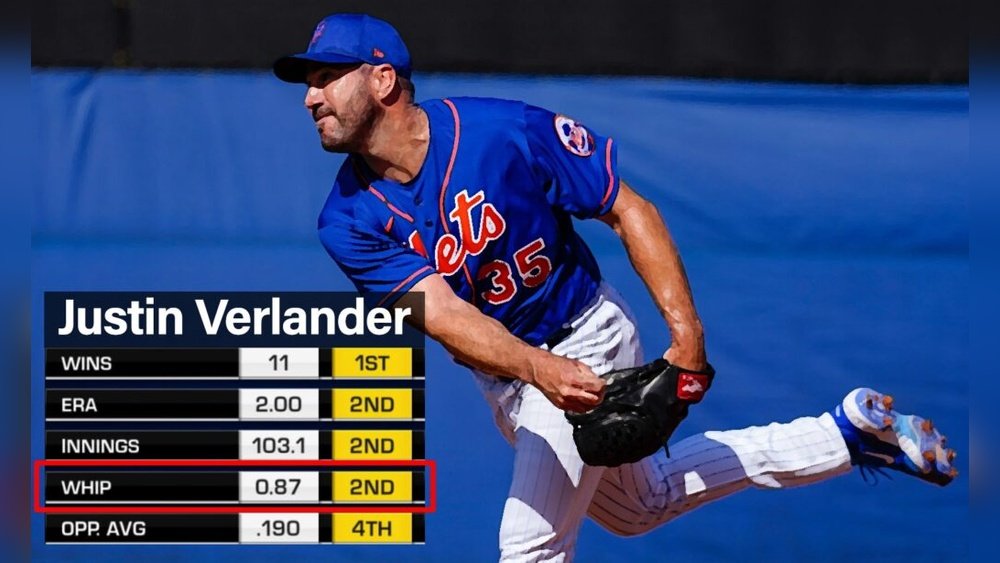
WHIP stands for Walks plus Hits per Inning Pitched. It shows the average number of baserunners a pitcher allows each inning. A lower WHIP means fewer players reach base. This indicates better control and fewer scoring opportunities for the opposing team.
How Whip Is Calculated
To calculate WHIP, add the total walks and hits allowed by the pitcher. Then divide that number by the innings pitched. The formula looks like this:
WHIP = (Walks + Hits) ÷ Innings Pitched
This number helps compare pitchers across teams and leagues. It shows how often a pitcher allows batters to reach base during the game.

Credit: www.youtube.com
Importance Of Whip
WHIP is a key stat that shows how well a pitcher controls the game. It tracks how many runners reach base per inning. This helps coaches and fans see a pitcher’s effectiveness clearly.
A low WHIP means fewer batters get on base. This reduces scoring chances for the opposing team. Pitchers with low WHIP often help their teams win more games.
Measuring Baserunners
WHIP counts walks and hits allowed by a pitcher. It divides this total by innings pitched. This gives a clear number of baserunners per inning.
This simple calculation shows how many players a pitcher lets on base. The fewer, the better for the pitcher’s success.
Indicating Pitcher Control
A low WHIP shows strong control by the pitcher. It means the pitcher avoids walks and limits hits. This control keeps pressure on the opposing team.
Pitchers with good control face fewer threats. They keep runners off the bases and stay in command of the game.
Impact On Scoring
WHIP affects how many runs the other team can score. Fewer runners on base means fewer chances to score.
Pitchers with low WHIP lower the opponent’s scoring chances. This helps their team stay ahead and win games.
Whip Vs Era
WHIP and ERA are two key stats to judge pitchers in baseball. Both show how well a pitcher performs, but they measure different things. Understanding their differences helps fans and players evaluate pitching quality more clearly.
What Era Measures
ERA stands for Earned Run Average. It shows the average runs a pitcher allows per nine innings. Runs counted here are only “earned,” meaning runs scored without errors or passed balls. ERA focuses on how many runs a pitcher lets opponents score.
What Whip Measures
WHIP means Walks plus Hits per Inning Pitched. It counts how many batters reach base per inning due to hits or walks. WHIP shows a pitcher’s ability to prevent baserunners. A low WHIP means fewer batters get on base, which helps stop scoring chances.
Strengths And Limitations Of Each
ERA clearly shows runs allowed, which directly affects winning. It reflects the pitcher’s skill and the team’s defense behind him. But ERA can be affected by fielding errors and luck.
WHIP focuses on baserunners, revealing how well a pitcher controls the game. It ignores runs scored and errors, giving a broader view of control. Yet, WHIP does not show if baserunners actually score, so it misses some scoring impact.
Both stats together give a fuller picture of pitching performance. WHIP shows control; ERA shows run prevention. Using both helps understand a pitcher’s true value.

Credit: www.suzitee.com
Whip Performance Levels
WHIP performance levels show how well a pitcher controls the game. WHIP stands for walks plus hits per inning pitched. It tells how many batters reach base on average each inning. A lower WHIP means fewer batters get on base. This usually leads to fewer runs and more wins. Understanding WHIP ranges helps fans and analysts judge pitching quality quickly.
Exceptional To Elite Range
A WHIP between 1.00 and 1.10 is exceptional. Pitchers in this range allow about one baserunner per inning. They dominate hitters and limit scoring chances. These pitchers often lead the league in wins and save games. Their control and consistency make them valuable assets to any team.
Excellent Range
A WHIP between 1.10 and 1.25 is excellent. These pitchers allow slightly more baserunners but still perform very well. They keep games close and give their team a good chance to win. Most top starters and relievers fall into this category. Their ability to avoid walks and hits is impressive.
Good To Above Average
A WHIP around 1.30 or higher is good to above average. Pitchers here allow more baserunners but still get outs. They may struggle sometimes but can still help their teams. These pitchers may improve with better control or defense behind them. They are often solid starters or middle relievers.
Below Average And Struggling
A WHIP over 1.40 is below average or struggling. Pitchers with high WHIP allow many baserunners every inning. This leads to more runs and fewer wins. These pitchers may lack control or have poor stuff. Teams often try to improve or replace them quickly. High WHIP signals trouble on the mound.
Whip In Mlb Context
WHIP stands for Walks plus Hits per Inning Pitched. It shows how many baserunners a pitcher allows each inning. Lower WHIP means fewer runners get on base. This stat helps evaluate a pitcher’s control and effectiveness.
In Major League Baseball, WHIP is a key metric for pitchers. It often reflects their ability to prevent scoring chances. WHIP complements other stats like ERA to give a fuller picture of performance.
Lowest Whip Records
Some pitchers have recorded incredibly low WHIP numbers in MLB history. For example, Addie Joss holds one of the best single-season WHIPs at 0.806 in 1908. Pedro Martinez posted a 0.737 WHIP in 2000, one of the modern era’s lowest.
These low WHIP records show dominance in limiting hits and walks. Pitchers with WHIP below 1.00 are rare and often among the best in the league.
Whip As A Predictor Of Success
WHIP is a strong predictor of a pitcher’s success. A low WHIP means fewer runners reach base, reducing scoring chances. This usually leads to fewer runs allowed and more wins.
Teams value pitchers with low WHIPs. It shows control and consistency. WHIP often correlates with other positive stats, making it a reliable measure of pitching quality.
Improving Whip
Improving WHIP is key for any pitcher aiming to limit baserunners. A lower WHIP means fewer walks and hits allowed per inning. This helps control the game and reduces scoring chances for opponents. Pitchers focus on tactics that reduce baserunners and keep their WHIP low.
Strong pitching strategies and control over walks and hits help pitchers reach this goal. Every pitch counts in maintaining a solid WHIP and overall performance.
Pitching Strategies
Pitchers use various strategies to improve WHIP. They focus on throwing strikes early in the count. This forces batters to swing or take tough pitches. Mixing fastballs with breaking balls keeps hitters off balance. Pitchers also study batter tendencies to predict swings. This helps avoid giving up easy hits. Staying calm under pressure allows better pitch placement. Consistent mechanics lead to fewer mistakes on the mound.
Controlling Walks And Hits
Controlling walks is essential to lowering WHIP. Pitchers aim for the strike zone and avoid unnecessary balls. Good communication with catchers helps call the right pitches. Limiting walks means fewer free baserunners. Reducing hits requires locating pitches where batters struggle. Pitchers work on movement and speed to deceive hitters. Fielders also play a role by making clean plays. Together, these efforts keep WHIP at a minimum.
Whip In Advanced Analysis
WHIP stands for Walks plus Hits per Inning Pitched. It is a key stat in baseball. It shows how many baserunners a pitcher allows each inning. This helps understand a pitcher’s effectiveness beyond traditional stats.
Advanced analysis uses WHIP to dig deeper into pitching performance. It shows control and ability to limit opponents’ opportunities. Coaches and analysts rely on WHIP to compare pitchers fairly.
Sabermetrics And Whip
Sabermetrics is the study of baseball statistics. It focuses on objective data to evaluate players. WHIP is a popular sabermetric stat because it counts all baserunners allowed. This includes both hits and walks.
WHIP gives a clearer picture than ERA in some cases. ERA only counts runs scored, but WHIP counts runners allowed. This makes WHIP useful for predicting future pitching success. Sabermetricians use it to identify strong and weak pitchers.
Whip’s Role In Player Evaluation
Teams use WHIP to assess pitchers’ control and consistency. A low WHIP means fewer baserunners and less chance for runs. This often leads to more wins.
WHIP helps compare pitchers across different teams and leagues. It reveals who can limit damage even in tough situations. Scouts and managers look at WHIP to make decisions on trades and contracts.
WHIP also works well with other stats like strikeouts and ERA. Together, these numbers build a fuller profile of a pitcher’s skill. It guides coaches in planning game strategies and pitching rotations.
Credit: www.suzitee.com
Frequently Asked Questions
What Is A Good Whip Baseball?
A good WHIP in baseball ranges from 1. 00 to 1. 25, indicating excellent control and fewer baserunners allowed per inning.
Who Has The Lowest Whip In The Mlb?
As of the latest MLB season, Corbin Burnes holds the lowest WHIP, showcasing excellent control and limiting baserunners effectively.
Is A 1.20 Whip Good?
A 1. 20 WHIP is considered excellent. It shows the pitcher allows just over one baserunner per inning. This indicates strong control and effectiveness.
Is Whip Better Than Era?
WHIP and ERA measure different pitching aspects. WHIP tracks baserunners allowed per inning. ERA shows runs allowed per nine innings. Both stats provide valuable insights, so neither is strictly better. Use them together for a complete evaluation of a pitcher’s performance.
Conclusion
WHIP shows how many runners a pitcher allows each inning. A lower WHIP means fewer runners get on base. This helps pitchers keep the opposing team from scoring. WHIP is easy to understand and useful for comparing pitchers. Remember, WHIP is one of many stats in baseball.
It gives a clear view of a pitcher’s control and effectiveness. Knowing WHIP helps fans enjoy the game more. Keep an eye on it during games to see how pitchers perform.