
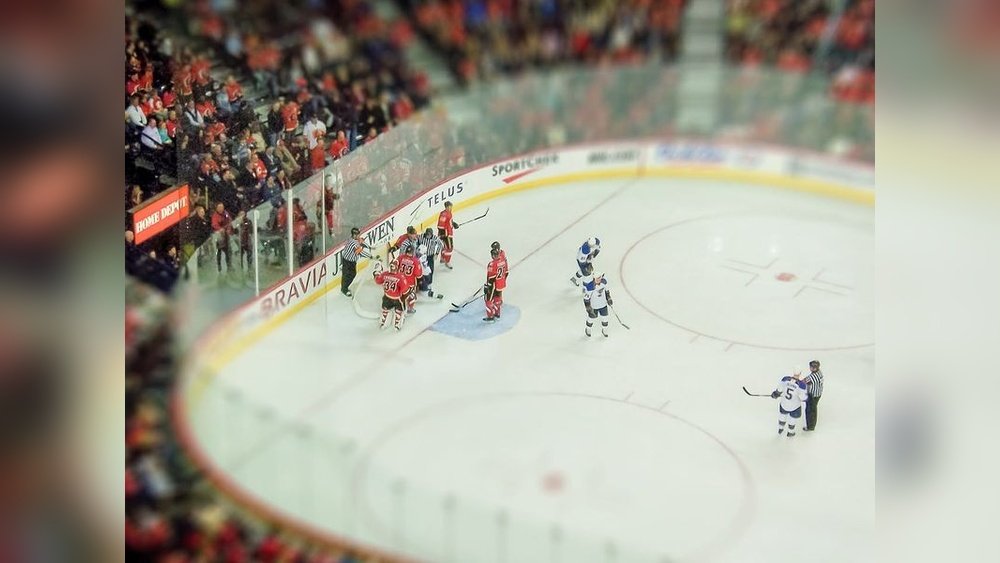
Are you planning to catch a hockey game soon but wondering, “Are hockey arenas cold?” It’s a common question, especially if you’re not used to being around ice rinks. You might imagine a freezing environment, but how cold is it really?
Knowing what to expect can make a big difference in how comfortable you feel during the game. You’ll discover why hockey arenas tend to be chilly, how cold they typically get, and most importantly, how to dress so you stay warm and enjoy every moment of the action.
Keep reading, and you’ll be perfectly prepared for your next hockey experience!

Credit: www.hockeymonkey.com
Temperature In Hockey Arenas
Hockey arenas are unique places where cold air and ice come together to create the perfect setting for the sport. The temperature inside these venues plays a big role in keeping the ice solid and safe for players. Fans often wonder how cold it really gets during a game. Understanding the temperature inside a hockey arena helps visitors prepare and dress appropriately.
Typical Temperature Range
Most hockey arenas keep the air temperature between 50 and 60 degrees Fahrenheit. This range helps protect the ice from melting. The ice itself stays much colder, around 24 to 26 degrees Fahrenheit. Fans sitting near the ice will feel cooler because cold air sinks. Higher seats in the stands usually feel warmer as the heat rises.
Factors Affecting Arena Temperature
Several factors influence the temperature inside a hockey arena. The size of the arena affects how well the cold air circulates. The number of people inside also changes the temperature, as body heat raises the air temperature. The arena’s cooling system must work harder with bigger crowds. The location of your seat matters too. Seats closer to the ice are colder than those higher up. Lastly, the outside weather can impact the arena’s temperature, especially in older buildings.
Credit: ice-blog.riedellskates.com
Why Arenas Feel Cold
Hockey arenas often feel cold to spectators. This chill comes from several key factors that keep the ice in perfect shape. The environment inside the arena must stay cool to prevent the ice from melting. These conditions also control the humidity and air temperature to maintain ice quality.
Understanding why arenas feel cold helps fans prepare for their visit. Dressing in layers and wearing warm clothes is important. The cold air is not just for show; it plays a big role in the game and the arena’s upkeep.
Ice Maintenance And Humidity Control
The ice surface needs to stay very cold. Arena staff keep the ice temperature around 24°F (-4°C). This cold temperature prevents the ice from melting during the game. Air temperature must be low to support the ice below.
Humidity is also controlled carefully. High humidity can cause fog or condensation on the ice. This makes the surface unsafe for players. Dehumidifiers remove moisture from the air, keeping the arena dry and cold.
Proximity To The Ice Surface
Seats close to the ice feel colder than those higher up. Cold air naturally stays near the ice surface. This makes the lower seats chillier for fans. The closer you sit, the more you feel the cold air.
Cold air sinks and warm air rises, creating layers of temperature. Fans near the ice should wear warm jackets. Those farther away might feel less cold but still need some layers.
Dressing For Comfort
Hockey arenas can be chilly. Dressing right helps you stay comfortable and enjoy the game. Choosing the right clothes keeps you warm without feeling bulky. Simple layers and the right accessories make a big difference.
Learn how to dress smartly for a hockey arena visit. Follow these easy tips to stay cozy and focused on the action.
Layering Basics
Start with a thin, long-sleeved base layer. This traps your body heat close to the skin. Add a mid-layer like a sweater or hoodie for extra warmth. Top it with a medium-weight jacket or coat. This blocks cold air, especially near the ice. Wear long pants or leggings. Avoid shorts to keep legs warm.
Warm Accessories To Bring
Carry a hat or beanie to keep your head warm. Wrap a scarf around your neck to stop heat loss. Gloves or mittens keep your hands cozy. Wool socks are great for warmth and comfort. These small items add extra heat without bulk.
Footwear Tips
Wear closed-toe shoes to protect your feet from the cold floor. Choose shoes with good insulation or thicker material. Avoid sandals or light sneakers. Warm socks inside shoes help keep toes from freezing. Comfortable footwear lets you enjoy the game without distraction.
Seating And Temperature Variations
Temperature inside hockey arenas changes depending on seat location. The cold air stays near the ice surface to keep it frozen. Fans notice temperature differences as they move around the arena. Knowing where you sit helps prepare for these changes.
Seating placement affects comfort during the game. Some seats feel colder than others. This section explains how temperature varies by seat level.
Seats Near The Ice
Seats closest to the ice are the coldest. The ice surface needs to stay very cold, so chill air stays near it. Fans sitting here often feel a sharp chill. Wearing warm clothes is important for comfort. Teams and arenas keep the ice at about 24°F (-4°C). This cold air rises slowly, so lower seats stay cooler longer.
These seats offer a great view but expect the cold. A jacket, gloves, and hat help fans enjoy the game without discomfort. Some arenas provide heated seating pads or blankets. Still, dressing warmly remains the best choice.
Upper-level Seating
Upper-level seats are warmer than those near the ice. Heat from the crowd rises, warming the upper sections. These seats do not feel the cold air as much. Fans in upper levels often wear lighter clothing.
The temperature here can be 10 to 15 degrees warmer than near the ice. Air circulation also helps keep these seats more comfortable. However, some arenas may feel drafty if ventilation is strong. Fans should be ready with a light jacket just in case.
Upper-level seats provide a good overall view of the rink. They balance comfort and visibility, making them popular choices for many fans.
Additional Tips To Stay Warm
Staying warm in a hockey arena can be a challenge due to the cold ice and cool air. Simple strategies can make your visit much more comfortable. Use some easy tips to keep your body heat and enjoy the game without shivering.
Using Blankets And Hot Drinks
Bring a warm blanket to wrap around your legs or shoulders. It adds an extra layer of warmth, especially if your seat is near the ice. A hot drink like tea, coffee, or hot chocolate helps raise your body temperature. It also keeps your hands warm while you sip.
Adapting To Temperature Changes
Arena temperatures may change during the game. Wear layers that you can easily add or remove. Start with a base layer, then add a sweater or jacket. When the crowd grows, the arena warms up. Take off a layer to avoid sweating and stay dry. Staying flexible helps you feel comfortable all game long.

Credit: www.lakelandtoday.ca
Common Misconceptions
Many people think hockey arenas are unbearably cold. This idea comes from the ice and the fast pace of the game. Yet, this belief does not always match reality. Understanding common misconceptions helps fans prepare better and enjoy the game more.
Are Arenas Freezing Cold?
Hockey arenas are cool but not freezing. The ice needs to stay solid, so the temperature is kept low. Usually, it is around 50 to 60 degrees Fahrenheit in the seating areas. This is cool but not icy cold.
Air circulation and humidity also affect how cold it feels. Some spots near the ice can feel chillier. Fans sitting far from the ice usually feel comfortable without heavy coats.
Do All Arenas Feel The Same?
No, not all arenas feel the same temperature. Older buildings may be colder because of less insulation. Newer arenas often have better heating systems. The location of your seat changes how cold you feel. Seats near the ice or open spaces can be cooler.
Each arena has its unique design and climate control. Some places might feel colder because of outside weather. Fans should check the arena’s conditions before attending. Dressing in layers works best for any arena.
Frequently Asked Questions
Do I Need To Dress Warm For A Hockey Game?
Yes, dress warmly for a hockey game. Wear layers like a thermal base, sweater, and jacket. Include a hat, gloves, and warm socks. Seats near the ice feel colder, so layering helps you stay comfortable throughout the game.
How Warm Is It In Hockey Arenas?
Hockey arenas typically maintain temperatures between 50°F and 60°F (10°C to 15°C). Areas near the ice feel colder. Dress in layers to stay comfortable.
Are Hockey Fields Cold?
Hockey fields themselves are not cold, but ice hockey rinks maintain low temperatures to keep the ice solid. Spectators near the ice feel the chill, so dressing in layers is essential.
How Warm To Dress For An Ice Rink?
Dress in layers for an ice rink: start with a thermal base, add a sweater, and wear a medium-weight jacket. Include long pants, warm socks, gloves, and a hat. Adjust layers based on seat proximity to the ice, as closer seats feel colder.
Conclusion
Hockey arenas are usually cold to keep the ice solid. Expect temperatures around 50°F (10°C) or lower. Dressing in layers helps you stay comfortable during the game. Seats near the ice feel colder than those higher up. Bringing a hat, gloves, and warm socks makes a big difference.
Hot drinks can warm you from inside too. Remember, the cold is part of the hockey experience. Enjoy the game while staying cozy and prepared.



Can I just say what a aid to search out somebody who actually knows what theyre talking about on the internet. You definitely know easy methods to carry an issue to light and make it important. Extra folks need to read this and understand this facet of the story. I cant imagine youre not more in style since you positively have the gift.