Are you wondering if you can wear your soccer cleats for softball games? It’s a common question, especially when you want to save money or don’t have a separate pair of softball cleats yet.
You might think, “They’re both sports on grass and dirt, so why not? ” But the truth is, soccer cleats and softball cleats are built differently to meet the unique demands of each sport. Using the wrong cleats could affect your comfort, performance, and even safety on the field.
You’ll discover whether soccer cleats are a smart choice for softball, the key differences between the two, and when it might be okay to wear soccer cleats for softball. Keep reading to find out how to get the best grip and support every time you step up to the plate or sprint to the base!

Credit: www.youtube.com
Differences Between Soccer And Softball Cleats
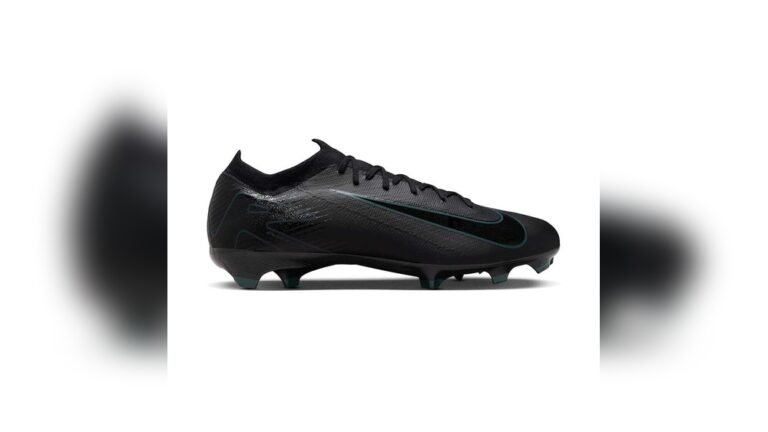
Soccer cleats and softball cleats serve different purposes and have distinct designs. Understanding their differences helps decide if soccer cleats work for softball. This section breaks down the key differences in material, traction, and support.
Material And Construction
Softball cleats often use sturdier materials than soccer cleats. They include a thick midsole to absorb shock on hard dirt and grass surfaces. Soccer cleats focus on lightweight and breathable materials to aid quick footwork. The construction of softball cleats also considers durability for sliding and sudden stops. Soccer cleats prioritize flexibility for kicking and running on grass.
Traction Patterns
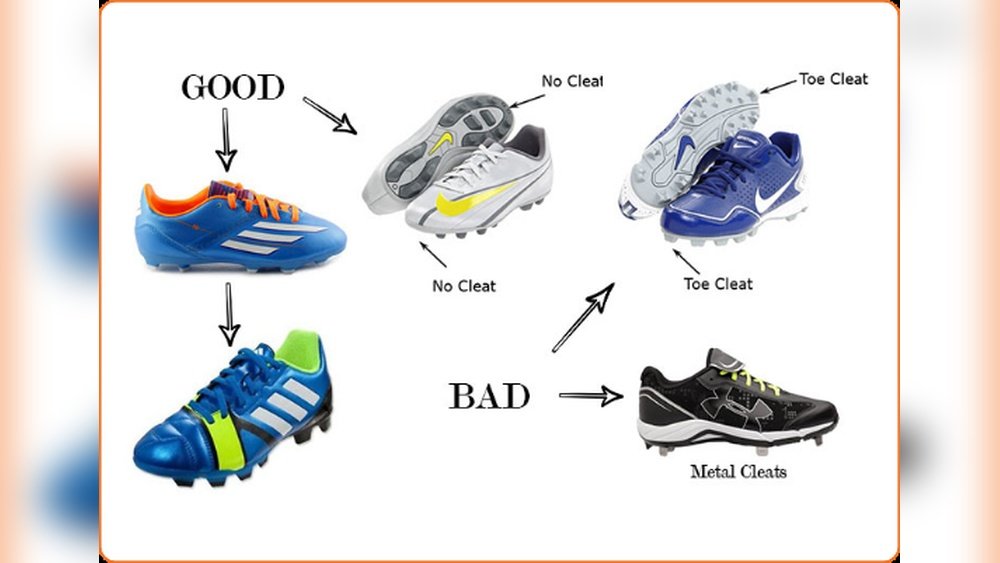
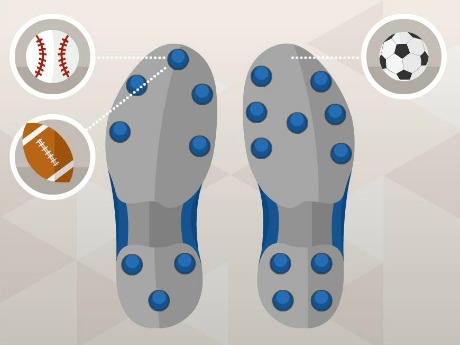
Traction patterns differ between the two cleats. Softball cleats have cleats arranged for grip on both dirt and grass. They often include a toe cleat for extra digging power when running bases. Soccer cleats have cleats spaced to provide traction on grass or turf fields. Their design helps with quick turns and sprints but may slip on dirt. This difference affects stability and safety during play.
Support And Flexibility
Softball cleats give more ankle support to prevent injuries during lateral moves. They are built to handle sudden stops and slides. Soccer cleats offer more flexibility to allow smooth foot movement for kicking the ball. They usually have lower ankle collars, which means less protection. Wearing soccer cleats in softball may cause discomfort or reduce support in tough plays.
Pros And Cons Of Wearing Soccer Cleats For Softball
Wearing soccer cleats for softball has both benefits and drawbacks. Understanding these can help players decide if soccer cleats suit their needs. This section breaks down the key pros and cons of using soccer cleats in softball.
Advantages For Casual Play
Soccer cleats are lightweight and comfortable. They allow easy movement and quick direction changes. For casual softball games, these cleats can be a practical choice. They offer decent grip on grass and dry dirt fields. Many players find them convenient if they already own soccer cleats. Using them can save money on a separate pair of softball cleats.
Performance Limitations
Soccer cleats lack a toe cleat found on softball shoes. This toe cleat helps with digging into the dirt for better traction. Without it, players may slip during fast starts or stops. The sole design of soccer cleats is optimized for grass, not dirt infields. This difference can reduce stability and control. Soccer cleats also provide less ankle support needed for softball’s lateral movements.
Safety Concerns
Soccer cleats do not protect the foot from impacts as well as softball cleats. Their studs are shorter and less aggressive. This can increase the risk of slipping on wet or muddy fields. The lack of a toe cleat may cause foot injuries during sudden stops. Soccer cleats also offer less padding, which can lead to discomfort or injury over time. Players should consider these safety factors before choosing soccer cleats for softball.
Situations When Soccer Cleats Might Work
Soccer cleats and softball cleats serve different purposes. But in some cases, soccer cleats can work for softball. Understanding when this is possible can help avoid discomfort or injury. Some situations allow soccer cleats to be a practical option.
Temporary Use In A Pinch
Forgot your softball cleats? Soccer cleats can be a quick fix. They provide basic traction and foot protection. This works best for short games or practice sessions. Avoid using them for long periods to prevent foot strain. Temporary use keeps you in the game without much hassle.
Playing On Certain Field Surfaces
Softball is often played on dirt and grass. Soccer cleats work better on firm grass fields. If the field is mostly grass and dry, soccer cleats offer enough grip. Softball cleats excel on dirt infields, but soccer cleats can hold up on grass outfields. Choosing the right surface is key for using soccer cleats safely.
Non-competitive Games
Casual games or backyard softball benefit from flexibility. Soccer cleats fit well and feel comfortable. They allow easy movement and quick turns. Competitive games need specialized cleats for better traction and support. For fun, low-stakes games, soccer cleats can be a good choice.

Credit: tshq.bluesombrero.com
Potential Risks Of Using Soccer Cleats In Softball
Using soccer cleats for softball might seem convenient, but it carries several risks. Softball involves quick stops, sharp turns, and running on dirt infields. Soccer cleats are built for different sports demands. This mismatch can affect your safety and performance on the field.
Lack Of Toe Cleat For Sharp Movements
Softball players need a toe cleat to dig into the dirt during quick starts and stops. Soccer cleats do not have this feature. Without a toe cleat, your foot may slip during sharp movements. This can lead to loss of balance and increase injury chances.
Reduced Traction On Dirt Infields
Soccer cleats are designed primarily for grass surfaces. The cleat pattern provides traction on grassy fields but not on dirt. Softball fields have dirt infields that require different traction. Soccer cleats can cause slipping and sliding, reducing control and speed.
Insufficient Ankle Support
Softball cleats often offer extra ankle support to prevent twists and sprains. Soccer cleats focus on flexibility for kicking and running. This means less ankle support in soccer cleats. Using them in softball increases the risk of ankle injuries during sudden movements.
Alternatives To Soccer Cleats For Softball
Choosing the right footwear for softball matters. Soccer cleats might work, but they miss some key features. Exploring alternatives can improve comfort and performance on the field. Here are some practical options to consider for softball players.
Molded Cleats As A Versatile Option
Molded cleats have rubber or plastic studs that provide good grip. They work well on both grass and dirt surfaces. These cleats offer solid traction without the sharp metal spikes. Molded cleats are lighter and more flexible, helping quick movements. Many players find them a reliable choice for different field types.
Softball-specific Cleats For Comfort
Softball cleats are designed with the sport’s needs in mind. They usually have extra cushioning in the midsole. This helps absorb shock from running on hard infields. The cleat pattern supports quick starts and stops. Wearing softball-specific cleats reduces foot fatigue and improves stability. Comfort and safety improve, making play easier and more enjoyable.
Checking League Rules On Footwear
Each softball league has its own rules about cleats. Some leagues forbid metal spikes for safety reasons. Others allow only certain types of cleats on their fields. Check the league’s guidelines before buying shoes. Using approved footwear prevents penalties and injury risks. Always confirm what cleats are allowed for your league level.
Tips For Choosing The Right Cleats
Choosing the right cleats for softball is essential for comfort and performance. The wrong cleats can cause discomfort and reduce your ability to move quickly on the field. Knowing what to consider helps you pick cleats that suit your needs and the playing conditions. Here are some tips to guide your choice and ensure you get the best cleats for softball.
Considering Field Conditions
Softball fields vary in surface and weather. Some fields have hard dirt, while others are softer or grassy. Cleats with longer spikes work better on soft or wet fields for better grip. On harder fields, shorter or molded cleats provide enough traction without digging too deep. Choose cleats that match the usual field conditions where you play.
Balancing Comfort And Performance
Comfort helps you focus on the game without distractions. Cleats with cushioned midsoles reduce foot pressure during running. Lightweight cleats allow faster movement. Look for cleats that feel good on your feet and support your playing style. Comfort and performance must work together to boost your game.
Importance Of Proper Fit
Proper fit prevents blisters and injuries. Cleats that are too tight cause pain, while loose ones reduce stability. Try cleats on with the socks you wear during games. Walk and run in them to check comfort. Make sure there is enough room for your toes. A good fit helps you play confidently and safely.
Credit: www.activekids.com
Frequently Asked Questions
Can Soccer Cleats Be Worn For Softball?
Soccer cleats can be worn for softball, but they lack a toe cleat and proper traction. They suit casual play or emergencies only. For better performance and safety, use softball-specific cleats designed for dirt and grass surfaces. Always check league rules before wearing soccer cleats in softball.
Is There A Difference In Soccer And Softball Cleats?
Soccer and softball cleats differ in design and function. Softball cleats have midsoles for comfort on hard dirt and metal spikes for traction. Soccer cleats lack toe spikes and have soles made for grass, making them less ideal for softball’s infield demands.
Can You Wear Soccer Cleats For Baseball?
You can wear soccer cleats for baseball, but they lack a toe cleat and proper traction. This reduces performance and increases slipping risk. Use them only for casual play or emergencies. For better safety and grip, choose baseball-specific cleats designed for dirt and grass surfaces.
What Is The Difference Between A Soccer Cleat And A Baseball Cleat?
Soccer cleats have flexible soles and no toe spikes for better kicking. Baseball cleats feature a toe cleat and firmer support for traction on dirt and quick movements. Baseball cleats also provide more ankle stability, while soccer cleats focus on agility and foot flexibility.
Conclusion
Wearing soccer cleats for softball is possible but not ideal. Softball cleats offer better grip and support on dirt and grass. Soccer cleats lack a toe cleat, which helps with quick stops and starts. Using soccer cleats may increase the risk of slipping or injury.
For casual play, they can work in a pinch. For serious games, choose cleats made for softball. This helps improve comfort and performance on the field. Always pick gear that matches your sport’s needs.