
Have you ever wondered if you can block a serve in volleyball? It’s a common question, especially when you’re eager to sharpen your skills and gain an edge on the court.
Knowing the answer can change how you approach the game and avoid costly mistakes. You’ll discover whether blocking a serve is allowed, what the official rules say, and how you should respond when the ball comes flying your way. Stick with us to get clear, simple answers that will help you play smarter and stay in control during every match.
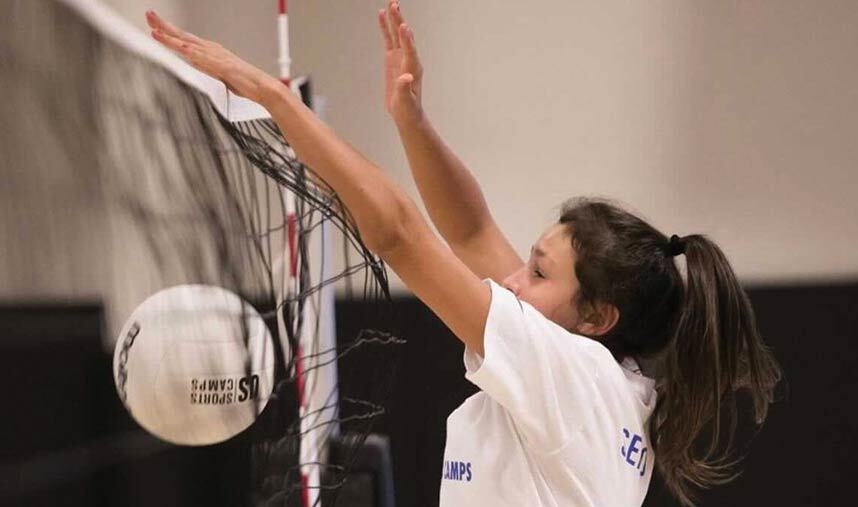
Credit: www.ussportscamps.com
Serve Blocking Rules
Blocking a serve in volleyball is a topic many players ask about. The rules about serve blocking are clear and important to understand. Knowing these rules helps keep the game fair and safe for all players.
Serve blocking rules explain what actions players can and cannot do when the ball is served. These rules guide the players on how to respond to a serve correctly.
Official Regulations
The official volleyball rules state that a serve cannot be blocked. Blocking means stopping the ball at the net before it crosses to your side. This rule applies to all levels of play, including beach and indoor volleyball.
Players near the net are allowed to block attacks, but the serve is different. The serve must be received by a pass, not a block. This rule helps keep the serve as a fair way to start each rally.
Why Blocking A Serve Is Illegal
Blocking a serve is illegal because it gives an unfair advantage. The serve is meant to be received and controlled by the receiving team. Blocking it stops the receiving team from having a fair chance to play the ball.
When a player blocks a serve, it results in a fault. The serving team wins a point immediately. This rule encourages proper receiving skills and fair play during the game.
Consequences Of Blocking A Serve
Blocking a serve in volleyball is against the rules and leads to clear consequences. Understanding these consequences helps players avoid faults and maintain fair play. The rules ensure the serve remains an opportunity for the receiving team to start the rally properly. Trying to block a serve disrupts this flow and results in penalties that affect the match.
Faults And Penalties
Blocking a serve is considered a fault in volleyball. The rules state a serve cannot be blocked or attacked before it crosses the net. If a player blocks the serve, the referee calls a fault immediately. The serving team gains a point, and the receiving team loses the chance to play the ball. This penalty discourages players from trying to block serves and keeps the game fair.
Impact On The Game
Blocking a serve changes the game’s rhythm and strategy. It gives the serving team an easy point, which can shift momentum. The receiving team must focus on proper serve reception techniques instead. This rule keeps rallies longer and more competitive. Teams work on passing and setting after the serve, which leads to better teamwork and skill development.
Proper Serve Reception Techniques
Proper serve reception techniques form the backbone of a strong volleyball defense. Players must focus on accurate ball control to transition from defense to offense smoothly. Good reception reduces errors and increases chances for a successful attack. These techniques help the team maintain pressure on the opponents and gain momentum during the rally.
Forearm Pass Basics
The forearm pass, also known as the bump, is the primary method for receiving serves. Position your body low with knees bent and feet shoulder-width apart. Extend your arms straight and lock your elbows to create a flat platform. Keep your hands together and thumbs aligned to guide the ball accurately. Focus on moving your legs to get under the ball rather than swinging your arms. Stay calm and watch the server’s contact point to anticipate the ball’s direction.
Setting Up The Attack
After a clean reception, the next step is setting up the attack. Pass the ball to the setter with a controlled and accurate forearm pass. The setter then positions the ball close to the net for hitters to spike. Communication between teammates is crucial during this phase. A well-placed pass creates more attacking options and puts pressure on the opposing defense. Quick and precise serve reception leads to more scoring opportunities.

Credit: www.youtube.com
Common Misconceptions About Blocking Serves
Many players and fans often misunderstand the rules about blocking serves in volleyball. This confusion leads to debates and mistakes during matches. Clearing up these misconceptions helps players follow the rules and improve their skills.
Beach Vs Indoor Volleyball
Blocking a serve is not allowed in either beach or indoor volleyball. Both versions follow similar rules on this point. Players cannot jump or reach over the net to block a serve. The reason is to keep the serve fair and give the receiving team a chance to play the ball. Some think beach volleyball has different rules, but blocking serves is illegal in both styles.
Spiking Vs Blocking A Serve
Spiking a serve is also not allowed, just like blocking. Spiking means attacking the ball with force to score. The serve must be received and passed first. Players must use a bump or a set after the serve. Blocking or spiking a serve causes a fault and awards a point to the serving team. This rule keeps the game balanced and fair for all players.
Illegal Blocking Actions
Blocking in volleyball is a key defensive skill. Yet, some blocking actions are illegal. These violations can cost your team points or possession. Understanding illegal blocking helps you play fair and smart.
Net And Centerline Violations
Players cannot touch the net during a block. Even slight contact disrupts play and causes a fault. Crossing the centerline under the net is also forbidden. Invading the opponent’s space risks injury and results in penalties. Staying within your side keeps the game safe and clean.
Back-row Blocking Restrictions
Back-row players cannot block or attempt to block near the net. They must remain behind the attack line when blocking. This rule prevents unfair advantages and keeps the game balanced. If a back-row player blocks illegally, the opposing team gains a point.
Tips From Experts
Experts share practical tips to improve your volleyball skills, especially in serve receive. Their advice helps players avoid common mistakes and get ready for a strong return. Focus on these key areas to enhance your performance.
Improving Serve Receive
Stand with your feet shoulder-width apart. Keep your knees slightly bent for better balance. Watch the server closely to anticipate the ball’s direction. Use your forearms to create a flat platform for the ball. Communicate with teammates to cover the court effectively. Practice timing your movement to meet the ball early. Stay relaxed and avoid stiff arms for better control.
Avoiding Common Faults
Do not reach too far forward or backward. This can cause poor ball control. Avoid jumping or trying to block the serve. It is against the rules and leads to a point loss. Keep your eyes on the ball at all times. Make sure your platform is steady and angled correctly. Avoid swinging your arms wildly; keep your movements smooth. Remember, a clean pass sets up a strong attack.

Credit: ecosports.com
Frequently Asked Questions
Are You Allowed To Block A Volleyball Serve?
No, you cannot block a volleyball serve. Blocking or attacking a serve is illegal and results in a point for the serving team. The receiving team must pass the serve without blocking it. Attempting to block a serve causes a fault and loss of rally.
Have You Ever Been Able To Block A Serve In Volleyball?
No, you cannot block a serve in volleyball. Blocking or attacking a serve is illegal and results in a point for the serving team. Players must receive the serve with a pass to continue play.
What Is Illegal Blocking In Volleyball?
Illegal blocking in volleyball occurs when a player blocks the opponent’s serve. Blocking a serve is against the rules and results in a point for the serving team. Players must let the serve pass or receive it with a legal pass instead of attempting to block it.
What Are The Rules Of Blocking In Volleyball?
Blocking in volleyball means intercepting an opponent’s attack near the net. Players cannot block or attack a serve. Attempting to block a serve results in a fault and awards a point to the serving team. The receiving team must pass the serve instead of blocking it.
Conclusion
Blocking a serve in volleyball is against the rules. Players must let the serve cross the net before playing. Trying to block a serve results in a point for the other team. Instead, focus on receiving the serve with a good pass.
This helps your team set up a strong attack. Understanding these rules keeps the game fair and fun. Remember, serves are meant to start play, not to be blocked. Play smart, follow the rules, and enjoy the sport.