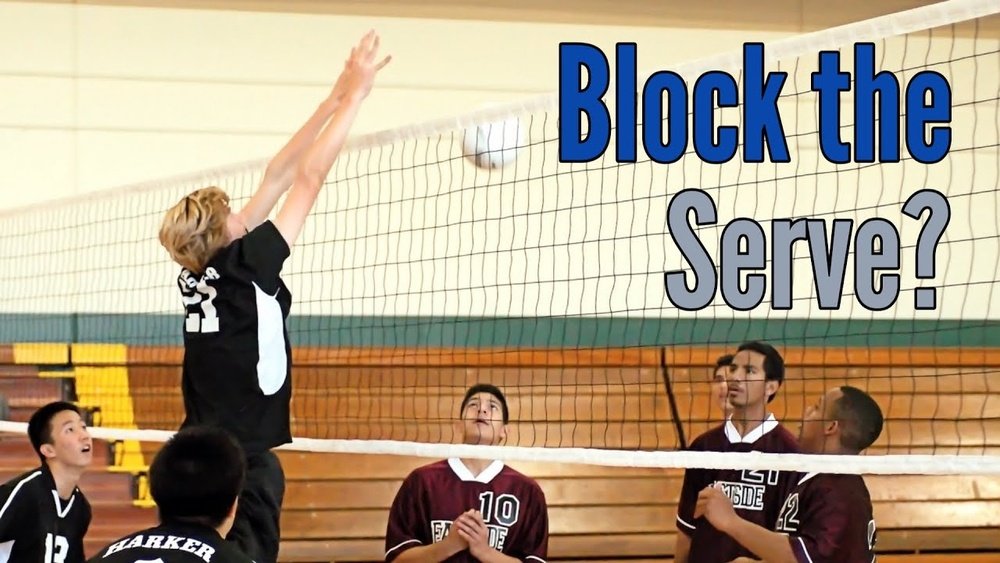
Have you ever wondered if you can block a volleyball serve? It’s a common question for players and fans alike.
You might think standing at the net and stopping a powerful serve sounds like a smart move. But is it actually allowed? Understanding the rules about blocking serves can change the way you play and improve your game strategy. You’ll discover the truth behind serve blocking, what’s legal and what’s not, and how knowing these details can give you an edge on the court.
Keep reading to find out everything you need to know about blocking a volleyball serve!
:max_bytes(150000):strip_icc()/GettyImages-591961502-5c2e862246e0fb0001df6254.jpg)
Credit: www.liveabout.com
Serve Blocking Rules
Blocking a volleyball serve is a question many players ask. The rules about serve blocking differ by volleyball type. Knowing these rules helps avoid mistakes during the match. Serve blocking rules focus on fairness and safe play.
Indoor Volleyball Regulations
In indoor volleyball, blocking a serve is not allowed. Players must let the ball cross the net without interference. The serve starts the rally, so no block or attack is permitted on it. Blocking the serve leads to a fault and point for the other team.
Players can position themselves near the net but cannot jump or reach over to block the serve. The server has the right to hit the ball freely. These rules keep the game fair and fast-paced.
Beach Volleyball Variations
Beach volleyball rules also forbid blocking a serve. Like indoor play, the serve must pass over the net without being blocked. Blocking the serve is against the official rules and results in a loss of serve or point.
Because the court is smaller, players stay alert and ready to receive. Blocking comes after the ball is in play, never on the serve itself. The rule is consistent across all official beach volleyball competitions.
Illegal Blocking Actions
Illegal blocking occurs when players break blocking rules. Blocking a serve is one illegal action. Other examples include touching the net during a block or crossing the centerline.
Back-row players may not block above the net height. Blocking the ball on the opponent’s side before their attack is also illegal. These actions disrupt fair play and lead to penalties.
Referees watch closely for illegal blocks. Players must understand and follow these rules to avoid faults and keep the game smooth.
Why Blocking A Serve Is Not Allowed
Blocking a volleyball serve is not allowed in official play. This rule keeps the game fair and safe. The serve starts the play and must have a clear chance to cross the net. Blocking it would stop this flow and disrupt the game’s balance.
Several specific rules explain why blocking a serve is forbidden. These include interference with the opponent’s play, net and centerline violations, and restrictions on back-row players. Understanding these helps players respect the game’s structure.
Interference With Opponent’s Play
Blocking a serve interferes with the server’s chance to play. The server must send the ball over the net without being stopped. Blocking the serve would take away this chance. The serve is meant to start the rally, not to be blocked immediately.
Net And Centerline Violations
Players must avoid touching the net or crossing the centerline. When blocking, players often reach over the net. This action can cause net violations. Blocking a serve requires reaching over the net early, breaking this rule. Such violations lead to faults and point loss.
Back-row Player Restrictions
Back-row players cannot block the ball above the net’s height. This rule applies to all plays, including serves. Allowing back-row players to block the serve would break this rule. The restriction keeps the game balanced between front and back players.
Common Blocking Mistakes
Blocking is a key skill in volleyball, especially at the net. Mistakes during blocking can cost points and give the other team an advantage. Understanding common blocking mistakes helps players improve and avoid penalties.
Many players focus on timing and hand placement, but often overlook rules and positioning. These errors lead to faults and lost rallies. Knowing what not to do is as important as learning how to block.
Touching The Net
One frequent mistake is touching the net while blocking. Players may reach too far or lose balance. Any contact with the net during a block results in a fault. This stops play and gives a point to the opposing team.
Stay controlled and keep hands clear of the net. Focus on vertical reach without leaning forward. Proper training helps avoid this common error.
Penetrating The Opponent’s Side
Another error is crossing into the opponent’s court during a block. Players sometimes jump over the net or lean too far forward. This is illegal and causes a block fault.
Keep your body behind or above the net line. Jump straight up and avoid intruding on the other side. This ensures a legal block and prevents penalties.
Illegal Back-row Blocks
Back-row players must be cautious when blocking. Only front-row players can block at the net. If a back-row player jumps and blocks above the net, it is illegal.
Know your position and the rules. Back-row players should focus on defense behind the attack line. Avoid blocking to stay within the rules and keep your team safe from faults.

Credit: ecosports.com
Effective Serve Receive Strategies
Effective serve receive strategies are crucial for handling powerful volleyball serves. Good serve reception helps your team control the ball and start a strong offense. It requires focus, proper positioning, and teamwork. This section covers key tactics to improve serve reception and keep the play smooth.
Positioning For Serve Reception
Stand ready with knees bent and weight balanced on your toes. Place yourself where the serve is most likely to go. Spread out evenly to cover the court. Adjust your position based on the server’s habits and the team’s plan. Proper positioning reduces errors and allows for quick reactions.
Communication And Teamwork
Talk clearly with teammates before and during the serve. Call out who will receive the ball to avoid confusion. Support each other by giving positive signals. Teamwork builds trust and ensures everyone knows their role. Communication prevents missed passes and improves overall defense.
Anticipating Serve Types
Learn to recognize different serve styles like float, jump, or topspin. Watch the server’s body and toss for clues. Anticipate the ball’s speed and direction. This helps you prepare your stance and angle. Anticipation speeds up your reaction time and increases successful receives.
Blocking Techniques For Attacks
Blocking is a key skill in volleyball defense. It stops the opponent’s attacks and scores points. Effective blocking requires more than just jumping high. It demands good technique and sharp instincts. Below are important blocking techniques to improve your defense against attacks.
Timing Your Jump
Jumping at the right moment is crucial for a successful block. Jump too early, and the attacker can change the ball’s direction. Jump too late, and the ball passes over your hands. Watch the hitter’s arm and body closely. This helps you predict the exact moment to jump. Practicing timing improves your chances to stop powerful spikes.
Reading The Opponent’s Set
Understanding the opponent’s set helps you prepare to block. Notice the setter’s hand and body movements. These clues tell you where the ball will go. Observe the hitter’s position and approach. This information guides you to move quickly to the right spot. Anticipation makes your block more effective and reduces reaction time.
Hand Positioning And Angle
Proper hand positioning directs the ball back to the opponent’s court. Keep your hands strong and firm above the net. Angle your hands slightly downward to push the ball down. Avoid leaving gaps between your fingers and palms. This prevents the ball from slipping through. Good hand shape creates a solid block and frustrates attackers.

Credit: www.youtube.com
Training Drills To Improve Blocking
Improving your blocking skills in volleyball takes focused training. Specific drills help enhance your reaction, footwork, jump timing, and adaptability. Practicing these drills regularly builds muscle memory and confidence at the net. Each drill targets key areas to make blocking more effective against serves and attacks.
Reaction And Footwork Exercises
Quick reactions and agile footwork are vital for blocking. Start with lateral shuffles to improve side-to-side movement. Use cone drills to practice fast starts and stops. Partner toss drills help sharpen your response to unpredictable ball placement. These exercises train your body to move swiftly and stay balanced during blocks.
Jump Training And Timing Drills
Jump height and timing can make or break a block. Perform plyometric exercises like squat jumps and box jumps to boost explosive power. Practice timing your jump with a setter’s toss or a coach’s signal. Use a ball machine or partner hits to simulate real attack timing. This drills improve your ability to jump at the exact moment to block effectively.
Blocking Against Different Hitters
Each hitter has a unique style and speed. Practice blocking against various hitters to adapt quickly. Observe their approach and hitting patterns during drills. Adjust your positioning and timing based on their tendencies. This variety trains your mind and body to handle different attacks confidently and successfully block more serves and spikes.
Expert Tips To Dominate At The Net
Dominating at the net is crucial for volleyball players aiming to control the game. Success depends on quick reactions and smart play. Blocking serves directly is not allowed, but strong net play can disrupt opponents’ strategies. These expert tips help you improve your presence at the net and challenge every play effectively.
Focus on preparation, opponent study, and flexible tactics to stay ahead. Each element sharpens your ability to read the game and respond with confidence.
Mental Preparation And Focus
Stay calm and ready before each serve. Visualize the ball’s path and your blocking move. Clear your mind from distractions. Concentrate only on the server’s body and hand movements. This focus helps predict the ball’s direction. Strong mental preparation improves your timing and jump accuracy.
Studying Opponents’ Tendencies
Watch how opponents serve during warm-ups and early game moments. Notice if they favor short or long serves. Identify their strongest serve types and angles. Use this knowledge to position yourself better at the net. Anticipate their moves to reduce reaction time. Understanding patterns gives you a strategic edge.
Adjusting Strategy Mid-game
Read the game and adapt quickly to changes. If the opponent shifts their serve style, adjust your stance and timing. Communicate with teammates to cover weak spots. Change your blocking focus based on the server’s recent actions. Flexibility at the net keeps opponents guessing and under pressure.
Frequently Asked Questions
Have You Ever Been Able To Block A Serve In Volleyball?
You cannot block a serve in volleyball. Blocking a serve is illegal and results in a fault. Players must wait for the serve to cross the net before attempting a block.
What Is Illegal Blocking In Volleyball?
Illegal blocking in volleyball happens when a player blocks a serve, touches the net or centerline, interferes with opponents, or a back-row player blocks above the net. These actions violate rules and result in a fault against the blocking team.
What Is The Block Rule In Volleyball?
The block rule in volleyball prohibits blocking the opponent’s serve. Players cannot touch the net or cross the centerline while blocking. Back-row players cannot block above the net. Blocking must occur only after the opponent’s attack hit. Illegal blocks result in a fault against the blocker.
Can You Block The View Of The Server In Volleyball?
You cannot block a serve in volleyball. Blocking a serve is illegal and results in a fault. Players must wait for the serve to cross the net before attempting to block.
Conclusion
Blocking a volleyball serve is not allowed under official rules. Players must wait for the serve to cross the net before attempting to block. Instead, focus on receiving and passing to control the ball. Understanding this rule helps avoid penalties during play.
Practice your serve receive skills to improve your team’s defense. This knowledge keeps the game fair and enjoyable for everyone. Remember, good positioning and quick reactions matter most. Keep practicing and have fun on the court!