Are you wondering if you can wear your soccer cleats for softball games? It’s a common question, especially when you want to save time and money or simply use what you already have.
But before you step onto the field, it’s important to know how soccer cleats compare to softball cleats—and how this choice can affect your performance and safety. You’ll discover the key differences between the two, when it might be okay to wear soccer cleats for softball, and why picking the right cleats matters more than you think.
Keep reading to make sure your feet—and your game—are ready for the challenge!
Soccer Cleats Basics
Understanding soccer cleats helps decide if they suit softball. Soccer cleats have unique designs made for soccer’s fast movements and turf. These basics include their design, traction, and support. Each part affects how well they perform on different fields.
Knowing these details shows why using soccer cleats for softball may or may not work well. It helps to compare them with softball cleats and see what fits best for comfort and safety.
Design And Features
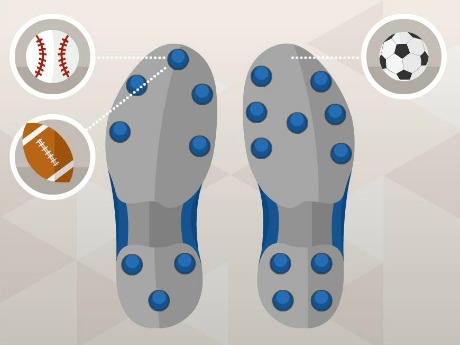
Soccer cleats are lightweight and built for quick footwork. They have a low cut around the ankle to allow easy movement. The upper part is usually made of synthetic or leather for a snug fit. This design helps players control the ball better. Softball cleats often have more padding for protection. Soccer cleats do not have extra reinforcement for sliding or sudden stops common in softball.
Traction Patterns
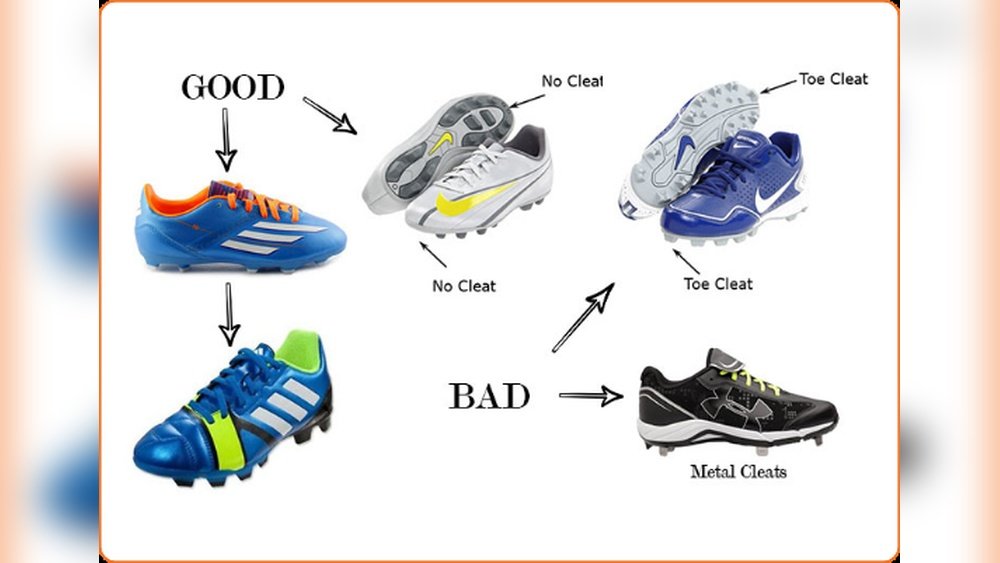
Soccer cleats use studs arranged to grip grass and artificial turf. The studs are usually round or blade-shaped. They provide good traction for running and turning on grass. Softball cleats have different patterns, often with a toe cleat for better digging into dirt. Soccer cleats lack a toe cleat, making them less stable on dirt surfaces. This difference affects performance during base running and quick stops.
Support And Flexibility
Soccer cleats offer more flexibility to allow kicking and agile moves. They do not have strong ankle support since soccer players run mostly on flat ground. Softball cleats provide extra ankle support to prevent injuries during lateral movements and slides. The flexibility of soccer cleats can be good for speed but may not protect against the twisting motions in softball.
Credit: www.activekids.com
Softball Cleats Essentials
Softball cleats are made to improve your play and keep you safe on the field. They provide better grip on dirt and grass surfaces. These cleats also offer comfort for long hours of play. Wearing the right cleats helps with quick moves and prevents injuries.
Choosing softball cleats means picking shoes designed for the sport’s unique demands. Key features include strong materials, good cushioning, and ankle support. These factors work together to give you control and stability during the game.
Material And Construction
Softball cleats use durable materials like leather or synthetic fabrics. These materials resist wear and tear from dirt and grass. The cleat’s sole is made with sturdy rubber or plastic for strong traction. Cleats have spikes that dig into the ground for better grip. The construction keeps your feet protected and stable.
Midsole Comfort
The midsole cushions your foot to reduce impact. It helps absorb shocks from running and jumping. Good midsoles prevent foot fatigue during long games. Softball cleats often have foam or gel midsoles. This comfort layer supports your foot’s natural movement.
Ankle Support
Softball cleats offer extra ankle support to prevent injuries. Some cleats come with higher collars that wrap around the ankle. This design helps stop ankle rolls and twists. Proper support gives you confidence to run and slide. It also keeps your feet secure during fast turns.
Key Differences Between Soccer And Softball Cleats
Understanding the key differences between soccer and softball cleats helps explain why each type suits its sport. Soccer cleats and softball cleats are built for different field conditions and movements. These differences affect comfort, traction, and performance on the field.
Softball cleats focus on stability and grip on dirt and grass surfaces. Soccer cleats prioritize quick cuts and ball control on grass fields. The design features reflect these needs clearly.
Toe Cleat Presence
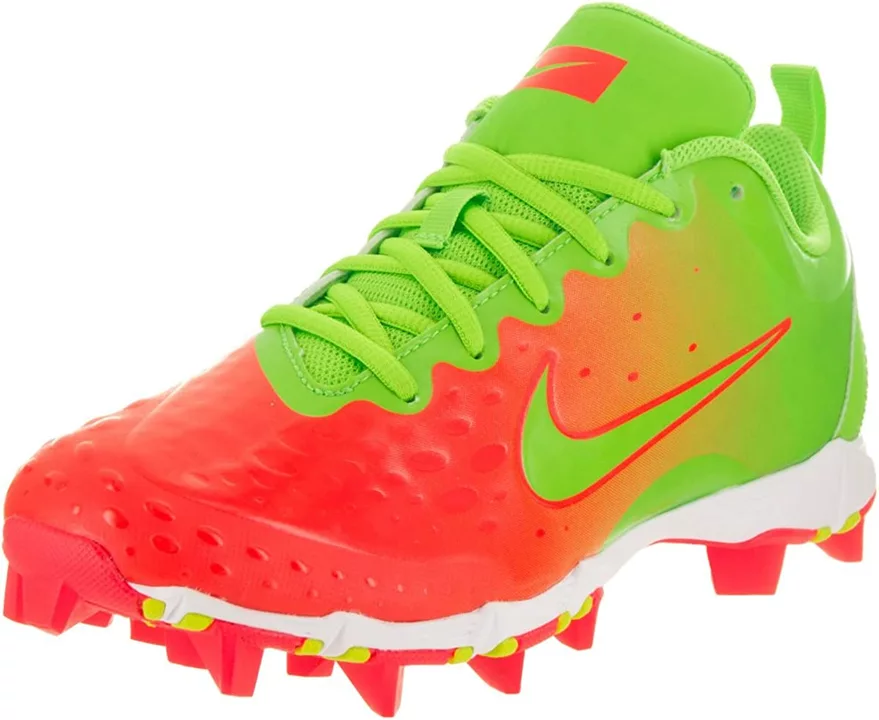
Softball cleats have a distinct toe cleat at the front. This helps players dig into dirt for quick starts and stops. Soccer cleats do not have a toe cleat. This absence avoids injury during slide tackles but reduces traction on dirt. Using soccer cleats in softball limits grip on base paths.
Stud Shape And Placement
Soccer cleats have longer, thinner studs spread evenly. They provide traction for running and quick turns on grass. Softball cleats have shorter, thicker studs placed to stabilize on dirt and grass. These studs prevent slipping when running bases or fielding. The stud design difference makes softball cleats better for mixed surfaces.
Weight And Fit Variations
Soccer cleats are lightweight and snug for agility and ball control. Softball cleats offer more padding for comfort on hard surfaces. They may feel heavier but protect feet during sliding and digging in. The fit of softball cleats supports lateral movements common in the sport. Soccer cleats’ fit suits running and kicking motions more.
Credit: soccer-iq.co.uk
Performance Impact Of Wearing Soccer Cleats In Softball
Wearing soccer cleats for softball impacts how players perform on the field. The design differences between these cleats affect traction, support, and safety. Understanding these effects helps players decide if soccer cleats meet their softball needs.
Traction On Dirt And Grass
Softball fields have dirt and grass surfaces that need strong grip. Soccer cleats are made mainly for grass and turf. Their stud patterns do not dig well into dirt. This can cause slipping when running or stopping quickly. Softball cleats have cleats designed to hold ground firmly on both surfaces.
Support During Lateral Movements
Softball requires quick side-to-side moves. Soccer cleats are flexible to aid kicking but offer less side support. This flexibility can reduce stability during fast lateral motions. Softball cleats provide better ankle and foot support to prevent rolling or twisting. Proper support helps players move confidently and reduce fatigue.
Risk Of Slipping Or Injury
Soccer cleats lack toe cleats that help dig into the dirt for strong starts and stops. This absence raises the risk of slipping during sudden movements. Less support also increases chances of ankle injuries on uneven fields. Wearing soccer cleats in softball may compromise safety, especially in aggressive plays.
When Soccer Cleats Can Work For Softball
Soccer cleats are not made for softball, but they can work in some cases. Understanding these situations helps players choose the right shoes without extra cost. Soccer cleats and softball cleats have different designs. Still, soccer cleats can fit certain softball needs temporarily or casually.
Here are some times when wearing soccer cleats for softball can be okay and safe.
Casual And Recreational Play
For casual games with friends or family, soccer cleats can be fine. The play is less intense and does not demand perfect traction or support. Soccer cleats provide enough grip on grass for fun softball sessions. Players avoid buying new cleats if they do not play often.
Temporary Or Emergency Use
Soccer cleats can serve as a backup when softball cleats are unavailable. They help avoid missing a game or practice. The cleats offer basic traction and comfort for short periods. Players should switch to proper softball cleats soon after to prevent injury.
Playing On Specific Surfaces
Some softball fields have grass or turf surfaces similar to soccer fields. Soccer cleats perform well on these grounds by providing good traction. Dirt infields are harder surfaces, where softball cleats work better. Choosing soccer cleats for grass-only fields can be a reasonable choice.

Credit: www.youtube.com
Expert Recommendations
Experts advise careful selection when considering cleats for softball. Using soccer cleats in softball is possible, but not always ideal. Choosing the right footwear impacts comfort, safety, and performance on the field. Understanding expert tips helps make smarter decisions for playing softball effectively.
Choosing The Right Cleats For Softball
Softball cleats differ from soccer cleats in design and purpose. Softball cleats have a toe cleat that aids quick starts and stops. Their soles provide traction on dirt and grass surfaces. Soccer cleats focus more on flexibility and grass traction. Experts recommend selecting cleats made specifically for softball to prevent slipping and injuries.
Balancing Comfort And Safety
Comfort and safety go hand in hand on the softball field. Softball cleats offer better ankle support to reduce injury risks. Soccer cleats are lighter but may lack enough support for softball movements. Proper fit and cushioning matter for comfort during long games. Players should choose cleats that protect their feet while allowing natural movement.
Long-term Performance Considerations
Durability and performance last longer with sport-specific cleats. Softball cleats are built to withstand the roughness of dirt fields. Soccer cleats can wear out faster if used on abrasive softball surfaces. Using the right cleats helps maintain consistent traction and reduces foot fatigue. Experts suggest investing in quality softball cleats for lasting benefits.
Alternatives To Soccer Cleats For Softball
Choosing the right footwear for softball is important for comfort and performance. Soccer cleats can work in a pinch, but they often lack features that softball players need. Several alternatives provide better support and grip tailored to softball’s unique demands. These options offer improved safety and enhance your game on the field.
Turf Shoes
Turf shoes have rubber soles with small studs designed for artificial surfaces. They provide good traction on grass and dirt without digging too deep. Turf shoes are lightweight and flexible, making them comfortable for running and quick movements. They offer more grip than soccer cleats on softball fields, reducing the risk of slipping. These shoes are a practical choice for players who play on various surfaces.
Multi-sport Cleats
Multi-sport cleats are designed to work well across several sports, including softball. They usually have a combination of cleat shapes to offer grip on dirt and grass. These cleats provide better foot support than soccer cleats. They often include a toe cleat, which helps with quick starts and stops in softball. Multi-sport cleats balance flexibility and stability, making them a versatile option for players.
Custom Softball Cleats
Custom softball cleats are made specifically for softball players’ needs. They feature durable soles that handle dirt and grass well. These cleats offer strong ankle support and cushioning for comfort during long games. Custom options allow you to choose the fit, style, and cleat configuration. Investing in custom cleats improves performance and reduces injury risk on the field.
Frequently Asked Questions
Can Soccer Cleats Be Worn For Softball?
Soccer cleats can be worn for softball but are not ideal. They lack a toe cleat and proper traction for dirt fields. Softball cleats provide better support, grip, and safety for the sport. Use soccer cleats only for casual or emergency situations.
What Is The Difference Between Softball And Soccer Cleats?
Softball cleats have a midsole for comfort on dirt and include a toe cleat for traction. Soccer cleats are lightweight, flexible, and lack a toe cleat, designed for grass and agility. Softball cleats offer more ankle support and durability for quick lateral moves.
Can You Wear Soccer Cleats For Baseball?
You can wear soccer cleats for baseball, but they lack a toe cleat and proper traction. Baseball cleats offer better support, grip, and safety. Soccer cleats suit casual play but reduce performance and increase slipping risk on dirt and grass fields.
What Is The Difference Between A Soccer Cleat And A Baseball Cleat?
Soccer cleats are lightweight, flexible, and lack a toe stud for safety. Baseball cleats have a toe stud, stronger support, and often higher ankle protection for quick movements. Their stud patterns differ to suit their specific field surfaces and sport demands.
Conclusion
Wearing soccer cleats for softball is possible but not ideal. Softball cleats provide better grip on dirt and grass. Soccer cleats lack the toe cleat needed for quick stops. They also offer less ankle support, which may increase injury risk.
For casual play or practice, soccer cleats can work in a pinch. Serious players should choose softball cleats for safety and performance. Choosing the right cleats helps you play confidently and comfortably. Always prioritize proper footwear to enjoy the game fully.