If you’re diving into baseball stats, you’ve probably come across the term WHIP but wondered, “What exactly does WHIP mean in baseball?” Understanding WHIP is key if you want to get a clear picture of a pitcher’s performance. It’s a simple yet powerful stat that tells you how many baserunners a pitcher allows on average every inning.
Curious how this number is calculated and why it matters so much? Keep reading, and you’ll soon see how WHIP can change the way you watch and appreciate the game.
What Whip Measures
WHIP in baseball shows how many baserunners a pitcher allows per inning. It adds walks and hits, then divides by innings pitched. Lower WHIP means better pitching control and fewer runners on base.
WHIP is a key baseball stat that shows a pitcher’s control. It measures how many baserunners a pitcher allows per inning. This includes both hits and walks given to the opposing team.
Lower WHIP numbers mean fewer runners reach base. This usually means the pitcher performs well. Higher WHIP values suggest more baserunners, which can lead to more runs scored.
Walks And Hits Allowed
WHIP counts all walks and hits allowed by a pitcher. Walks occur when a batter receives four balls. Hits happen when a batter successfully reaches base by hitting the ball.
By combining these, WHIP tracks how often a pitcher lets players get on base. It does not count errors or hit-by-pitches.
Innings Pitched
The total innings a pitcher throws affects WHIP. WHIP divides walks plus hits by innings pitched. This means it measures baserunners per inning, not per game or at-bat.
This gives a fair view of a pitcher’s performance over time. It balances out differences in how long pitchers stay on the mound.
Indication Of Pitcher Effectiveness
A low WHIP suggests a pitcher keeps runners off base well. This often leads to fewer runs scored against the team. A high WHIP may indicate problems with control or pitch quality.
Coaches and fans use WHIP to compare pitchers and predict game outcomes. It helps identify pitchers who consistently limit baserunners.

Credit: www.usatoday.com
Calculating Whip
Calculating WHIP is a key skill to understand a pitcher’s effectiveness. WHIP measures how many baserunners a pitcher allows per inning. It combines walks and hits into one simple number. This helps compare pitchers easily. Knowing how to calculate WHIP shows how well a pitcher controls the game.
Formula Breakdown
WHIP stands for Walks plus Hits per Inning Pitched. The formula is simple:
WHIP = (Walks Allowed + Hits Allowed) ÷ Innings Pitched
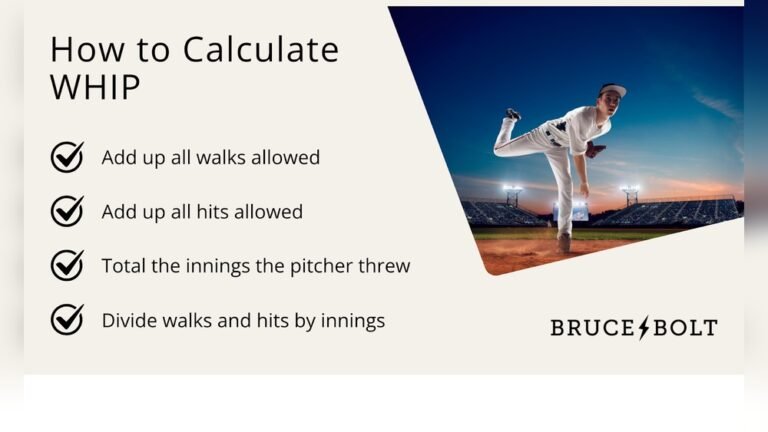
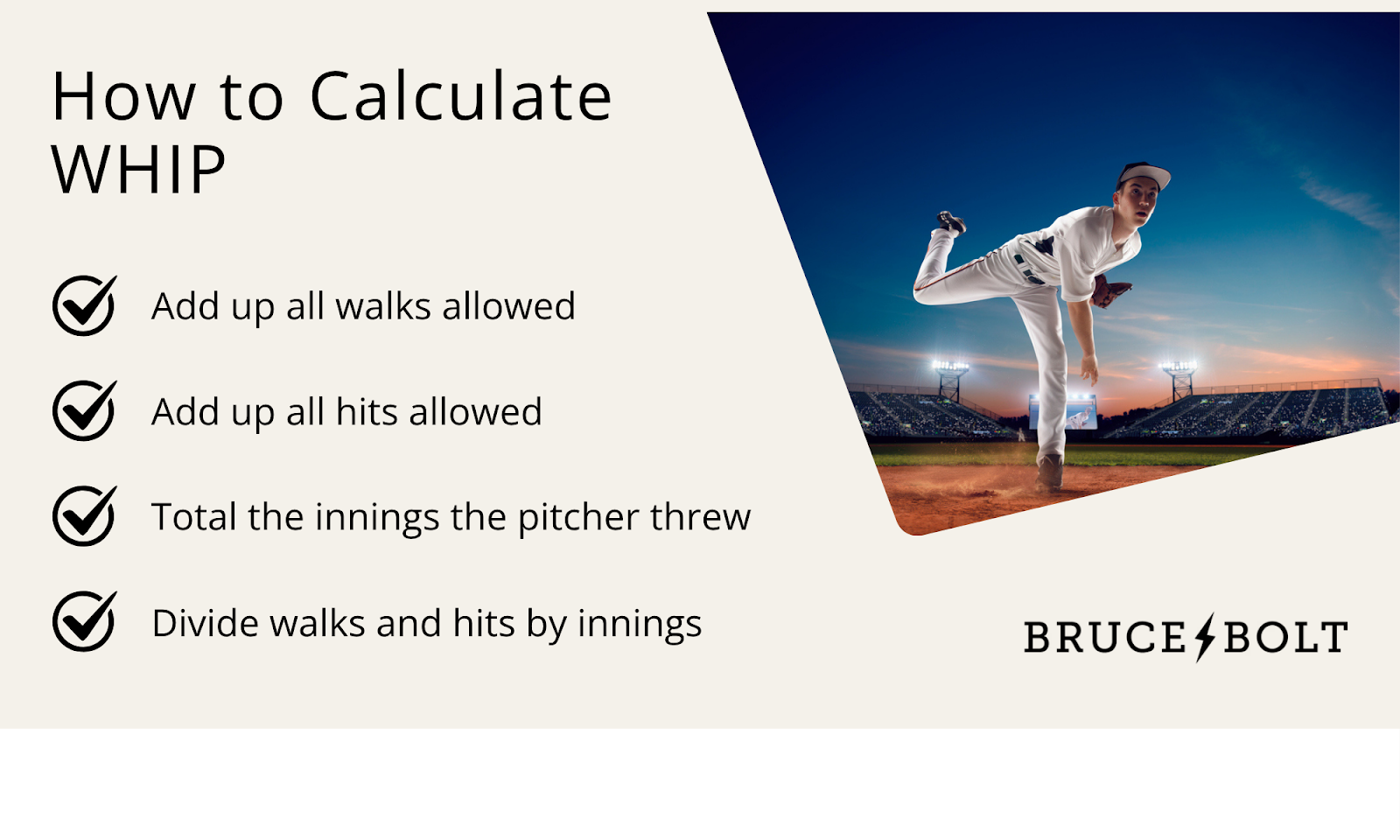
Walks Allowed means how many batters the pitcher walked. Hits Allowed counts all hits the pitcher gave up. Innings Pitched is how many innings the pitcher completed. Dividing the sum of walks and hits by innings pitched gives the average baserunners per inning.
Example Calculation
Imagine a pitcher who allowed 4 walks and 8 hits in 6 innings. To find the WHIP:
First, add walks and hits: 4 + 8 = 12.
Then, divide by innings pitched: 12 ÷ 6 = 2.0.
This pitcher’s WHIP is 2.0. It means the pitcher lets in two baserunners every inning on average. Lower WHIP values show better pitching control and fewer baserunners allowed.
Whip Vs Other Pitching Stats
WHIP stands for walks plus hits per inning pitched. It shows how many baserunners a pitcher allows each inning. WHIP is a popular stat but works alongside other pitching stats. Comparing WHIP with these stats helps understand a pitcher’s true performance. Two common stats compared with WHIP are ERA and FIP. Both offer different views on pitching.
Whip And Era
ERA means earned run average. It measures runs a pitcher allows per nine innings. ERA focuses on runs, while WHIP focuses on baserunners. A pitcher can have a low WHIP but a high ERA if runners score often. WHIP gives a closer look at how many hitters reach base. ERA shows how many runs result from those baserunners. Combining both stats gives a clearer picture of pitching quality.
Whip And Fip
FIP stands for fielding independent pitching. It estimates a pitcher’s effectiveness based on strikeouts, walks, and home runs. FIP removes fielding errors from the equation. WHIP counts hits and walks but does not separate home runs. FIP helps predict future performance better than WHIP alone. Using WHIP and FIP together shows both baserunners allowed and expected runs. This combo helps evaluate pitchers more fairly across different teams.

Credit: www.suzitee.com
Interpreting Whip Values
Interpreting WHIP values helps understand a pitcher’s effectiveness. WHIP stands for walks plus hits per inning pitched. It shows how many baserunners a pitcher allows every inning. Lower WHIP values mean fewer runners on base, indicating better control and skill. Higher values suggest more traffic on the bases and potential scoring chances for the opponent.
Knowing what a WHIP number means makes it easier to evaluate pitching performance. Here are some key points about good and high WHIP values.
Good Whip Ranges
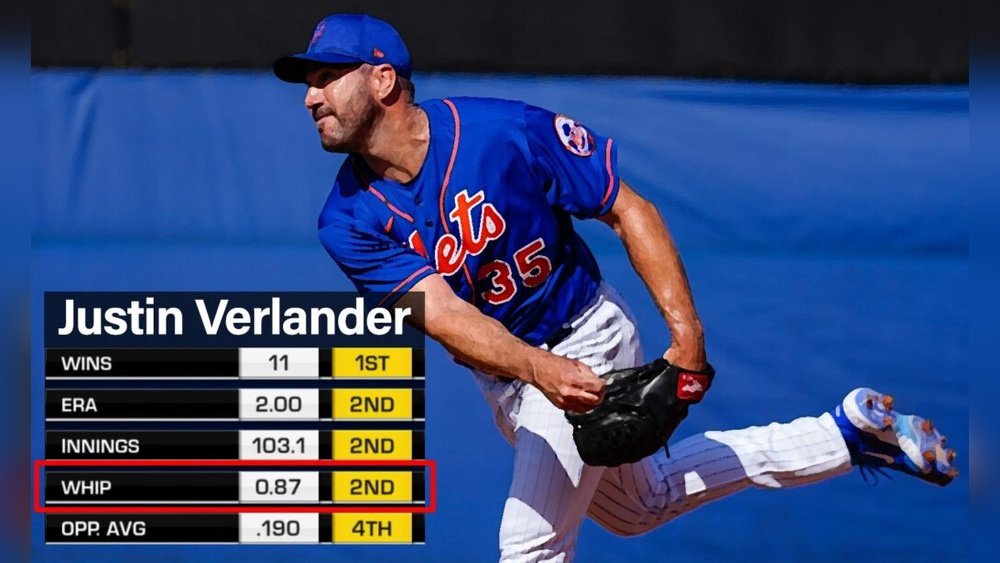
A WHIP below 1.20 is generally considered good. Pitchers in this range allow fewer than 1.2 baserunners every inning. Elite pitchers often have WHIPs near or below 1.00. This means they rarely let opponents get on base. A low WHIP helps keep runs off the board and increases chances to win games.
WHIP between 1.20 and 1.35 is average. Pitchers in this range are decent but may allow more scoring opportunities. WHIP above 1.35 is usually a sign of trouble on the mound.
What High Whip Indicates
A high WHIP means a pitcher allows many walks and hits per inning. This often leads to more runs scored by the opposing team. High WHIP can show poor control or difficulty getting outs. It may also indicate the pitcher struggles against strong hitters.
Teams monitor WHIP closely to decide if a pitcher needs to improve or be replaced. A rising WHIP during the season can point to fatigue or injury. Coaches use this stat to manage pitchers and plan game strategies.
Historical Whip Leaders
WHIP, which stands for Walks plus Hits per Inning Pitched, measures how many baserunners a pitcher allows each inning. Low WHIP values show a pitcher’s skill in preventing hitters from reaching base. Over baseball history, some pitchers have stood out with exceptional WHIP records. These players set high standards and left lasting marks on the sport.
Studying historical WHIP leaders helps us understand pitching excellence. It shows who dominated their eras and controlled the game with precision. These leaders often had WHIP values well below 1.00, meaning they allowed fewer than one baserunner per inning on average. Their consistency made them valuable assets to their teams.
All-time Lowest Career Whip
Ed Walsh holds one of the lowest career WHIP records in Major League Baseball. Pitching in the early 1900s, Walsh had a WHIP of 0.97 over his career. His ability to limit baserunners helped him win many games and earn a place in the Hall of Fame. Few pitchers have matched his control and efficiency across so many innings.
Modern Era Whip Leaders
In recent decades, pitchers like Greg Maddux and Clayton Kershaw have led the WHIP rankings. Maddux, known for his precision and smart pitching, finished with a career WHIP near 1.14. Kershaw, active in the 21st century, has maintained an even lower WHIP in his prime. These players show how control remains vital in modern baseball.
Single-season Whip Records
Single-season WHIP records highlight pitchers who dominated in one year. For example, Pedro Martinez posted a remarkable 0.74 WHIP in 2000. This means he allowed less than one baserunner every inning over a full season. Such performances are rare and reflect a pitcher’s peak ability to control the game.
Whip And Hall Of Fame Pitchers
Many Hall of Fame pitchers rank highly in career WHIP. Their low WHIP numbers prove their skill in limiting hits and walks. Legends like Nolan Ryan and Sandy Koufax combined power with control to keep baserunners low. WHIP serves as a key measure of their pitching greatness.
Credit: brucebolt.us
Whip’s Role In Player Evaluation
WHIP is a key stat in baseball for evaluating pitchers. It shows how many runners a pitcher allows per inning. A lower WHIP means fewer baserunners, which usually means better pitching. Teams and analysts use WHIP to judge a pitcher’s control and effectiveness.
WHIP helps compare pitchers beyond just wins or strikeouts. It reveals who keeps the ball in the park and limits scoring chances. This makes it a valuable tool in deciding a pitcher’s value on any roster.
Scouting Applications
Scouts rely on WHIP to assess pitchers quickly and accurately. It highlights pitchers who avoid walks and hits consistently. A low WHIP indicates strong control and command over pitches. Scouts use this to predict future performance and durability. WHIP helps identify pitchers who can handle pressure and maintain composure.
Fantasy Baseball Impact
Fantasy players use WHIP to pick pitchers who minimize baserunners. A pitcher with a low WHIP often earns more wins and saves. This stat helps fantasy managers find reliable starters and relievers. It also indicates pitchers who can keep their team in the game. WHIP is a simple way to spot consistent and valuable fantasy assets.
Improving Whip
Improving your WHIP is crucial for any pitcher aiming to limit baserunners. WHIP stands for walks plus hits per inning pitched. A lower WHIP means fewer players reach base. This boosts your team’s chance to win. To improve, focus on smart pitching and precise control. Both help reduce walks and hits allowed. Below are key ways to work on your WHIP.
Pitching Strategies
Use a mix of pitches to keep batters guessing. Change speeds between fastballs and off-speed pitches. Aim for corners of the strike zone, not the middle. Study hitters’ weaknesses and adjust your approach. Avoid predictable patterns that batters can exploit. Focus on pitching ahead in the count to control the at-bat. These tactics help limit hits and walks, lowering your WHIP.
Control And Command Tips
Control means throwing strikes consistently. Command means placing pitches exactly where you want. Develop a repeatable pitching motion for better control. Practice hitting target spots during bullpen sessions. Keep your release point steady to improve command. Stay calm on the mound to maintain focus. Better control and command reduce walks and weak contact. This leads to a better WHIP over time.
Frequently Asked Questions
What Is A Good Whip In Baseball?
A good WHIP in baseball is typically below 1. 20. It shows a pitcher allows fewer baserunners per inning. Lower WHIP values indicate better performance.
What Is Slugging In Baseball?
Slugging in baseball measures total bases a player earns per at-bat. It values extra-base hits more than singles.
What Is A Meatball In Baseball?
A meatball in baseball is an easy pitch thrown right down the middle of the plate. Batters find it simple to hit.
Who Has The Lowest Whip In Mlb History?
Addie Joss holds the lowest WHIP in MLB history with a remarkable 0. 9678. This reflects his exceptional control and skill.
Conclusion
WHIP shows how many runners a pitcher allows each inning. A lower WHIP means fewer baserunners and better pitching. It helps fans understand a pitcher’s control and effectiveness. Knowing WHIP adds depth when watching or discussing baseball. Keep this stat in mind next time you follow a game.
Simple and useful for all baseball fans.