
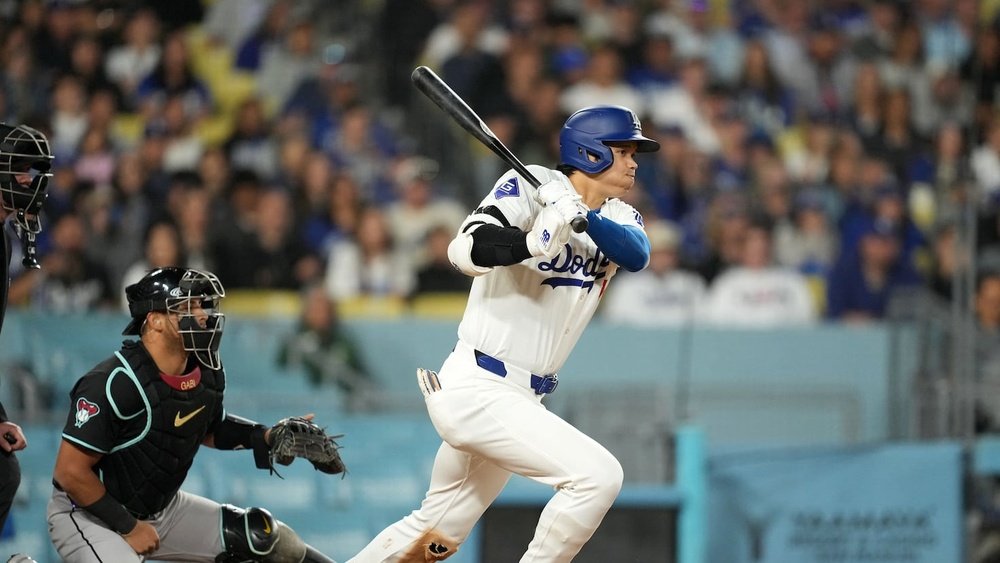
Have you ever wondered what makes a walk-off home run so thrilling? Imagine the tension of the final moments in a baseball game, when one swing can instantly decide the winner.
A walk-off home run is exactly that—a powerful hit that ends the game on the spot, sending the crowd into a frenzy and the players walking off the field victorious. But what exactly defines this dramatic play, and why is it called a “walk-off”?
If you want to uncover the meaning, origin, and excitement behind a walk-off home run, keep reading. This article will break it down for you in simple terms, so you’ll never miss the magic when it happens during a game.

Credit: www.sandiegouniontribune.com
Walk-off Home Run Basics
A walk-off home run is one of baseball’s most thrilling moments. It happens when a player hits a home run that ends the game instantly. The term “walk-off” means the players and fans can walk off the field because the game is over. This moment creates excitement and drama for players and fans alike.
Understanding the basics helps appreciate why walk-off home runs are so special. They mark a sudden and final victory. The hit changes the outcome in a flash. Here is a closer look at the key points about walk-off home runs.
Game-ending Hit
A walk-off home run ends the game immediately. It happens in the last inning or extra innings. The home run gives the home team the winning run. Once the ball clears the fence, the game stops. There is no need to finish the inning or play more.
When It Occurs
This home run happens only when the score is tied or the home team is behind. It must be the last inning or extra innings. The home team bats last, so they can win with one hit. The moment is rare and often very exciting.
Impact On The Game
The walk-off home run changes the game’s outcome instantly. It ends the tension of a close match. Players and fans celebrate the sudden victory. The winning team leaves the field happy. The losing team must accept the final score without more chances.
Origin Of The Term
The term “walk-off home run” has an interesting origin rooted in baseball culture. It describes a home run that ends the game instantly. The phrase captures the dramatic moment when the game is decided with one swing. Understanding where this term comes from helps appreciate its meaning today.
Dennis Eckersley’s Coinage
The phrase “walk-off” was first coined by Dennis Eckersley, a famous baseball pitcher. He used the term “walk-off piece” to describe a game-ending home run. For him, it meant the pitcher had no choice but to walk off the mound, defeated. This coined phrase appeared in the San Francisco Chronicle during his career.
Original Meaning
Originally, “walk-off” had a negative tone. It showed the pitcher’s loss and frustration after giving up a final hit. The phrase focused on the losing side, highlighting the end of the pitcher’s effort. The home run was so decisive that the pitcher literally walked off the field in defeat.
Evolution Over Time
Over the years, the meaning of “walk-off” changed. It shifted from the pitcher’s defeat to the batter’s victory. Now, it celebrates the winning player who “walks off” the field with triumph. The term became a symbol of joy and excitement for fans and players alike.
Why It’s Called Walk-off
The term “walk-off” in baseball describes a moment that ends the game instantly. This usually happens with a home run that scores the winning run in the last inning. The name comes from what happens right after the play. The players and fans know the game is over. So, the winning team can simply walk off the field. The term captures this unique finality and the sudden joy that follows.
Pitcher’s Perspective
Originally, “walk-off” focused on the pitcher’s experience. The pitcher who allows the winning run must walk off the mound. This means the game ends with their defeat. Hall of Fame pitcher Dennis Eckersley first used the phrase “walk-off piece.” It described how the pitcher had no chance left. He just had to leave the field, accepting the loss.
Winning Team’s Celebration
Over time, the meaning shifted to the winners. The batter who hits the walk-off home run walks off the field as a hero. The team rushes to celebrate near home plate. Fans cheer loudly, sharing the excitement. The walk-off moment becomes a symbol of victory and joy. It marks a sudden end and a happy farewell to the competition.
Broader Usage Beyond Home Runs
The term “walk-off” now applies to more than just home runs. Any play that ends the game immediately can be called a walk-off. This includes a walk-off single, double, or even a walk-off error. The key is that the play scores the winning run in the final inning. The team then walks off the field, knowing they have won. The phrase captures the drama and finality of these moments.
Famous Walk-off Home Runs
Walk-off home runs create unforgettable moments in baseball history. They end games instantly and excite fans everywhere. These home runs often happen in the most important games, adding to their fame.
Many walk-off homers have become part of baseball legend. They mark thrilling victories and unforgettable celebrations. Let’s explore some of the most famous walk-off home runs in baseball.
World Series Moments
Walk-off home runs in the World Series are rare and historic. Bill Mazeroski hit the first ever in 1960, winning the title for the Pittsburgh Pirates. Joe Carter’s 1993 homer gave the Toronto Blue Jays their second championship. These moments define the thrill of baseball’s biggest stage.
Historic Game Winners
Some walk-off home runs decide games with long-lasting impact. Kirk Gibson’s 1988 homer in the World Series is a classic. It showed strength despite injury and lifted the Dodgers to victory. Other game winners have set records and changed team fortunes forever.
Memorable Player Highlights
Many players become legends through their walk-off hits. David Ortiz hit multiple walk-off home runs in the playoffs, earning his nickname “Big Papi.” Players use these moments to shine and build their legacy. Fans remember these heroic swings for years.
Rules And Conditions
The rules and conditions of a walk-off home run are clear and specific. Understanding these helps fans and players know exactly when a home run ends the game. The situation must meet certain criteria in terms of the inning, score, and official scoring rules. These details ensure the walk-off is valid and recognized by the officials.
Winning Run Requirements
A walk-off home run must score the winning run. This means the batter or a runner on base crosses home plate to put the team ahead. The home run must end the game immediately. Only runs that break a tie or give a lead in the final inning count.
Inning And Game Situations
Walk-off home runs occur only in the bottom half of the final inning or extra innings. This is when the home team bats last. The game cannot continue after a walk-off home run. The moment the winning run scores, the game ends.
Official Scoring
The official scorer records the home run as a standard home run. All runs scored on the play count. The batter is credited with an RBI for each run driven in. The game’s final score reflects the walk-off run, ending the game immediately.

Credit: www.ocregister.com
Cultural Significance
A walk-off home run carries deep meaning beyond the baseball field. It creates unforgettable moments that unite fans and players. These moments are etched into baseball history and culture. The excitement and emotion sparked by a walk-off home run bring communities together.
Such plays symbolize triumph and dramatic endings. They highlight baseball’s unpredictability and thrill. The impact of a walk-off home run lasts long after the game ends.
Fan Reactions
Fans erupt in joy when a walk-off home run happens. The stadium fills with cheers and celebrations. People jump, shout, and hug each other. This rare event creates a shared experience among fans. It strengthens loyalty and passion for the team. Walk-offs are often the highlight of a fan’s season.
Player Legacy
A walk-off home run can define a player’s career. It shows their ability to perform under pressure. Players who hit walk-offs gain lasting fame. Their names become part of baseball lore. These moments often lead to increased respect and admiration. Walk-offs can elevate players from good to legendary.
Media Coverage
Media outlets eagerly cover walk-off home runs. Headlines and highlights focus on the dramatic ending. Videos and replays circulate widely on TV and online. The story of the player and team spreads fast. This coverage builds excitement around the sport. It helps baseball reach new and existing fans.

Credit: www.ocregister.com
Frequently Asked Questions
What Is Considered A Walk-off Home Run?
A walk-off home run is a hit that ends the game instantly, giving the home team the winning run in the final inning.
Has There Ever Been A Walk-off Homerun To Win The World Series?
Yes, two walk-off home runs have won the World Series. Bill Mazeroski (1960) and Joe Carter (1993) achieved this rare feat.
Who Coined The Term “walk Off Homerun”?
Hall of Fame pitcher Dennis Eckersley coined the term “walk-off,” originally as “walk-off piece,” describing a game-ending home run.
Why Do They Call It A Walk-off Home Run Today?
They call it a walk-off home run because the game ends instantly, letting players walk off the field victorious.
Conclusion
A walk-off home run ends the game instantly. It gives the batting team a sudden win. The term comes from the losing pitcher’s walk off the field. Fans love the excitement and drama it brings. Now, it celebrates the winning player’s final swing.
Understanding this term helps enjoy baseball more deeply. Next time you watch, you’ll know why it’s special. A walk-off home run truly means victory at the last moment.