When you hear the word “hockey,” what comes to mind? Maybe fast-paced ice hockey games or field hockey matches under the sun.
But did you know hockey isn’t just one single sport? There are many exciting kinds, each with its own rules, playing surfaces, and gear. Whether you’ve skated on ice, played with a ball on turf, or even tried hockey underwater, understanding these variations can change the way you see the game.
Ready to discover which type of hockey fits your style? Keep reading to explore the different kinds of hockey that might just surprise you.
Credit: learningmole.com
Main Hockey Types
Hockey is a popular sport played in many forms across the world. Each type has unique rules and equipment. Understanding the main hockey types helps appreciate the sport’s diversity.
Ice Hockey Basics
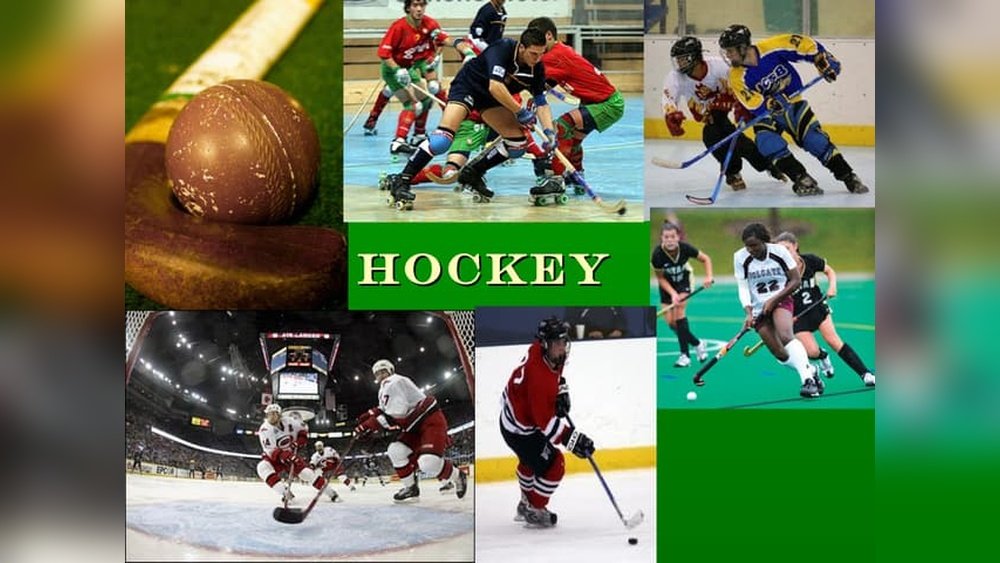
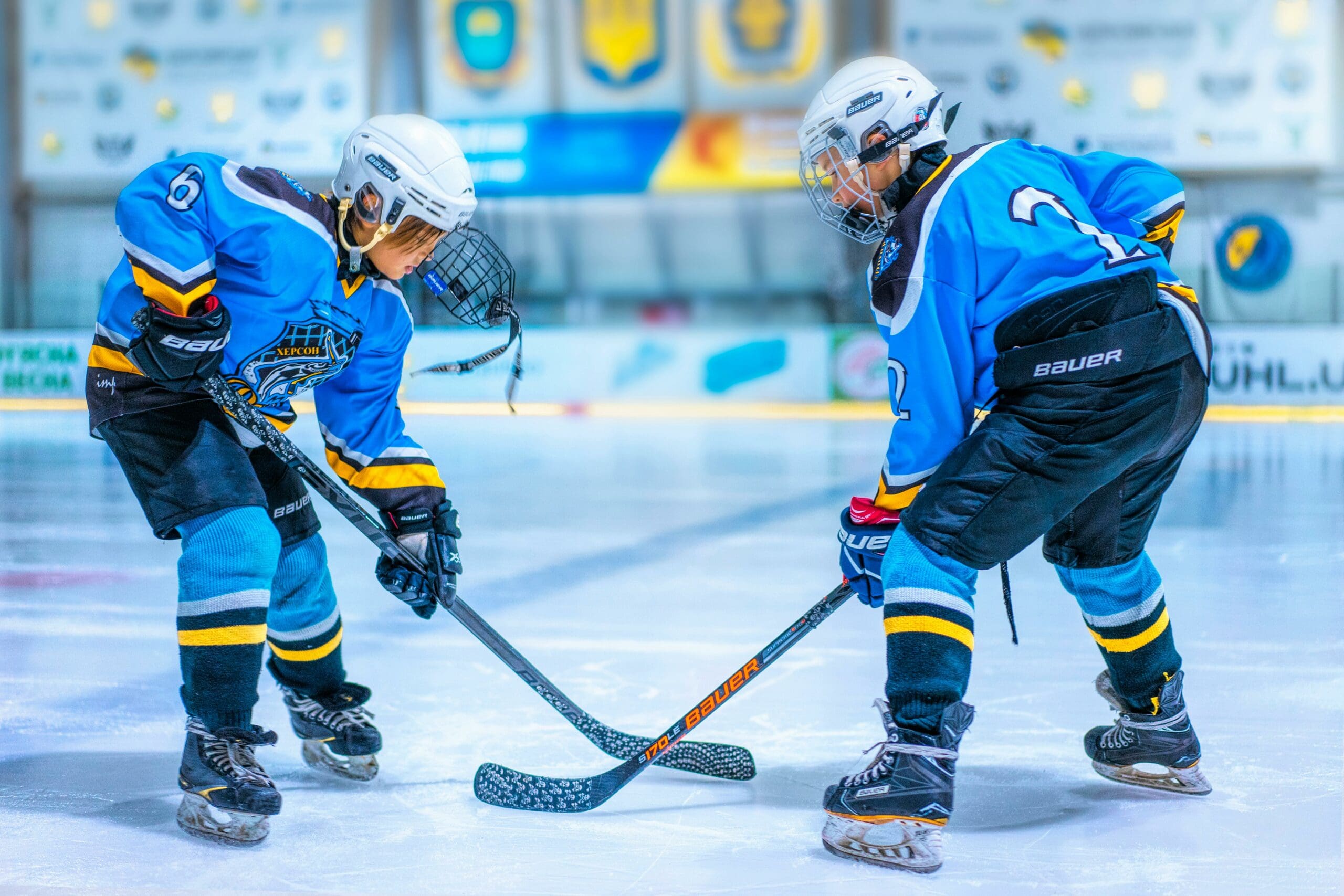
Ice hockey is played on a frozen rink. Players wear skates and use sticks to control a puck. The goal is to score by hitting the puck into the opponent’s net. Teams usually have six players on the ice at a time. The game is fast-paced and physical. Ice hockey is popular in countries with cold climates.
Field Hockey Essentials
Field hockey takes place on grass or artificial turf. Players use curved sticks to hit a small, hard ball. Each team has eleven players on the field. The aim is to score by sending the ball into the opposing team’s goal. Field hockey is widely played in Europe, Asia, and Australia. It requires skillful stick handling and teamwork.
Surface-based Variations
Hockey is a versatile sport played on various surfaces worldwide. Each surface creates a unique style and pace of play. These surface-based variations make hockey accessible to many players regardless of location or climate.
Different surfaces require different equipment and rules. The variations include games played on roller skates, gym floors, streets, large ice fields, and more. Each type offers a distinct experience but shares the core elements of hockey.
Roller Hockey
Roller hockey is played on a hard surface like a gym or outdoor rink. Players wear roller skates instead of ice skates. The game uses a puck or ball, depending on the variant. Roller hockey is fast-paced and popular in areas without ice rinks. It helps players develop stickhandling and skating skills.
Floor Hockey
Floor hockey takes place indoors on a gym floor. It uses lightweight sticks and a plastic puck or ball. This variation is common in schools and recreational centers. Floor hockey is easy to set up and safe for all ages. It emphasizes teamwork and coordination in a controlled environment.
Street Hockey
Street hockey is an informal, outdoor variation played on streets or driveways. Players usually wear regular shoes instead of skates. The game uses a ball or puck and simple sticks. Street hockey encourages creativity and fun with flexible rules. It is accessible to anyone with a stick and open space.
Bandy
Bandy is similar to ice hockey but played on a larger ice surface. Instead of a puck, players use a ball. The game has 11 players per team, like soccer. Bandy is popular in Nordic countries and Russia. It combines speed, teamwork, and long passes on ice.
Ball Hockey
Ball hockey is played off-ice with a ball instead of a puck. It can be indoors or outdoors on hard surfaces. Players wear shoes and use hockey sticks to control the ball. Ball hockey is a popular street and recreational sport worldwide. It allows players to enjoy hockey without ice or skates.
Unique Hockey Forms
Hockey is a versatile sport with many unique variations. These forms add fun and challenge to the traditional game. Each type has special rules and equipment. They show how hockey adapts to different environments and players.
From underwater to unicycles, these hockey forms offer new ways to enjoy the sport. They bring excitement and attract diverse players worldwide.
Underwater Hockey
Underwater hockey is played at the bottom of a swimming pool. Players wear snorkeling gear and use small sticks. They push a weighted puck across the pool floor. It requires breath control and strong swimming skills. The game is fast and physically demanding.
Powerhockey
PowerHockey is designed for players with physical disabilities. It uses power wheelchairs and special sticks. The game is played on a flat indoor surface. Teams compete to score goals using a ball. It promotes inclusivity and competitive spirit.
Unicycle Hockey
Unicycle hockey is played on a hard surface with players riding unicycles. Players use hockey sticks to control a ball or puck. Balance and coordination are crucial skills. The sport is fun and tests riders’ multitasking abilities.
Table Hockey
Table hockey is a fast-paced tabletop game. Players slide small figures to hit a puck into the opponent’s goal. It simulates ice hockey action in a small space. It is popular for friendly competition and skill practice.

Credit: discounthockey.com
Regional Hockey Differences
Hockey varies widely across the world. Different regions favor distinct styles and rules. Understanding these regional hockey differences helps appreciate the sport’s diversity. The type of hockey played often depends on climate, culture, and history. Each region brings its own flavor to the game, creating unique experiences for players and fans.
North American Focus
In North America, ice hockey dominates. Players skate on ice rinks using a puck. The game is fast and physical. The NHL is the most popular league here. Roller hockey and street hockey also have strong followings. These versions adapt hockey for warmer weather or casual play. Ice hockey shapes the region’s hockey culture deeply.
European Preferences
Europe prefers field hockey more than ice hockey. Countries like the Netherlands and Germany lead in field hockey. The sport is played on turf or grass with a ball. The game emphasizes skill, speed, and strategy. Ice hockey is popular in northern parts like Sweden and Russia. Both styles coexist but field hockey has a wider reach.
Global Terminology
The word “hockey” means different things globally. In Canada and the U.S., it means ice hockey. In most other countries, it means field hockey. This difference can confuse new fans. Terms like “floor hockey” or “roller hockey” add more variety. Knowing local terms helps understand the sport better. Hockey’s global nature makes it rich and varied.
Equipment Across Styles
Equipment varies widely across different styles of hockey. Each type needs specific gear designed for its surface and rules. Understanding these differences helps players choose the right tools for the game.
Skates And Sticks
Ice hockey players wear ice skates with sharp blades for smooth gliding. Field hockey players use cleats or turf shoes for firm ground grip. Roller hockey requires roller skates or inline skates. Sticks also vary: ice hockey sticks are typically shorter and thicker. Field hockey sticks have a curved end to control the ball better. Roller and street hockey sticks can be lightweight for easier handling.
Pucks Vs Balls
Ice hockey uses a hard rubber puck that slides on the ice. Field hockey uses a small, hard ball designed for rolling on grass or turf. Roller hockey and street hockey mostly use pucks, but some versions use balls for easier control. Bandy is unique with a larger ball played on ice. The choice between puck or ball affects how players pass and shoot.
Protective Gear
Protective gear depends on the speed and contact level of the hockey style. Ice hockey players wear helmets, shoulder pads, gloves, and shin guards to prevent injuries. Field hockey players wear mouthguards, shin guards, and sometimes helmets. Roller and street hockey players use lighter gear but still wear helmets and pads. The gear ensures safety while maintaining mobility in each hockey style.
Credit: www.alamy.com
Playing Environments
Hockey is played in many different environments. Each setting changes how the game feels and flows. Players adapt their skills to fit the surface and space. Understanding these environments helps appreciate the diversity of hockey styles.
Indoor Arenas
Indoor arenas are common for ice hockey and floor hockey. The controlled temperature keeps ice smooth and fast. Walls or boards surround the rink, keeping the puck or ball in play. Indoor settings allow for fast, physical games with quick action. Lighting and seating make it easier for fans to watch.
Outdoor Fields
Outdoor fields host field hockey and roller hockey. These fields can be grass, turf, or concrete. Weather affects how the game is played. Wind, rain, or sun can change the ball’s speed and direction. Outdoor fields often require larger playing areas. Games here focus on endurance and strategy in open spaces.
Street And Pool Settings
Street hockey is played on roads, driveways, or parking lots. It uses a ball instead of a puck and no skates. Players rely on quick footwork and stick skills. Pool settings feature underwater hockey, played on the bottom with special gear. This unique form tests breath control and swimming ability. Both settings show hockey’s adaptability to unusual places.
Hockey For All Abilities
Hockey is a sport for everyone. It welcomes players of all skill levels and abilities. Different formats make hockey accessible to many people. The game adapts to fit the needs of its players. This creates a space where everyone can enjoy hockey.
Adaptive Sports
Adaptive sports modify hockey rules and equipment for players with disabilities. These changes help players participate safely and effectively. Equipment like special sledges and sticks make the game playable on ice. Adaptive hockey encourages teamwork and physical activity. It builds confidence and social skills for all players.
Parasport Variants
Parasport hockey includes games designed for athletes with physical challenges. Examples include sledge hockey and power hockey. Sledge hockey players sit on sledges and use sticks to move and control the puck. Power hockey uses electric wheelchairs to enable fast-paced play. These variants provide competitive and fun options for many athletes.
Frequently Asked Questions
How Many Different Kinds Of Hockey Are There?
There are two main kinds of hockey: ice hockey and field hockey. Variations include roller, floor, street, bandy, underwater, power, unicycle, and table hockey. Each type differs by playing surface, equipment, and rules.
What Is Non-ice Hockey Called?
Non-ice hockey includes field hockey, roller hockey, floor hockey, street hockey, and bandy. These differ by surface and equipment.
What Are Different Levels Of Hockey?
Hockey has various levels: youth, amateur, collegiate, professional, and international. Each level varies in skill, rules, and competition intensity.
What Are The Big 6 In Hockey?
The Big 6 in hockey are Canada, USA, Russia, Sweden, Finland, and the Czech Republic. They dominate international competitions.
Conclusion
Hockey offers many exciting forms to enjoy. Each type uses different equipment and surfaces. Ice hockey is fast and played on frozen rinks. Field hockey happens on grass or turf with a ball. Roller and street hockey bring the sport to pavement and driveways.
Unique versions like underwater and unicycle hockey add fun twists. Knowing these kinds helps you appreciate the sport’s variety. Anyone can find a hockey style that fits their space and interest. Try one and experience hockey in a new way.