Have you ever watched a hockey game and wondered why some hits result in penalties while others don’t? If you’re curious about one of the most serious infractions on the ice—boarding—you’re in the right place.
Boarding happens when a player violently checks an opponent into the boards, putting safety at risk and changing the flow of the game. Understanding what exactly constitutes a hockey boarding penalty can help you appreciate the rules better, whether you’re a player, coach, or fan.
Keep reading, and you’ll discover what triggers this penalty, why it’s enforced so strictly, and how it impacts the game—and your team’s chances—every time it happens.
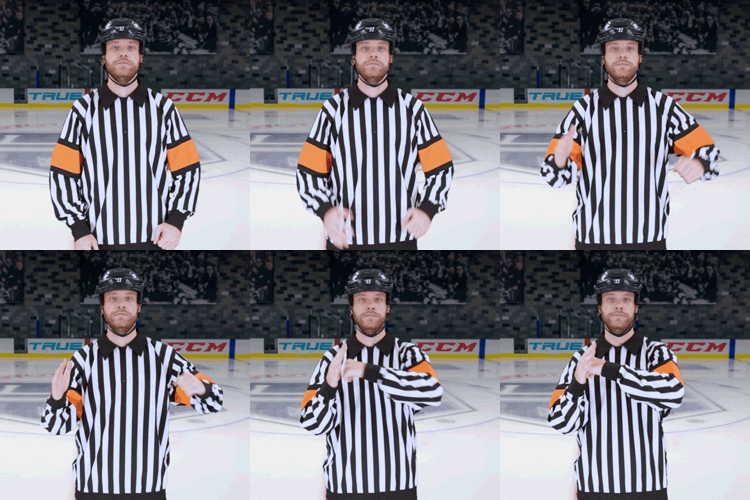
Credit: www.hockeymonkey.com
Boarding In Hockey
Boarding in hockey is a serious penalty focused on player safety. It happens when a player forcefully hits an opponent into the boards. This type of hit can cause injuries because the boards are hard and unforgiving. Understanding boarding helps players and fans recognize dangerous plays and the rules that keep the game safe.
Definition And Criteria
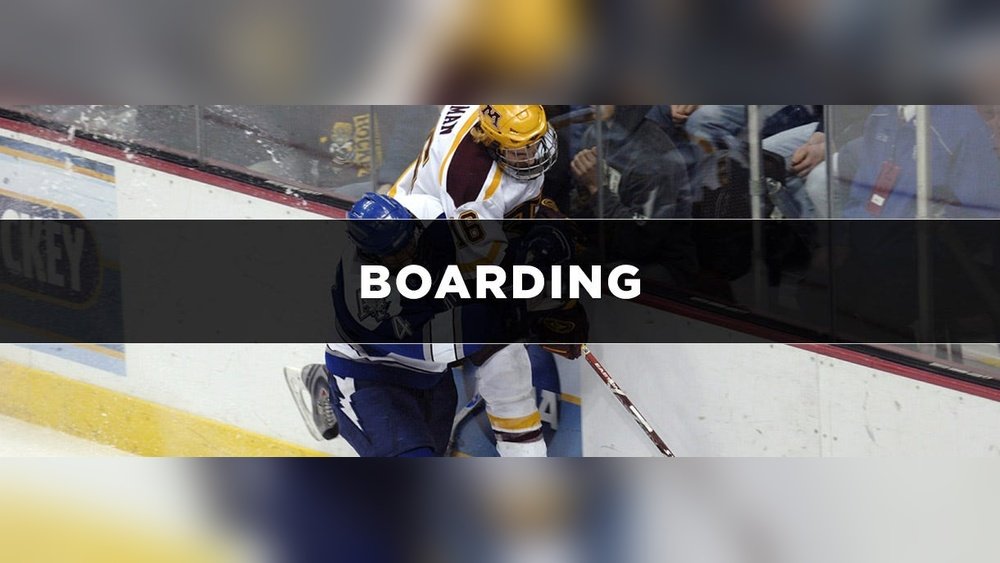
Boarding occurs when a player violently pushes or checks another into the boards. The hit must be forceful and cause the opponent to hit the boards dangerously. The player receiving the hit is often defenseless or not expecting contact. Referees look for the speed of the hit and the opponent’s position. If the hit is reckless or causes injury, referees call boarding.
Differences From Other Penalties
Boarding differs from other penalties like charging or checking. Charging involves a player gaining speed before hitting an opponent. Checking is a legal body contact used to gain control of the puck. Boarding focuses on the location and force of the hit against the boards. It usually involves more danger due to the solid surface. This makes boarding a stricter penalty in many cases.
Examples Of Boarding Hits
A common example is a player driving a defenseless opponent into the boards after a pass. Another example is hitting a player from behind near the boards with high speed. When the hit causes the opponent’s head or body to slam into the boards violently, it is boarding. Referees watch for hits that endanger the player’s safety. These examples clarify what plays referees punish as boarding.
Rules And Penalties
Boarding in hockey involves hitting a player dangerously into the boards. The rules and penalties for boarding protect players from serious injury. Officials watch closely to keep the game safe and fair. Penalties vary by severity and the situation on the ice.
Understanding these rules helps fans and players know what to expect when boarding occurs.
Minor Vs Major Penalties
A minor penalty for boarding usually lasts two minutes. It happens if the hit is less severe or accidental. The player must sit in the penalty box during this time.
A major penalty lasts five minutes. It is given when the hit is forceful or causes injury. The offending player stays off the ice longer, giving the other team an advantage.
Game Misconduct And Match Penalties
Game misconduct means the player is removed for the rest of the game. This penalty is for dangerous or repeated boarding actions. It sends a strong message to avoid unsafe hits.
Match penalties are more serious and include suspension from future games. They apply if the hit was intentional and caused serious harm. Officials use these penalties to keep players safe and maintain order.
League Variations In Enforcement
Different leagues may enforce boarding rules slightly differently. Some leagues are stricter with major penalties and misconducts. Others may focus on education and warnings first.
Understanding local league rules helps players avoid penalties. It also helps fans follow the game better and see how safety is managed.
Player Risks
Boarding in hockey puts players at serious risk of injury. The forceful impact against the boards can cause immediate harm. Players often have little time to protect themselves. This makes boarding one of the most dangerous penalties in hockey.
Understanding the types of injuries helps highlight why strict rules exist. The risks affect different body parts, especially the head and neck. The damage may not only be short-term but also affect players for life.
Injury Types From Boarding
Common injuries include bruises, broken bones, and sprains. The arms, ribs, and legs often take the impact. Players may suffer cuts or deep bruising from hitting the boards hard. Sometimes, the force causes fractures or dislocations.
More severe hits can lead to concussions or internal injuries. These injuries often require immediate medical attention. Players may miss many games recovering from such trauma.
Head And Neck Vulnerabilities
The head and neck area is very vulnerable during boarding. A sudden hit can cause the head to snap or hit the boards. This may lead to concussions or more serious brain injuries.
Neck injuries can include strains, sprains, or even spinal damage. These injuries affect a player’s ability to move or play safely. Proper helmet use helps but does not eliminate risks.
Long-term Health Consequences
Some injuries from boarding have lasting effects on players’ health. Repeated hits increase the chance of chronic pain and brain problems. Conditions like chronic traumatic encephalopathy (CTE) have been linked to boarding impacts.
Long-term effects may include memory loss, headaches, and mood changes. These problems can affect life off the ice as well. Awareness of these risks is crucial for player safety and rule enforcement.
Referee Decisions
Referee decisions in hockey play a crucial role in maintaining player safety and fair play. Boarding penalties are often fast and intense. Referees must judge the situation quickly and accurately. Their calls affect the flow and outcome of the game. Understanding how referees make these decisions helps fans appreciate the complexity of the sport.
Assessing Boarding Situations
Referees watch for forceful checks that push players into the boards. They look at the speed and angle of the hit. Whether the player hit was defenseless matters a lot. The point of contact and the player’s position are key factors. Referees must decide if the hit was avoidable or reckless. Their judgment is based on these observations.
Factors Influencing Penalty Severity
Not all boarding penalties have the same punishment. Referees consider the hit’s violence and player injury. A light board might get a minor penalty. A dangerous hit can lead to a major penalty or game misconduct. Repeat offenders may receive harsher penalties. The referee’s goal is to discourage unsafe play.
Controversial Calls And Reviews
Boarding calls often spark debate among players and fans. Some hits appear borderline and hard to call. Referees use video reviews to check their decisions. These reviews help confirm or change the call. Controversial calls can influence the game’s momentum. Still, referees aim for fairness and player protection above all.
Prevention And Safety
Preventing boarding penalties in hockey is essential for player safety. Boarding happens when a player violently hits another into the boards. Such hits can cause serious injuries. Safety starts with teaching proper techniques and awareness. Players and coaches must work together to reduce risks on the ice.
Safe Checking Techniques
Players should learn to check safely without forceful impacts. Proper body control helps avoid dangerous hits. Checking must target the opponent’s torso, not the head or back. Avoid hitting players near the boards with excessive speed. Controlled checks reduce the chance of boarding penalties and injuries.
Player Awareness And Positioning
Players must stay alert and know their surroundings. Good positioning helps avoid vulnerable spots near the boards. Defenders should watch opponents’ movements to anticipate hits. Awareness allows players to protect themselves from dangerous checks. Staying balanced and ready reduces the risk of boarding.
Role Of Coaching And Training
Coaches play a key role in teaching safety rules. Training sessions should focus on legal checking and respect. Coaches must emphasize discipline to avoid reckless behavior. Drills that simulate game situations prepare players for safe play. Continuous education helps players understand the consequences of boarding.

Credit: www.flohockey.tv
Impact On The Game
The boarding penalty has a strong impact on hockey games. It affects player safety and how the game flows. This penalty helps keep players cautious near the boards. It aims to reduce serious injuries from dangerous hits. Understanding this penalty shows why it matters a lot in hockey.
Effect On Player Behavior
Players change how they hit near the boards because of boarding rules. They avoid pushing opponents violently into the boards. This keeps the game safer for everyone. Players learn to check fairly and avoid penalties. The fear of being penalized helps reduce risky plays. It promotes respect and caution during physical contact.
Changes In Rules Over Time
Boarding rules have changed to protect players better. Earlier, penalties were less strict and less common. Now referees call boarding more often and with harsher punishments. The NHL and other leagues updated rules to lower injuries. Video reviews also help referees decide boarding calls. These changes make hockey safer and fairer today.
Boarding Penalty Statistics
Statistics show boarding penalties happen less in recent years. Increased awareness and rule changes contribute to this drop. Data reveals fewer injuries from boarding in top leagues. Teams with fewer boarding penalties often win more games. Tracking these stats helps leagues improve player safety. It also guides coaches on training players to avoid penalties.
Credit: thehockeywriters.com
Frequently Asked Questions
What Is The Difference Between Checking And Boarding In Hockey?
Checking in hockey is a legal body contact to gain puck control. Boarding occurs when a player violently hits a defenseless opponent into the boards, causing danger or injury, and results in a penalty.
What Is The Difference Between Boarding And Charging?
Boarding occurs when a player violently drives a defenseless opponent into the boards. Charging involves building speed or momentum before delivering a hit. Boarding focuses on the impact location, while charging emphasizes the method and approach of the hit.
What Is The Rarest Penalty In Hockey?
The rarest penalty in hockey is the “Too Many Men on the Ice” infraction. It occurs when a team has more players than allowed during play. This penalty is uncommon due to strict player substitution rules and referee vigilance. It results in a minor penalty and power play for the opposing team.
Is Boarding A 5 Minute Major?
Yes, boarding in hockey can result in a 5-minute major penalty if the hit is severe or causes injury.
Conclusion
Boarding penalties keep hockey safe and fair for all players. Players must avoid dangerous hits near the boards. Referees watch closely to protect defenseless players. Penalties help reduce injuries and maintain respect. Understanding boarding rules improves your hockey knowledge. Stay alert and play with care on the ice.
Safety comes first in every hockey game.