Have you ever wondered just how cold hockey arenas really are? Whether you’re heading to your first live game or just curious about the environment players and fans experience, knowing the temperature inside these arenas can make a big difference.
You might be asking yourself: Do I need to bundle up? How should I dress to stay comfortable? This article will take you inside the chilly world of hockey arenas and give you all the answers you need. Keep reading to discover the surprising facts about arena temperatures and learn smart tips to keep warm while enjoying the fast-paced excitement on the ice.
Arena Temperatures
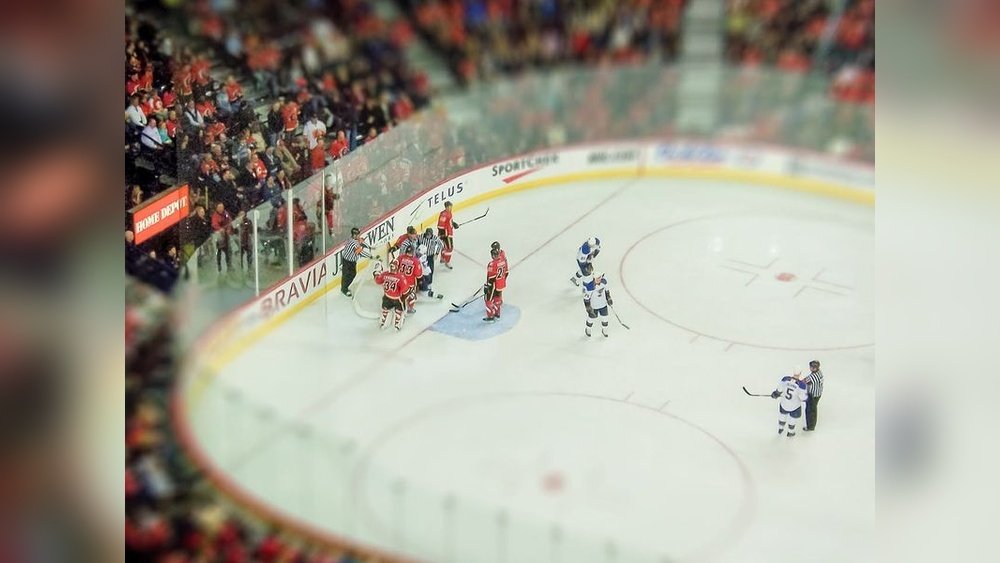
Hockey arenas are known for their cold atmosphere. The ice must stay frozen for the game to happen. This keeps the air around the rink chilly. Fans and players feel this cold throughout the event. Understanding arena temperatures helps you dress right and stay comfortable.
The temperature in hockey arenas varies by many factors. These include the size of the arena, how well it is insulated, and the number of people inside. The cold air is necessary to keep the ice in top shape. Let’s explore how cold these arenas really are.
Typical Temperature Range
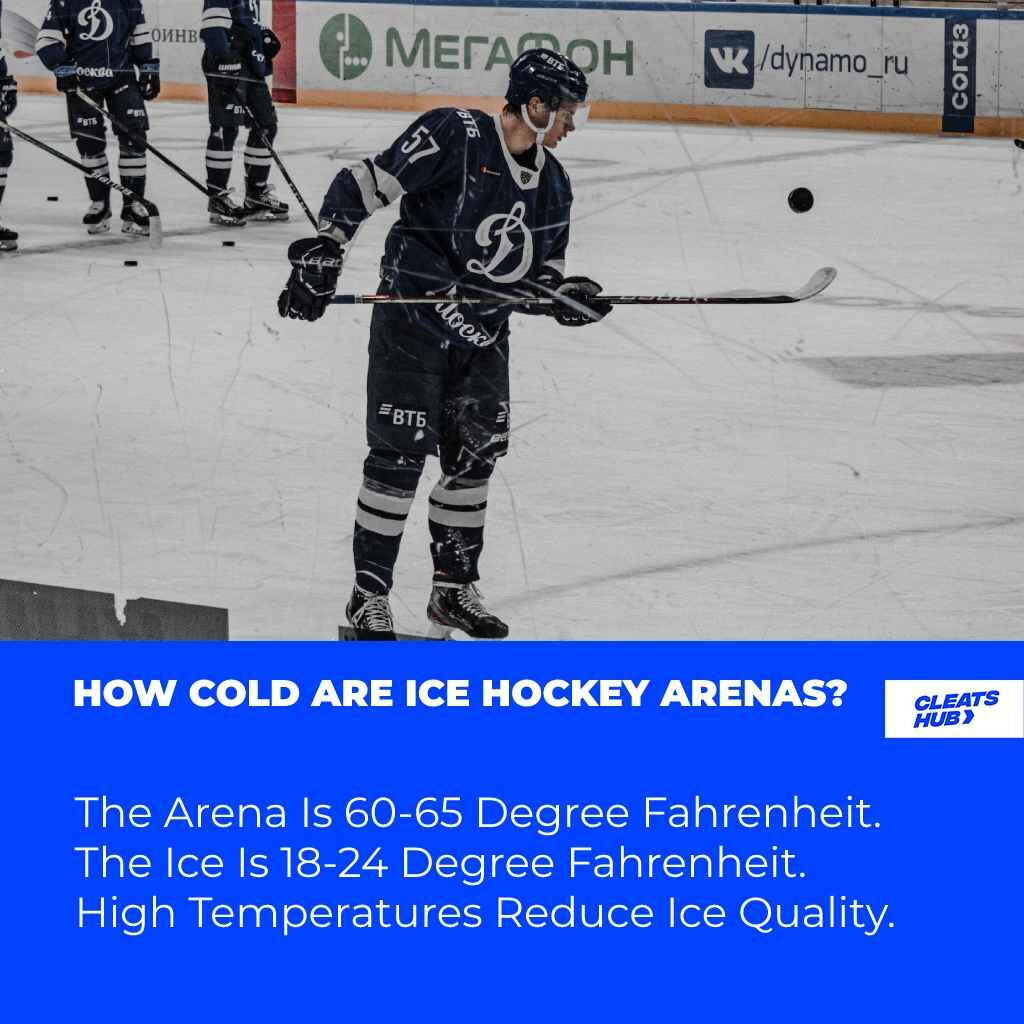
Most hockey arenas keep the air temperature between 50°F and 60°F (10°C to 15°C). This range helps keep the ice solid and smooth. The ice surface itself is much colder, usually around 24°F (-4°C). Spectators sitting close to the ice will feel colder than those higher up.
Factors Affecting Coldness
Arena temperature changes due to several reasons. The number of fans in the stands adds body heat, raising the temperature slightly. The quality of the arena’s cooling system also matters a lot. Older arenas may feel colder because they lack modern insulation. Air circulation and humidity control affect how cold the air feels too.
Differences Between Nhl And Local Arenas
NHL arenas use advanced technology to control temperature precisely. They keep the ice perfect and the air comfortable for fans. Local arenas may have less control and feel colder or more humid. NHL arenas are often larger with better heating systems for the seating areas. Local rinks might feel colder because they focus mainly on ice quality.
Ice Maintenance And Cooling
Maintaining the ice in hockey arenas requires precise cooling and constant care. The ice must stay hard and smooth for safe play. This depends on the ice maintenance and cooling systems working perfectly. These systems keep the ice frozen and control the air temperature in the arena. Understanding how these systems work helps explain why hockey arenas feel so cold.
How Ice Is Kept Frozen
The ice surface is frozen using a network of pipes beneath it. These pipes carry a chilled liquid that absorbs heat from the ice. This process removes warmth and keeps the ice solid. Ice resurfacers, like Zambonis, smooth the ice and add a thin layer of water. This water freezes quickly, keeping the surface fresh and even.
Cooling Systems Used
Most hockey arenas use refrigeration systems with glycol or ammonia as coolants. These coolants move through pipes under the ice, absorbing heat. Large chillers cool the liquid before it circulates again. Air conditioners keep the arena air cold and dry. This prevents ice from melting and controls humidity, which can affect ice quality.
Impact On Air Temperature
The cooling systems lower the air temperature near the ice surface. Arena air usually stays between 50 and 60 degrees Fahrenheit. Closer to the ice, it feels colder due to cold air sinking. Fans sitting near the ice will feel much cooler than those higher up. This chilly air helps keep the ice in perfect condition during games.
Seating And Cold Zones
Hockey arenas have different temperature zones depending on seating. Some seats feel much colder because of their proximity to the ice. Others stay warmer higher up in the stands. Understanding these cold zones helps fans dress right and enjoy the game.
Temperature changes inside arenas come from how air moves and where you sit. The cold air near the ice makes lower seats chillier. Upper seats catch warmer air but still feel cool. This seating and airflow pattern creates a mix of cold zones.
Coldest Seats Near The Ice
Seats closest to the ice are the coldest in the arena. The ice surface keeps the air temperature very low nearby. Fans sitting here often feel the cold air blowing right at them. Wearing warm layers is important in these spots. Gloves and hats help protect from the chill. The cold air can make it hard to stay warm without proper clothing.
Warming In Upper Levels
Higher seats in the arena are usually warmer than those near the ice. Warm air rises and collects in the upper levels. This air is still cool but less biting than down below. Fans in these seats often need lighter layers. It is a good balance of comfort and view. Still, wearing a jacket or sweatshirt is smart during games.
Airflow And Temperature Variation
Air moves around the arena in patterns that affect temperature. Cold air sinks and flows outward from the ice. Warmer air rises and stays higher up in the stands. This creates pockets of different temperatures throughout the seating areas. Some spots feel colder or warmer depending on the airflow. Fans should expect slight temperature swings during the game.
Credit: cleatshub.com
Dressing For Hockey Games
Hockey arenas stay cold to keep the ice frozen and safe for players. Spectators must dress warmly to enjoy the game without discomfort. Choosing the right clothes helps you stay cozy despite the chill. Preparing for the cold improves your overall experience at the rink.
Layering Clothes
Wear several layers to trap heat and stay warm. Start with a thin base layer like a thermal shirt. Add a sweater or hoodie as a mid-layer for insulation. Finish with a medium-weight jacket you can remove if needed. Layers let you adjust your warmth throughout the game.
Warm Accessories
Protect your head, hands, and neck with warm accessories. A knit hat or beanie keeps your head heat in. Gloves or mittens stop your hands from getting cold. A scarf shields your neck from chilly air near the ice surface. Accessories make a big difference in comfort.
Footwear Tips
Wear thick, warm socks made of wool or thermal fabric. These socks keep your feet dry and insulated. Choose closed-toe shoes with good grip to prevent slipping. Boots with insulation work well for very cold arenas. Proper footwear keeps your feet warm and stable during the game.
Staying Comfortable
Hockey arenas stay cold to keep the ice frozen and smooth. This makes the air chilly for fans too. Staying comfortable in these cold places is important. Wearing the right clothes helps, but there are other simple ways to keep warm. Small tricks can make a big difference while watching the game.
Bringing Hot Drinks
Hot drinks warm your hands and body quickly. Coffee, tea, or hot chocolate are great choices. Carry them in a thermos to stay warm for longer. Sipping hot drinks keeps you cozy between the cold arena air. This simple step can make your experience much better.
Using Seat Pads
Cold seats can make you feel colder fast. A seat pad adds a layer between you and the cold bench. Look for insulated or heated pads for extra warmth. They are easy to carry and use. Seat pads help keep your body heat from escaping through the seat.
Managing Body Heat
Wear layers to control your body heat. Start with a thin base layer to trap warmth close to your skin. Add a sweater or hoodie for insulation. Remove layers if you feel too warm. Keep your head, hands, and feet covered to reduce heat loss. Moving your body during breaks also helps keep warm.

Credit: www.hockeymonkey.com
Differences In Ice Rinks
Ice rinks vary widely in their temperature and environment. These differences affect how cold a hockey arena feels. Factors like the type of rink, its location, and construction play key roles. Understanding these helps fans and players prepare better for the cold.
Recreational Vs Professional Arenas
Recreational ice rinks are usually smaller and less insulated. They may not have advanced temperature control systems. As a result, these rinks often feel colder near the ice surface. Professional arenas use high-tech cooling and heating systems. These keep the air temperature more stable and comfortable. The ice remains cold, but the surrounding air is warmer for spectators.
Indoor Vs Outdoor Rinks
Indoor rinks protect the ice and players from wind and weather. The temperature stays consistent and cold inside. Outdoor rinks face direct exposure to sun, wind, and weather changes. Their coldness depends on the outdoor climate and time of day. Outdoor rinks can feel much colder due to wind chill. Indoor rinks offer a more controlled, less harsh cold experience.
Climate Impact On Coldness
Rinks in colder climates tend to feel colder overall. The outside air temperature influences the rink’s indoor environment. In warmer areas, arenas work harder to maintain ice temperature. This can cause the air to feel less cold inside. Some rinks in warm climates use extra insulation. This helps keep the ice solid and the air cool. Climate plays a major role in the coldness of hockey arenas.
Surprising Facts
Hockey arenas keep the ice frozen, so they stay quite cold inside. Many people expect the whole rink to be freezing, but some spots are surprisingly chillier than others. Players and staff have clever ways to stay warm despite the cold air. Technology also helps maintain the right temperature for the game and spectators.
Unexpected Cold Spots
Not all areas inside a hockey arena have the same temperature. The seats closest to the ice are the coldest. Cold air sinks and stays near the ice surface. Visitors sitting there often feel a sharp chill. Locker rooms can also be cold, as they connect directly to the ice area. Surprisingly, some upper-level seats might feel warmer due to heat rising from the crowd and lighting.
How Players Stay Warm
Players wear special gear to keep their bodies warm. Their uniforms include thermal layers under the pads. Warm-up exercises before the game raise body temperature. Between periods, players use heated benches and wear blankets. These methods help prevent muscles from stiffening. Staying warm is important to avoid injuries and perform well.
Technological Advances
Modern arenas use advanced cooling systems to control ice temperature. Sensors monitor the ice and air continuously. This technology ensures the ice stays hard but not too cold. Heating systems keep spectator areas comfortable without melting the ice. LED lighting reduces heat production compared to older bulbs. These innovations balance player needs and fan comfort.

Credit: xbotgo.com
Frequently Asked Questions
Do You Need To Dress Warm For A Hockey Game?
Yes, dress warmly for a hockey game. Wear layered clothing and protect extremities, as arenas stay cold near the ice surface.
How Warm To Dress For An Ice Rink?
Dress in warm, flexible layers: start with a thermal shirt, add a fleece or sweater, and wear long pants or leggings. Use gloves, thin moisture-wicking socks, and a beanie or helmet. Layering helps adjust warmth during skating. Choose comfortable, non-bulky clothing for easy movement on the ice.
How Cold Are Ice Rinks Usually?
Ice rinks usually maintain temperatures between 24°F (-4°C) and 29°F (-2°C) to keep the ice solid. Arena air temperatures range from 50°F (10°C) to 60°F (15°C), requiring warm clothing for comfort.
How To Dress For Ice Hockey?
Wear layered, warm clothing including a thermal base, mid-layer fleece or sweater, and a light jacket. Use long pants or leggings for flexibility. Protect extremities with gloves, warm socks, and a hat or beanie. Choose comfortable, closed-toe shoes and dress according to your seating near the ice.
Conclusion
Hockey arenas stay cold to keep the ice solid and smooth. Temperatures usually range between 50 to 60 degrees Fahrenheit for spectators. Sitting close to the ice feels chillier due to cold air near the surface. Dressing in layers helps you stay comfortable during the game.
Warm socks, hats, and gloves protect your hands and feet. Bringing a warm drink can make the experience nicer. Knowing the arena’s temperature prepares you for a fun and cozy hockey visit.