
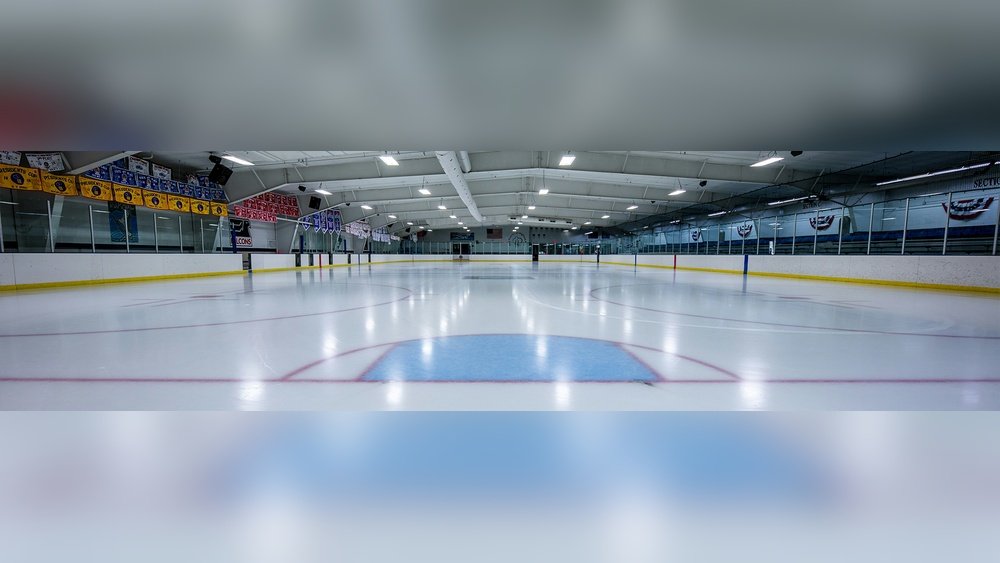
Have you ever wondered just how cold it really gets inside a hockey arena? If you’re planning to watch a game or step onto the ice yourself, knowing the temperature can help you prepare and stay comfortable.
Inside these arenas, the air isn’t just chilly—it’s carefully controlled to keep the ice perfect for the fast-paced action you love. But how cold is it exactly? And how should you dress to enjoy the game without shivering? Keep reading, because we’re about to reveal the surprising facts about hockey arena temperatures and share simple tips to keep you warm, whether you’re in the stands or on the sidelines.
Don’t let the cold catch you off guard!
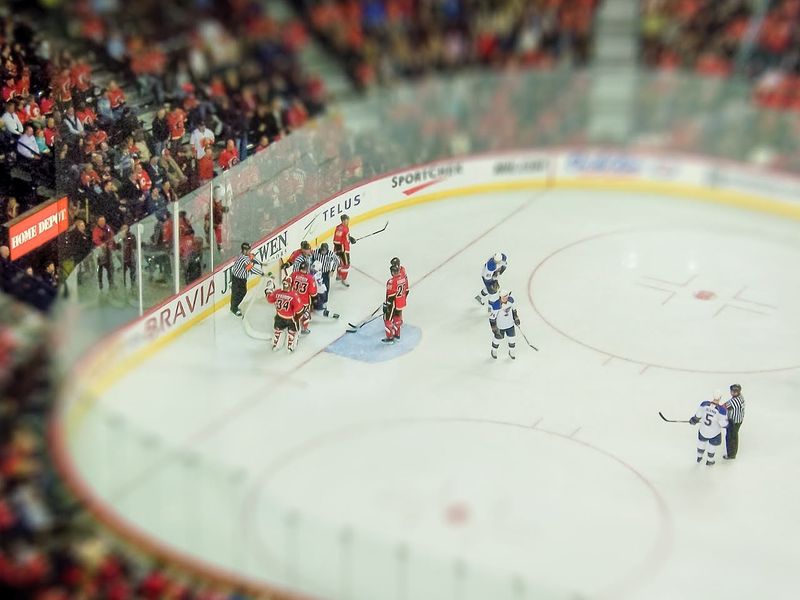
Credit: www.sportsgearswag.com
Ice Temperature Basics
Understanding the temperature inside a hockey arena starts with knowing the basics of ice temperature. The ice must stay cold enough to remain solid and smooth for the game. At the same time, the air temperature around the ice affects player comfort and audience experience. Managing these temperatures is a careful balance.
Standard Ice Rink Temperatures
The ice surface temperature usually stays between 24°F and 26°F (-4°C to -3°C). This range keeps the ice firm and safe for skating. The air temperature inside the arena is warmer, typically between 50°F and 60°F (10°C to 15°C). This difference helps prevent the ice from melting while keeping spectators comfortable.
Why Ice Needs To Stay Cold
Cold ice ensures smooth skating and fast puck movement. If the ice gets too warm, it becomes soft and sticky. This slows down players and increases the risk of injury. Cold ice also prevents cracks and holes that can disrupt the game. Maintaining the right temperature is critical for game quality and player safety.
Arena Air Temperature
Hockey arenas maintain cold air temperatures to keep the ice frozen and smooth. The air inside feels chilly compared to typical indoor places. Understanding arena air temperature helps fans dress properly and enjoy the game comfortably.
Temperature control balances the needs of players, ice quality, and spectators. Cold air surrounds the rink, but temperatures can change depending on where you sit. Let’s explore typical air temperatures near the ice and how they vary across different seating areas.
Typical Air Temps Near Ice
Near the ice, air temperatures usually range from 50 to 60 degrees Fahrenheit. This cooler air prevents the ice from melting during the game. Fans sitting close to the rink often feel the chill more intensely. The cold air can be sharp, especially if you stay still for a long time.
Some arenas keep the air closer to 55 degrees, creating a crisp environment. This temperature ensures good ice quality and keeps players comfortable on the ice. The air may feel damp as cold air holds less moisture, adding to the chilly sensation.
Temperature Variations By Seating
Seats farther from the ice are often warmer than those near the rink. Higher seats may feel closer to 65 or even 70 degrees Fahrenheit. The warm air rises and mixes with cooler air near the ice surface.
Enclosed sections or suites may have their own heating systems. This allows for a more comfortable experience for fans wanting to avoid the cold. However, open seating near the ice offers the best view but the coldest air.
Choosing your seat depends on your comfort with cold temperatures. Layering clothes helps manage these changes as you move around the arena. Knowing these differences can make your hockey game visit more enjoyable.
Factors Affecting Cold Inside Arenas
The cold inside a hockey arena does not come from just the ice. Several factors influence the temperature felt by spectators and players. Understanding these helps explain why some areas feel colder or warmer than others. These factors affect the overall comfort and experience inside the arena.
Temperature control in hockey arenas is a balance. It involves managing ice quality and audience comfort. Let’s explore key elements that impact the cold inside these arenas.
Impact Of Crowd Heat
People generate heat naturally. A large crowd can raise the temperature in the seating areas. The body heat from thousands of fans warms the air around them. This warmth can reduce the chill felt near the ice. However, areas closer to the rink stay colder because of the frozen surface.
The more packed the arena, the more heat is produced. This heat can slightly offset the cold from the ice. But it rarely makes the arena feel warm. Fans often dress in layers to stay comfortable.
Ventilation And Humidity Effects
Arena ventilation systems control airflow and humidity. Proper ventilation moves cold air and prevents moisture buildup. High humidity can make the cold feel sharper. It also affects ice quality and safety.
Dry air feels less cold than moist air at the same temperature. Ventilation helps keep the air dry and fresh. It also removes excess heat from the crowd. This system keeps the arena cold but tolerable for everyone inside.

Credit: www.hockeymonkey.com
What Fans Experience
Attending a hockey game means more than just watching fast action on ice. Fans also experience a unique chill inside the arena. The cold air keeps the ice smooth and players ready. But it also affects the audience. Understanding this helps fans prepare and enjoy the game comfortably.
Temperature changes inside a hockey arena are noticeable. Fans feel the cold more in some areas than others. The time of the game also shifts how cold it feels. Let’s explore what fans really experience during a hockey match.
Feeling The Chill In Different Sections
Seats near the ice are the coldest. The cold air stays close to the ice surface. Fans sitting here feel the chill quickly and deeply. Upper decks feel warmer since heat rises. The farther from the ice, the less cold it feels. Some arenas use heated seats in certain sections. Dressing in layers helps fans adjust to these temperature differences.
How Time Of Game Changes Temperature
At the start, arenas feel cooler. The ice is fresh and the chill is strong. As the game goes on, the temperature may rise slightly. Body heat from players and fans adds warmth. During breaks, the cold can feel sharper again. Late in the game, fans might feel more comfortable. But near the ice, the chill remains steady throughout.
Dressing For Comfort
Hockey arenas stay cold to keep the ice solid. Dressing right helps you enjoy the game without feeling frozen. Wearing proper clothes keeps you warm and comfortable inside the chilly arena.
Choosing the right outfit means thinking about layers, accessories, and footwear. Each part plays a role in protecting you from the cold air near the ice.
Layering Strategies
Start with a thin base layer like a thermal shirt. It traps heat close to your body.
Add a mid-layer such as a fleece or hoodie for extra warmth. This layer insulates and keeps cold air out.
Top it off with an outer layer like a jacket or team jersey. This layer blocks wind and lets you adjust your warmth.
Layers let you remove clothing if you get too warm or add if it gets colder.
Essential Accessories
Wear a hat to keep your head warm. Most body heat escapes from your head.
Gloves protect your hands from the cold air. Choose insulated gloves for the best comfort.
A scarf or neck warmer stops cold air from sneaking in around your neck. It also adds a cozy touch.
These small items make a big difference in how warm you feel.
Footwear Tips
Wear thick socks made of wool or synthetic fabric. They keep your feet warm and dry.
Choose closed-toe shoes or boots with good insulation. Avoid sandals or light shoes.
Make sure your shoes fit well. Tight shoes reduce circulation and make your feet colder.
Warm feet help your whole body stay comfortable inside the arena.

Credit: www.fansidea.com
Keeping Warm Without Missing The Action
Staying warm inside a hockey arena can be a challenge. The ice keeps the air cold, often below 60°F (15°C). Fans want to enjoy the game without shivering. Simple tricks can help you keep cozy while watching every play.
Use smart methods to stay warm without missing the action. These tips help you focus on the game, not the chill.
Using Hand Warmers
Hand warmers are small packets that produce heat when exposed to air. Slip them into your gloves or pockets. They provide warmth for several hours. Using hand warmers keeps your fingers nimble and warm. This way, you can cheer and hold your snacks comfortably. They are lightweight and easy to carry. Hand warmers are a great way to fight the cold without bulky clothes.
Choosing Seat Locations Wisely
Seat location inside the arena affects how cold you feel. Seats closer to the ice are colder. Higher seats or those near heating vents offer more warmth. Sitting near a wall can block cold drafts. Avoid seats directly above the ice if possible. Try to find spots with good views and moderate temperatures. Choosing your seat carefully helps you enjoy the game comfortably.
Comparing Arenas Around The World
Hockey arenas around the world vary in temperature based on design and location. Fans and players often wonder how cold these places get during games. Understanding the differences helps prepare for a visit or event. The temperature inside depends on several factors. Comparing arenas reveals interesting contrasts that affect comfort and ice quality.
Indoor Vs Outdoor Rinks
Indoor rinks keep the ice frozen with controlled temperatures. They usually stay between 16°F and 24°F (-9°C to -4°C). The air above the ice is colder to prevent melting. Fans inside feel the chill but stay protected from wind and weather. Outdoor rinks rely on natural cold. Their temperature varies with the weather and time of day. They can feel much colder due to wind and lack of shelter. Playing or watching hockey outdoors can be a true winter experience. The temperature swings make outdoor rinks less predictable but more exciting.
Climate Influence On Arena Temperatures
Arenas in colder climates keep ice easily with less energy. Northern countries like Canada, Russia, and Sweden have very cold arenas. They may not need to cool the air as much as warmer places. In warmer climates, such as parts of the United States or Europe, arenas must work harder. They lower the temperature inside to maintain ice quality. This means the air can feel colder than outside. Humidity also plays a role. Dry air feels colder and helps keep the ice firm. Moist air can make the arena feel damp and chilly. Climate affects both the ice and the comfort of everyone inside.
Frequently Asked Questions
How Warm Should I Dress For A Hockey Game?
Dress warmly in layers: start with a thermal base, add a hoodie, then a jersey or jacket. Wear warm socks, closed-toe shoes, and accessories like a hat, gloves, and scarf. Adjust layers as needed since arenas near the ice can be quite cold.
What’s The Temperature In Hockey Rinks?
Hockey rink temperatures typically range between 50°F and 60°F (10°C to 16°C) to keep the ice solid. Air near the ice can feel colder, around 40°F (4°C). Dressing in layers helps you stay comfortable during games or practice.
How Cold Is The Air In A Hockey Rink?
The air in a hockey rink typically stays between 50°F to 60°F (10°C to 15°C). It feels chilly to keep the ice solid. Fans should dress warmly with layers for comfort during the game.
How To Dress For A Hockey Arena?
Dress in layers: wear a thermal base, a warm mid-layer, and a removable jacket or jersey. Add gloves, a hat, warm socks, and closed-toe shoes for comfort near the ice.
Conclusion
Hockey arenas stay cold to keep the ice smooth and safe. Temperatures usually range from 50 to 60 degrees Fahrenheit for fans. Dressing in layers helps you stay comfortable during the game. Wear warm socks, gloves, and a hat if you sit near the ice.
Remember, the closer you are to the rink, the colder it feels. Being prepared lets you enjoy the excitement without feeling too chilly. Next time you visit, you’ll know exactly how cold it can get inside a hockey arena. Stay warm and have fun!