Are you struggling to make solid contact with your irons or wondering why your shots sometimes slice or hook unexpectedly? One simple yet powerful factor could be your iron ball position.
Getting your ball in the right spot can transform your swing, boost your accuracy, and help you hit crisp, consistent iron shots every time. You’ll discover easy-to-follow tips on where exactly to place the ball for each iron, how small adjustments can fix common problems, and the secrets many pros use to master their iron shots.
Keep reading, and you’ll learn how to take control of your ball position to lower your scores and enjoy the game more than ever.
Credit: golfupnorth.com
Ball Position Basics
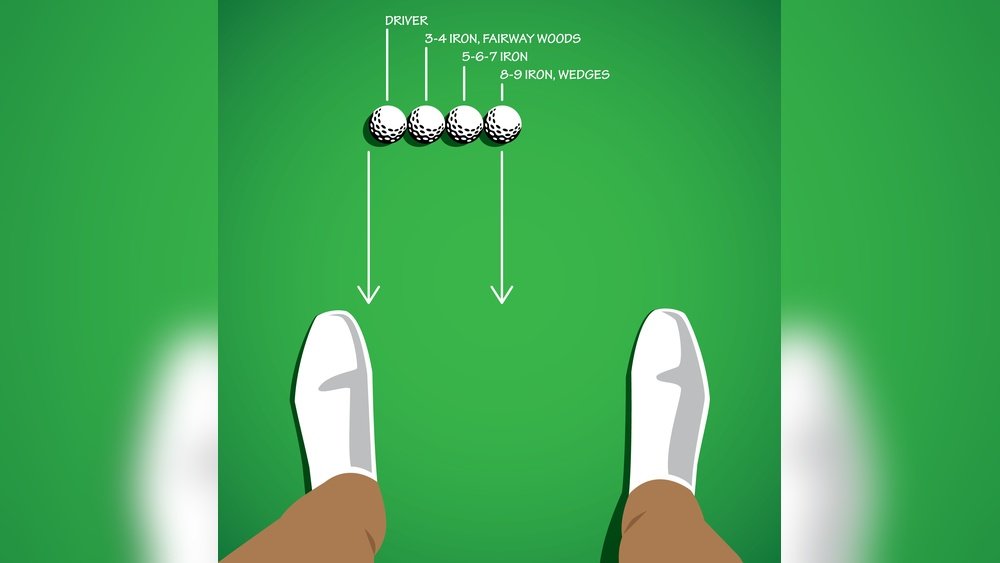
Ball position is a key part of a good golf swing. Where you place the ball affects how you hit it. Small changes can cause big differences in your shot. Understanding the basics helps you control your iron shots better.
Each iron club may need a different ball position. This helps you make cleaner contact and improve distance. Let’s explore how center and forward placements change your swing. Also, see how ball position affects your swing path and consistency.
Center Vs Forward Placement
Placing the ball in the center of your stance suits most iron shots. It helps you hit the ball first, then the ground. This creates a solid, crisp strike. Forward placement moves the ball closer to your front foot.
This forward spot works well for longer irons and fairway woods. It promotes a sweeping swing, hitting the ball on the upswing. Center placement offers more control. Forward placement gives more distance but less control.
Impact On Swing Path
Ball position changes your swing path and angle of attack. When the ball is center, your swing is more downward. This helps compress the ball with irons. Forward ball position encourages a more level or upward swing path.
This can increase launch angle and reduce spin. Adjusting the ball position shifts how your clubhead meets the ball. It influences both direction and height of your shot. Finding the right spot helps you shape shots better.
Role In Consistency
Consistent ball position leads to better, repeatable shots. Hitting the ball from the same spot builds muscle memory. This reduces mishits and improves accuracy. Changing your ball position often causes unpredictable results.
Choose a reliable ball position for each iron. Practice it until it feels natural. Consistency in ball placement supports solid contact and confidence on the course.
Credit: golf-info-guide.com
Position By Iron Type
In golf, the position of the ball changes depending on the iron you use. Each iron type requires a slightly different ball position. This helps you hit the ball cleanly and control its flight. Understanding where to place the ball can improve your shots with every iron in your bag.
Short Irons
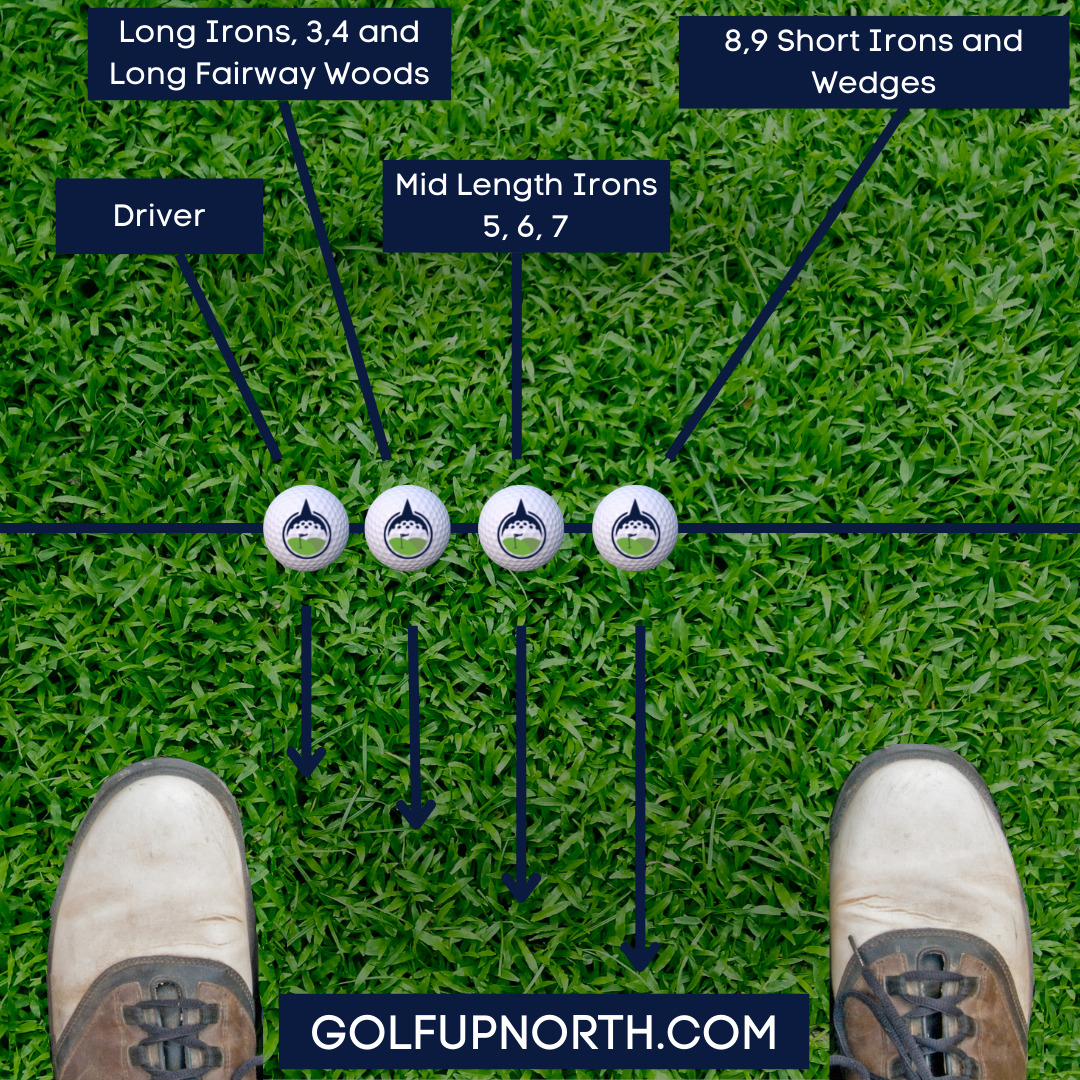
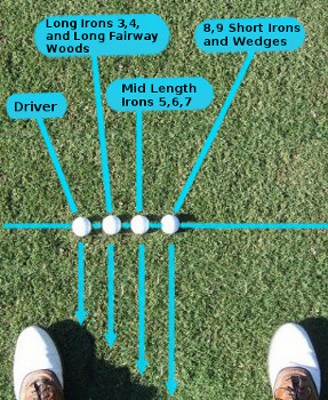
Short irons include clubs like the 8, 9, and pitching wedge. Place the ball near the center of your stance with these irons. This position allows for a steep, downward strike on the ball. It helps create more backspin and better control of your shot.
Mid Irons
Mid irons range from 5 to 7 irons. Position the ball slightly forward of center, closer to your lead foot. This setup promotes a balanced strike, allowing the club to hit the ball before the ground. It helps achieve a good mix of distance and accuracy.
Long Irons
Long irons include 3 and 4 irons. Place the ball well forward in your stance, near the inside of your lead foot. This forward position helps you sweep the ball off the turf. It encourages a smoother, more powerful swing to cover longer distances.
Pro Techniques
Pro techniques for iron ball position focus on precision and consistency. Pros use clear reference points to place the ball correctly. Small adjustments to stance and foot placement improve shot accuracy. Learning from famous golfers reveals practical ways to set the ball for each iron shot.
Lead Foot Reference
Pros often use the lead foot as a reliable reference point. Placing the ball relative to the lead foot creates a consistent swing path. For short irons, the ball sits near the center of the stance. For longer irons, it moves closer to the lead foot. This method helps control ball flight and spin.
Stance Width Adjustments
Stance width changes depending on the iron used. Narrower stances suit short irons for better control. Wider stances fit longer irons, offering stability and power. Adjusting stance width helps maintain balance throughout the swing. This technique improves shot consistency and distance control.
Famous Golfer Examples
Many top golfers adjust ball position for different shots. Tiger Woods places the ball slightly forward for his mid-irons. Phil Mickelson often shifts the ball back for high-lofted wedges. Observing these pros shows how small changes affect shot shape and height. Copying their setups can improve your own iron play.
Fixing Common Issues
Fixing common issues in iron ball position golf improves shot accuracy and consistency. Small tweaks can prevent slices and hooks. Proper ball placement enhances clubface control. Below are key adjustments for typical problems.
Adjusting For Slice
A slice causes the ball to curve right for right-handed players. Move the ball slightly back in your stance. This helps square the clubface at impact. Also, focus on a smooth, inside-to-out swing path. Avoid an open clubface during the swing.
Adjusting For Hook
A hook makes the ball curve left for right-handed players. Shift the ball slightly forward in your stance. This change encourages a more neutral clubface. Check your grip pressure; too tight grips cause hooks. Work on swinging along a straighter path.
Ball Position And Clubface Control
Ball position affects how the clubface meets the ball. Centering the ball promotes square contact. Forward ball position can close the clubface early. Backward ball position may leave it open. Consistent ball placement leads to better control and shot quality.
Swing Tips For Iron Shots
Iron shots demand precision and control. Improving your swing can lead to better ball contact and consistent results. Simple adjustments in your swing help manage the ball position and flight path effectively. Below are key tips to enhance your iron shots.
Descending Strike Method
A descending strike means hitting the ball before the ground. This ensures clean contact and solid ball flight. Focus on striking down on the ball with a slight forward shaft lean. This method compresses the ball and creates better spin and control. Avoid hitting up on the ball with irons, which causes thin or fat shots.
Maintaining Stance Consistency
Consistent stance helps repeat good swings. Keep your feet shoulder-width apart for balance. Position the ball in the center or slightly forward depending on the iron. Avoid moving your feet between shots to maintain rhythm. A steady stance allows better weight transfer and more reliable contact every time.
Trajectory Control
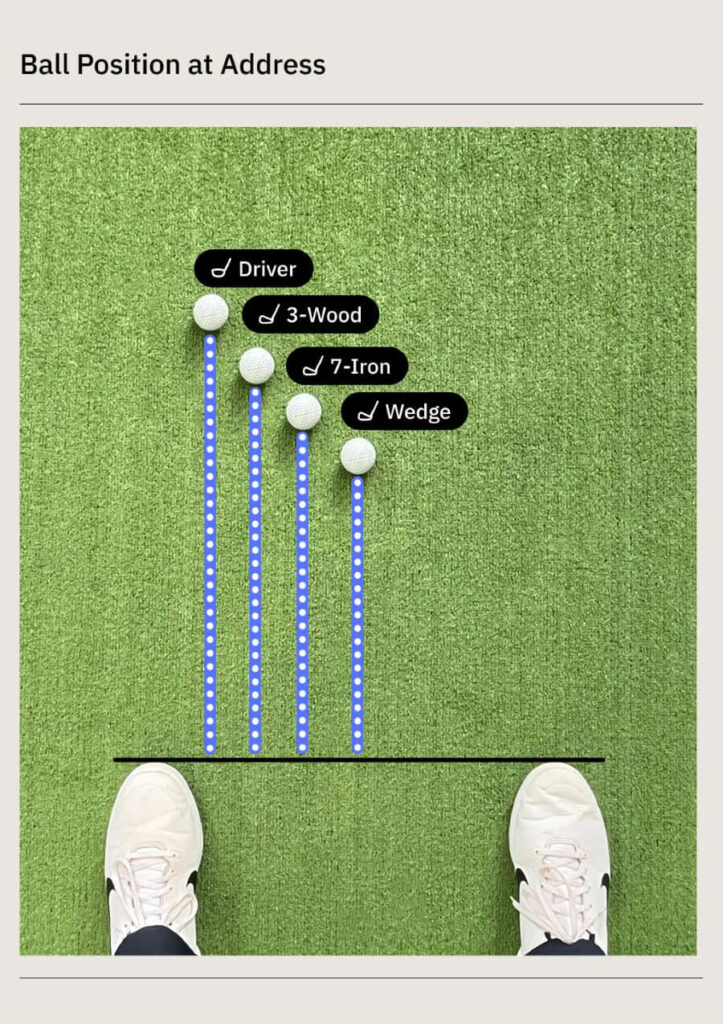
Control your shot height by adjusting your swing and ball position. For lower shots, place the ball slightly back in your stance and swing with a steeper angle. For higher shots, move the ball forward and use a smoother swing path. Proper trajectory control helps navigate different course conditions and improves accuracy.
Credit: hackmotion.com
Course Management And Ball Position
Course management and ball position are key elements in golf. They affect your swing, control, and shot outcome. Proper ball placement helps you hit more consistent shots. Good course management lets you plan shots smartly. Combine both to improve your iron play and lower your scores.
Shot Selection Based On Position
Choosing the right shot depends on ball position and lie. When the ball is forward, a lower, more controlled shot is easier. If the ball is centered, a higher shot with more spin is possible. Assess the lie and position before deciding the shot type. Adjust your swing to match the ball’s spot for better accuracy.
Aiming Strategies
Aim changes with ball position and course layout. For a ball placed forward, aim slightly left for a fade. With a centered ball, aim straight for more control. Always consider wind, hazards, and green shape. Align your body and clubface to your chosen target for precise shots.
Club Choice Considerations
Ball position influences your club selection. A forward ball position suits longer irons and controlled shots. Centered ball position works well with mid-irons for varied distances. Take into account the lie, wind, and shot shape. Pick a club that matches your swing and the ball’s position for best results.
Frequently Asked Questions
Where Should Ball Position Be With Irons?
Position the ball near the center of your stance for mid-irons. Move it slightly forward for long irons and slightly back for short irons. Align ball position with the club to ensure clean contact and consistent shots.
What Is The 70/30 Rule In Golf?
The 70/30 rule in golf means placing 70% of your weight on your front foot and 30% on your back foot during setup. This balance promotes better swing control and consistent ball contact for improved shots.
How Do Pros Determine Their Ball Position?
Pros determine ball position by aligning it relative to their lead foot for consistency. They adjust stance width and ball placement based on the club used to optimize contact and control. This method enhances swing accuracy and confidence during play.
Can Ball Position Fix A Slice Or Hook?
Adjusting ball position can help fix a slice or hook by promoting better clubface alignment at impact. Move the ball back to reduce a slice and forward to counter a hook. Proper ball position improves timing and control, aiding in straighter shots.
Conclusion
Getting your iron ball position right helps improve your shots every time. Place the ball relative to your stance and club for best results. Small changes can fix common problems like slices or hooks. Practice with different irons to find what feels natural.
Keep your setup simple and consistent to build confidence. Remember, good ball position sets the foundation for better swings. Keep practicing, and your golf game will steadily improve.