Have you ever wondered if baseball is played when the skies open up and rain starts pouring? If you’re a fan or a curious spectator, you might be asking yourself: does the game stop, or do players brave the wet conditions?
Understanding how rain affects baseball can change the way you watch the game and even how you plan your next ballpark visit. You’ll discover when games continue despite the rain, when they get delayed or canceled, and what happens to your tickets if the weather interrupts the action.
Stay with us to learn everything you need to know about baseball and rainy days.
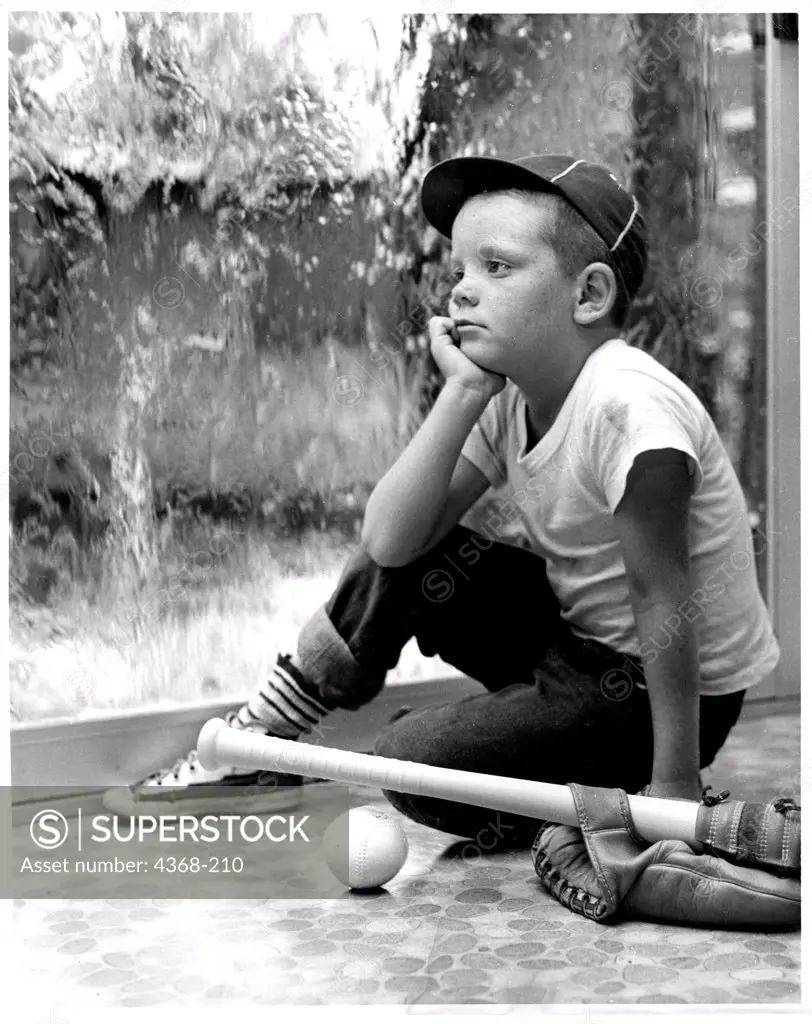
Credit: www.superstock.com
Rain And Baseball
Rain is a common factor in baseball and affects the play significantly. The sport often continues under light rain, but heavy rain changes the situation quickly. Understanding how rain impacts baseball helps fans know what to expect during wet weather games.
Light Rain Play
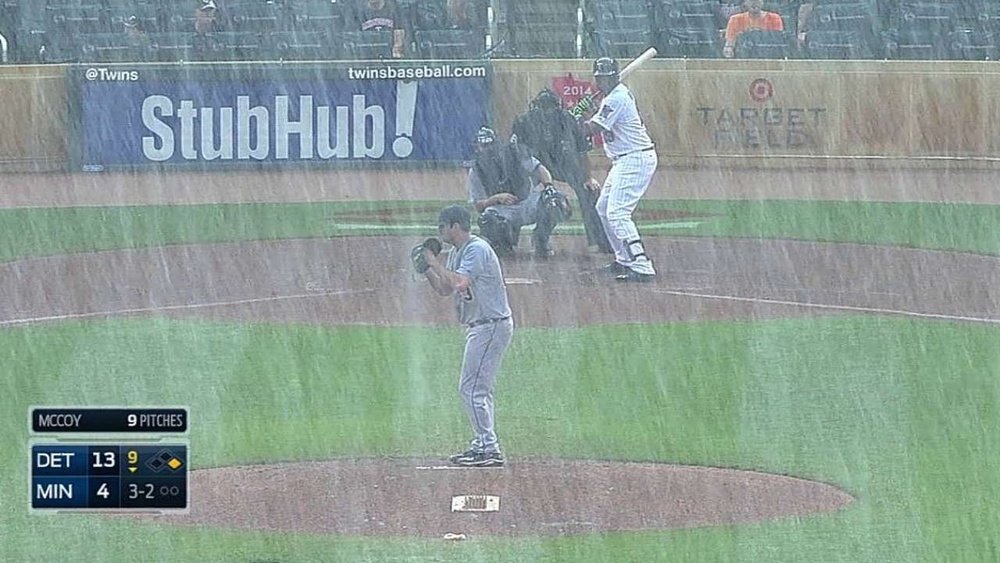
Baseball games usually continue during light rain. Players and umpires try to keep the game going. The field may get wet, but it remains playable. Light rain does not stop pitchers or batters. Fans still enjoy the game, though they might get a little wet. Grounds crews work to keep the field safe and dry. Games can last through light rain without much change.
Heavy Rain Suspensions
Heavy rain causes games to stop for safety reasons. The field becomes slippery and hard to play on. Umpires call for a rain delay to protect players. If the rain lasts, the game may be postponed or canceled. Games stopped before the fifth inning usually restart later. If the game is official, it may resume from where it stopped. Fans should check team policies about tickets during rain delays. Safety and fair play are the main reasons for suspensions.
Rain Delays And Postponements
Rain can change the flow of a baseball game quickly. Rain delays and postponements happen often in baseball. These pauses protect players and fans. They also keep the game fair. Understanding how these delays work helps fans stay informed and prepared.
When Games Are Delayed
Games pause during heavy rain or unsafe field conditions. Umpires watch the weather closely. They decide if play should stop or resume. Light rain may not stop the game. But heavy rain or standing water on the field causes delays. Players and fans wait patiently for the weather to clear.
Rescheduling And Doubleheaders
Postponed games are often rescheduled on later dates. Teams may play two games in one day, called a doubleheader. Doubleheaders help finish postponed games quickly. Fans with tickets for the original game usually get access to the new date. Teams announce new schedules as soon as possible to keep fans updated.
Official Game Rules
A game becomes official after five innings. If stopped before then, it must be replayed from the start. If stopped after five innings, the score stands as final. Sometimes games pause and resume later on the same day or a future date. These rules keep the game fair and clear for teams and fans alike.
Ticket Policies During Rainouts
Rain can change the flow of a baseball game. Ticket policies during rainouts help fans know what to expect if a game is delayed or canceled. These rules protect fans’ investments and explain how tickets can be used later. Teams have specific guidelines that may vary. Understanding these policies is important for every fan planning to attend a game on a day with uncertain weather.
Rain Check Explanation
A rain check is a ticket that allows entry to a rescheduled game. It is given when a game is canceled or postponed before it becomes official. Usually, a game is official after five innings. If a game stops before that, the ticket holder can use the rain check on a new date. This avoids losing money on a canceled game. Fans should keep their original ticket safe as proof.
Team-specific Policies
Each baseball team has its own rules about rain checks. Some teams let fans exchange tickets only for the same season. Others may allow exchanges for certain games or seats. Some teams require fans to request the exchange within a set time. The New York Yankees and Minnesota Twins, for example, offer clear options for ticket exchanges. It is important to check the team’s website or contact the box office for exact details.
Player And Game Safety
Player and game safety is a top priority in baseball, especially during rainy conditions. Rain affects both the players’ performance and the overall quality of the game. Wet surfaces increase the chance of injuries and accidents. Maintaining a safe environment helps prevent unnecessary risks and keeps the game fair and enjoyable.
Risks Of Playing In Wet Conditions
Playing baseball in wet conditions can be dangerous. The field becomes slippery, making it easy for players to lose their footing. Sliding into bases on a wet surface can cause sprains or fractures. Pitchers may struggle to grip the ball, leading to wild pitches that could hit other players. Wet gloves and balls reduce control, increasing the risk of errors and injuries.
Field Maintenance Challenges
Rain creates many challenges for field maintenance. Water can pool on the infield or outfield, causing muddy spots. Groundskeepers must work quickly to drain water and dry the field. Wet grass and dirt affect the bounce and roll of the ball, changing how the game is played. Proper drainage systems are essential to keep the field playable and safe after rain.
Impact On Gameplay
Rain affects baseball games in many ways. It changes how players perform and how the game flows. Wet conditions create new challenges for everyone on the field. Players must adjust quickly to keep up their skills. The impact on gameplay is clear and noticeable.
Hitting Challenges In Rain
Rain makes the baseball slippery and harder to hold. Batters find it tough to grip the bat well. The ball moves differently when thrown through wet air. Timing and accuracy often suffer in rainy conditions. Players may miss swings or hit weak ground balls. Visibility can also be a problem as raindrops blur the view. These factors lower the chances of hitting well during rain.
Field Conditions And Performance
Wet fields become soft and muddy. Running and changing direction get more difficult and risky. Players risk slipping and losing balance on slick grass or dirt. Ground balls slow down or take odd bounces on soaked surfaces. Fielders must work harder to catch and throw accurately. Rain can slow the pace of the game and increase mistakes. Teams often play more cautiously to avoid errors.
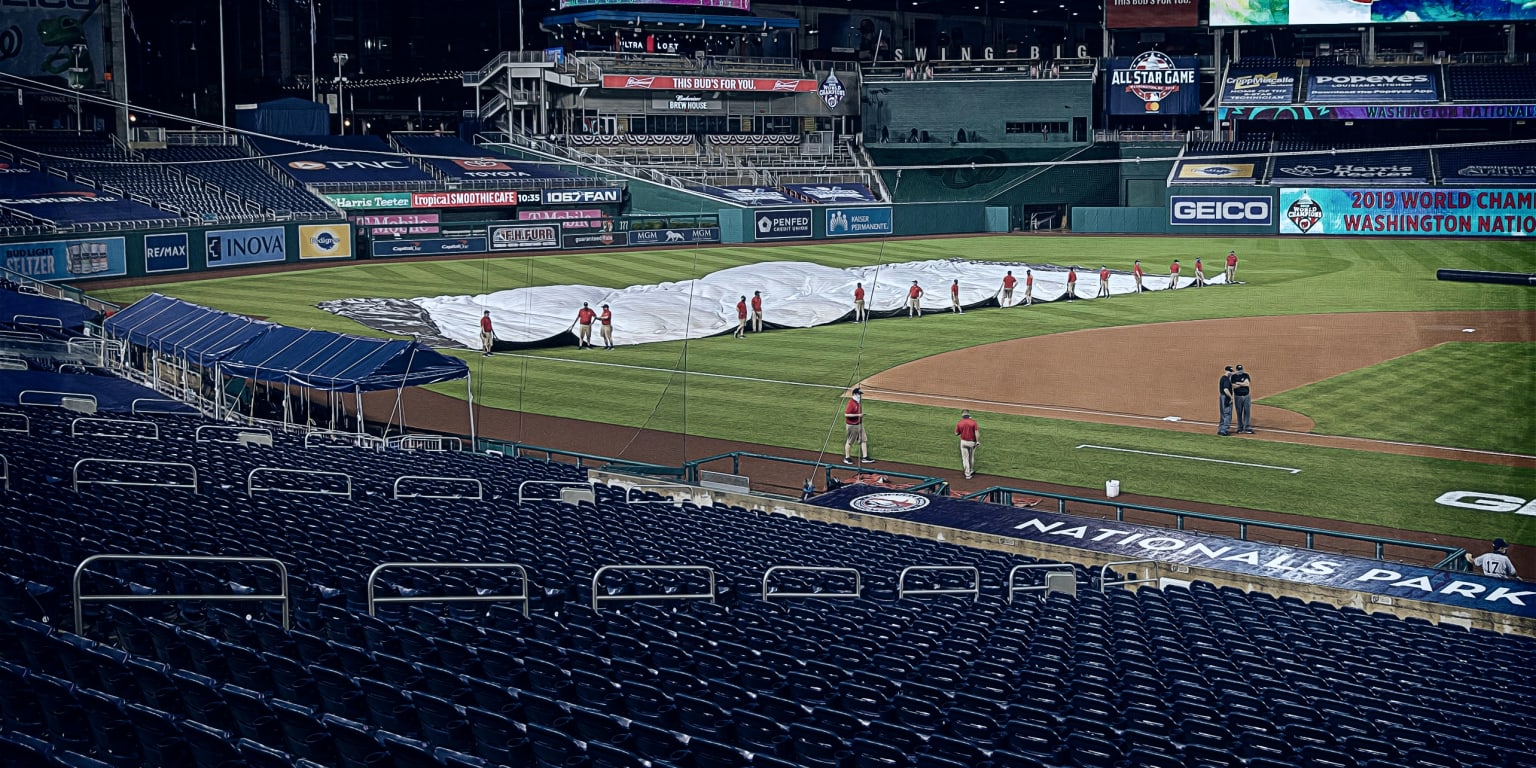
Credit: www.mlb.com
Player Activities During Rain Delays
Rain delays in baseball bring unique moments for players. While waiting for the weather to clear, players stay active and engaged. These breaks help them prepare for the game’s next phase. Players use this time to relax, focus, and keep their bodies ready.
Using Breaks Effectively
Players use rain delays to rest without losing focus. They hydrate and eat light snacks to keep energy levels up. Stretching and light exercises prevent muscles from tightening. Some players review strategies or watch game footage on tablets. Mental preparation is key during these pauses.
Entertainment On The Field
During rain delays, players sometimes entertain fans and teammates. They might toss balls, play catch, or practice swings. Fun activities help ease tension and keep spirits high. Team bonding often happens in these moments. Fans enjoy seeing players interact and stay lively despite the delay.
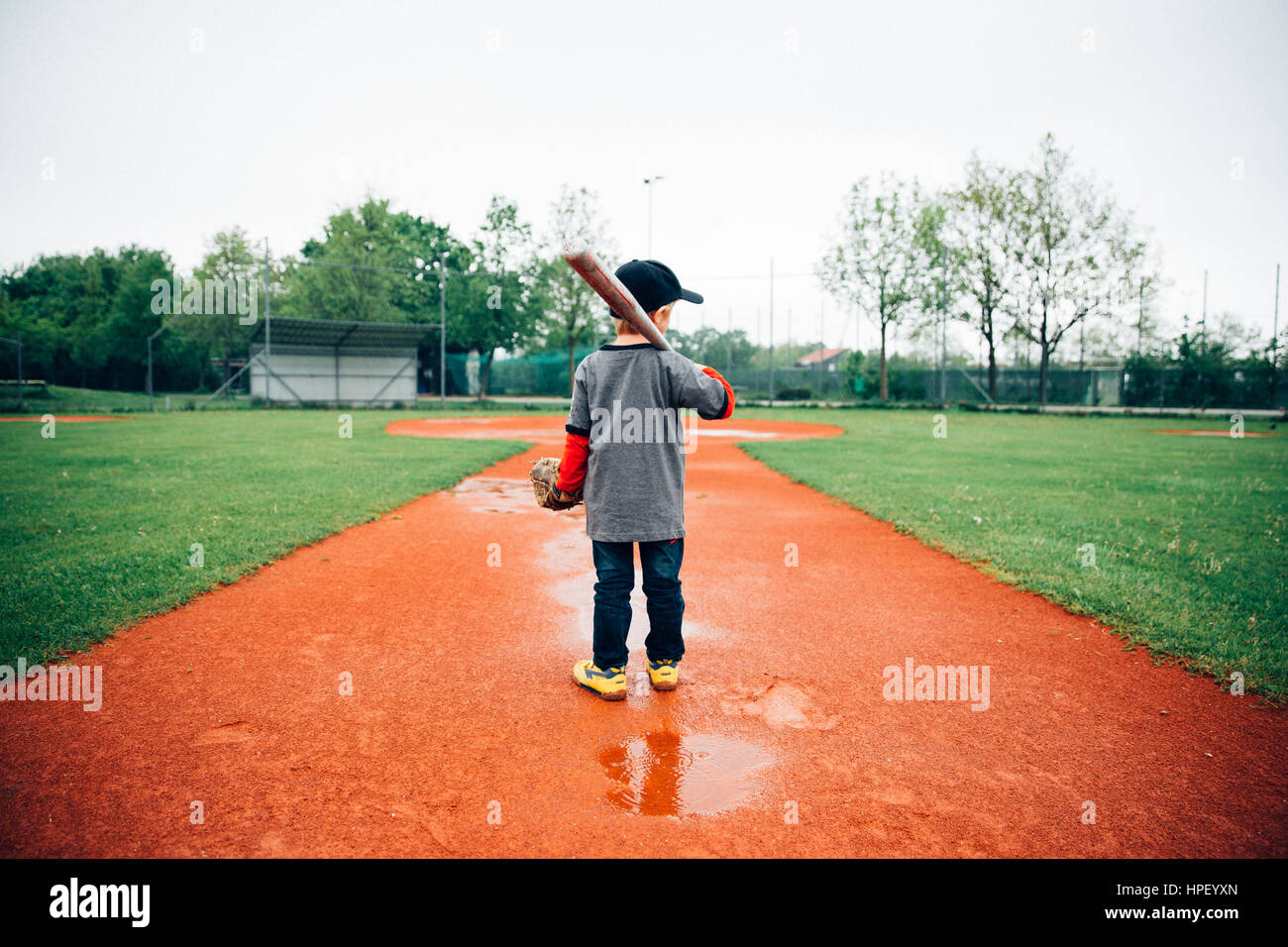
Credit: www.alamy.com
Frequently Asked Questions
Do Baseball Games Get Cancelled For Rain?
Yes, baseball games may be delayed or canceled due to heavy rain. Light rain usually allows play to continue. Games become official after five innings. Unofficial games rained out are rescheduled. Tickets often serve as rain checks for postponed games.
Is It Harder To Hit A Homerun In The Rain?
Yes, rain can make hitting a home run harder. Wet conditions reduce grip and affect ball flight, lowering power and accuracy.
Can You Play Baseball On A Wet Field?
Baseball can be played on a wet field during light rain. Heavy rain or standing water causes delays or cancellations. Safety and field conditions determine if play continues. Games may resume once conditions improve or be rescheduled if too wet.
What Do Teams Do During Rain Delay?
During a rain delay, teams stay in the clubhouse, rest, strategize, and wait for the weather to clear before resuming play.
Conclusion
Baseball can be played in light or moderate rain. Heavy rain stops the game to keep players safe. If the game ends before five innings, it must restart later. Games past five innings may count as official even if stopped.
Tickets often work as rain checks for rescheduled games. Weather delays are common but do not always cancel games. Fans should check team policies for ticket exchanges. Playing in rain depends on field conditions and safety rules. Rain adds challenge but does not always end the fun.