Is soccer really a contact sport? You might think of soccer as a game where players mostly kick the ball and avoid rough play.
But if you’ve ever watched a match closely, you know that physical contact happens all the time. From shoulder bumps to intense battles for the ball, contact is part of the game’s fabric. Understanding how contact works in soccer can change the way you watch and play.
You’ll discover what makes soccer a contact sport, the types of contact allowed, and how it differs from more aggressive collision sports. Ready to see soccer from a whole new perspective? Keep reading to find out!

Credit: storelli.com
Physical Contact In Soccer
Physical contact is a key part of soccer. Players often compete closely for the ball and space on the field. Contact happens regularly but varies in type and legality. Understanding these differences helps explain why soccer is a contact sport.
Types Of Contact
Contact in soccer falls into three main categories. Legal contact is allowed and part of fair play. Illegal contact breaks the rules and can lead to fouls. Incidental contact happens by accident without intent to harm.
Legal Contact Examples
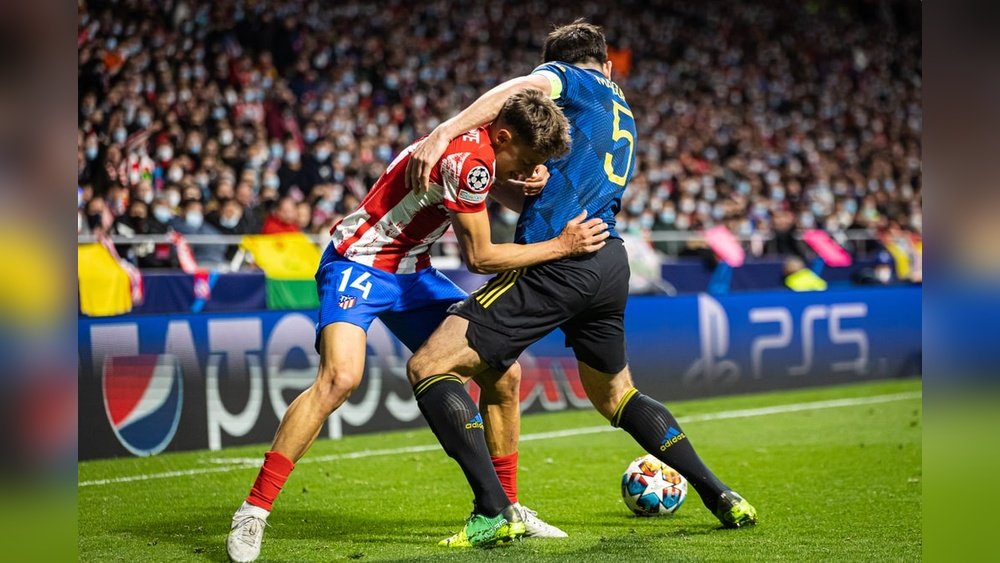
Shoulder-to-shoulder challenges are the most common legal contact. Both players must be near the ball and on their feet. Using the body to shield the ball or gain position is allowed. Light physical contact is part of normal play.
Illegal Contact And Fouls
Pushing, tripping, holding, and striking are illegal. These actions put opponents at risk and break the rules. Referees stop play and give free kicks or penalties. Excessive force or dangerous play is always penalized.
Incidental Contact Scenarios
Incidental contact happens without intent or fault. Players may accidentally collide when going for the ball. Legs may tangle or bodies bump during quick movement. This contact is part of the game and usually not punished.
Comparing Soccer To Other Sports
Soccer shares some traits with other sports, but it also stands apart. The level and type of contact in soccer differ from many popular sports. Understanding these differences helps clarify why soccer is called a contact sport.
Other sports have various rules about physical contact. Some encourage strong collisions, while others limit contact to avoid injuries. Soccer fits somewhere between these extremes.
Collision Sports Defined
Collision sports involve intentional, forceful impacts between players. These hits are a key part of the game’s strategy and flow. Examples include American football, rugby, and ice hockey.
Players in collision sports often use their bodies to block, tackle, or push opponents. The contact is usually strong enough to cause players to fall or get knocked down. Protective gear is common in these sports due to the high impact.
Contact Sports Characteristics
Contact sports allow regular physical contact but with less force than collision sports. Soccer and basketball are good examples. Players often make contact while competing for the ball.
Contact can be legal, such as shoulder-to-shoulder challenges in soccer. Referees penalize dangerous or unfair hits. The goal is to balance fair play with physical competition.
Contact in these sports is part of the game’s tactics but is controlled to reduce injury risks.
Limited-contact Sports Explained
Limited-contact sports have little physical interaction between players. Contact is usually accidental or rare. Examples are volleyball, tennis, and badminton.
Players focus more on skill and speed than on physical battles. Contact is often against the rules and penalized strictly.
In limited-contact sports, the risk of injury from contact is lower than in contact or collision sports.
Rules Governing Contact
Soccer allows physical contact under strict rules to keep the game fair and safe. The rules define what contact is allowed and what is considered a foul. Understanding these rules helps players avoid penalties and injuries. The focus is on controlled, fair challenges and protecting players from harm.
Shoulder-to-shoulder Challenges
Shoulder-to-shoulder challenges are legal in soccer. Two players may use their shoulders to compete for the ball. Both must be close to the ball and have one foot on the ground. The contact must be fair, not pushing or charging dangerously. This rule allows physical play without excessive force.
Referee’s Role In Penalizing Contact
Referees watch closely to spot illegal contact. They penalize fouls like pushing, tripping, or holding. The referee decides if the contact was intentional or careless. This helps keep the game safe and fair. Players must respect the referee’s decisions to avoid penalties.
Safety Measures And Penalties
Safety is a top priority in soccer. Dangerous plays like high tackles or elbowing lead to penalties. Referees can give yellow or red cards for serious fouls. These penalties discourage harmful behavior and protect players. Teams and players must follow safety rules to keep the game clean.

Credit: jobsinfootball.com
Injury Risks In Soccer
Soccer involves frequent physical contact between players. This contact can increase the chances of injuries. Understanding these risks helps players stay safe and enjoy the game.
Common Injuries From Contact
Players often suffer bruises and cuts from tackles and collisions. Sprained ankles and knee injuries happen during sudden movements. Head injuries can occur from accidental clashes or falls. Muscle strains are common after intense running or kicking. These injuries vary in severity but need proper care.
Preventing Harm On The Field
Wearing proper gear reduces injury risks. Shin guards protect legs from hard impacts. Good shoes improve grip and balance. Learning correct techniques helps avoid dangerous contact. Referees enforce rules to keep play safe. Warm-up exercises prepare muscles for action.
Advice For Vulnerable Players
Young or new players should focus on safe playing habits. Avoid aggressive moves until confident in skills. Communicate clearly with teammates during play. Report any pain or discomfort immediately. Rest and recover fully before returning to the field. Coaches should provide extra support and guidance.
Player Experiences With Contact
Players in soccer face many moments of physical contact during matches. Their experiences show how contact shapes the sport’s pace and challenges. Understanding these moments helps explain why soccer demands skill beyond just kicking the ball.
Handling Physical Play
Players learn to manage body contact early in their careers. They use balance and positioning to stay on their feet. Good players stay calm during shoulder bumps and tackles. They avoid aggressive reactions to keep control. Physical play tests their strength and focus constantly.
Training For Contact Situations
Coaches include contact drills in practice sessions. Players practice shielding the ball against opponents. They train to anticipate and absorb impacts safely. Strength exercises prepare their muscles for collisions. This training reduces injuries and builds confidence.
Mental Impact Of Contact Sports
Contact affects players mentally as well as physically. Some feel pressure to avoid hurting others or getting hurt. Others grow tougher and more focused after tough challenges. Mental resilience helps players stay composed under stress. Soccer players develop patience and quick decision-making skills.

Credit: en.wikipedia.org
Frequently Asked Questions
Is Soccer A Contact Sport Or Not?
Yes, soccer is a contact sport involving intentional and incidental physical contact between players. Legal shoulder-to-shoulder challenges are allowed. Illegal or dangerous contact results in penalties. Soccer differs from collision sports by having less forceful contact but still requires physical interaction during play.
What Sports Are Considered A Contact Sport?
Contact sports involve physical interaction between players. Examples include football, rugby, boxing, ice hockey, lacrosse, martial arts, and wrestling. These sports have intentional or frequent body contact, increasing the risk of injury compared to non-contact sports.
What Age Do Most Kids Quit Soccer?
Most kids quit soccer between ages 13 and 15, often due to shifting interests or increased competition.
Is Football Contact Or Non-contact?
Football is a contact sport involving intentional physical interactions between players. Players tackle, block, and collide during gameplay.
Conclusion
Soccer involves physical contact between players during play. This contact can be legal, like shoulder challenges near the ball. Sometimes, accidental or incidental contact happens too. The sport is less forceful than collision sports like football. Referees watch closely to keep the game safe and fair.
Understanding these points helps clarify why soccer is a contact sport. It blends skill with physical play, making the game exciting to watch.