Are you looking for a sport that keeps you active without the rough physical contact? Non-contact sports might be exactly what you need.
These activities allow you to compete, improve your fitness, and enjoy the thrill of the game—all while minimizing the risk of direct collisions with other players. Whether you prefer swinging a racket, gliding through water, or running your fastest, non-contact sports offer a safe and exciting way to stay fit and have fun.
Keep reading to discover the wide range of non-contact sports available and find out how they can fit into your lifestyle perfectly.

Credit: www.weekand.com
Non-contact Sports Defined
Non-contact sports are athletic activities where players do not intentionally touch each other during play. These sports focus on skill, speed, and precision rather than physical confrontation. While accidents may cause brief contact, the rules usually prevent direct player collisions. Non-contact sports offer a safer option for many athletes seeking competition without the risks of physical impacts.
What Makes A Sport Non-contact
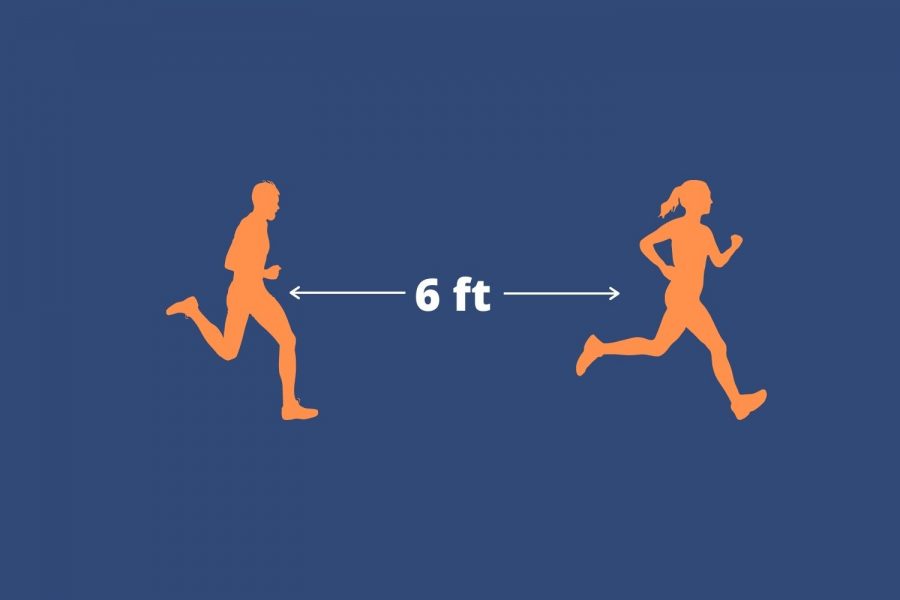
A sport is non-contact if players do not make deliberate physical contact. The rules separate players by distance, lanes, or turns. Physical interaction between players is either forbidden or very limited. The main goal is to compete using skill and strategy, not physical force. This reduces the chance of injuries from collisions.
Examples Of Popular Non-contact Sports
Many well-known sports fall into the non-contact category. Tennis, badminton, and table tennis involve hitting a ball without touching opponents. Swimming and rowing happen in lanes, keeping athletes apart. Golf and archery focus on precision without player interaction. Track and field events like running and jumping also keep competitors separate.
Key Features Of Non-contact Sports
- No direct physical contact between players during play.
- Players often compete in separate spaces or take turns.
- Lower risk of collision injuries compared to contact sports.
- Injuries usually come from overuse or equipment accidents.
- Focus on individual skill, timing, and accuracy.

Credit: www.sportlegacy.net
Fitness Benefits
Non-contact sports offer many fitness benefits suitable for all ages. These activities help improve overall health without physical collisions. They provide a safe way to stay active and build strength.
Engaging in non-contact sports regularly promotes a healthier body and mind. The following sections explain key fitness advantages.
Improved Cardiovascular Health
Non-contact sports raise your heart rate steadily. This strengthens the heart and improves blood flow. Better cardiovascular health reduces risks of heart disease and stroke. Activities like swimming and running boost endurance and stamina.
Enhanced Muscle Strength And Flexibility
These sports engage various muscle groups with controlled movements. Regular practice tones muscles and increases flexibility. Sports like tennis and badminton improve arm and leg strength. Stretching during play helps prevent injuries.
Better Coordination And Balance
Non-contact sports require precise movements and timing. This improves hand-eye coordination and body control. Sports such as golf and archery sharpen focus and steadiness. Enhanced balance reduces chances of falls and boosts daily activity performance.
Low Impact On Joints
Most non-contact sports place less stress on joints. Swimming and cycling provide excellent workouts without harsh impact. This lowers the risk of joint pain and arthritis. These activities suit people recovering from injury or with joint issues.
Safety Advantages
Non-contact sports offer many safety advantages that appeal to players of all ages. These sports limit physical contact, reducing common injuries linked to collisions. Participants can enjoy activity with less worry about serious harm. The focus is on skill, endurance, and technique rather than physical clashes.
Reduced Risk Of Collision Injuries
Non-contact sports greatly lower the chance of collision injuries. Players stay apart by design, which cuts down on accidental hits. This separation helps prevent bruises, fractures, and other trauma from direct impact. The gameplay encourages movement and precision without physical confrontation.
Lower Chances Of Concussions
Concussions occur less often in non-contact sports. Since players avoid body contact, head injuries are rare. This makes these sports safer for brain health. Players focus on their skills without the constant risk of getting hit hard in the head.
Fewer Overuse Injuries Compared To Contact Sports
Overuse injuries happen less in non-contact sports. These sports often involve varied movements, which spread the strain across different muscles and joints. Players do not face repetitive, high-impact collisions that stress specific body parts. This variety helps keep the body balanced and less prone to injury.
Safe Environment For All Ages
Non-contact sports provide a safe setting for children, adults, and seniors. The rules limit rough play, making the games friendly and less intimidating. Beginners and experienced athletes alike can enjoy these sports without fear of serious injury. This inclusivity encourages lifelong participation in physical activity.
Mental Health Benefits
Non contact sports offer many mental health benefits. These activities help improve mood and reduce anxiety. They provide a peaceful way to stay active. Engaging in these sports can create a sense of calm and happiness. The mental advantages often last beyond the sport itself.
Stress Relief And Relaxation
Playing non contact sports helps lower stress levels. Physical activity releases feel-good hormones called endorphins. These chemicals boost your mood naturally. The gentle pace of many non contact sports encourages relaxation. Being focused on the game can take your mind off worries. Quiet environments, like swimming pools or golf courses, add to the calm.
Boosted Concentration And Focus
Non contact sports require attention and sharp thinking. Players must plan moves and react quickly. This sharpens mental focus and decision-making skills. Regular practice improves brain function and memory. The concentration needed helps reduce distractions in daily life. These sports train the mind to stay present and alert.
Encouragement Of Discipline And Self-control
Non contact sports teach important life skills like discipline. Following rules and practicing regularly builds self-control. Athletes learn patience and persistence through training. Managing emotions during competition strengthens mental resilience. These habits help in school, work, and personal life. The structure of these sports supports strong character development.
Suitability For Different Groups
Non-contact sports suit many groups by offering safe, inclusive activities. These sports limit physical collisions, lowering injury risks. This makes them great for different ages and abilities. People can enjoy exercise, skill-building, and fun without rough play. Each group benefits in unique ways, depending on their needs and goals.
Ideal Sports For Children And Teens
Children and teens gain confidence and coordination through non-contact sports. Tennis and swimming teach focus and balance. Track and field events build strength and speed. These sports encourage healthy habits early on. They also reduce injury chances compared to contact sports.
Options For Older Adults
Older adults find non-contact sports gentle on joints and muscles. Walking, bowling, and golf offer low-impact exercise. These activities help maintain mobility and social connections. Adapted rules allow seniors to play safely and comfortably. Staying active supports health and independence in later years.
Adaptations For Individuals With Adhd Or Special Needs
Non-contact sports adapt well to different learning and physical needs. Structured routines in swimming or archery help focus. Coaches can modify instructions for clearer guidance. These sports reduce distractions and physical risk. They create supportive spaces for growth and skill development.
Choosing The Right Non-contact Sport
Choosing the right non-contact sport can shape your fitness journey and enjoyment. It involves understanding your goals, likes, and available resources. This choice impacts how often you stay active and how much fun you have.
Non-contact sports offer safety and health benefits. Picking one that fits your lifestyle and interests helps keep motivation high. Consider key factors before deciding on the best sport for you.
Assessing Personal Fitness Goals
Define what you want to achieve. Do you want to build strength, improve endurance, or enhance flexibility? Different sports target different fitness areas. For example, swimming boosts endurance and strength, while golf focuses more on skill and precision.
Choose a sport that supports your main fitness aims. This focus helps you stay on track and see progress over time.
Considering Individual Preferences
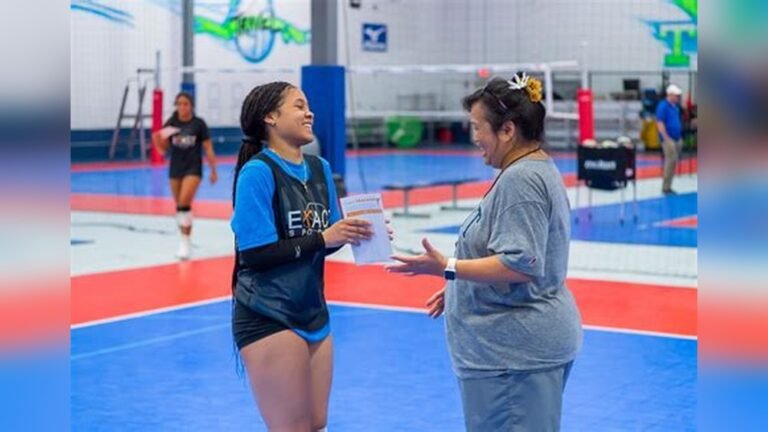
Think about what you enjoy doing. Some prefer solo activities like running or swimming. Others like sports with social interaction, such as bowling or volleyball. Enjoyment plays a big role in sticking with a sport.
Also, consider your comfort with competition and pace. Some sports are fast and intense, others are slow and steady. Pick one that matches your style and personality.
Access To Facilities And Coaching
Check what is available near you. Some sports need special facilities or equipment, like swimming pools or golf courses. Others require less space and gear, such as running or badminton.
Coaching can improve skills and safety. Look for local clubs or coaches if you want guidance. Easy access to good resources makes practicing and improving easier.
Credit: standard.asl.org
Frequently Asked Questions
What Are Non-contact Sports?
Non-contact sports involve no intentional physical contact between players. Examples include tennis, swimming, golf, and track events. Players often compete separately by lanes or turns. These sports lower collision injury risks but may still cause harm from equipment or repetitive movements.
What Sport Is Best For An Adhd Child?
Sports like martial arts, swimming, and gymnastics suit ADHD children by offering structure and constant motion. Fast-paced team sports such as soccer and basketball also help by keeping them engaged and minimizing distractions. Choose based on the child’s interests and needs for best results.
What Is The Safest Non-contact Sport?
Swimming is one of the safest non-contact sports, minimizing collision risks. It promotes fitness with low injury chances.
What Is The 1 Most Concussed Sport?
American football ranks as the 1 most concussed sport due to frequent high-impact collisions. It leads in concussion rates worldwide.
Conclusion
Non-contact sports offer a safer way to stay active and healthy. They focus on skill, speed, and technique without physical clashes. Many people enjoy these sports for fun and fitness. Though injuries are less common, it’s important to stay careful.
Playing non-contact sports helps build discipline and teamwork. They suit all ages and fitness levels well. Trying one can improve your body and mind. Give non-contact sports a chance and enjoy the benefits.