If you’re diving into DraftKings and wondering what “OPRK” means, you’re not alone. This simple acronym can actually be a game-changer for your fantasy sports strategy.
OPRK stands for Opponent Rank, and it tells you how tough or easy a matchup is by showing how many fantasy points a team allows to a specific position. Understanding OPRK can help you spot which players have a better chance to score big based on their opponent’s defense.
You’ll learn exactly how to use OPRK to make smarter picks and boost your chances of winning. Ready to take your DraftKings game to the next level? Keep reading!
Credit: nimblewnumbers.com
Oprk Basics
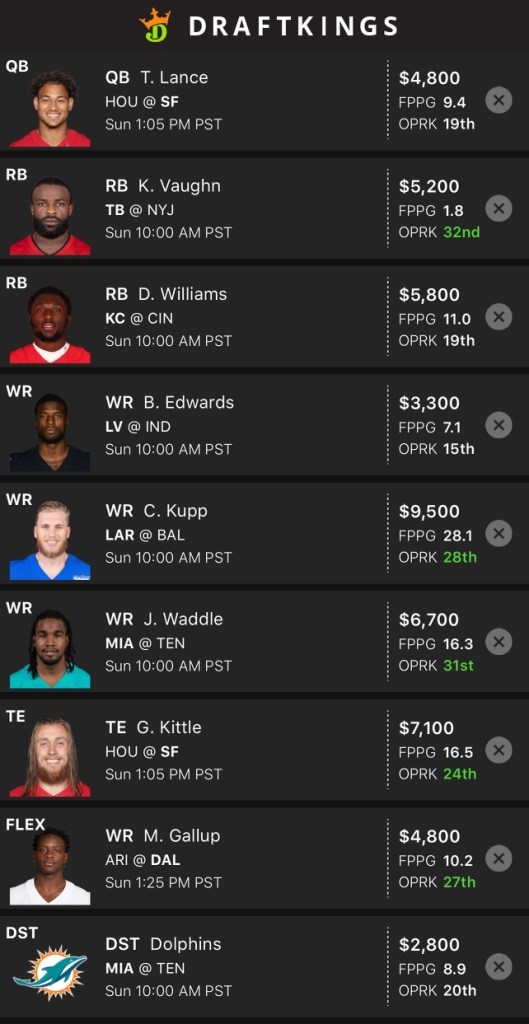
OPRK stands for Opponent Rank in fantasy sports. It shows how well a defense performs against a specific position. This ranking helps players choose better matchups for their fantasy lineups. Understanding OPRK can improve your game strategy. It gives insight into how many fantasy points an opposing team allows per position. Many fantasy platforms use color codes to make OPRK easy to read.
Colors often used include green, yellow, and red. Green means a good matchup. Yellow shows a moderate challenge. Red signals a tough defense. Knowing these basics helps you pick players who face weaker defenses. This can increase your chances of scoring more points. OPRK is a simple yet useful tool for fantasy players of all levels.
What Oprk Shows
OPRK shows the rank of an opposing defense against a specific position. It ranks teams from best to worst based on points allowed. A low OPRK means the defense is strong. They allow fewer fantasy points to that position. A high OPRK means the defense is weaker. They allow more points, making it easier for players to score. This helps identify favorable or tough matchups quickly.
Position-specific Focus
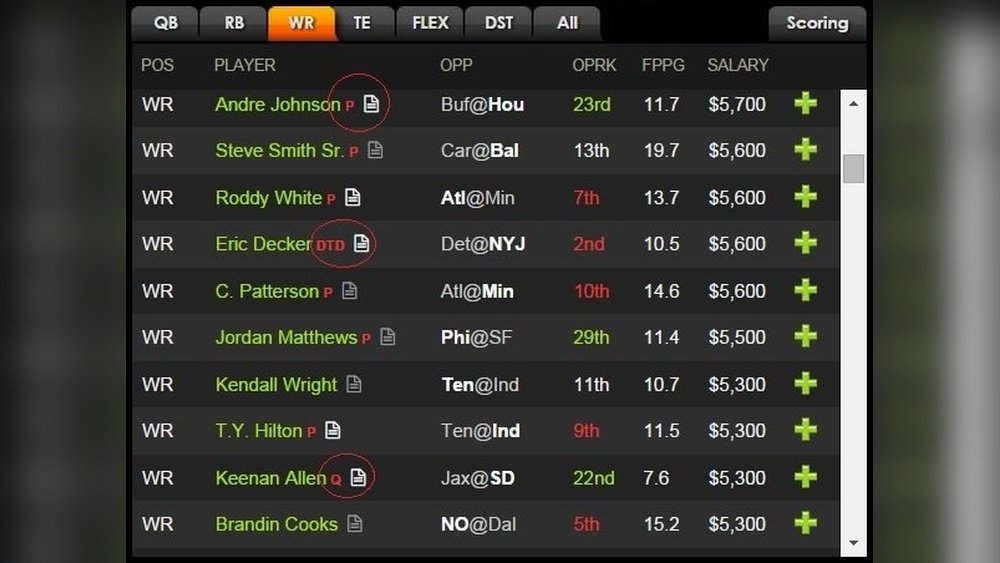
OPRK breaks down rankings by each position. It shows how a team defends quarterbacks, running backs, wide receivers, and more. This focus helps you choose players based on their opponent’s defense. Different teams have different strengths and weaknesses. One team may defend running backs well but struggle against wide receivers. Position-specific OPRK gives detailed insight to guide your picks.
Credit: careers.draftkings.com
Interpreting Oprk
Interpreting OPRK is essential for fantasy sports players. It helps identify how tough or easy a matchup is for a specific player position. By understanding OPRK, you can make smarter lineup decisions and improve your chances of winning. The metric shows how many fantasy points a team allows to certain positions. This data ranks opponents based on their defensive strength or weakness against that position.
OPRK often comes with a color-coded system for quick reading. Each part of OPRK tells you something different about the matchup. Let’s break down its key elements.
Ranking Meaning
OPRK stands for Opponent Rank. It ranks teams based on fantasy points they allow to a position. A lower rank means the team defends well against that position. A higher rank shows the team allows more points. This means the position has a better chance to score points. Fantasy players use this ranking to find favorable matchups.
Color-coding System
Colors make OPRK easy to read at a glance. Green signals a favorable matchup. It means the opponent allows many points to that position. Yellow means a moderate or neutral matchup. Red warns of a tough matchup. The opponent defends strongly against that position. This color guide helps players quickly spot good or bad matchups.
Matchup Difficulty
Matchup difficulty depends on the OPRK number and color. A low-ranked opponent with a red color means a hard game. The player may score fewer points. A high-ranked opponent with green color shows an easier game. The player could have more success. Checking matchup difficulty helps set lineups wisely. It balances risk and reward for each player.
Oprk In Fantasy Sports
OPRK in fantasy sports stands for Opponent Rank. It measures how many fantasy points a team allows to a specific player position. This helps fantasy players understand the strength or weakness of an opposing defense. A lower OPRK means the defense is strong against that position. A higher OPRK shows the defense is weaker, making it easier to score points.
Using OPRK can improve your fantasy sports strategy. It gives insight into matchups and helps pick players wisely. Many fantasy platforms use color codes to show the difficulty of a matchup quickly.
Daily Fantasy Applications
OPRK helps in daily fantasy sports by showing which players face easier defenses. It guides users to select players with favorable matchups. This can increase the chances of earning more points in short contests. Daily fantasy players can use OPRK to avoid risky picks. It supports quick decisions based on opponent strength.
Weekly Lineup Decisions
Fantasy managers use OPRK to set weekly lineups. They check which players have higher OPRK against their opponents. This helps choose players with better scoring opportunities. OPRK aids in benching players facing tough defenses. It makes lineup choices more data-driven and less about guesswork.
Platform Variations
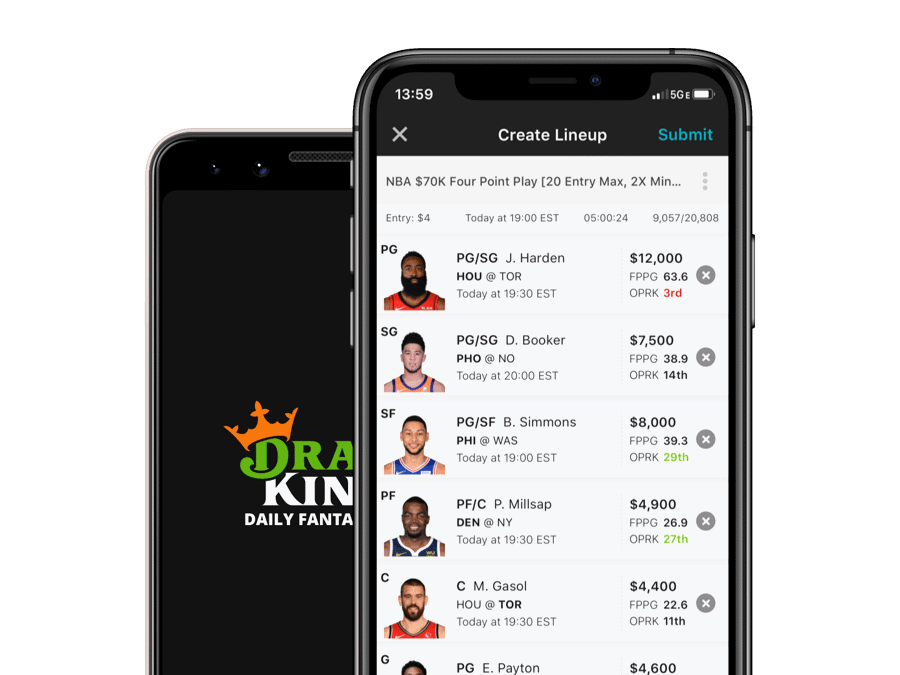
Different fantasy platforms display OPRK in various ways. Some use color coding like green, yellow, and red. Others provide detailed stats and rankings. DraftKings highlights OPRK clearly to assist users quickly. Understanding each platform’s OPRK style improves usability. It helps players use this metric effectively for better results.
Using Oprk On Draftkings
Using OPRK on DraftKings helps players pick better fantasy lineups. OPRK stands for Opponent Rank. It shows how strong or weak a defense is against a certain position. Understanding OPRK can improve decisions in daily fantasy sports.
This tool highlights which teams allow more or fewer fantasy points to positions like QB, RB, WR, or TE. It often uses colors: green means a good matchup, red means a tough one. Using OPRK smartly can give you an edge in DraftKings contests.
Evaluating Opponent Defense
Check the OPRK to see how tough the opponent’s defense is. A low OPRK means the defense is strong. Players usually score fewer points against them. A high OPRK shows a weak defense. This means more chances for big fantasy points.
Focus on the position your player plays. Look at how many fantasy points the defense allows to that spot. This gives a clear view of the challenge your player faces.
Spotting Favorable Matchups
Use the color coding on the OPRK chart to find good matchups fast. Green means the defense struggles against that position. These are spots to target when choosing players. Red signals a tough matchup to avoid.
Favorable matchups increase your chance to earn points. Pick players facing defenses with high OPRK numbers. This simple step can boost your fantasy lineup’s success.
Incorporating Oprk In Strategy
Add OPRK as a key factor when building your DraftKings team. Combine it with player stats and recent performance. Use it to confirm if a player’s matchup looks strong or weak.
Adjust your lineup by choosing players with high OPRK matchups. Avoid players facing defenses that rank low. This balance helps create a smarter, more competitive fantasy roster.
Comparing Oprk With Other Metrics
Comparing OPRK with other metrics helps fantasy players make smarter decisions. OPRK measures how many fantasy points a defense allows to a certain position. This stat shows if a player faces an easy or tough opponent. Other metrics offer different angles on player and team performance. Understanding these differences sharpens your analysis.
Pvo And Ovp Differences
PVO stands for Player Versus Opponent. It shows how well a player performs against a specific defense. OPRK ranks the defense’s overall allowance of points to a position. PVO focuses on individual matchups, while OPRK looks at team defense strength. OVP, or Offensive vs. Position, measures how well offenses perform against a position. These metrics work together but highlight distinct insights.
Complementary Statistics
Using OPRK with other stats gives a fuller picture of matchups. For example, target share shows how often a player gets the ball. Snap count reveals playing time, which affects scoring chances. Injury reports and weather conditions also impact performance. Combining OPRK with these stats helps identify the best players to start or sit.
Common Questions About Oprk
Many users have questions about OPRK and its role in DraftKings. Understanding OPRK helps players make better decisions in fantasy sports. It shows how many fantasy points an opponent allows to a specific position. This section answers common questions about OPRK to clear up confusion and improve your gameplay.
Accuracy And Reliability
OPRK is based on real game data from past matches. It shows an average of fantasy points allowed by each team. This makes it a useful measure for predicting matchups. Still, it cannot guarantee exact outcomes every time. Player injuries or sudden changes can affect results. Use OPRK as a guide, not a certainty. It offers helpful insight but should be combined with other information.
Limitations To Consider
OPRK does not reflect all game factors. It focuses only on fantasy points allowed by position. It ignores game conditions like weather or player form. OPRK also updates slowly and may not show recent team changes. Defensive strategies can vary by game, affecting accuracy. Relying only on OPRK can lead to incomplete analysis. Combine it with other stats and news for a fuller picture.

Credit: usalegalonlinepoker.wordpress.com
Frequently Asked Questions
What Does Oprk Mean?
OPRK stands for Opponent Rank. It shows how many fantasy points a team allows to a specific position. Higher OPRK means easier matchups, lower means tougher defense. It helps evaluate player matchups using color codes: green (favorable), yellow (neutral), and red (difficult).
What Does Oprk Mean In Draftkings?
OPRK in DraftKings means Opponent Rank. It shows how many fantasy points a team allows to a specific position. A lower OPRK means tougher defense; a higher OPRK means an easier matchup. Color codes help quickly identify favorable or difficult matchups.
What Does Opp Rk Mean In Fantasy Football?
OPP RK means Opponent Rank in fantasy football. It shows how many fantasy points a team allows to a specific position. A lower rank means tougher defense; a higher rank indicates an easier matchup. Color codes like green or red highlight favorable or difficult matchups.
What Does “opp Rating” Mean?
OPP rating, or Opponent Rank, shows how many fantasy points a team allows per game to a specific position. A lower OPP means tougher defense; a higher OPP indicates a weaker defense. It helps assess player matchups, often color-coded: green for easy, red for difficult matchups.
Conclusion
Understanding OPRK helps you pick better fantasy players. It shows how tough or easy a matchup might be. Use the color codes to spot good or bad matchups fast. This simple stat can guide your choices in DraftKings. Keep checking OPRK to improve your game strategy.
It adds value without confusion. Now, you know what OPRK means and how to use it well.