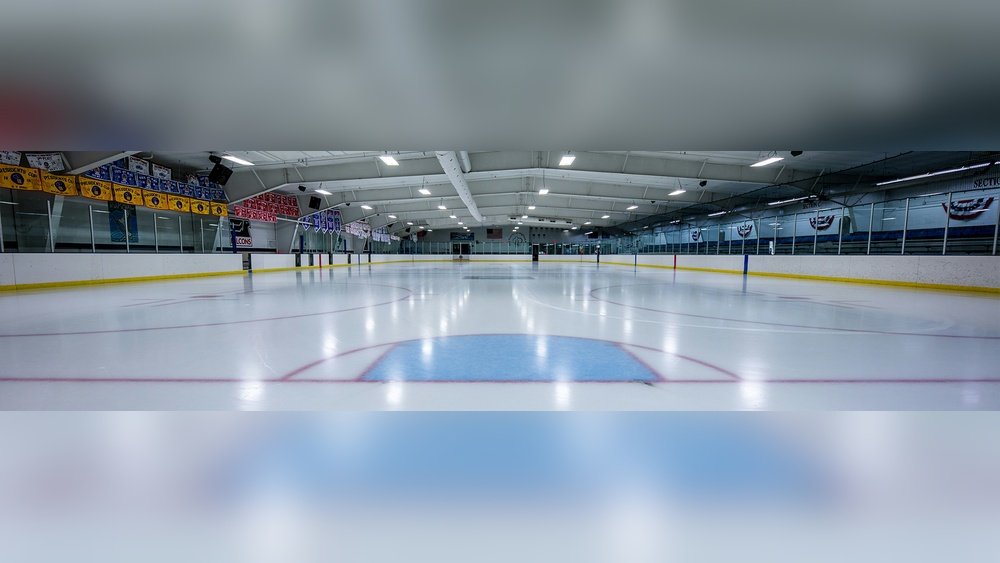
Have you ever wondered just how cold it gets inside a hockey arena? Whether you’re heading to your first game or you’re a seasoned fan, knowing the temperature inside the rink can make a big difference in how you dress and enjoy the experience.
The chill in the air isn’t just for show—it keeps the ice perfect for fast-paced action. But how cold is it really, and what can you expect when you step inside? You’ll discover the typical temperature inside hockey arenas, why it matters, and how to stay comfortable so nothing distracts you from the excitement on the ice.
Keep reading to get all the insider tips you need before your next visit!

Credit: www.phantomshockey.com
Ice Temperature Basics
The temperature inside a hockey arena plays a crucial role in maintaining the ice quality. Understanding ice temperature basics helps arena managers keep the ice smooth and safe for players. Ice temperature affects skating speed, puck movement, and overall game performance.
Maintaining the right temperature is a delicate balance. Too warm or too cold, and the ice surface can become unsafe or uneven. Here are key points about ice temperature in hockey arenas.
Ideal Ice Temperature Range
The best ice temperature for hockey usually ranges from -5°C to -3°C (23°F to 27°F). This range keeps the ice hard enough for fast skating. It also avoids making the surface too brittle or too soft.
Many arenas set the temperature near -4°C (25°F) for optimal play. This range supports quick puck movement and good player control.
Impact Of Temperature On Ice Quality
Temperature changes directly affect ice quality. Warmer ice feels soft and can cause more friction. This slows players and makes puck handling difficult.
Colder ice becomes hard and brittle. It may crack or chip under heavy use. This creates rough spots that players want to avoid.
Constant monitoring keeps the ice consistent. Even small shifts in temperature can change the ice texture quickly. Proper control helps keep games fair and safe.
Air Temperature Inside Arenas
Air temperature inside hockey arenas plays a key role in the game experience. It affects players’ performance and fans’ comfort. Maintaining the right temperature is a delicate balance. The ice surface needs to stay frozen, while the air temperature must support physical activity and spectator enjoyment. Different zones inside the arena often have varied temperatures to meet specific needs.
Typical Air Temperatures For Players
Players usually experience colder air near the ice surface. The temperature typically ranges from 50 to 60 degrees Fahrenheit (10 to 16 degrees Celsius). This cooler air helps keep the ice solid and reduces sweat evaporation. It also prevents players from overheating during intense physical effort. Coaches and trainers monitor conditions to keep players comfortable and safe.
Fan Comfort And Air Temperature
Fans in the stands usually enjoy warmer air than players. Arena temperatures for spectators often range from 60 to 70 degrees Fahrenheit (16 to 21 degrees Celsius). This range keeps fans comfortable without causing condensation on the ice. Arenas use air circulation systems to balance warmth for fans and cold for the ice. Proper ventilation is important to prevent dampness and maintain clear sightlines.
Factors Affecting Ice Conditions
Maintaining perfect ice in a hockey arena depends on many factors. Ice quality affects player safety and game speed. Understanding these factors helps keep ice smooth and hard. Temperature control alone is not enough to ensure good ice conditions.
Several environmental and structural elements play a key role in ice maintenance. Let’s explore the main factors that influence ice conditions inside hockey arenas.
Humidity Control
Humidity affects ice by adding moisture to the air. Too much moisture causes fog and soft ice. Dehumidifiers reduce humidity and keep the air dry. Dry air helps maintain a hard and fast ice surface. Constant monitoring is necessary to balance humidity levels.
Ventilation And Airflow
Proper airflow removes warm air and moisture from the arena. Ventilation systems circulate air to prevent hot spots. Even air distribution keeps ice temperature consistent. Poor airflow leads to uneven ice and weak spots. Fans and vents work together to control arena air.
Arena Size And Insulation
Larger arenas require more cooling power to keep ice cold. Insulation stops outside heat from entering the rink. Good insulation lowers energy costs and stabilizes temperature. Small gaps or poor insulation cause temperature swings. Proper building design protects ice quality year-round.

Credit: www.hockeymonkey.com
Ice Maintenance Techniques
Maintaining the ice quality inside a hockey arena requires careful techniques. These methods ensure smooth, safe, and fast ice for players. Proper ice maintenance balances temperature and surface condition. This section explains key ice maintenance techniques used in hockey arenas.
Resurfacing Methods
Resurfacing keeps the ice smooth and even. Machines called ice resurfacers shave off rough layers. They then apply a thin layer of water. This water freezes quickly, creating a fresh ice surface. Frequent resurfacing prevents cracks and holes. It helps maintain ideal playing conditions throughout the game.
Refrigeration Systems
Refrigeration systems control the ice temperature. Pipes under the ice carry a coolant liquid. This liquid absorbs heat, keeping the ice cold. Maintaining a steady temperature stops melting and refreezing. It ensures the ice stays hard and fast. Modern systems use energy-efficient technology for better control.
Temperature Monitoring Tools
Temperature monitoring tools track ice and air temperature. Sensors placed on and under the ice send data constantly. This data helps staff adjust cooling systems immediately. Monitoring avoids temperature fluctuations that damage ice quality. Accurate readings keep the arena comfortable for players and fans.
Seasonal And Regional Variations
Temperature inside a hockey arena changes based on season and location. These changes affect the ice quality and comfort of players and fans. Understanding these variations helps in managing the arena environment better.
Challenges In Warm Climates
Warm climates make it hard to keep ice frozen. High outside temperatures raise indoor humidity. This leads to soft or melting ice surfaces. Cooling systems must work harder, increasing energy costs. Fans may feel uncomfortable if the arena is too cold or humid. Maintaining a consistent temperature is a constant challenge in these areas.
Adjustments During Different Seasons
Temperature control shifts with the seasons. In winter, less cooling is needed. Heating systems help keep spectators comfortable. Summer requires stronger refrigeration to keep ice solid. Ventilation adjusts to reduce humidity inside. Arena managers monitor temperature closely to balance ice and air quality. Seasonal adjustments ensure a good experience year-round.
Credit: www.sportsgearswag.com
What Fans Should Expect
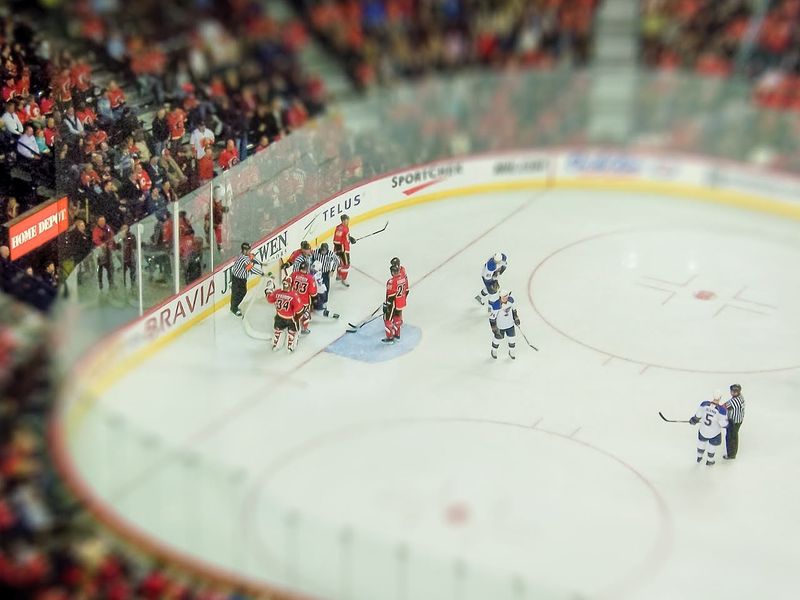
Fans attending a hockey game should prepare for chilly conditions inside the arena. The temperature usually stays low to keep the ice solid and smooth. Expect an environment cooler than typical indoor venues. This helps maintain the quality of the ice for the players and the game.
Understanding what to wear and where to sit will improve comfort and enjoyment during the game. Small adjustments can make a big difference in how fans experience the cold atmosphere. Here is what fans should keep in mind before heading to the hockey arena.
Dressing Tips For Arena Temperatures
Wear layers to stay warm and flexible. A light sweater or fleece works well under a jacket. Avoid heavy coats that restrict movement. Gloves and a hat can help keep extremities warm. Comfortable shoes with warm socks are a good choice. Bring a scarf or neck warmer to protect your face from cold air. Remember, arenas can feel colder near the ice. Dress accordingly to enjoy the game without shivering.
How Seating Location Affects Experience
Seats close to the ice feel colder due to their proximity. Fans sitting higher up often experience slightly warmer air. Side sections may get more drafts compared to center sections. Seats near exits can be drafty, especially during breaks. Choosing a seat away from open doors helps reduce cold air exposure. Consider these factors to balance view quality and comfort. Knowing this helps fans pick the best seat for their needs.
Technology Enhancements
Modern hockey arenas rely on advanced technology to maintain ideal temperatures. These innovations ensure the ice stays solid and fans remain comfortable. Technology enhancements help arenas save energy and reduce costs. They also improve the overall experience for players and visitors.
Smart Climate Control Systems
Smart climate control systems adjust temperature and humidity automatically. Sensors monitor conditions continuously inside the arena. These systems prevent the air from becoming too dry or too humid. They keep the ice surface consistent and safe for players. Fans enjoy a comfortable environment without feeling too cold. The system also reduces energy waste by using precise controls.
Innovations In Ice-making Equipment
New ice-making machines freeze the rink faster and more evenly. They use less energy compared to older models. Modern refrigeration units maintain the ice at a perfect temperature. Ice quality improves, which helps players perform better. These machines also require less maintenance, lowering operational costs. Consistent ice conditions reduce game delays and cancellations.
Common Temperature Issues
Maintaining the right temperature inside a hockey arena is critical. Temperature problems can affect both the players and the ice surface quality. These issues often arise due to poor air circulation or improper cooling system settings. Understanding common temperature problems helps in managing the arena better. Below are two frequent challenges arenas face.
Fog And Condensation Problems
Fog inside the arena reduces visibility for players and fans. It forms when warm, moist air meets the cold ice surface. Condensation appears on glass and walls, making surfaces slippery and unsafe. These issues often result from high humidity or uneven air temperature control. Proper ventilation and dehumidifiers help reduce fog and condensation. Keeping air temperature stable above the ice is also important.
Ice Softening And Cracking
Ice softening happens when the arena temperature rises above optimal levels. Soft ice slows down the puck and increases player injuries risk. Cracks form as the ice expands and contracts with temperature changes. Both problems degrade ice quality and game performance. Maintaining a steady cold temperature around 24-26°F (-4 to -3°C) is essential. Regular ice resurfacing and cooling system checks prevent softening and cracking.
Frequently Asked Questions
How Warm Should You Dress For A Hockey Game?
Dress in layers with a light jacket or sweater for a hockey game. Arenas stay around 50-60°F (10-15°C). Wear comfortable, warm clothing to adjust easily to cooler temperatures inside.
How Cold Is It Inside A Hockey Rink?
The temperature inside a hockey rink ranges from 50°F to 60°F (10°C to 15°C). The ice surface stays around 24°F (-4°C). This keeps the ice solid and the arena cool for players and fans. Dressing in layers is recommended to stay comfortable.
What’s The Temperature In An Ice Hockey Arena?
The temperature inside an ice hockey arena typically ranges from 55°F to 65°F (13°C to 18°C). The ice surface stays around 24°F (-4°C) to keep it solid. Air remains cool for player safety and ice quality, ensuring a comfortable experience for fans with light jackets.
How Warm To Dress For An Ice Rink?
Dress in layers with a light jacket, sweater, or sweatshirt for an ice rink. Add layers if very cold. Comfortable, warm clothing keeps you cozy inside.
Conclusion
The temperature inside a hockey arena stays cold to keep the ice solid. It usually ranges between 50 and 60 degrees Fahrenheit for spectators. Players feel colder because the ice surface is near freezing. Dressing in layers helps visitors stay comfortable during the game.
Knowing the arena’s temperature helps you prepare better for your visit. Enjoy the fast-paced action without feeling too chilly or too warm. Ice hockey arenas balance comfort and ice quality to create a great experience.