
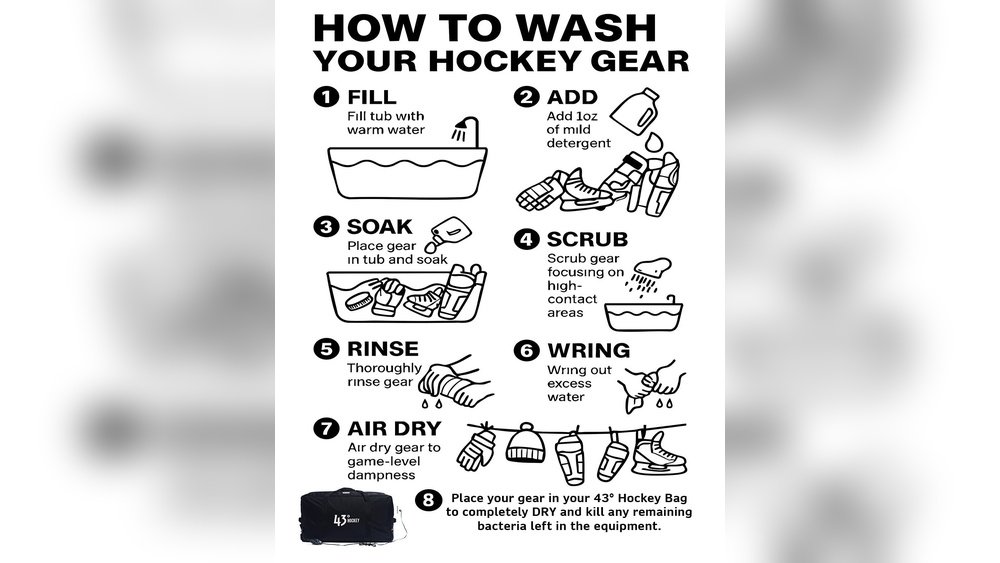
You love the game, but does your hockey gear love being worn? If your equipment smells less like fresh ice and more like a locker room disaster, it’s time to take action.
Washing your hockey gear isn’t just about staying fresh—it’s about protecting your health, extending the life of your gear, and boosting your confidence on the ice. You might wonder, “Can I really wash all my gear in the washing machine?
” or “How do I avoid ruining expensive equipment? ” This guide will clear up the confusion and show you exactly how to clean your hockey gear safely and effectively. Keep reading to discover easy tips that will have your gear smelling clean, feeling fresh, and ready for your next game.
Gear Suitable For Machine Washing
Washing hockey gear in a machine saves time and keeps your equipment fresh. Some items handle machine washing well. Others need special care to avoid damage. Knowing which gear suits machine washing helps maintain quality and hygiene.
Jerseys And Base Layers
Jerseys and base layers are made from durable fabrics. They clean well in a washing machine. Use cold water and a gentle cycle to protect colors. Avoid bleach to keep the fabric strong. Hang dry to prevent shrinking and wear.
Pants And Breezers
Pants and breezers can usually go in the machine. Clip all buckles and secure Velcro before washing. Use a mesh laundry bag to protect your washer. Wash on a gentle cycle with cold water. Air drying keeps the padding in good shape.
Gloves And Pads
Gloves and pads often have tough materials inside. Machine wash them carefully on a delicate cycle. Put gloves and pads in mesh bags for safety. Use mild detergent and cold water only. Let them dry fully outside to avoid bad smells.
Socks
Socks are easy to machine wash. Cold water and gentle detergent work best. Avoid fabric softeners as they reduce sock performance. Wash socks with other hockey gear for convenience. Hang or lay flat to dry and keep their shape.
Items To Hand-wash Or Clean Separately
Some hockey gear needs special care and should never go in the washing machine. These items are delicate or have parts that can break easily. Hand-washing or cleaning them separately keeps your equipment safe and in good shape for the next game. Proper cleaning also helps stop bad smells and bacteria from building up. Focus on skates, helmets, and goaltending gear. Each requires different care methods to stay clean and last longer.
Skates And Liners
Skates must never enter the washing machine. The water and spinning can damage the blades and boot. Remove the liners if possible. Hand-wash liners in cold water with mild soap. Let them air dry fully before putting them back. Spray the inside of skates with antibacterial spray to kill germs. Wipe off any dirt or sweat after each use. This keeps your skates fresh and prevents bad odors.
Helmet And Liners
Helmets have foam padding and other parts that break easily in a washer. Remove the liners and wash them by hand. Use a gentle detergent and cold water. Rinse well and air dry away from direct sun. Spray the helmet’s shell and inside with a disinfectant spray. Wipe down with a clean cloth to remove dirt and sweat. This cleaning method protects your helmet and keeps it hygienic.
Goaltending Gear
Goaltending gear often has thick padding and special materials. Some parts like blockers and gloves can be hand-washed with mild soap and water. Use a soft brush to clean tough spots. Avoid soaking gear for too long. Some small parts can be cleaned in a dishwasher, but check the manufacturer’s advice first. Always air dry goaltending gear completely to stop mold and bad smells. Proper care extends the life of this expensive gear.
Preparing Gear For Washing
Preparing hockey gear for washing is crucial to keep it in good shape. Proper preparation prevents damage and helps your gear last longer. Follow simple steps to get your equipment ready before putting it in the washer.
Start by securing all parts that could get tangled or caught during the wash. Use protective bags to keep smaller items safe. Also, manage the load size to avoid overloading your machine. These tips ensure a thorough and safe cleaning process.
Securing Buckles And Velcro
Fasten all buckles tightly to avoid breakage. Stick all Velcro strips together to stop them from catching on other items. This prevents tears in your gear and protects your washing machine. Double-check every strap and closure before washing.
Using Mesh Laundry Bags
Place small items like gloves and socks inside mesh laundry bags. These bags protect gear from damage and keep small pieces from getting lost. Mesh bags also reduce friction between items, which helps maintain their shape. Always use quality mesh bags for best results.
Managing Load Sizes
Do not overload your washing machine with too much hockey gear. Large loads can prevent proper cleaning and cause damage. Divide gear into smaller loads based on your washer’s capacity. Smaller loads allow water and detergent to reach every item effectively.
Choosing Detergents And Wash Settings
Choosing the right detergent and wash settings is key to cleaning hockey gear safely. The wrong detergent or cycle can damage your equipment or leave odors behind. Use mild or sports detergents designed for activewear. These clean well without breaking down fabrics or padding.
Setting your washing machine on a gentle cold water cycle helps protect the gear’s shape and materials. Cold water prevents shrinking and color fading. Avoid harsh chemicals like bleach that can weaken fabric fibers and ruin your gear.
Selecting Mild Or Sports Detergents
Pick detergents made for sports clothes or sensitive skin. These detergents remove sweat and grime without harsh chemicals. Mild detergents keep protective padding intact and avoid skin irritation. Avoid regular detergents with strong fragrances or additives that can build up inside the gear.
Avoiding Bleach
Bleach damages hockey gear materials quickly. It breaks down fabric and padding fibers. Bleach also causes colors to fade and weakens stitching. Skip bleach to extend your gear’s life. Use safer cleaning agents to maintain the gear’s durability and appearance.
Adding Vinegar For Odor Control
Vinegar fights tough odors naturally. Add half a cup of white vinegar to the rinse cycle. Vinegar neutralizes bacteria that cause bad smells. It softens fabric without harmful chemicals. Vinegar is a simple, eco-friendly way to keep your gear fresh after every wash.
Using Gentle Cold Water Cycles
Always choose cold water for washing hockey gear. Hot water can shrink or damage padding and fabric. Gentle cycles reduce agitation, protecting straps and seams from tearing. Cold water and gentle washing keep your gear clean and in good shape for longer.
Drying Techniques For Hockey Gear
Proper drying techniques keep hockey gear fresh and safe to use. Wet gear can cause bad smells and damage. Drying gear well after washing stops mold and mildew growth. It also helps maintain the gear’s shape and durability. Use the right drying methods to protect your hockey equipment and extend its life.
Air Drying And Using Fans
Air drying is the safest way to dry hockey gear. Hang the equipment in a well-ventilated area. Use a drying rack or clothesline to spread out the gear. Place fans nearby to speed up the drying process. Fans help move air around and reduce moisture quickly. Avoid damp, enclosed spaces for drying.
Avoiding High Heat Damage
High heat can ruin hockey gear materials. Avoid placing gear near heaters or direct sunlight. Heat can warp plastics and shrink fabrics. Never use hot water or high heat settings for drying. Choose cool or room temperature air instead. Gentle drying protects the gear’s padding and stitching.
Safe Dryer Use For Certain Items
Some hockey gear can go in the dryer on low heat. Check the care labels first to be sure. Use a delicate or air-dry setting to avoid damage. Place gear in a mesh laundry bag to protect it. Avoid drying bulky pads in the dryer to prevent warping. Air dry bulky items instead.
Preventing Mold And Mildew
Drying gear quickly prevents mold and mildew. Never store gear while it is still damp. Always air out gear after each use. Use moisture-absorbing products inside gear bags. Keep gear bags open and dry between uses. Clean gear regularly to avoid bacteria buildup and bad smells.
Credit: www.reddit.com
Maintaining Equipment Longevity
Maintaining your hockey gear is key to keeping it durable and safe. Proper care helps avoid wear and tear. Clean and store your equipment well to extend its life. Follow simple steps to protect your investment and stay ready for every game.
Regular Cleaning Schedules
Wash your hockey gear after every use. Use a gentle cycle with cold water. Avoid bleach and harsh detergents. Sports-specific or mild detergent works best. Always fasten buckles and Velcro before washing. Use mesh laundry bags to protect small parts. Dry your gear by air, never in a dryer. Regular cleaning stops odor and bacteria build-up.
Proper Storage Tips
Store your hockey gear in a cool, dry place. Avoid damp or hot areas that cause damage. Use ventilated bags or open racks for airflow. Keep items separate to prevent crushing or bending. Do not leave gear in your car for long. Proper storage maintains shape and prevents mold or mildew.
Handling Delicate Components
Handle helmets, skates, and goalie gear with care. Remove liners and wash them by hand if possible. Use antibacterial sprays to keep skates fresh inside. Avoid machine washing helmets and skates to prevent damage. Check straps and padding regularly for wear. Replace broken parts quickly to keep gear safe and functional.
Deodorizing And Sanitizing Tips
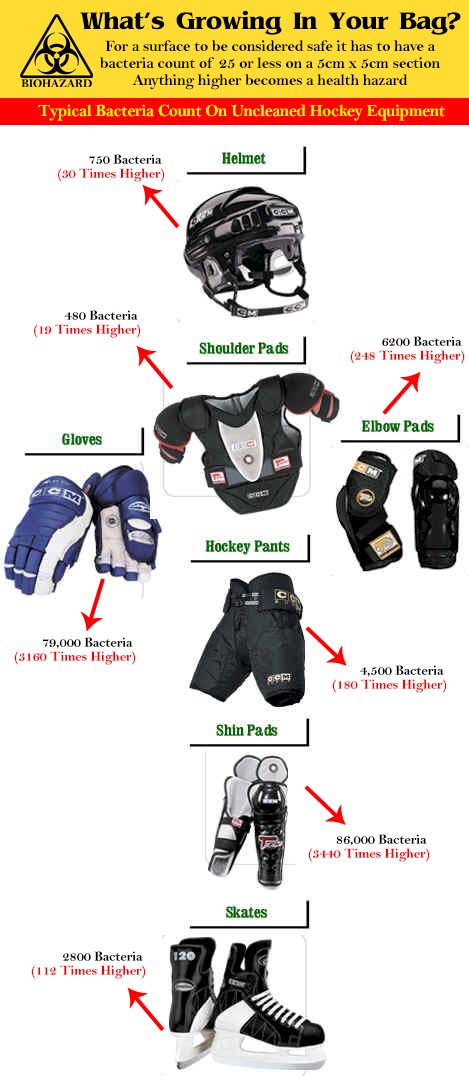
Keeping hockey gear fresh and clean is key for every player. Sweat and bacteria build up quickly, causing bad odors and potential skin problems. Proper deodorizing and sanitizing help extend gear life and keep players comfortable.
Simple steps can remove smells and kill germs effectively. Use the right products and techniques to clean all parts of your equipment.
Using Antibacterial Sprays
Antibacterial sprays kill germs and reduce odor fast. Spray inside gloves, helmets, and skates after every use. Choose sprays made for sports gear to avoid damage. Let gear dry fully before storing.
Natural Odor Eliminators
Baking soda and white vinegar are great natural odor removers. Sprinkle baking soda inside gear and leave overnight. Shake out the powder before wearing. Spray diluted vinegar on smelly spots to neutralize odors. Both are safe and easy to use.
Cleaning Inside Gear
Remove liners and pads if possible. Hand wash them with mild soap and warm water. Use a soft brush for tough stains. Rinse well and air dry completely. For hard-to-reach areas, use a damp cloth with a gentle cleaner. Always dry gear in open air to prevent mold.

Credit: www.youtube.com
Credit: luvarug.com
Frequently Asked Questions
Can I Wash Hockey Gear In The Washing Machine?
Yes, wash most hockey gear like jerseys, pads, and socks in cold water on a gentle cycle. Avoid washing skates and helmets. Use mild detergent and air dry gear to prevent damage and odor. Secure buckles and Velcro before washing to protect your clothes and machine.
Can You Put A Hockey Jersey In A Washing Machine?
You can wash hockey jerseys in a machine using cold water on a gentle cycle. Use mild detergent and hang dry. Avoid washing helmets and skates in the machine. Secure buckles and Velcro to prevent damage. Air drying protects fabric and maintains jersey quality.
How Long Should You Soak Hockey Gear?
Soak hockey gear for 15 to 30 minutes using cold water and mild detergent. Avoid soaking skates and helmets.
What Is The Best Detergent To Wash Hockey Jerseys?
The best detergent for washing hockey jerseys is a mild, sports-specific detergent. Avoid bleach and harsh chemicals. Use cold water and a gentle cycle to protect fabric and colors. Adding vinegar helps eliminate odors. Always air dry jerseys to maintain quality and prevent damage.
Conclusion
Keeping your hockey gear clean helps it last longer and stay fresh. Wash jerseys, pads, gloves, and socks carefully using cold water and mild detergent. Always secure buckles and Velcro before washing to avoid damage. Avoid washing skates and helmets in machines; clean them by hand instead.
Let your gear air dry fully to prevent mold and bad smells. Clean equipment improves comfort and safety on the ice. Regular washing keeps your hockey gear ready for every game.