Have you ever looked closely at the bottom of your soccer cleats and wondered what makes them special? The design beneath your feet is more than just a pattern—it’s the key to your grip, speed, and control on the field.
Understanding what the bottom of soccer cleats looks like can help you choose the right pair and improve your game. Ready to discover how those studs and soles work for you every time you play? Let’s dive in and uncover the secrets hidden under your cleats.
Cleat Bottom Basics
The bottom of soccer cleats plays a key role in performance. It affects grip, speed, and control on the field. Understanding the basics of cleat bottoms helps players choose the right gear.
Cleat bottoms vary by material and design. Each type serves a specific purpose for different playing surfaces and styles.
Materials Used
Most soccer cleat bottoms are made from plastic or rubber. Plastic offers lightweight support and durability. Rubber provides better traction on wet or soft fields. Some cleats combine both materials for balance. High-end cleats may use carbon fiber for extra strength and lightness. The material impacts comfort, grip, and cleat lifespan.
Common Designs
Cleat bottom designs include molded studs and detachable studs. Molded studs are fixed and shaped for firm ground surfaces. Detachable studs allow players to change studs for different fields, like soft or artificial turf. Some cleats have bladed studs for quick turns. Round studs provide stability and easy rotation. The stud pattern affects how players move and stop on the field.
Stud Types
Soccer cleats have different stud types designed for specific playing surfaces. The studs give traction and stability. Choosing the right stud type improves performance and safety. The bottom of soccer cleats shows these stud patterns clearly. Each type matches a ground condition to help players move better.
Firm Ground Studs
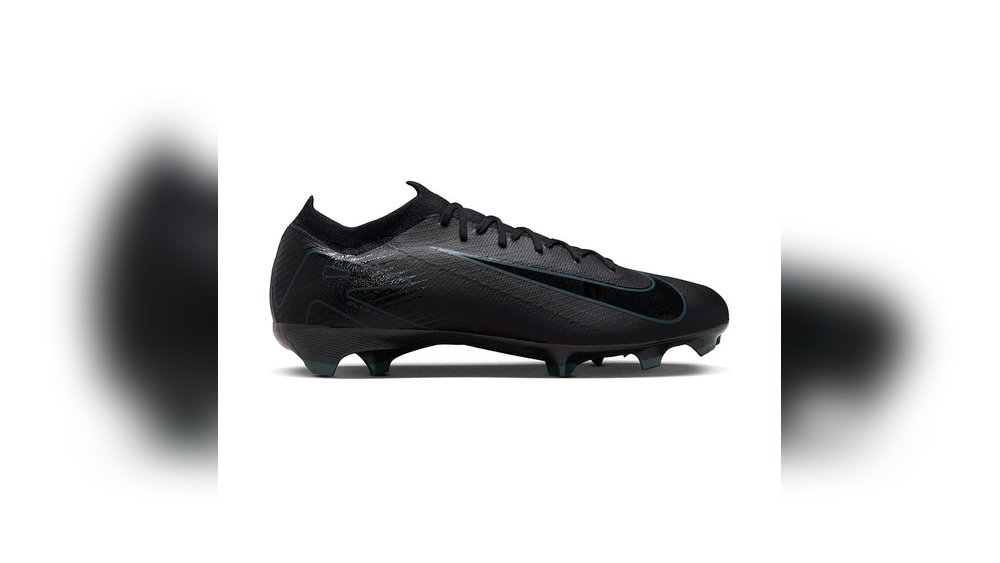
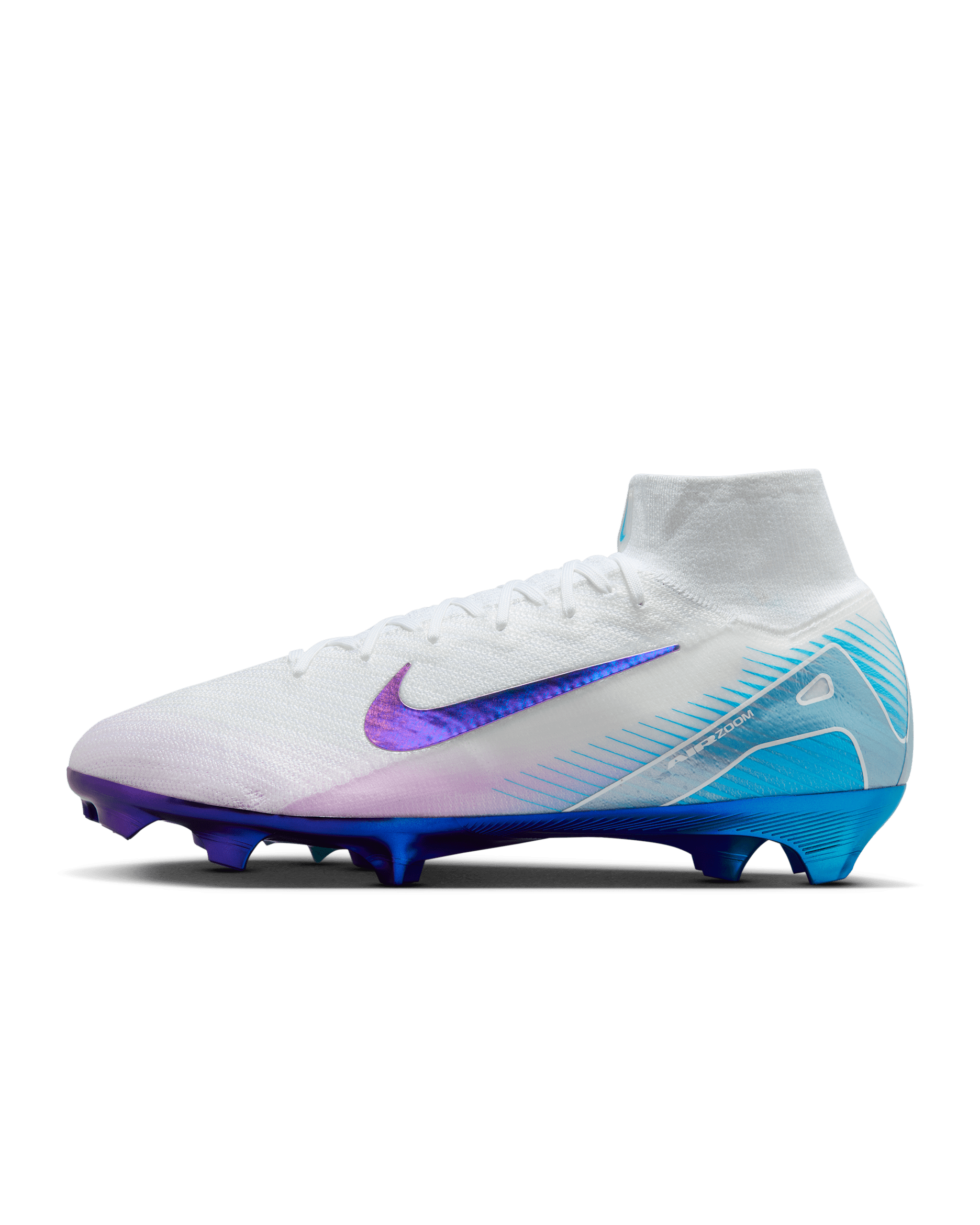
Firm ground studs are made for natural grass fields. These cleats have molded plastic or rubber studs. They are usually shorter and more numerous. The studs provide good grip on dry or slightly wet grass. They help players run and change direction fast. Firm ground studs do not dig too deep into the soil.
Soft Ground Studs
Soft ground studs are longer and often metal-tipped. They are for muddy or wet grass fields. The longer studs dig deep into soft soil. This prevents slipping and falling. Soft ground cleats usually have fewer studs. These studs are removable to replace with different lengths. They work best on very soft or wet pitches.
Artificial Ground Studs
Artificial ground studs are designed for synthetic turf fields. They are shorter and more numerous than firm ground studs. Often made of rubber or plastic, they spread out pressure evenly. This reduces the risk of injury on hard turf. These studs provide good traction without damaging the turf. They help players keep balance on artificial surfaces.
Indoor Sole Patterns
Indoor cleats have flat soles without studs. The soles have special patterns for grip on hard floors. These patterns prevent slipping in indoor courts. Indoor cleats are lightweight and flexible. They allow quick movements and sharp turns. The sole material is non-marking to protect the floor.
Sole Plate Features
The sole plate is the foundation of soccer cleats. It lies at the bottom and connects the upper part to the studs. Its design affects how players move, turn, and stay balanced on the field.
Manufacturers create sole plates with materials and shapes that offer both strength and comfort. These features help players perform better and avoid injuries.
Flexibility And Support
Soccer cleat sole plates balance flexibility and support. Flexible plates let feet bend naturally for quick movements and sharp turns. Supportive plates keep feet stable during sprints and sudden stops. The right balance helps players stay agile without risking foot strain.
Weight Considerations
Sole plates vary in weight depending on materials used. Lightweight plates reduce overall cleat weight, which can improve speed. Heavier plates often provide extra durability and protection. Players choose based on their position and style of play.

Credit: americanprepschool.com
Traction And Grip
The bottom of soccer cleats plays a vital role in how players move on the field. Traction and grip help players stay balanced and run faster. These features prevent slipping and allow quick changes in direction. The design of the cleat’s sole focuses on these needs.
Stud Placement
Studs are small spikes on the sole of soccer cleats. Their placement affects how well the cleats grip the ground. Cleats with well-placed studs provide better stability. The studs spread across the sole to balance pressure. This helps players push off the ground easily. Proper stud placement also reduces the risk of injury.
Surface Adaptation
Different fields need different cleat designs. Firm ground cleats have longer studs for natural grass. Soft ground cleats have fewer but sharper studs for wet fields. Artificial turf cleats use shorter, more numerous studs. This avoids damage to turf and improves grip. Choosing cleats for the right surface improves performance and comfort.
Differences From Football Cleats
Soccer cleats and football cleats look similar but have clear differences at the bottom. These differences suit the unique needs of each sport. Soccer players need cleats that support quick turns and fast movements. Football players need cleats built for strong stops and forward power. The design of the studs and sole plates reflects these needs.
Stud Shape And Arrangement
Soccer cleats have shorter, rounder studs. They spread out evenly to provide grip on grass and turf. This setup helps players change direction quickly without slipping. Football cleats use longer, sharper studs. They often have a mix of shapes to offer traction for running and blocking. The studs cluster more toward the heel and toe for strong stops and starts.
Sole Plate Design
The sole plate of soccer cleats is lightweight and flexible. It allows feet to bend naturally during quick moves. The plate usually covers the entire bottom to protect the foot. Football cleats have a stiffer sole plate. This design supports strong impacts and provides stability for heavy contact. The plate is thicker to protect against rough playing fields.

Credit: www.raveatv.co.il
Cleaning And Maintenance
Keeping the bottom of your soccer cleats clean helps them last longer. Dirt and mud can build up and affect your grip on the field. Proper cleaning also prevents damage to the studs and soleplate. Regular care keeps your cleats performing well during every match.
Removing Dirt And Debris
Start by knocking the cleats together to remove loose dirt. Use a soft brush to scrub off mud stuck on the sole and studs. A damp cloth can wipe away smaller particles. Avoid soaking the cleats in water to protect the materials. Let them dry naturally, away from direct heat or sunlight.
Stud Care Tips
Check the studs regularly for wear or damage. Tighten or replace removable studs as needed to maintain traction. Clean hard-to-reach areas around the studs with a small brush or toothpick. Avoid using harsh chemicals that can weaken the cleat’s sole. Proper stud care ensures better stability and safer play.
Choosing The Right Bottom
Choosing the right bottom for soccer cleats is key for better play. The sole and studs affect grip, speed, and comfort. Picking the right type helps prevent injuries and improves control. Different fields and player roles need different cleat bottoms. Understanding these differences helps you pick the best cleats.
Matching Field Type
Soccer fields vary: firm ground, soft ground, artificial turf, or indoor surfaces. Firm ground cleats have molded plastic studs for natural grass. Soft ground cleats use metal studs for slippery or muddy fields. Turf shoes have many small rubber studs for grip on artificial surfaces. Indoor shoes have flat, rubber soles for court play. Using the right bottom for the field keeps you steady and fast.
Player Position Needs
Each soccer position has unique demands on cleats. Forwards need cleats that offer quick turns and fast sprints. Midfielders benefit from cleats that combine comfort and control for long play. Defenders require cleats with strong grip for stability and tackles. Goalkeepers often choose cleats that support quick side steps. Picking cleats by position helps players perform their best.
Credit: americanprepschool.com
Frequently Asked Questions
What Is On The Bottom Of Soccer Cleats?
The bottom of soccer cleats features studs or spikes for grip on grass or turf. The soleplate supports foot stability and traction.
How To Tell If They’re Soccer Cleats?
Soccer cleats have flat, rubber or plastic studs designed for traction on grass or turf. They lack metal spikes. The sole is lightweight and flexible for quick movements. The cleat pattern is usually shorter and evenly spaced to enhance ball control.
How To Tell The Difference Between Football And Soccer Cleats?
Football cleats have longer, more aggressive studs for grip and protection. Soccer cleats feature shorter, rubber studs for better ball control and agility. Football cleats often include ankle support, while soccer cleats are lighter and lower cut for flexibility.
What Should Soccer Cleats Look Like?
Soccer cleats should have a snug fit with lightweight material and flexible soles. The bottom features molded studs for traction on grass or turf. Choose cleats matching your playing surface for optimal grip and comfort.
Conclusion
The bottom of soccer cleats shows different stud patterns. These studs help players grip the field better. Some cleats have round studs, others have bladed shapes. The design depends on the playing surface. Firm ground cleats have shorter, fixed studs.
Soft ground cleats use longer, removable studs. Turf cleats feature many small rubber studs. Understanding cleat bottoms helps you choose the right pair. This choice improves your comfort and performance on the field. Knowing this detail makes playing soccer easier and safer.