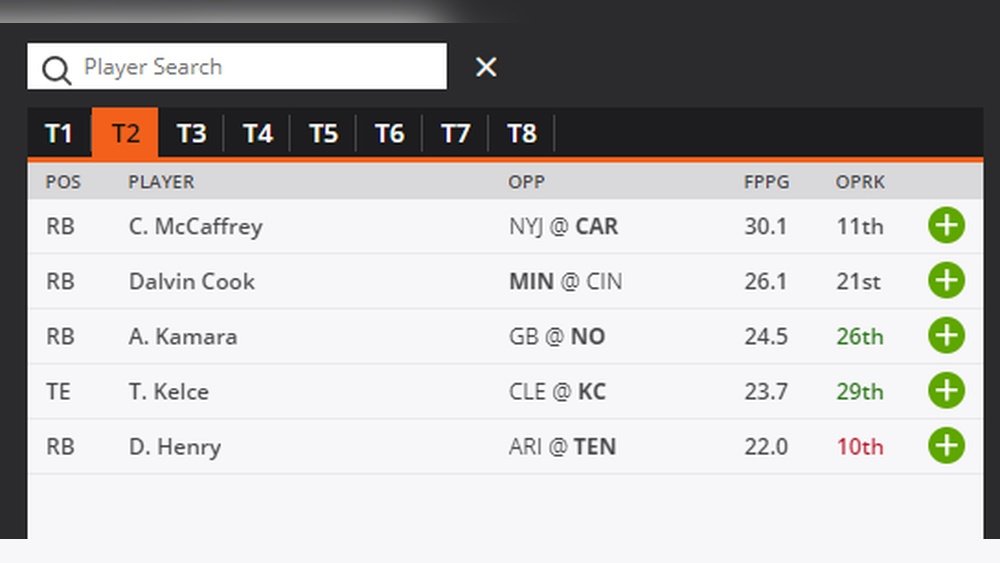
If you’re diving into DraftKings and want to boost your fantasy football game, understanding every little detail can make a huge difference. One term you might have come across is “OPRK.” But what does OPRK in DraftKings actually mean, and why should it matter to you?
Simply put, OPRK stands for Opponent Rank, and it’s a powerful tool that helps you see how tough or easy your player’s upcoming matchup will be. By learning how to read and use OPRK, you can make smarter picks and gain an edge over your competition.
Keep reading to discover exactly how OPRK works and how it can improve your fantasy strategy.
Oprk Definition
OPRK is a key term in DraftKings fantasy sports. It helps players understand matchups better. Knowing OPRK can improve your game strategy. This section explains what OPRK means and how it works.
Meaning Of Opponent Rank
OPRK stands for Opponent Rank. It shows how well an opposing team defends a specific position. A lower OPRK means the defense is strong against that position. A higher OPRK means the defense allows more points. This helps you judge which players might score more points.
How Oprk Is Calculated
DraftKings calculates OPRK by analyzing fantasy points allowed. They look at how many points a defense gives up to each position. Then, they rank all teams from best to worst. The rank shows how tough or easy the matchup is. This number updates as teams play more games.
Credit: x.com
Oprk In Draftkings
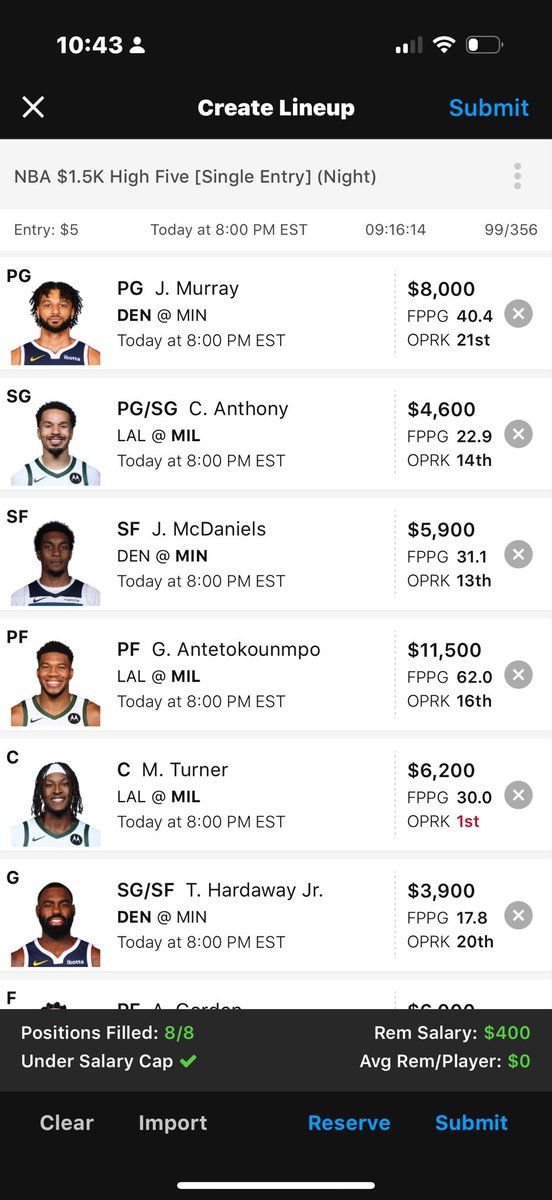
OPRK in DraftKings stands for Opponent Rank. It shows how strong or weak a defense is against a specific player position. This ranking helps fantasy football players decide who to pick based on their upcoming matchups. Understanding OPRK can improve your team strategy and increase your chances of winning.
Role In Fantasy Football
OPRK helps evaluate matchups by showing how many fantasy points a defense allows. A lower OPRK means the defense is strong against that position. A higher OPRK means the defense is weak and may give up more points. Fantasy players use this to pick opponents that are easier to score against.
Interpreting Oprk Colors
DraftKings uses colors to make OPRK easy to read. Green usually means a good matchup with a weak defense. Yellow shows a moderate matchup, neither very good nor very bad. Red signals a tough defense that limits fantasy points. These colors help players quickly assess which matchups to target or avoid.
Using Oprk To Evaluate Matchups
Using OPRK to evaluate matchups helps fantasy players make smarter decisions. OPRK, or Opponent Rank, shows how well a defense defends against specific positions. This metric reveals whether a player faces a tough or easy opponent. Understanding OPRK can improve your lineup choices and boost your chances of winning.
Assessing Opponent Strength
OPRK ranks a defense based on points allowed to each position. A low OPRK means the defense is strong against that position. A high OPRK suggests the defense is weak and allows more points. Checking OPRK helps spot easier matchups for your players. This insight guides you to pick players facing weaker defenses.
Position-specific Impact
OPRK varies by position, showing unique matchup challenges. For example, a defense may rank well against quarterbacks but poorly against running backs. Knowing this difference helps choose players with favorable matchups. Use OPRK to compare how a defense performs against each position. This allows more precise and effective player selection.
Oprk Vs. Other Metrics
OPRK, or Opponent Rank, measures how well a defense performs against a specific position. This metric helps players understand the difficulty of a matchup in fantasy football. Comparing OPRK with other metrics gives a clearer picture of player potential and game strategy. It shows defensive strength, while other stats focus on player output or consistency.
Understanding the differences between OPRK and other common fantasy metrics can improve lineup decisions. This section breaks down how OPRK compares with projected points and how it works alongside FPPG.
Comparing Oprk And Projected Points
Projected points estimate how many fantasy points a player may score in a game. These projections use past performance and current conditions. OPRK, in contrast, focuses on the opponent’s defense quality against that position. A low OPRK means the defense is strong and limits points. A high OPRK means the defense is weaker and may allow more points.
Using OPRK helps to adjust expectations from projected points. If a player faces a tough defense, their projected points might be less reliable. OPRK adds context to projections, showing if a matchup is easy or hard. This helps avoid overvaluing players facing strong defenses or undervaluing those with weak opponents.
Integrating Oprk With Fppg
FPPG means Fantasy Points Per Game. It shows how many points a player scores on average. Combining FPPG with OPRK gives a better view of player value. A player with high FPPG but low OPRK faces tough defenses but still scores well. This may indicate consistent performance.
Conversely, a player with high FPPG and high OPRK might benefit from an easier schedule. OPRK helps to predict if that player can maintain or improve their scoring. Using both stats together balances player skill with matchup difficulty. This approach helps create smarter lineups in DraftKings.
Oprk In Different Sports
OPRK, short for Opponent Rank, varies across sports on DraftKings. It shows how well an opposing team defends against a specific position. This metric helps fantasy players choose better lineups by understanding matchups. Each sport uses OPRK in a way that fits its own gameplay and scoring system.
Fantasy Football Applications
In fantasy football, OPRK ranks how tough a defense is against a position. A low OPRK means the defense is strong at stopping that position. For example, a running back facing a team with a low OPRK against running backs may score fewer points. Players use OPRK to find favorable matchups and avoid tough defenses. This helps in setting lineups with higher chances of scoring well.
Oprk In Fantasy Basketball
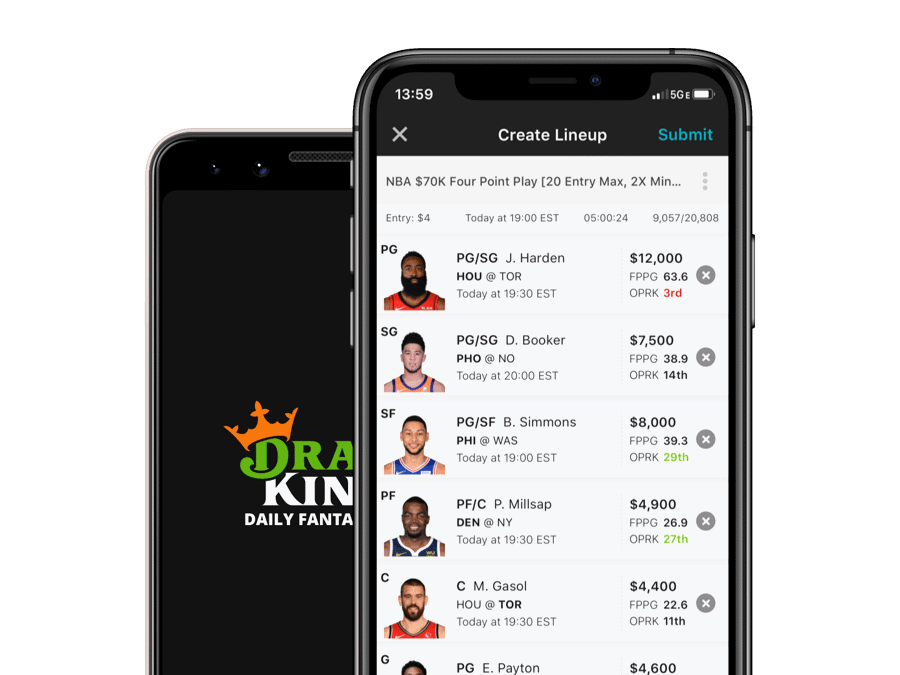
Fantasy basketball also uses OPRK to measure defensive strength. It shows how well a team defends positions like guards or forwards. A team with a high OPRK against point guards may allow more points to those players. Fantasy basketball players check OPRK to pick players facing weaker defensive teams. This improves the chance of winning by exploiting easier matchups.
Credit: careers.draftkings.com
Tips To Maximize Oprk Benefits
Maximizing the benefits of OPRK in DraftKings can improve your fantasy lineup choices. Understanding how to use this data helps pick players with better matchups. It also reduces risks from tough defenses. Follow simple tips to make the most of OPRK in your strategy.
Use OPRK as a guide but combine it with other stats. This balance gives a clearer picture of each player’s potential. Careful analysis leads to smarter picks and higher chances of winning.
Leveraging Oprk For Lineup Decisions
Check OPRK values before setting your lineup. A low OPRK means the opponent defends well against that position. Choose players facing higher OPRK numbers for better scoring chances. Pair OPRK with player form and injury news for smart decisions.
Focus on positions where OPRK shows weak defense. This strategy increases the chance of selecting players who can score more points. Use OPRK trends over several games to spot consistent patterns. Adjust your lineup accordingly to exploit favorable matchups.
Common Mistakes To Avoid
Do not rely only on OPRK for your picks. Ignoring other factors like player health or weather can hurt your results. Avoid picking players just because their opponent has a high OPRK. Look at the full context before making final decisions.
Don’t ignore defensive schemes that may change OPRK impact. Some defenses adjust tactics, making OPRK less useful for certain games. Avoid last-minute changes without updating OPRK data. Always double-check before submitting your lineup.
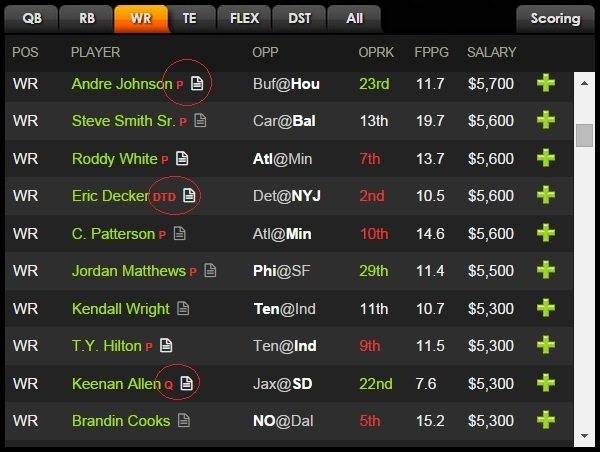
Credit: fantasyfootballers.org
Frequently Asked Questions
What Does Oprk Mean In Draftkings?
OPRK in DraftKings stands for Opponent Rank. It shows how well a team defends a specific position by fantasy points allowed. Lower OPRK means tougher defense, helping you evaluate player matchups for better fantasy decisions.
What Does Oprk Mean?
OPRK stands for Opponent Rank. It shows how many fantasy points the opposing team allows to a player’s position.
What Does The Opp Rank Mean?
OPP Rank shows how well an opposing team defends a specific position in fantasy sports. Lower ranks mean stronger defense.
How To Read Opp Rank In Fantasy Football?
Opponent Rank (OPRK) shows how well an opposing defense performs against a player’s position. Lower OPRK means tougher defense. Use it to evaluate matchups and predict player performance in fantasy football.
Conclusion
Understanding OPRK in DraftKings helps you see how tough a matchup is. It shows how well the opposing team defends a player’s position. A lower OPRK means a stronger defense against that position. Use OPRK to compare players and choose better lineups.
It adds valuable insight beyond just projected points. Keep checking OPRK to make smarter fantasy decisions. This simple number can improve your game strategy. Knowing what OPRK means gives you a clearer view of player matchups. It makes fantasy football easier to follow and enjoy.