
If you’re diving into Major League Baseball stats, you might have come across the term “WHIP” and wondered, what does it really mean? Understanding WHIP can change the way you watch the game and appreciate a pitcher’s skill.
It’s a simple stat, but it holds powerful insights about how well a pitcher controls the game by limiting baserunners. You’ll discover exactly what WHIP stands for, why it matters, and how it can help you evaluate pitchers like a pro.
Ready to boost your baseball knowledge and impress your friends? Let’s break down WHIP step by step.
Whip Basics
WHIP is an important statistic in Major League Baseball. It helps measure a pitcher’s ability to prevent batters from reaching base. This stat gives fans and analysts a quick look at how well a pitcher controls the game. Understanding WHIP is key to appreciating pitching performance.
Let’s break down what WHIP means and why it matters in baseball.
Definition And Calculation
WHIP stands for Walks plus Hits per Inning Pitched. It shows how many baserunners a pitcher allows per inning. To calculate WHIP, add the total walks and hits allowed. Then divide that number by the total innings pitched. The formula looks like this:
WHIP = (Walks + Hits) ÷ Innings Pitched
A lower WHIP means fewer players reach base, signaling better pitching. It focuses on how often batters get on base, not just runs scored.
Why Whip Matters
WHIP is a simple way to judge a pitcher’s effectiveness. It shows how well a pitcher limits opponents from reaching base. Fewer baserunners mean fewer chances for the other team to score. This often leads to more wins.
WHIP also helps compare pitchers across different teams and seasons. Fans and coaches use it to spot strong performers. It gives insight beyond basic stats like wins and ERA.

Credit: en.wikipedia.org
Whip Vs Other Stats
WHIP is a key pitching stat in Major League Baseball. It measures how many base runners a pitcher allows per inning. Comparing WHIP with other stats helps understand a pitcher’s overall performance better. This section compares WHIP to ERA and discusses its link to pitcher value.
Comparison With Era
ERA stands for Earned Run Average. It shows how many runs a pitcher gives up per nine innings. WHIP focuses on base runners, not runs. A low WHIP means fewer hits and walks allowed. A low ERA means fewer runs scored against the pitcher.
WHIP can reveal a pitcher’s control and ability to limit base runners. ERA can be influenced by team defense and errors. Both stats together give a fuller picture of pitching skill. WHIP is often more stable over time than ERA.
Whip And Pitcher Value
WHIP helps evaluate a pitcher’s effectiveness. Pitchers with low WHIP keep runners off the bases. This reduces scoring chances for the opposing team. Teams value pitchers who maintain a low WHIP.
WHIP also helps in comparing pitchers across different eras or leagues. It shows how well a pitcher controls the game. Investors and managers often use WHIP to make decisions. WHIP is a strong indicator of a pitcher’s true value.
Whip Benchmarks
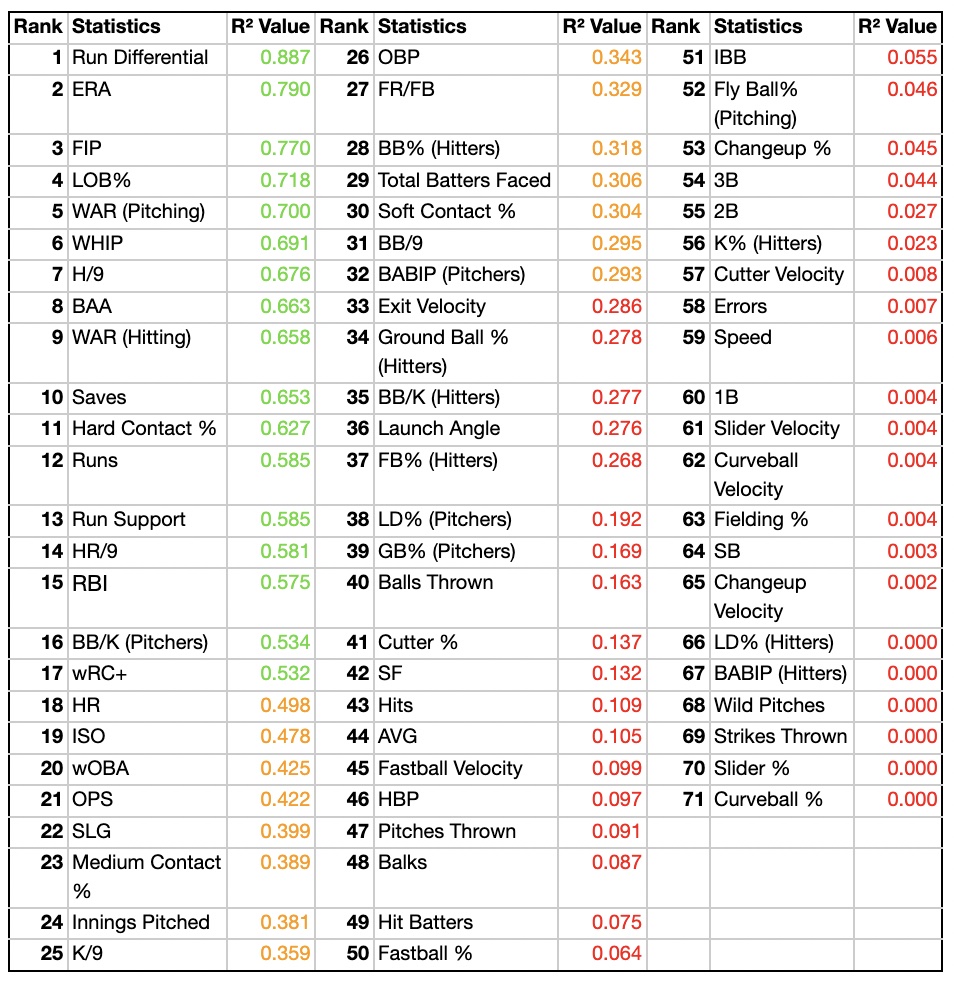
WHIP benchmarks help us understand how good a pitcher is at preventing batters from reaching base. WHIP stands for Walks plus Hits per Inning Pitched. It measures how many base runners a pitcher allows each inning. Lower WHIP numbers mean fewer runners on base and better pitching.
These benchmarks vary depending on the era and the style of play. Comparing WHIP scores gives us a clearer picture of a pitcher’s performance. It also helps fans and analysts evaluate players fairly.
What Is A Good Whip?
A good WHIP usually falls below 1.30 in Major League Baseball. A WHIP near 1.00 is excellent and shows strong control and skill. Pitchers with a WHIP above 1.50 often struggle to keep runners off base. Elite pitchers often maintain a WHIP close to or under 1.10 over their careers.
WHIP reflects a pitcher’s ability to limit base runners better than many other stats. It directly impacts the chances of scoring and winning. Fans use it to judge how tough a pitcher is to face.
Whip In Different Eras
WHIP values change over time due to shifts in playing style and rules. In the dead-ball era, pitchers had lower WHIPs because fewer hits and walks occurred. During the lively-ball era, more offense led to higher WHIPs.
In recent decades, better training and strategies have helped pitchers improve their WHIP. Still, changes in ballparks and batter skills affect these numbers. Comparing WHIP across eras requires context to understand a pitcher’s true skill.
Credit: www.samford.edu
Whip Records
WHIP is a key stat in baseball that shows how well pitchers prevent runners. It combines walks and hits allowed per inning pitched. Lower WHIP means fewer baserunners and better pitching.
Many pitchers have set impressive WHIP records. These records highlight great control and skill. Here are some of the top WHIP records in Major League Baseball.
Lowest Single-season Whip
The lowest single-season WHIP record belongs to Addie Joss. In 1908, he posted a WHIP of just 0.737. This means he allowed less than one baserunner per inning on average.
Another notable season was Pedro Martínez’s 2000 campaign. His WHIP was 0.737, matching Joss’s record. These seasons show the dominance pitchers can have over batters.
Career Whip Leaders
Career WHIP leaders show pitchers who maintained excellence over many years. Jacob deGrom currently holds one of the lowest career WHIPs. His WHIP is near 1.00, showing consistent control.
Ed Walsh also ranks high on career WHIP lists. His career WHIP is under 1.06, making him one of the best ever. These pitchers are models of precision and efficiency.
Whip In Game Strategy
WHIP plays a crucial role in shaping game strategy in Major League Baseball. It helps teams understand how well pitchers control baserunners. Managing baserunners is key to preventing scoring opportunities. Coaches and analysts use WHIP to guide decisions on pitcher usage and tactics.
Impact On Pitching Approach
Pitchers with low WHIP tend to be more cautious and precise. They focus on throwing strikes and avoiding walks. Reducing hits and walks lowers the chance of allowing runs. Pitchers may change pitch selection based on WHIP trends. A high WHIP can signal the need for adjustments in pitching style. Coaches often use WHIP to decide when to pull a pitcher. It helps balance risk and reward during a game.
Using Whip To Evaluate Pitchers
WHIP is a simple but effective stat for evaluating pitchers. It shows how many runners a pitcher allows each inning. Lower WHIP means fewer baserunners and better performance. Teams compare WHIP to select starters and relievers. It helps identify pitchers who consistently limit scoring chances. WHIP also aids in scouting and player development. This stat gives a clear picture of a pitcher’s control and effectiveness.
Common Pitching Terms
Understanding common pitching terms helps fans enjoy Major League Baseball more. Pitching involves many unique words and phrases. Knowing these terms clarifies the meaning of stats like WHIP. Here are some key pitching terms every baseball fan should know.
What Is A Meatball?
A meatball is an easy pitch to hit. It usually is a fastball thrown right down the middle. Pitchers try to avoid meatballs because batters can hit them hard. When a hitter gets a meatball, it often leads to a strong hit or a home run. Pitchers work hard to keep meatballs out of the strike zone.
Pitch Location And Movement
Pitch location means where the ball crosses the plate. Good pitchers place the ball in spots hard to hit. Pitch movement refers to how the ball changes direction in the air. Some pitches curve, drop, or slide to fool the batter. Combining good location with movement makes a pitcher tough to hit.

Credit: sports.yahoo.com
Frequently Asked Questions
What Is A Good Whip In Mlb Baseball?
A good WHIP in MLB baseball is typically around 1. 20 or lower. It shows a pitcher effectively limits baserunners. Lower WHIP values indicate better performance in preventing hits and walks. Elite pitchers often have WHIPs near or below 1.
10, reflecting strong control and dominance on the mound.
Is A 1.20 Whip Good?
A 1. 20 WHIP is considered good in baseball. It shows a pitcher effectively limits baserunners. Lower WHIP means better performance.
Who Has The Lowest Whip In Mlb History?
Addie Joss holds the lowest career WHIP in MLB history, with an exceptional 0. 967 mark. This record showcases his dominance in limiting baserunners.
What Is A Meatball In Baseball?
A meatball in baseball is an easy-to-hit pitch, usually a fastball thrown down the middle of the plate. Pitchers risk giving batters solid contact with it.
Conclusion
Understanding WHIP helps fans appreciate a pitcher’s skill better. It shows how many players reach base per inning. A lower WHIP means the pitcher controls the game well. WHIP is a key stat to watch in Major League Baseball. Knowing this term makes watching baseball more enjoyable.
Keep an eye on WHIP to see who performs best. It adds depth to the simple numbers on the scoreboard. Now, you can talk baseball with more confidence and fun.