
If you’re diving into baseball stats, you’ve probably come across the term “WHIP” and wondered what it really means. Understanding WHIP can give you a clearer picture of a pitcher’s performance beyond the usual numbers.
It tells you how many batters a pitcher lets reach base per inning through hits or walks — a key factor in controlling the game. By knowing what WHIP measures and why it matters, you’ll see the game from a sharper angle and impress your friends with your baseball knowledge.
Ready to find out what WHIP is all about and why it’s so important? Keep reading to unlock the secrets behind this valuable stat.

Credit: thedatajocks.com
Whip Stat Basics
Understanding the basics of the WHIP stat helps you grasp a pitcher’s skill. WHIP stands for Walks plus Hits per Inning Pitched. It gives a clear idea about how many base runners a pitcher allows each inning. This stat is simple but powerful for analyzing pitching performance.
WHIP focuses on the number of batters who reach base. It highlights a pitcher’s ability to keep runners off the bases. This section breaks down what WHIP means, how it is calculated, and why it is important in baseball.
Definition Of Whip
WHIP is a baseball statistic that measures the number of walks and hits a pitcher gives up per inning. It counts how many batters reach base by hit or walk. A lower WHIP means fewer runners allowed, showing better pitching control.
How Whip Is Calculated
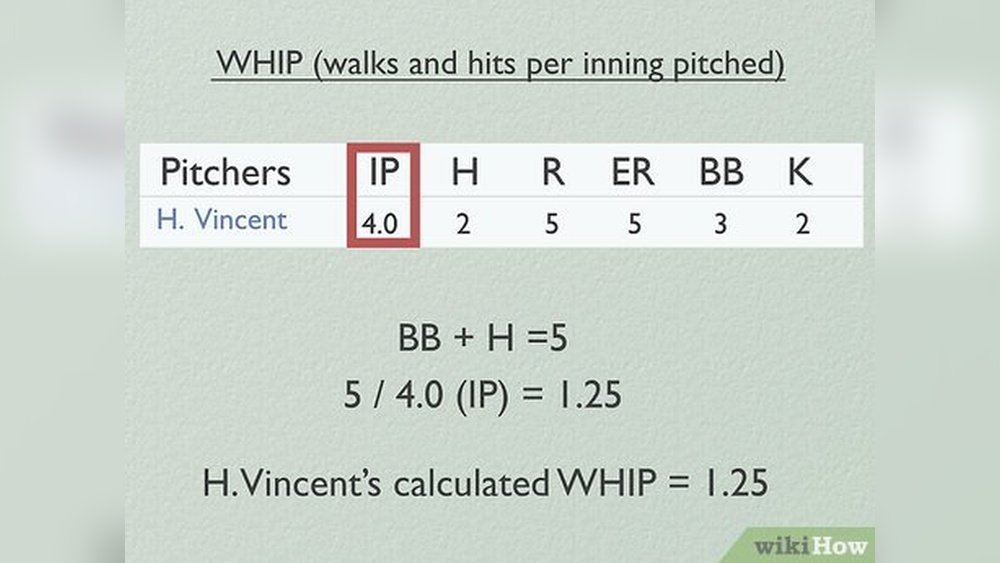
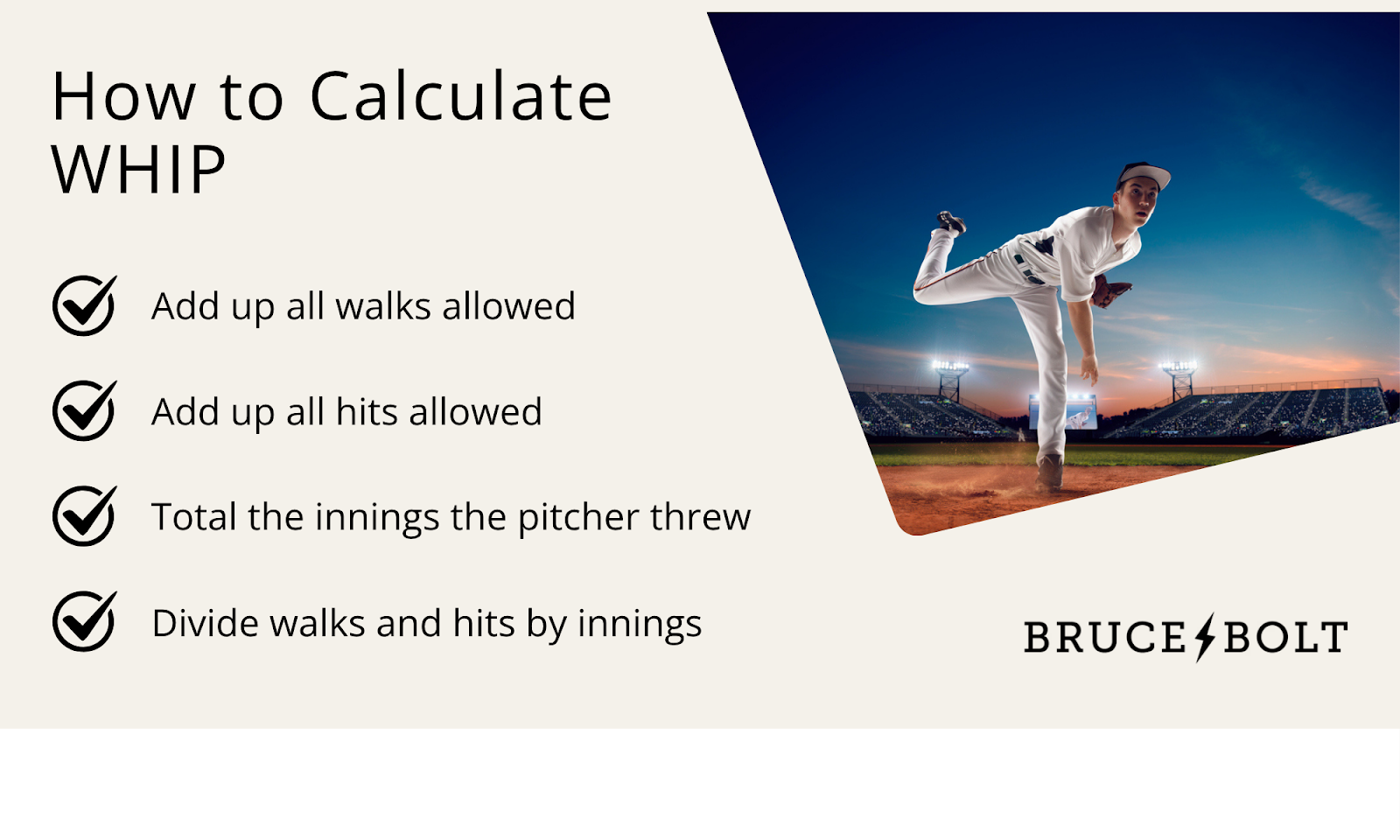
WHIP is found by adding walks and hits allowed. Then, divide this sum by innings pitched. The formula is:
WHIP = (Walks + Hits) ÷ Innings Pitched
This calculation gives an average number of base runners per inning. It helps compare pitchers regardless of how many innings they pitch.
Why Whip Matters
WHIP reveals how often a pitcher lets opponents reach base. More runners often lead to more runs. This stat shows a pitcher’s ability to control the game. Coaches and fans use WHIP to judge pitching effectiveness beyond just runs allowed.
It also helps identify pitchers who keep the game tight. A low WHIP usually means fewer scoring chances for the other team. That makes WHIP a key tool for evaluating pitchers.
Credit: brucebolt.us
Interpreting Whip Values
Understanding WHIP values helps to gauge a pitcher’s effectiveness. WHIP measures how many batters reach base per inning. Lower WHIP means fewer baserunners and better pitching. Higher WHIP indicates more batters getting on base. Let’s explore what different WHIP ranges mean for a pitcher’s performance.
Exceptional Whip Range
A WHIP between 1.00 and 1.25 is excellent. Pitchers in this range allow very few baserunners. They control the game well and limit scoring chances. Such pitchers often have strong command and pitch variety. A WHIP under 1.10 is elite and rare.
Average Whip Scores
WHIP values from 1.25 to 1.30 are average to slightly above average. Pitchers here allow a moderate number of baserunners. They perform solidly but may not dominate every inning. This range is common for many starting pitchers. Improvement is possible with better control.
Poor Whip Indicators
WHIP above 1.30 usually signals problems. Pitchers with high WHIP allow many hits and walks. They put more runners on base, increasing scoring chances for opponents. This can lead to more runs allowed and losses. High WHIP suggests a need for better command or strategy changes.
Whip Vs Era
Comparing WHIP and ERA helps understand a pitcher’s performance better. Both stats measure different things but are important. WHIP focuses on how many batters reach base. ERA looks at how many runs the pitcher allows. Knowing the difference helps fans and analysts evaluate pitchers clearly.
What Era Measures
ERA stands for Earned Run Average. It shows how many runs a pitcher gives up per nine innings. Only earned runs count, not runs due to errors. A lower ERA means the pitcher allows fewer runs. It reflects a pitcher’s ability to stop the opposing team from scoring.
What Whip Measures
WHIP means Walks plus Hits per Inning Pitched. It calculates how many batters reach base per inning. It adds walks and hits together, then divides by innings pitched. A low WHIP means fewer baserunners allowed. This stat shows how well a pitcher controls baserunners.
Strengths And Limitations
ERA measures runs, the main goal to prevent in baseball. It can be affected by the defense behind the pitcher. WHIP focuses on baserunners, giving insight into control and consistency. WHIP does not measure runs directly. Both stats can be misleading alone. They work best together for a full picture.
Which Stat To Prioritize
Prioritize ERA to understand run prevention. Use WHIP to see how many batters reach base. WHIP helps spot pitchers who allow many baserunners but few runs. ERA reveals pitchers who manage damage well. For best analysis, consider both stats side by side.
Using Whip To Evaluate Pitchers
WHIP, or Walks plus Hits per Inning Pitched, helps evaluate pitchers by measuring baserunners allowed each inning. This stat shows how well a pitcher controls the game and limits opponents from reaching base. Coaches, analysts, and fans use WHIP to understand a pitcher’s effectiveness beyond just runs allowed.
Predicting Pitching Consistency
A low WHIP often signals a pitcher who keeps runners off base regularly. Consistent control of walks and hits tends to lead to steady performance over time. This makes WHIP useful for predicting if a pitcher will maintain success across many games. Pitchers with fluctuating WHIP might struggle with consistency.
Spotting Potential Regression
WHIP can reveal when a pitcher might face trouble soon. A rising WHIP over several games may indicate declining control or increased hitter success. This trend warns that the pitcher could allow more runs later. Tracking WHIP helps spot early signs of regression before it affects win-loss records.
Complementing Other Stats
WHIP works best when combined with other pitching stats like ERA and strikeout rates. While ERA shows runs allowed, WHIP focuses on baserunners, which often lead to runs. Strikeout rates show the pitcher’s dominance. Together, these stats give a fuller picture of a pitcher’s skill and potential.
Advanced Whip Insights
Advanced WHIP insights dive deeper into the traditional WHIP stat. WHIP shows how many runners a pitcher allows per inning. But many factors can affect this number. Understanding these nuances helps better evaluate pitchers’ true performance and potential.
Adjusting For Hit Batters And Errors
Standard WHIP counts only hits and walks. It ignores hit batters and defensive errors. Hit batters add runners but do not reflect pitching skill directly. Errors allow runners but are often outside a pitcher’s control. Adjusting WHIP to include these factors gives a clearer picture. This adjusted WHIP shows how many baserunners a pitcher really allows, including all means.
Contextualizing Whip In Different Leagues
WHIP varies across leagues due to different play styles and rules. Minor leagues often have higher WHIPs because of less experienced players. International leagues may have different hitting trends affecting WHIP. Comparing WHIP without context can mislead evaluations. Considering league average WHIP helps place a pitcher’s number in perspective. It shows whether a pitcher excels or struggles compared to peers.
Whip In Player Development
Coaches use WHIP to track pitcher progress over time. Lower WHIP usually means better control and fewer mistakes. Young pitchers with high WHIPs can work on command and pitch selection. WHIP trends reveal improvement or decline in performance. It helps identify areas needing focus during training. WHIP is a simple yet powerful tool in developing pitching talent.

Credit: www.usatoday.com
Frequently Asked Questions
What Is A Good Whip Stat In Baseball?
A good WHIP in baseball ranges from 1. 00 to 1. 30. Below 1. 25 is solid, indicating fewer baserunners allowed per inning. WHIP measures walks plus hits per inning pitched, reflecting a pitcher’s control and effectiveness. Lower WHIP values signify better performance and consistency.
What Is A Good Whip To Have In Baseball?
A good WHIP in baseball ranges from 1. 00 to 1. 30. Below 1. 25 is excellent, while 1. 25–1. 30 is solid. Lower WHIP means fewer baserunners allowed per inning.
What Is More Important, Era Or Whip?
Neither ERA nor WHIP is more important; both measure different pitching aspects. ERA tracks runs allowed, WHIP shows baserunners allowed. Use both for a full evaluation.
Who Has The Lowest Whip In Mlb History?
Addie Joss holds the lowest career WHIP in MLB history with an impressive 0. 967 mark.
Conclusion
WHIP shows how many runners a pitcher allows each inning. It helps evaluate a pitcher’s control and effectiveness. A low WHIP means fewer baserunners and better pitching performance. This stat works well alongside ERA to give a full picture. Baseball fans and analysts use WHIP to compare pitchers easily.
Understanding WHIP makes following baseball more enjoyable and insightful. Keep an eye on WHIP to see who controls the game best. Simple, clear, and useful—that’s what WHIP brings to baseball.