
What sport takes the most skill? You might think it’s all about strength or speed, but real skill goes beyond that.
It’s about precision, timing, strategy, and nerves of steel. Imagine trying to hit a tiny ball coming at you at over 90 miles per hour or stopping a penalty kick when the whole crowd is watching. These moments demand more than just physical ability—they require sharp focus and incredible practice.
You’ll discover which sports challenge athletes the most and why mastering their skills is tougher than you might expect. Ready to find out what sport truly tests your limits? Keep reading!
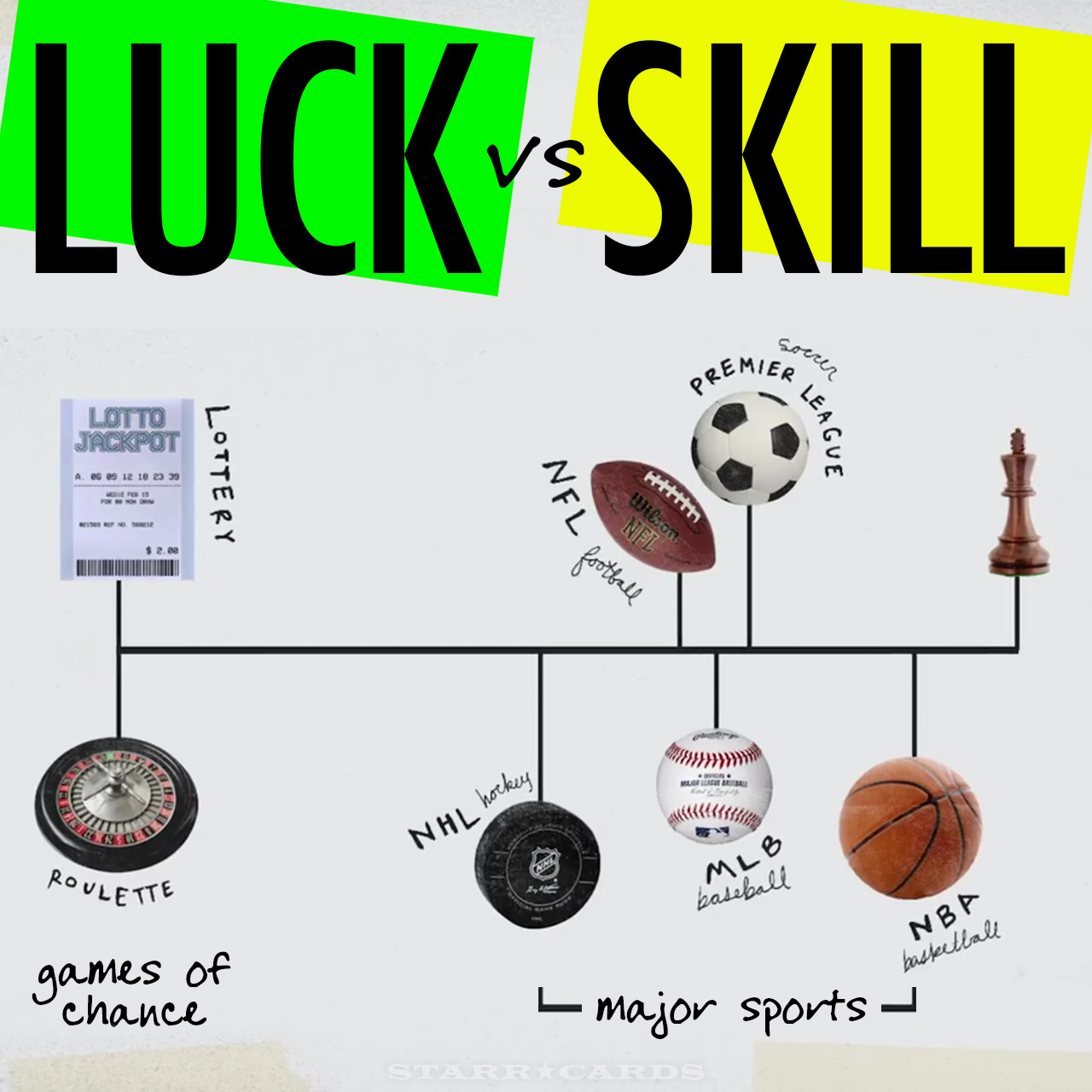
Credit: starrcards.com
Skill Demands Across Sports
Different sports require different types of skills. Some demand raw power and toughness. Others focus on precision or stamina. Understanding these skill demands helps us appreciate the unique challenges athletes face. Skills vary widely across sports, shaping how players train and compete.
High-impact Contact Sports
Sports like rugby and football involve intense physical contact. Athletes need strength and quick reflexes. They also require mental toughness to endure hits and stay focused. These sports test both the body and mind constantly. Players must make split-second decisions under pressure.
Precision And Timing Sports
Sports such as baseball and gymnastics rely on exact timing and accuracy. Hitting a baseball requires fast hand-eye coordination and sharp focus. Gymnasts perform complex moves needing perfect balance and control. These sports demand intense practice to perfect small details.
Endurance And Agility Challenges
Running, cycling, and soccer test stamina and speed. Athletes must maintain energy for long periods. Agility helps them change direction quickly and avoid opponents. Endurance sports push the limits of physical and mental resilience. Training focuses on building both strength and cardiovascular fitness.
Baseball’s Hitting Challenge
Hitting a baseball ranks among the toughest skills in sports. The batter faces a ball moving over 90 miles per hour. They have just milliseconds to decide to swing or not.
This split-second decision demands more than strength. It requires a blend of speed, precision, and mental control. Each pitch brings a new challenge and no room for error.
Speed And Reaction Time
A fast pitch leaves the batter only about 0.4 seconds to react. This time includes seeing the ball, deciding to hit, and moving the bat. The batter must process information faster than the eye can follow.
Quick reflexes and sharp timing help the batter connect with the ball. Any delay can mean a missed opportunity or a weak hit.
Hand-eye Coordination
Precise hand-eye coordination is vital in baseball hitting. The batter tracks a small ball that can spin and change direction suddenly. The hands must align perfectly to make solid contact.
Even the smallest misjudgment can cause a foul ball or a miss. This skill improves with practice but never becomes easy.
Mental Focus Under Pressure
Batters must stay calm and focused, especially in critical moments. Pitchers try to outsmart them with different speeds and locations. Concentration helps batters ignore distractions and trust their instincts.
Strong mental control separates the best hitters from the rest. Maintaining focus allows them to perform well under intense pressure.
Boxing’s Complexity
Boxing is more than just throwing punches. It requires a blend of physical and mental skills. The sport demands a unique mix of endurance, speed, and sharp focus. This complexity makes boxing one of the most skillful sports in the world.
Every fight tests a boxer’s ability to stay strong, move fast, and think clearly. Understanding these elements helps to see why boxing stands out for its skill demands.
Endurance And Stamina
Boxers need great endurance to last through many rounds. Each round drains energy fast. They train hard to keep their power and focus. Without stamina, a boxer can tire quickly and lose control. This endurance is built through constant, intense workouts.
Speed And Agility
Speed helps boxers land punches before their opponent reacts. Agility allows quick movement to dodge hits. Boxers must shift their body weight fast and change direction easily. These skills protect them and create chances to strike back.
Strategic Hand-eye Coordination
Hand-eye coordination is crucial in boxing. Boxers must see their opponent’s moves and respond instantly. They need to aim punches accurately while defending themselves. This skill requires constant practice and sharp focus during the fight.

Credit: www.amazon.com
Goalkeeping And Penalty Kicks
Goalkeeping in soccer demands a unique blend of skills, especially during penalty kicks. These moments test the goalkeeper’s ability to react fast, read the opponent, and stay calm under intense pressure. Few roles in sports require such sharp focus and quick decision-making.
Reaction Speed
Goalkeepers must react in a split second. Penalty kicks leave little time to move. The ball travels very fast, often over 70 miles per hour. A quick jump or dive can stop a goal. Reaction speed can be the difference between winning and losing.
Predictive Skills
Reading the kicker’s body language helps goalkeepers guess shot direction. They watch the player’s foot, hips, and eyes closely. This skill is learned through experience and study. A good prediction can save a goal before the ball is kicked.
Pressure Handling
Penalty kicks create high stress for goalkeepers. Fans, teammates, and the game’s outcome add pressure. Staying calm helps goalkeepers focus on the ball. Mental strength is as important as physical skill during these moments.
Other Notable Skill-intensive Sports
Several sports demand exceptional skill beyond the well-known contenders. These sports require unique abilities that challenge athletes physically and mentally. Their skill sets make them stand out as truly demanding.
Gymnastics Precision And Poise
Gymnastics demands exact body control and balance. Every move must be flawless and timed perfectly. Athletes perform complex routines on various apparatuses. Strength, flexibility, and focus combine to create seamless performances. Even slight errors can lead to major point deductions. This sport tests both physical and mental skill intensely.
Basketball’s Tempo And Skill
Basketball moves at a fast pace with constant action. Players need quick reflexes and sharp decision-making skills. Dribbling, shooting, and passing require great hand-eye coordination. The game also calls for teamwork and spatial awareness. Maintaining stamina through a long season adds to its difficulty. Skill and speed blend to shape this dynamic sport.
Rugby’s Continuous Physical Demand
Rugby is a high-contact sport with nonstop movement. Players must combine strength, endurance, and tactical thinking. The game involves tackling, running, and passing under pressure. It requires mental toughness and physical resilience. The lack of protective gear increases the challenge. Rugby tests skill and stamina in harsh conditions.
Global Popularity And Accessibility
Global popularity and accessibility shape how we view skill in sports. A sport played worldwide gains more attention and respect. Accessibility allows more people to develop their skills. Sports that are easy to play grow faster and reach more players. This section explores these ideas through soccer’s reach, the accessibility of sports, and major competitions.
Soccer’s Worldwide Reach
Soccer is the most popular sport globally. Millions play it across all continents. It needs only a ball and open space. This simplicity makes soccer easy to adopt. Soccer unites different cultures and communities. Its global fan base grows every year.
Accessibility Of Sports
Accessibility depends on cost, equipment, and space. Some sports require expensive gear and special fields. Others need just a ball or no equipment at all. Sports like running, soccer, and basketball are easy to start. They allow people from many backgrounds to join. Greater accessibility means more players and higher skill levels.
Major International Competitions
International events showcase top-level skills. The FIFA World Cup is the most-watched soccer tournament. The Olympics feature many sports from all over the world. These events inspire young athletes to improve. They show the highest skill standards in each sport. Fans get to see the best athletes compete.
Individual Vs Team Skill Dynamics
Skills in sports differ based on whether an athlete competes alone or with a team. Individual sports focus on personal technique and mental strength. Team sports require players to work together and trust each other. Understanding these differences helps identify which sport demands the most skill.
Both individual and team sports challenge athletes but in unique ways. Individual skill depends on concentration and self-discipline. Team skill depends on communication and shared strategy.
Individual Attention Benefits
Individual sports allow athletes to focus fully on their own abilities. They control every move and decision during competition. This focus sharpens concentration and self-awareness. Athletes learn to manage pressure alone. Success depends on personal dedication and skill development. Examples include tennis, gymnastics, and boxing.
Team Coordination And Strategy
Team sports rely on players working as one unit. Coordination between members creates effective plays and defense. Strategy involves understanding each player’s role. Communication is key to adapt during the game. Players support each other to reach a common goal. Sports like basketball, soccer, and rugby show this dynamic.
Success Factors For Adhd Athletes
ADHD athletes often excel in both individual and team sports. They may find team sports helpful due to constant interaction and clear roles. Individual sports can benefit those who thrive on routine and focus. Exercise helps improve attention and reduce restlessness. Coaches who understand ADHD can tailor training for better results. Both settings can build confidence and skills effectively.

Credit: www.coachrandyjackson.com
Frequently Asked Questions
What’s The Top 5 Hardest Sports?
The top 5 hardest sports are rugby, football, boxing, gymnastics, and basketball. They demand extreme skill, endurance, and mental toughness.
What Is The Hardest Skill In Any Sport?
The hardest skill in any sport is often hitting a baseball due to its extreme speed, precision, and reaction demands. Other tough skills include boxing’s endurance and agility, and goalkeepers stopping penalty kicks under intense pressure. These skills require exceptional focus and physical control.
What Is The 1 Sport In The World?
Soccer (football) is the 1 sport worldwide. It boasts billions of fans and is played across nearly every country. Major events like the FIFA World Cup attract massive global audiences. Its simplicity and accessibility make it the most popular and widely followed sport on Earth.
What Sport Is Adhd More Likely To Win?
ADHD athletes often excel in fast-paced, high-energy sports like basketball, soccer, and tennis. These sports match their focus and impulsivity.
Conclusion
Skill in sports demands focus, practice, and mental strength. Different sports test unique abilities, from speed to precision. Baseball hitting requires quick reflexes and accuracy. Boxing challenges endurance, agility, and coordination. Goalkeeping during penalty kicks needs sharp instincts and calm nerves.
Each sport’s skill set pushes athletes in special ways. No single sport holds all the answers. The toughest skill depends on what you value most. What matters is the dedication to improve and compete. Skill is more than talent; it’s hard work and passion combined.