When you hear the term “WHIP” in baseball, you might wonder what it really means and why it matters so much. If you’re curious about how pitchers are judged beyond just wins and losses, understanding WHIP can give you a clearer picture of their true skill.
WHIP stands for Walks plus Hits per Inning Pitched, and it reveals how many batters a pitcher allows to reach base each inning. This simple stat can tell you if a pitcher is controlling the game or struggling to keep opponents off the bases.
Ready to learn why WHIP is a key number in baseball and how it can change the way you watch the game? Keep reading to unlock the secrets behind this essential pitching stat.
What Whip Measures
WHIP is a key statistic in baseball that tells how many baserunners a pitcher allows per inning. It measures the combined total of walks and hits given up by the pitcher, divided by the innings pitched. This number helps fans and coaches understand how effective a pitcher is at keeping players off the bases. A lower WHIP means fewer runners reach base, making it harder for the opposing team to score.
Walks And Hits Per Inning
WHIP counts both walks and hits allowed by the pitcher. Walks are when the batter reaches first base without hitting the ball because the pitcher threw four balls outside the strike zone. Hits occur when the batter successfully reaches base by hitting the ball. By adding these two together and dividing by innings pitched, WHIP shows how many players get on base each inning.
This measure is important because runners on base increase the chance of scoring. A pitcher who allows many walks and hits will have a higher WHIP, signaling less control and more danger for the team.
Baserunner Control
WHIP also reflects how well a pitcher controls the game by limiting baserunners. Fewer walks and hits mean fewer scoring opportunities for the opponent. Pitchers with low WHIP are skilled at making batters miss or forcing easy outs.
Controlling baserunners helps reduce the pressure on the defense. It also lowers the chance of runs scored, which is the main goal for any pitcher. WHIP gives a clear picture of this control by focusing on how many players reach base each inning.

Credit: thedatajocks.com
Calculating Whip
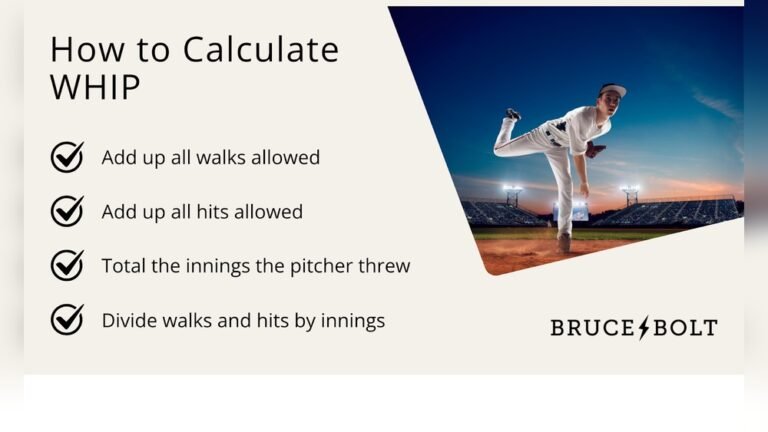
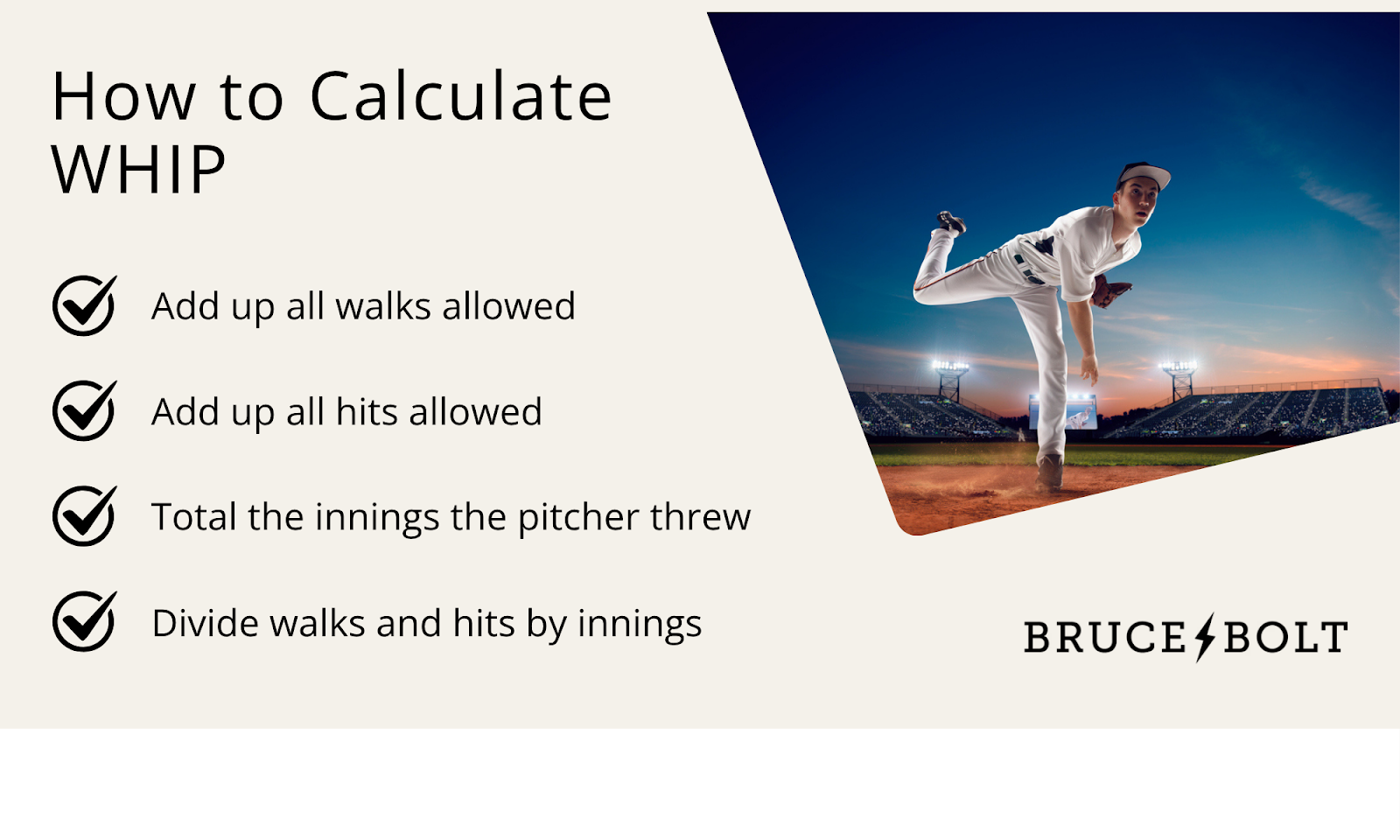
Calculating WHIP is essential to understand a pitcher’s performance. It shows how many baserunners a pitcher allows per inning. This helps evaluate control and effectiveness. The calculation is simple and uses basic stats from the game.
Formula Breakdown
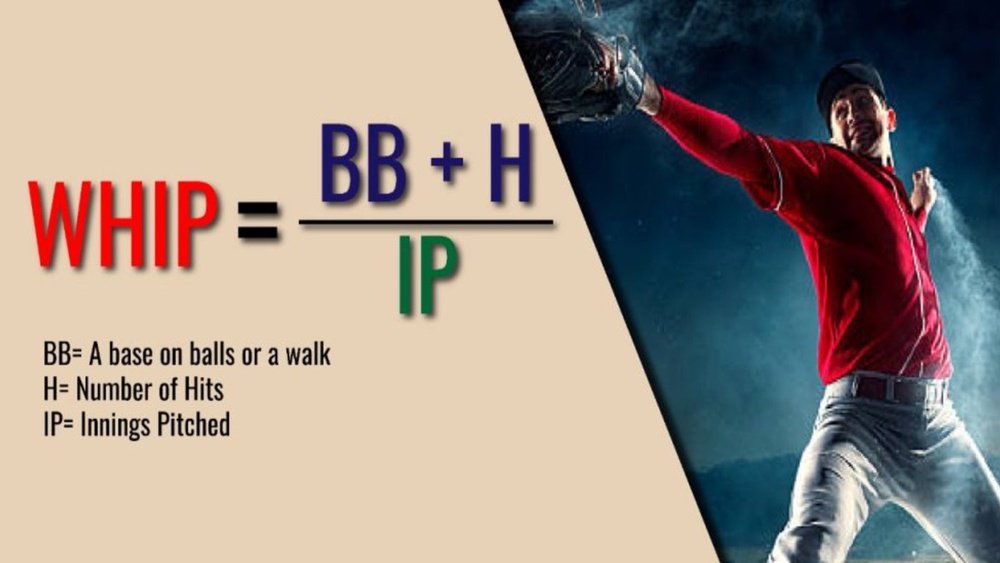
WHIP stands for Walks plus Hits per Inning Pitched. The formula is:
WHIP = (Walks + Hits) ÷ Innings Pitched
Walks and hits mean how many batters reach base. Innings pitched is how many innings the pitcher has thrown. Dividing these shows the average baserunners allowed each inning.
Example Calculation
Imagine a pitcher has allowed 10 walks and 25 hits. They have pitched 35 innings. To find the WHIP:
This means the pitcher allows one baserunner per inning on average. Lower WHIP values indicate better pitching control and fewer runners.
Whip Vs Era
WHIP and ERA are two key stats used to evaluate pitchers in baseball. Both give insight into how well a pitcher performs. Each shows a different side of pitching skill. Understanding WHIP vs ERA helps fans and analysts appreciate a pitcher’s impact better.
Differences In Metrics
ERA stands for Earned Run Average. It shows how many earned runs a pitcher allows per nine innings. It focuses on runs scored against the pitcher. WHIP means Walks plus Hits per Inning Pitched. It counts how many batters reach base each inning. WHIP measures how often a pitcher lets runners get on base.
Strengths And Weaknesses
ERA shows a pitcher’s ability to prevent runs directly. It reflects the final result of pitching efforts. But ERA can be affected by team defense and luck. WHIP gives a clearer view of how well a pitcher controls the game. It ignores runs and focuses on base runners. Yet, WHIP does not show if those runners score or not.
When To Use Each
Use ERA to judge a pitcher’s overall run prevention. It helps see how many runs a pitcher allows in a typical game. Use WHIP to understand how often a pitcher allows hitters to reach base. It is good for spotting pitchers who keep hitters off the bases. Both stats together give a fuller picture of pitching performance.
Interpreting Whip Values
Understanding WHIP values helps evaluate a pitcher’s effectiveness in baseball. WHIP stands for Walks plus Hits per Inning Pitched. It shows how many baserunners a pitcher allows each inning. Lower WHIP means fewer runners and better control on the mound.
Interpreting WHIP values gives insight into a pitcher’s ability to prevent scoring chances. It is a key stat for coaches, fans, and analysts. Let’s explore what makes a good WHIP, how it reflects performance, and common misunderstandings.
What Is A Good Whip?
A WHIP below 1.00 is excellent. It means the pitcher allows less than one baserunner per inning. A WHIP around 1.20 is average for major league pitchers. Values above 1.50 suggest a pitcher struggles to control walks and hits. The lower the WHIP, the better the pitcher is at keeping runners off base.
Whip And Pitcher Performance
WHIP directly relates to a pitcher’s control and effectiveness. Fewer baserunners lower the chance of runs scoring. Pitchers with low WHIP often have better chances to win games. However, WHIP does not measure runs allowed, just baserunners. It complements other stats like ERA for a full picture.
Common Misconceptions
Some think WHIP alone determines pitching skill. It does not show run prevention directly. A pitcher can have a low WHIP but still allow runs. Also, defense behind the pitcher affects hits allowed. WHIP should be used with other stats to judge performance. It is one tool among many, not a full answer.
Whip In Player Analysis
WHIP is a key stat in analyzing baseball pitchers. It shows how many batters reach base per inning. This number helps understand a pitcher’s control and effectiveness. Lower WHIP means fewer runners allowed and better performance. Teams and fans use WHIP to judge a pitcher’s consistency and skill.
WHIP focuses on walks and hits allowed. It ignores errors and other plays. This makes it a clear measure of how well a pitcher limits baserunners. WHIP helps compare pitchers beyond just runs allowed. It gives insight into a pitcher’s ability to avoid trouble.
Predicting Consistency
WHIP shows how often pitchers let batters reach base. A low WHIP suggests the pitcher keeps runners off bases regularly. This predicts steady performance over time. Pitchers with stable WHIP numbers tend to be reliable. Consistent WHIP means fewer unexpected bad innings.
Evaluating Pitching Skill
WHIP reflects a pitcher’s control and command. Walks and hits allowed reveal pitching accuracy and defense of the strike zone. A lower WHIP points to better skill in preventing baserunners. It helps identify pitchers who limit scoring chances. WHIP adds depth to assessing pitching beyond ERA.
Comparing Pitchers
WHIP allows fair comparison among pitchers in different teams or leagues. It removes some defense and scoring differences. Comparing WHIP helps spot pitchers who keep runners off base the best. Fans and analysts use it to rank pitchers by effectiveness. WHIP gives a simple, clear way to compare performance.
Limitations Of Whip
WHIP is a popular baseball stat that helps measure a pitcher’s ability to prevent baserunners. It counts walks and hits allowed per inning pitched. Despite its usefulness, WHIP has some limits that can affect how well it reflects a pitcher’s true skill. Understanding these limits helps fans and analysts use WHIP wisely.
Ignoring Hit Batters And Errors
WHIP does not count batters hit by a pitch. These batters reach base but are not included in WHIP’s calculation. Also, WHIP ignores errors made by fielders. A pitcher may allow runners due to errors, but these do not affect WHIP. This means WHIP can miss some ways a pitcher lets batters reach base.
Equal Weight To Walks And Hits
WHIP treats walks and hits the same way. One walk equals one hit in the formula. But hits can vary in damage. A single is less harmful than a home run. Walks can also be less risky than some hits. Giving both equal weight oversimplifies the impact of different baserunners.
Whip Leaders In Mlb
WHIP, which stands for Walks plus Hits per Inning Pitched, is a key pitching statistic in Major League Baseball (MLB). It shows how many base runners a pitcher allows each inning. The lower the WHIP, the better the pitcher is at preventing hitters from reaching base. Tracking WHIP leaders highlights the best pitchers who control the game by limiting walks and hits. This stat helps fans and analysts understand pitching dominance beyond just runs allowed.
Top Performers
Many current MLB pitchers boast impressive WHIP numbers. These athletes excel at keeping batters off the bases. Some pitchers regularly post WHIP below 1.00, which is exceptional. Their skill in controlling walks and hits makes them valuable to their teams. These top performers often lead the league in fewest base runners allowed per inning. Their consistency helps secure wins and maintain low scoring games.
Historical Records
Throughout MLB history, a few pitchers have set remarkable WHIP records. Legendary players like Pedro Martinez and Greg Maddux hold some of the lowest career WHIP marks. These records show pitching excellence over many seasons. Such achievements remain benchmarks for aspiring pitchers. Historical WHIP leaders demonstrate how control and skill have shaped baseball’s past. Their performances continue to inspire players and fans alike.

Credit: sports.yahoo.com
Using Whip For Fantasy Baseball
WHIP stands for walks plus hits per inning pitched. It shows how many batters a pitcher allows on base each inning. A lower WHIP means fewer runners reach base. Fantasy baseball players use WHIP to gauge a pitcher’s control and effectiveness.
Pitchers with a low WHIP often have better chances to earn wins and save points. Managing your fantasy team with WHIP in mind can improve your pitching staff. It helps spot pitchers who limit base runners and reduce scoring chances.
Draft Strategies
WHIP helps identify reliable pitchers before the draft. Choose pitchers with consistently low WHIP to build a strong pitching lineup. These pitchers usually prevent many runs, boosting your fantasy points.
Pick starters and relievers who keep walks and hits low. Avoid pitchers with high WHIP who allow many base runners. Drafting smart saves you from weak pitching performances later.
In-season Adjustments
Track WHIP regularly to spot changes in pitcher performance. Rising WHIP may signal struggles or injury. Consider trading or benching pitchers with increasing WHIP.
Target free agents or minor league call-ups with low WHIP. Adding these pitchers can strengthen your team mid-season. Staying alert to WHIP trends helps maintain a competitive roster all year.
Credit: brucebolt.us
Frequently Asked Questions
What Is A Good Whip In Baseball?
A good WHIP in baseball is typically below 1. 20. It means the pitcher allows fewer than 1. 2 baserunners per inning. Lower WHIP values indicate better control and effectiveness in preventing hits and walks. Elite pitchers often have WHIPs under 1.
00, showing strong dominance over batters.
Who Has The Lowest Whip In The Mlb?
As of now, Corbin Burnes holds the lowest WHIP in MLB, showcasing exceptional control and limiting baserunners effectively.
Is Whip Better Than Era?
WHIP and ERA measure different pitching skills. ERA shows runs allowed, while WHIP tracks baserunners. Both are valuable.
Is A 1.20 Whip Good?
A 1. 20 WHIP is considered good in baseball. It shows the pitcher allows just over one baserunner per inning, indicating solid control and effectiveness.
Conclusion
WHIP helps measure a pitcher’s control during a game. It shows how many batters reach base each inning. A lower WHIP means better pitching performance. Understanding WHIP gives fans insight into player effectiveness. It works alongside other stats like ERA for full analysis.
Pitchers aim to keep WHIP as low as possible. This stat is simple yet very telling about pitching skill. Knowing WHIP adds depth to watching and enjoying baseball. Keep an eye on WHIP to see who dominates on the mound.