Have you ever watched a baseball game and felt your heart race in the final moments? That thrilling instant when the home team hits a home run that instantly ends the game is called a walk-off home run.
But what exactly makes a home run a “walk-off”? If you want to understand this exciting play and why it captures the attention of fans everywhere, you’re in the right place. You’ll discover the key moments that define a walk-off home run, why it’s such a game-changer, and how it creates unforgettable celebrations.
Get ready to see baseball in a whole new light!
Walk-off Home Run Basics
A walk-off home run is one of baseball’s most thrilling moments. It ends the game instantly and brings joy to the home crowd. Understanding its basics helps fans appreciate why it is so special.
This section explains the key facts about a walk-off home run. You will learn what it is, when it happens, and how it ends the game right away.
Definition And Key Conditions
A walk-off home run happens when the home team hits a home run in the last part of the game. It must give the home team the lead, breaking a tie or overcoming a deficit. This can only happen in the bottom of the ninth inning or later innings. The moment the winning run scores, the game ends immediately.
When It Happens In The Game
Walk-off home runs occur only in late innings. This means the bottom of the ninth inning or any extra innings. The home team bats last, so they have the chance to finish the game with their hit. It is a dramatic way to win after a long, close game.
How The Game Ends Instantly
Once the batter hits the walk-off home run, the game ends without delay. The opposing team cannot continue to bat or score. Players on the winning team celebrate right away at home plate. The crowd also cheers loudly as the game is over on the spot.
Why Walk-offs Matter
Walk-off home runs hold a special place in baseball. They bring instant joy and excitement to everyone watching. The moment the ball clears the fence, the game ends. The home team wins right there. This sudden finish creates a unique thrill unlike any other play.
Walk-offs matter because they show the drama and unpredictability of baseball. They often decide close games, making every pitch count. The energy in the stadium rises as fans and players feel the tension build. When a walk-off happens, it leaves a lasting memory for all involved.
Impact On Players And Fans
For players, hitting a walk-off is a dream come true. It means they ended the game with one powerful hit. This boosts their confidence and often defines their career. Teammates rush the batter, sharing the joy of victory.
Fans feel an electric rush during walk-offs. The crowd erupts in cheers and applause. It creates a strong bond between the team and its supporters. These moments keep fans coming back to the ballpark or their screens.
Memorable Moments In History
Baseball history is filled with unforgettable walk-off home runs. Some have changed the fate of teams or seasons. Players like Kirk Gibson and Bill Mazeroski made their names with walk-offs that fans still talk about.
These moments often appear in highlight reels and sports stories. They remind everyone why baseball is full of surprises. Walk-offs create stories that live on forever in the sport’s history.
Rules And Scoring Details
The rules and scoring details of a walk-off home run are specific and important. This play occurs only under certain conditions in baseball. Understanding these rules helps fans appreciate the excitement of the moment. The walk-off home run ends the game instantly and decides the winner. The scoring during this play follows clear guidelines to ensure fairness and accuracy.
Which Runs Count
Only runs that score before the winning run count in a walk-off home run. All runners on base at the time of the hit get to score. The winning run is the one that puts the home team ahead. Once this run crosses home plate, the game ends immediately. Even if other runners are still running, their runs count only if they score before the winning run.
If the bases are loaded, all runners score. The batter’s run also counts as the final run. The total runs added to the score reflect these rules. The official scorekeeper records all runs scored before the game ends. This ensures accuracy in the final game score.
Differences From Other Game-ending Plays
A walk-off home run differs from other ways a game can end. It must be a home run hit by the home team in the bottom half of the final inning or extra innings. Other game-ending plays include strikeouts, force outs, or fielding plays. Those plays end the game without adding runs to the score.
Unlike a walk-off hit, other endings do not allow runners to score after the winning run. A walk-off home run allows multiple runs to score in one play. This makes it unique and exciting. The batter always rounds the bases and scores, officially ending the game. This is not true for other game-ending plays.
Origins Of The Term
The term “walk-off home run” holds a special place in baseball culture. It refers to a home run that ends the game instantly. This happens when the home team scores the winning run in the bottom of the last inning or in extra innings. The phrase captures the dramatic moment when players and fans know the game is over.
Understanding where the term comes from helps fans appreciate its meaning. The phrase reflects both the action on the field and the emotions that follow. Let’s explore how the term “walk-off” came to be part of baseball language.
Why It’s Called A Walk-off
The phrase “walk-off” comes from what happens right after the home run. Once the winning run scores, the game ends immediately. Players on the field do not continue playing. Instead, they “walk off” the field together. This walk marks the end of the game and the start of celebration.
The term focuses on the simple act of walking off the field. It highlights the finality of the moment. The home team’s victory is sealed, and the players exit, leaving no chance for the opposing team to respond.
Evolution Of The Phrase In Baseball
The term “walk-off” was not always common in baseball. Early fans and players described these moments in different ways. Over time, broadcasters and sportswriters began using “walk-off” to describe game-ending plays more often.
In the 1980s and 1990s, the phrase gained popularity. It was used for home runs, hits, or plays that ended the game. The walk-off home run became one of the most thrilling moments in baseball. Today, the phrase is a staple in baseball commentary and fan discussions.
The evolution of the phrase shows how language adapts with the sport. “Walk-off” now instantly signals excitement and victory to baseball lovers worldwide.
Famous Walk-off Home Runs
Walk-off home runs hold a special place in baseball history. They create unforgettable moments that excite fans. These home runs end games instantly with dramatic flair. Many players have made their mark with such hits. Each walk-off tells a story of pressure and triumph. The crowd erupts as the game finishes on a high note. Let’s explore some of the most famous walk-off home runs ever hit.
Iconic Players And Moments
Several players have become legends due to their walk-off home runs. Babe Ruth’s dramatic hits helped shape baseball’s early years. Kirk Gibson’s 1988 World Series homer showed pure determination despite injury. David Ortiz’s clutch hits in the 2004 playoffs brought hope to Red Sox fans. These moments shine because the players faced immense pressure. Their success changed how fans remember their careers. Walk-off home runs by such stars highlight baseball’s thrilling unpredictability.
Historic Games That Changed Baseball
Some walk-off home runs turned entire seasons around. Bill Mazeroski’s 1960 World Series homer gave the Pirates a historic title. Joe Carter’s 1993 walk-off ended the Blue Jays’ championship drought. These hits didn’t just win games; they altered baseball history. The teams and fans involved never forgot these clutch moments. Walk-offs like these show why baseball remains a sport full of surprises. Each historic game adds to the rich legacy of walk-off home runs.
Credit: sportssurge.alibaba.com
Walk-off Variations
Walk-off plays in baseball thrill fans with their sudden endings. These moments happen when the home team scores the winning run in the final inning. While walk-off home runs are the most famous, other exciting variations exist. Each one brings a unique way to end the game instantly. Understanding these variations helps fans appreciate baseball’s dramatic finishes.
Walk-off Hits Beyond Home Runs
Walk-off hits are not limited to home runs. A single, double, or triple can also end the game if it scores the winning run. For example, a walk-off single allows the runner on third to cross home plate. The batter then becomes a hero for securing the victory. These hits often create tense moments as the winning run races home.
Sometimes, a walk-off hit can score multiple runs. This happens when runners are on base, and the batter drives them in. The game ends as soon as the winning run touches home plate. Fans love these moments for their unpredictability and excitement.
Other Walk-off Plays
Walk-off plays include more than just hits. A walk-off walk occurs when the batter earns a base on balls, allowing the winning run to score. It might not seem as thrilling, but it ends the game immediately.
A walk-off error happens if the defense makes a mistake that lets the winning run score. These plays show how baseball can change on a single misstep. Even a sacrifice fly can be a walk-off if it drives in the final run. Each type adds variety to how a game can end.
Strategies Behind Walk-offs
Walk-off home runs are thrilling moments in baseball. They happen in the game’s final moments and end the match instantly. Teams prepare carefully for these chances. Understanding the strategies behind walk-offs reveals how players and coaches think under pressure.
These strategies involve setting up the right players and managing the tense atmosphere. Every move counts. Teams must balance risk and reward to make the most of their last opportunity to score.
How Teams Set Up For A Walk-off
Teams plan their lineup to maximize scoring chances in the ninth or extra innings. Managers often place strong hitters near the end of the order. This increases the chance of a walk-off hit.
Coaches also focus on getting runners on base. Speedy players may be used as pinch runners to advance quickly. Batters try to stay patient and wait for a good pitch to hit.
Defensive shifts and pitching changes by the opposing team also affect setup. Teams watch these moves closely and adjust their approach. Preparation and flexibility are key to setting up a walk-off.
Pressure On Pitchers And Batters
Pressure rises sharply in walk-off situations. Pitchers face the challenge of closing the game without allowing a run. They must stay calm and focus on precise pitching.
Batters feel the weight of ending the game with one hit. They must balance aggression with patience. Anxiety can cause mistakes, but confidence helps them perform.
Both pitchers and batters know the crowd’s energy and the game’s stakes. This tension shapes every pitch and swing. Handling pressure well often decides who wins or loses in walk-off moments.

Credit: www.reddit.com
Celebrations And Fan Reactions
Walk-off home runs spark some of baseball’s most thrilling moments. The instant victory creates intense excitement. Players and fans share unforgettable emotions in those final seconds. The celebrations and reactions reveal the true spirit of the sport.
These moments bring pure joy and unity to everyone involved. The energy in the stadium shifts wildly. Fans erupt in cheers, and players rush to the batter. The scene captures the heart of baseball’s excitement.
Typical Post-walk-off Scenes
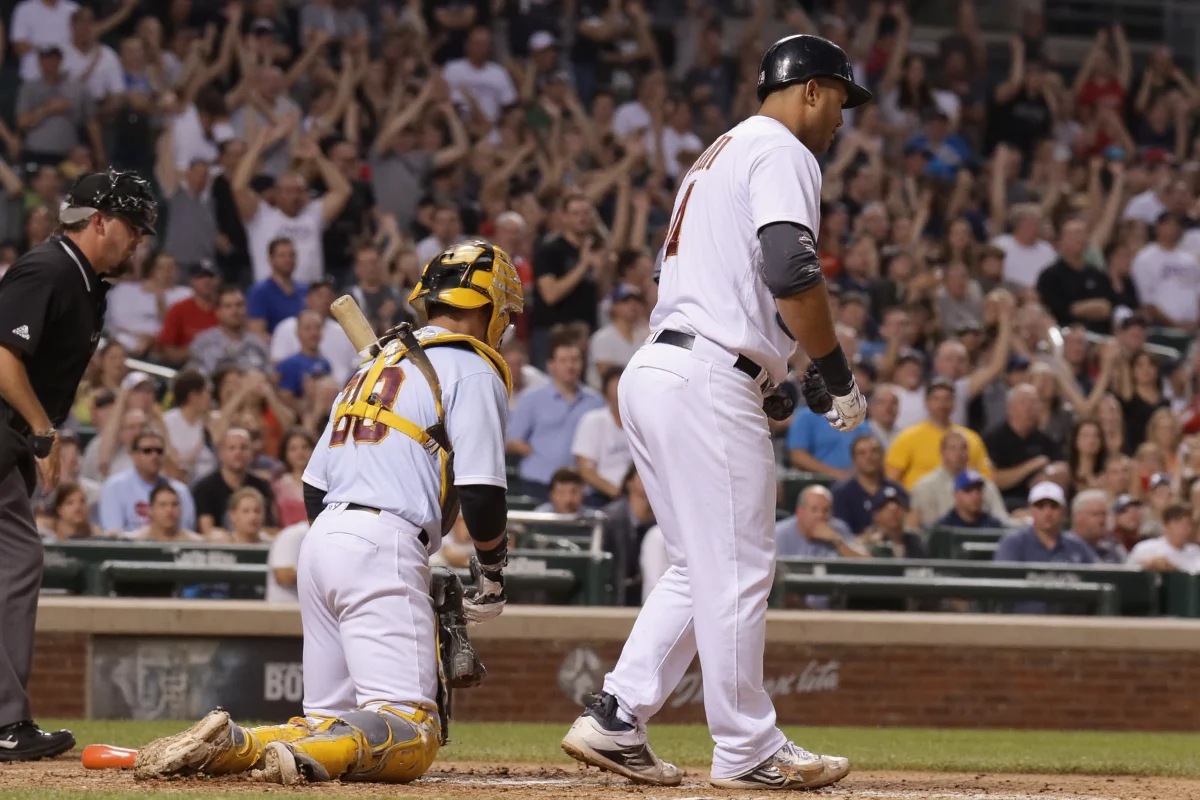
After a walk-off home run, players flood the field near home plate. They hug and jump with pure happiness. The batter often gets lifted by teammates. Coaches and staff join the celebration quickly. Fans in the stands rise, scream, and wave their hands. Some throw hats or gloves in the air. Stadiums fill with loud cheers and applause. Cameras flash to capture the historic moment. The winning team’s joy lasts long after the play ends.
Cultural Impact On Baseball Fans
Walk-off home runs hold a special place in baseball culture. Fans remember these moments for years. They become stories told to future generations. The thrill unites people from different backgrounds. Local communities celebrate their team’s success deeply. These plays increase love for the sport. They create heroes and legends overnight. The excitement helps grow baseball’s fanbase worldwide. Fans return to games hoping to witness another walk-off thrill.

Credit: www.bostonglobe.com
Frequently Asked Questions
What Is Considered A Walk-off Homerun?
A walk-off home run happens when the home team hits a homer in the bottom of the ninth or later innings to take the lead and end the game immediately.
Why Do They Call It A Walk-off Home Run Today?
They call it a walk-off home run because the game ends instantly, letting the winning team “walk off” the field in celebration.
Did Nolan Ryan Ever Give Up A Walk-off Home Run?
Nolan Ryan never gave up a walk-off home run during his Major League Baseball career.
Do All Runs Count In A Walk-off Home Run?
Yes, all runs scored on a walk-off home run count. The game ends immediately after the winning run scores.
Conclusion
A walk-off home run ends the game instantly, thrilling fans everywhere. It happens when the home team scores the winning run in the final inning. Players and fans celebrate right after the hit. This moment shows baseball’s excitement and unpredictability.
Understanding this helps you enjoy the sport more fully. Remember, a walk-off is special because it decides the winner on the spot. It’s a true highlight in any baseball game.