Fishing Line Strength Calculator

Stop guessing which line to spool up. Choose your target fish, water type, and rod — get an instant expert recommendation for line strength, line type, hook size, and reel with a tailored tip for your exact setup.

Calculating your perfect setup…

Your Recommendation

Based on your selected fish, water, and rod type

Line Strength
Best Line Type
Hook Size
Reel Size
Expert Tip for Your Setup

Frequently Asked Questions

Everything beginners need to know about fishing line

For most beginners fishing freshwater lakes and ponds, a 6–10 lb monofilament line is the ideal starting point. Monofilament is forgiving, affordable, easy to tie knots with, and its slight stretch acts as a shock absorber when fish run hard. As your experience grows and you move to heavier species or different conditions, you can upgrade to fluorocarbon or braided line. Start simple and build from there.
Yes — pound for pound, braided line is significantly stronger than monofilament and has a much thinner diameter, allowing you to spool more line on the same reel. A 20 lb braid is roughly the diameter of 6 lb mono. However, braid has no stretch, which can pull hooks free on light-mouthed fish, and it is more visible underwater. Most experienced anglers use braid as a main line with a fluorocarbon leader to combine the benefits of both materials.
For trout, 4–8 lb fluorocarbon is widely considered the best choice. Fluorocarbon is nearly invisible underwater — critical in the clear water where trout live — and it sinks naturally, keeping your bait at the correct depth. In stained or murky water, 6 lb monofilament works just as well and costs significantly less. Avoid heavy braid for trout unless using it as a main line with a long fluorocarbon leader of 4–6 lb to maintain invisibility.
Saltwater fishing demands stronger, more abrasion-resistant line. For inshore fishing (redfish, snook, flounder), 15–30 lb braided line with a 20–40 lb fluorocarbon leader is the standard setup. For surf fishing and offshore species like tuna, 40–80 lb braid or monofilament is typical. Always choose line labeled as saltwater-rated — it resists UV degradation and corrosion far better than standard freshwater line. Rinse all tackle thoroughly with fresh water after every saltwater session.
✅ Results copied to clipboard!
  • Best Ice Fishing Jigs for Panfish | Picks for Success

    Best Ice Fishing Jigs for Panfish | Picks for Success

    Ice fishing for panfish can be peaceful, but picking the right jigs is not always simple. You stare at a wall of options, unsure what actually helps catch fish under the ice. With so many shapes, colors, and materials, it’s easy to feel lost. Some jigs glow, some are heavy, some look almost real. But…


  • Best Tackle Bag for Saltwater Fishing – Expart Picks

    Best Tackle Bag for Saltwater Fishing – Expart Picks

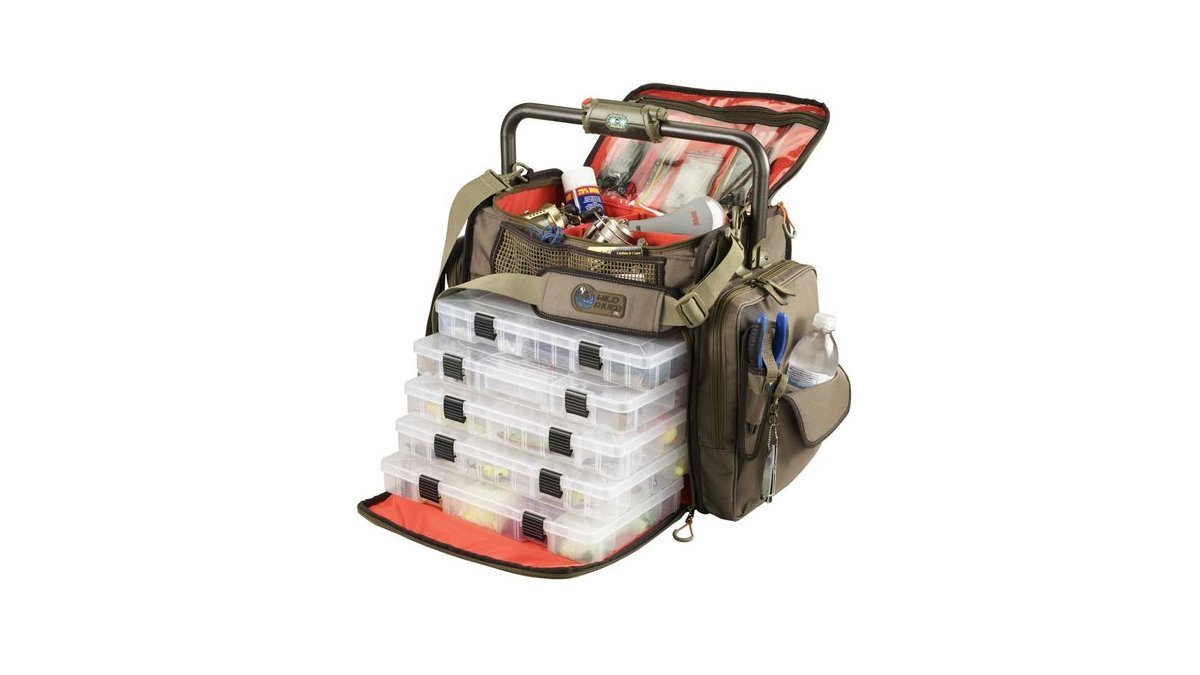
    Saltwater fishing is never as simple as it looks. You pack your gear, head to the water, and before long, you’re wrestling with tangled lures, soaked boxes, or tools rusted from the last trip. If you’ve ever spent more time searching for the right jig than actually casting, you know how frustrating the wrong tackle…


  • Five Best Bubble Floats for Fishing 2026

    Five Best Bubble Floats for Fishing 2026

    Sitting by the water and watching your line is peaceful, but getting the right bite can be a challenge. If you use floats, you know how much they affect your chances. Choosing bubble floats for fishing can be confusing. There are different shapes, sizes, and designs. Some are made for casting far, others for staying…