There’s nothing more frustrating than standing by a river, rod in hand, and feeling completely lost. You want to enjoy fly fishing, but don’t know where to start.
The knots confuse you, the casting feels awkward, and reading the water seems impossible. It’s easy to feel overwhelmed and ready to give up before you even begin. Choosing the right fly fishing book can change all that. The right guide breaks down the basics, builds your confidence, and makes learning fun.
Suddenly, those tricky techniques become clear. You start to enjoy every moment by the water, knowing you’re improving each time. If you’re ready to leave confusion behind and dive into the world of fly fishing, keep reading. We’ve gathered the best fly fishing books for beginners that will help you start strong and fish with joy.
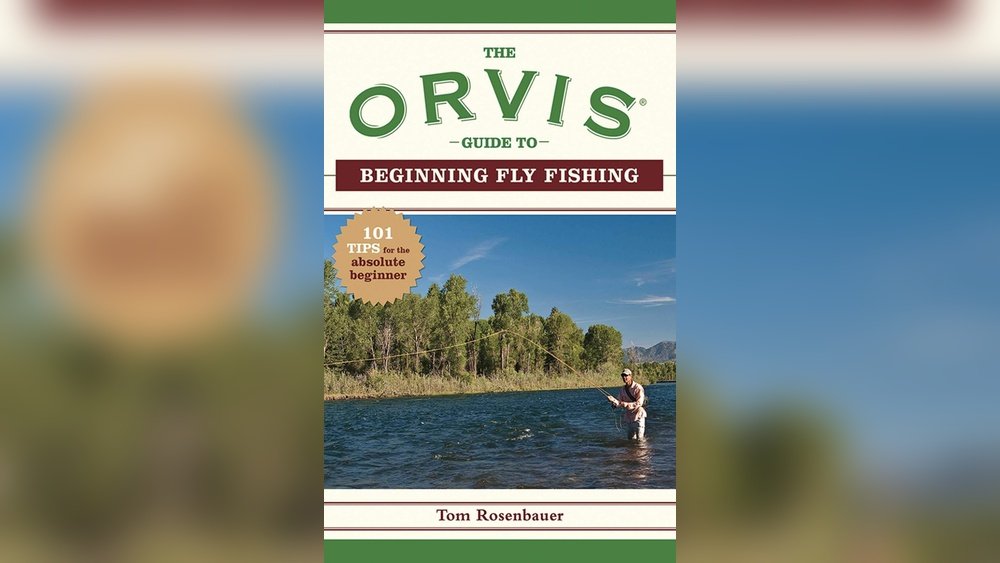
The Orvis Guide To Beginning Fly Fishing

The Orvis Guide to Beginning Fly Fishing: 101 Tips for the Absolute Beginner is perfect for those who are new to the art of fly fishing and want a comprehensive, easy-to-follow resource. Ideal for absolute beginners, this guide provides practical advice and expert tips to help novices gain confidence and skills quickly. Whether you’re someone looking to start a new hobby or a casual angler wanting to improve your technique, this book offers valuable insights to set you on the right path.
Pros:
- Written by Tom Rosenbauer, a renowned expert in fly fishing.
- Contains 101 practical tips tailored specifically for beginners.
- Easy-to-understand language and step-by-step instructions.
- Focuses on building a solid foundation for mastering fly fishing techniques.
- Includes advice on equipment selection, casting, and safety.
Cons:
- May be too basic for intermediate or advanced anglers.
- Limited focus on advanced fly fishing locations and conditions.
This guide excels in breaking down the complexities of fly fishing into manageable, actionable tips that beginners can easily apply. Tom Rosenbauer’s expertise shines through as he covers essential topics such as choosing the right gear, mastering casting techniques, and understanding fish behavior. This not only helps readers build confidence but also enhances their overall fishing experience.
By focusing on practical, foundational skills, the book ensures that readers develop a strong grasp of the fundamentals before moving on to more advanced aspects. The approachable format and clear explanations make it a valuable resource for anyone serious about learning fly fishing in a structured and enjoyable way.
To buy this product, click here.
The Absolute Beginner’s Guide To Fly Fishing

The Absolute Beginner’s Guide to Fly Fishing is ideal for novice anglers who are eager to learn the fundamentals of fly fishing from scratch. Whether you are completely new to the sport or have limited experience, this guide provides a comprehensive and easy-to-follow approach for those looking to master tying knots, reading water, casting techniques, and ultimately catching more fish. It is perfect for hobbyists seeking expert advice to improve their skills and enjoy a successful fishing experience.
Pros:
- Clear and detailed instructions for beginners
- Covers a wide range of essential fly fishing techniques
- Includes 50 proven tactics from an expert angler
- Written by John Symonds, a reputable manufacturer and expert
- Helps build confidence in water reading and casting skills
Cons:
- Primarily focused on beginners, may lack depth for advanced anglers
- Limited visual aids or illustrations in some sections
- Not a substitute for hands-on experience in real fishing environments
This guide offers a thorough exploration of the key features essential for fly fishing success. From the basics of tying knots that ensure secure connections to the line, to understanding how to read water currents for identifying the best fishing spots, each chapter is crafted to build foundational knowledge. The clear explanations and step-by-step lessons help users gain practical skills quickly, making the learning curve less intimidating for beginners.
Additionally, the book’s comprehensive coverage of casting techniques empowers anglers to improve their accuracy and distance, which directly translates to better fishing results. The inclusion of 50 proven tactics from an expert adds valuable insights that enhance the overall fishing experience. By following these expert tips, users can expect to increase their catch rate and enjoy fly fishing with greater confidence and enjoyment.
To buy this product, click here.
The Little Red Book Of Fly Fishing

The Little Red Book of Fly Fishing is perfect for both beginners and seasoned anglers looking to enhance their skills and knowledge. Ideal for those passionate about fly fishing, this compact guide offers practical tips and techniques from expert authors, making it a must-have resource for anyone eager to improve their casting and fishing strategies.
Pros:
- Concise and easy-to-understand advice from renowned manufacturers Kirk Deeter and Charlie Meyers
- Portable size, making it convenient to carry on fishing trips
- Practical tips that cover various aspects of fly fishing, suitable for all skill levels
- Insightful illustrations and examples to aid learning
Cons:
- Limited depth on advanced techniques due to its compact format
- May not cover all regional fishing specifics or species
The book’s focused content delivers essential knowledge without overwhelming readers, allowing them to quickly grasp core fly fishing concepts. Written by experienced anglers Kirk Deeter and Charlie Meyers, it offers trusted advice that can help users improve their casting accuracy, fly selection, and overall fishing success.
Additionally, the compact nature of the Little Red Book of Fly Fishing means it can be easily referenced during trips, serving as a handy companion for anglers in the field. Its practical approach ensures that readers gain actionable insights, ultimately enhancing their enjoyment and efficiency in the sport.
To buy this product, click here.
Fly Tying For Beginners

The book Fly Tying For Beginners: Hands-On Instructions for 50 Classic Fishing Flies by Peter Gathercole is ideal for novice anglers and hobbyists who want to learn the art of fly tying. If you are someone looking to enhance your fishing experience by creating your own custom flies, this guide provides a perfect starting point with easy-to-follow instructions and practical projects.
Pros:
- Step-by-step instructions for 50 classic and effective fishing flies
- Designed specifically for beginners with clear, hands-on guidance
- Includes detailed illustrations and materials list for each fly
- Enhances understanding of fly fishing techniques and fly selection
- Authored by experienced fly tyer Peter Gathercole
Cons:
- Limited to beginner-level patterns, may not satisfy advanced tiers
- Focuses more on traditional flies, less on modern or innovative designs
This guidebook offers a comprehensive introduction to the craft of fly tying, breaking down complex techniques into manageable steps that are easy to follow. Users benefit from the practical approach that encourages hands-on learning, making it easier to develop skills and confidence. Each fly pattern is carefully chosen to cover a broad range of fishing scenarios, giving readers versatile options to try on various fishing trips.
Additionally, the book’s detailed explanations on materials, tools, and tying methods provide a solid foundation that helps users understand the purpose behind each step. This not only improves fly-making accuracy but also enhances overall fishing success by teaching anglers to match flies to fish behavior and environmental conditions. For beginners eager to combine creativity with functionality, this book serves as an invaluable resource.
To buy this product, click here.
The History Of Fly-fishing In Fifty Flies

Ideal for passionate anglers, fishing historians, and fly-tying enthusiasts, The History of Fly-Fishing in Fifty Flies offers a comprehensive look at the evolution of this beloved sport. Those who wish to deepen their understanding of fishing’s rich heritage and regional traditions will find this book an invaluable resource.
Pros:
- Detailed exploration of fifty iconic flies showcasing fishing’s evolution
- Insightful coverage of regional fly-tying traditions and techniques
- Authored by renowned expert Ian Whitelaw, ensuring authoritative content
- Combines historical context with practical craft knowledge
Cons:
- May be too specialized for casual fishing readers
- Primarily focused on fly-tying history, less on modern fishing techniques
The History of Fly-Fishing in Fifty Flies delves into the fascinating stories behind each of the fifty featured flies, illustrating how they contributed to the sport’s development over time. Readers gain a unique perspective on how different regions influenced fly designs, reflecting local fish species and environmental conditions. This historical approach enriches the reader’s appreciation for both the art and science of fly-fishing.
Beyond history, the book offers practical benefits for those interested in the craft of tying flies. It provides detailed descriptions and insights that can inspire anglers to experiment with traditional patterns and techniques, enhancing their fly-tying skills. The combination of historical narrative and hands-on knowledge makes this title a must-have for anyone serious about understanding and practicing fly-fishing at a deeper level.
To buy this product, click here.
The Orvis Fly-fishing Guide

The Orvis Fly-Fishing Guide, Revised is ideal for both beginners eager to learn the art of fly fishing and experienced anglers looking to refine their techniques. Those who want a comprehensive, easy-to-understand resource authored by a renowned expert, Tom Rosenbauer, will find this guide invaluable. It is perfect for anyone passionate about improving their fly-fishing skills and gaining insider knowledge from a trusted source.
Pros:
- Detailed instructions and clear illustrations for all skill levels
- Expert insights from Tom Rosenbauer, a respected authority in fly fishing
- Covers a wide range of topics including gear selection, casting techniques, and fish behavior
- Practical tips that enhance both freshwater and saltwater fly fishing experiences
- Easy-to-follow format making complex concepts accessible
Cons:
- Some advanced anglers may find certain sections too basic
- Primarily focused on traditional fly fishing, less coverage on modern innovations
This revised edition of the Orvis Fly-Fishing Guide is packed with up-to-date information that helps users build a strong foundation in fly fishing. The book’s step-by-step approach ensures that readers can grasp essential skills such as casting, knot tying, and choosing the right flies for different environments. The inclusion of vivid illustrations and photographs makes learning more engaging and effective.
Additionally, the guide highlights the benefits of understanding fish behavior and habitat, which enables anglers to increase their catch rates. With Tom Rosenbauer’s expert advice, users gain confidence and develop a deeper appreciation for the sport. Whether fishing in rivers, lakes, or saltwater locations, this book supports anglers in becoming more successful and knowledgeable.
To buy this product, click here.
The Little Black Book Of Fly Fishing

The Little Black Book of Fly Fishing: 201 Tips to Make You A Better Angler is perfect for both beginners and experienced anglers looking to enhance their fly fishing skills. If you want practical advice from a trusted source, this book by Kirk Deeter offers concise and actionable tips designed to improve your technique and overall fishing experience.
Pros:
- Contains 201 practical and easy-to-follow fly fishing tips
- Written by renowned fishing expert Kirk Deeter
- Compact and portable format, ideal for taking on fishing trips
- Helps anglers improve casting, presentation, and fish spotting skills
- Suitable for all skill levels, from beginners to seasoned anglers
Cons:
- Some tips may be too brief and require additional research
- Limited detailed illustrations or photographs
- Focuses mainly on techniques rather than gear reviews
This fly fishing guidebook is designed to quickly boost your confidence and ability on the water by offering 201 targeted tips that cover everything from casting techniques to reading water and selecting flies. The compact size makes it easy to carry, so you can reference expert advice anytime, whether you’re preparing at home or out on a fishing trip. Each tip is crafted to be straightforward and practical, making the learning process efficient and enjoyable.
Authored by Kirk Deeter, a highly respected name in the fly fishing community, this book provides insight drawn from years of experience. Users benefit from improved angling accuracy and a deeper understanding of fish behavior, which ultimately leads to more successful fishing outings. While it doesn’t delve deeply into gear specifics, its focus on technique ensures that anglers develop a strong foundation to build upon.
To buy this product, click here.
The Orvis Guide To Beginning Fly Tying
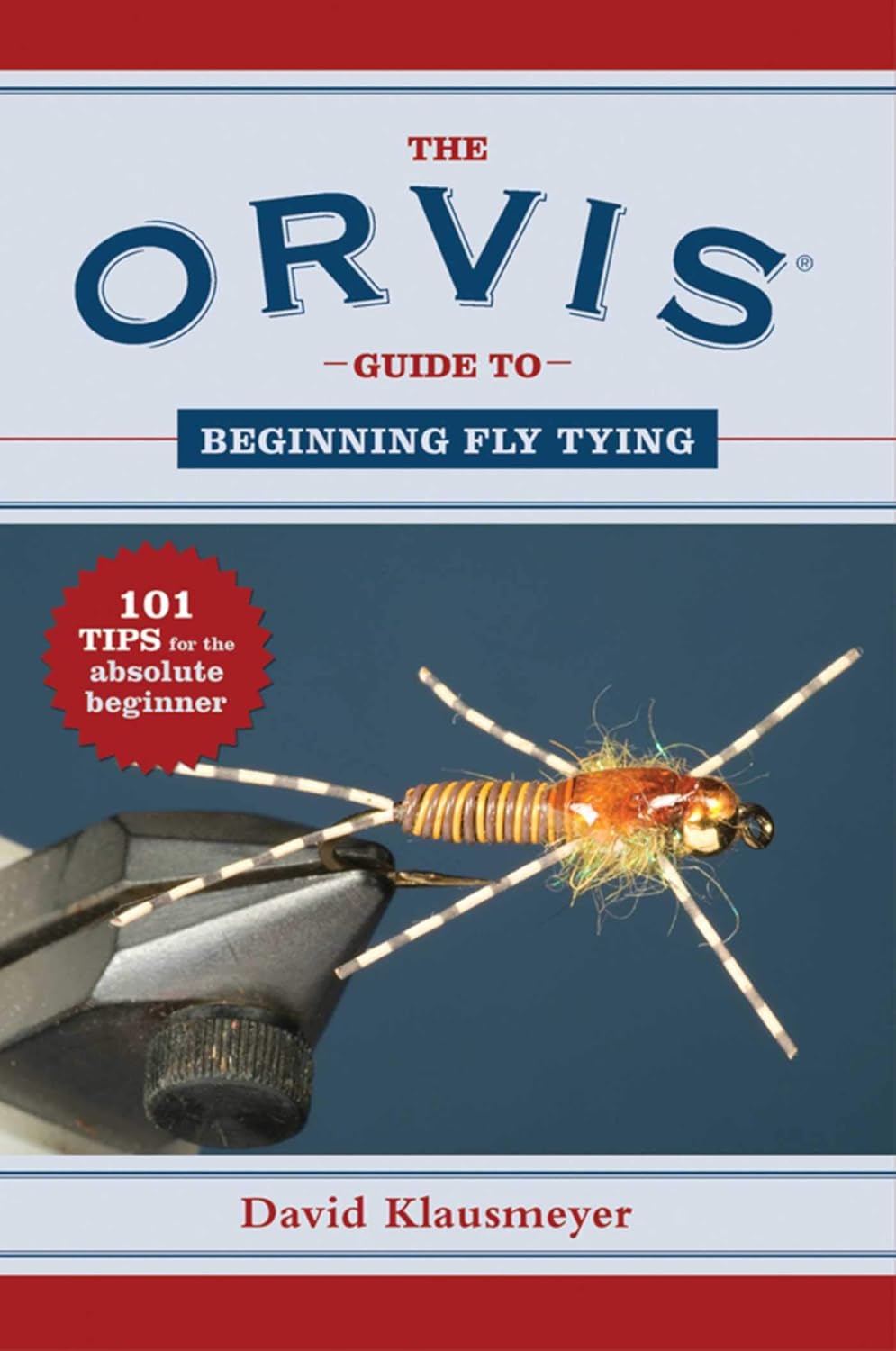
The Orvis Guide to Beginning Fly Tying: 101 Tips for the Absolute Beginner is perfect for anyone new to the art of fly tying who wants to develop foundational skills quickly and effectively. Whether you’re an aspiring angler or a hobbyist looking to craft your own flies, this guide offers clear, practical advice tailored for those with no prior experience.
Pros:
- Provides 101 easy-to-follow tips designed specifically for absolute beginners.
- Authored by David Klausmeyer, a recognized expert in the field.
- Focuses on practical techniques that build confidence and skill.
- Includes detailed explanations that simplify complex concepts.
- Enhances creativity and personal customization in fly tying projects.
Cons:
- May be too basic for intermediate or advanced fly tiers.
- Lacks extensive visual aids or step-by-step photographs.
- Primarily geared towards traditional fly tying methods, with limited coverage of modern variations.
This guide stands out by offering a comprehensive introduction to fly tying through 101 well-structured tips that help beginners grasp essential techniques without feeling overwhelmed. The book’s approachable style encourages users to experiment and practice, making it easier to progress from simple patterns to more intricate designs. Having David Klausmeyer as the manufacturer brings credibility and assurance of quality content that aligns with Orvis’s reputation.
Users benefit from the clear breakdown of tools, materials, and methods, which demystifies the process of creating effective fishing flies. The guide not only teaches how to tie flies but also explains why certain techniques work, empowering beginners to understand the craft on a deeper level. By following this guide, readers can expect to improve their fly tying skills steadily, enhancing their fishing experience and increasing their enjoyment of this timeless outdoor activity.
To buy this product, click here.
The Bug Book

The Bug Book: A Fly Fisher’s Guide to Trout Stream Insects is ideal for avid fly fishers and anglers who want to deepen their understanding of the aquatic insects that inhabit trout streams. If you are someone looking to improve your fly fishing skills by matching the hatch more effectively, this guide is perfect for you. Both beginners eager to learn and experienced fishers aiming to refine their technique will find this book invaluable.
Pros:
- Comprehensive identification of trout stream insects
- Clear, detailed illustrations and descriptions
- Written by expert manufacturer Paul Weamer
- Helps improve fly selection and fishing success
- Compact and easy to carry on fishing trips
Cons:
- Primarily focused on trout stream insects, may not cover other fishing environments
- May require some prior knowledge of insect life cycles for full benefit
This guide stands out due to its detailed and accurate representation of the insects found in trout streams, making it an essential tool for any serious fly fisher. The book’s focus on the biology and behavior of insects allows users to better understand what trout are feeding on, which translates into more effective fly fishing. Its user-friendly format makes it easy to reference while on the water, enhancing real-time decision-making.
By equipping anglers with knowledge about specific insect species, their stages, and habits, The Bug Book empowers users to choose the most appropriate flies and tactics. This leads to improved catch rates and a more rewarding fishing experience. Authored by Paul Weamer, a respected figure in the field, the guide ensures credible and practical information tailored specifically for trout stream enthusiasts.
To buy this product, click here.
Fifty Places To Fly Fish Before You Die

The ideal customer for Fifty Places to Fly Fish Before You Die is an avid angler or outdoor enthusiast looking to explore some of the most breathtaking and renowned fly fishing destinations around the world. Whether you are a seasoned fly fisherman or someone seeking inspiration for your next fishing adventure, this guide by Chris Santella offers valuable insights and detailed information to enrich your fishing experiences.
Pros:
- Comprehensive list of fifty unique and scenic fly fishing locations.
- Expertly written by renowned author Chris Santella.
- Includes practical tips and background information about each destination.
- Inspires travel and adventure with vivid descriptions and stunning photography.
- Suitable for both beginners and experienced fly fishers looking for new challenges.
Cons:
- Limited to fly fishing spots, not covering other fishing styles.
- Some locations may require significant travel and expense.
- Information may become outdated as conditions and regulations change.
Fifty Places to Fly Fish Before You Die offers an engaging blend of travel and fishing expertise that brings the thrill of fly fishing to life. Each featured location is carefully selected to showcase a diverse range of environments, from tranquil streams to rugged mountain rivers, allowing readers to discover new fishing hotspots with detailed guidance. The book not only highlights the natural beauty of these places but also provides practical advice on when and how to fish, enhancing the overall experience for the user.
By reading this guide, anglers gain inspiration to broaden their horizons and pursue memorable fishing trips that combine sport with exploration. The author’s passion and knowledge make it a valuable resource for planning future adventures, ensuring that every trip offers both challenge and enjoyment. Whether you’re looking to tick off famous destinations or uncover hidden gems, this book serves as an indispensable companion for any fly fishing enthusiast.
To buy this product, click here.
Frequently Asked Questions
What Is The Best Beginner Fly Fishing Book?
“The Orvis Guide to Beginning Fly Fishing” is ideal for beginners. It offers 101 practical tips for absolute novices. The book covers basics like casting, knots, and gear selection, making it perfect for starting your fly fishing journey.
How Can I Learn Fly Tying As A Beginner?
“Fly Tying For Beginners” provides hands-on instructions for 50 classic fishing flies. It simplifies fly tying with step-by-step guidance, helping beginners master essential techniques quickly and effectively.
Which Book Helps Improve Fly Fishing Techniques?
“The Little Black Book of Fly Fishing” offers 201 tips to enhance your skills. It covers casting, reading water, and catching more fish, perfect for anglers wanting to advance beyond the basics.
Are There Books On The History Of Fly Fishing?
Yes, “The History of Fly-Fishing in Fifty Flies” reveals fishing’s evolution. It explores regional traditions and the craft of tying, enriching your knowledge about fly fishing’s heritage.
What Book Explains Trout Stream Insects For Fly Fishing?
“The Bug Book” is a comprehensive guide to trout stream insects. It helps anglers understand insect behavior to improve fly selection and increase catch rates.
Where Can I Find Top Fly Fishing Destinations?
“Fifty Places to Fly Fish Before You Die” lists must-visit locations worldwide. This book inspires anglers to explore diverse waters and plan unforgettable fly fishing trips.
Conclusion
Choosing the right book can make learning fly fishing easier and more fun. These books cover all basics, from casting to tying flies. They offer clear tips and simple lessons for beginners. Some books share stories and history, helping you understand the sport better.
Others focus on practical skills, like reading water or identifying insects. Reading these guides will build your confidence and improve your fishing trips. Take your time to explore each book and practice what you learn. Soon, you will enjoy fly fishing with more skill and joy.
Remember, every expert was once a beginner. Start with these trusted books, and your fly fishing journey will be rewarding and exciting. Keep learning and enjoy the peaceful moments by the water.