
Have you ever wondered if you can still enjoy a baseball game when the skies open up? You’re not alone.
Rain can quickly change the rhythm of the game, making you question whether it’s safe or even possible to keep playing. Imagine gripping the bat or trying to catch a fast pitch while raindrops keep falling—how much rain is too much?
You’ll discover when baseball games push through the rain and when they have to pause or stop. Understanding these limits can help you make the best call next time the weather looks uncertain. Keep reading to find out how rain affects the game you love and what players and officials do to keep baseball alive, even when the clouds gather.
Credit: www.mlb.com
Playing In Light Rain
Playing baseball in light rain is common in many games. The rain may be gentle enough not to stop the play. Players and officials watch the conditions closely to decide if the game can continue safely. Light rain can add a challenge but does not always mean the game must stop. Teams prepare and adapt to keep the game going.
Conditions For Play
Games can continue as long as rain is light and steady. The field must stay safe and not too slippery. Umpires check the weather and field before and during the game. If the rain worsens, the game may pause or stop. Light rain may cause short delays for field checks or maintenance.
Player Grip Challenges
Rain makes the ball and bat slippery. Pitchers may find it hard to grip the ball well. Batters can struggle to hold the bat firmly. Gloves may get wet, affecting catching and throwing. Players must adjust their grip often to avoid errors. Extra care is needed to prevent injuries from slipping or missed catches.
Field Maintenance And Protection
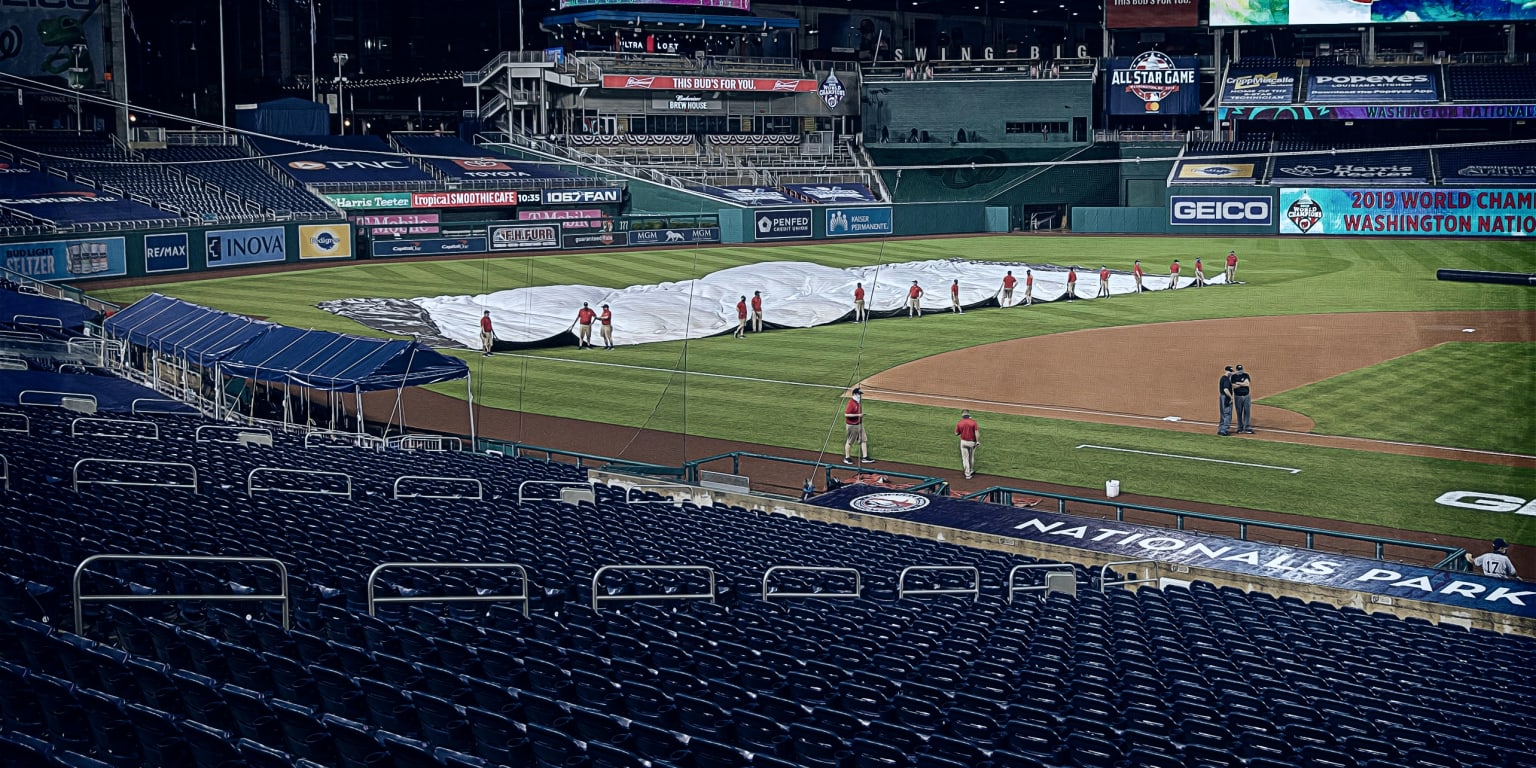
Grounds crews work hard to keep the field playable. Tarps may cover the infield before the game starts. Crews remove water from the field during breaks. They use tools like squeegees and rollers to dry the surface. Proper field care helps prevent damage and keeps the game safe for players.

Credit: www.youtube.com
When Rain Stops The Game
Rain can change the pace of a baseball game quickly. Sometimes, the game continues through light rain. Other times, the rain forces the game to stop. Understanding when rain stops the game helps players and fans stay safe and prepared.
Heavy Rain Effects
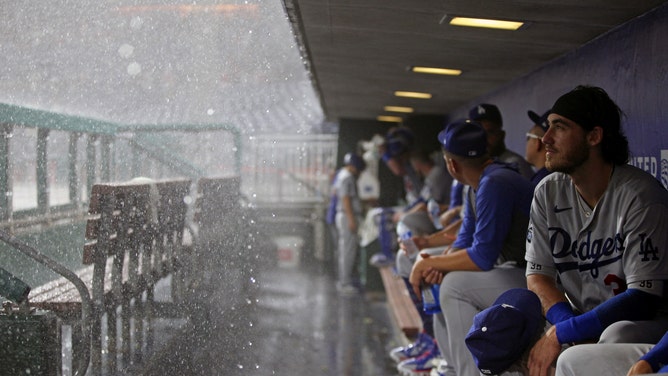
Heavy rain makes the field slippery and unsafe. Players struggle to keep their footing. The ball becomes wet and hard to catch or throw. Visibility drops, making it tough to see the ball. Umpires often stop the game to prevent injuries.
Standing Water Risks
Water pooling on the field creates hazards. Players can slip or twist ankles in puddles. The ball can get stuck or bounce unpredictably. Standing water delays play until the field dries. Grounds crews work fast to remove excess water.
Thunder And Lightning Hazards
Thunder and lightning pose serious dangers. Lightning can strike players and spectators. Games pause immediately when lightning is near. Everyone must seek shelter until the storm passes. Safety is the top priority during storms.
Safety Tips For Rainy Baseball
Playing baseball in the rain can be challenging and risky. Safety is the top priority to avoid injuries and accidents. Following simple safety tips helps players stay protected and enjoy the game even in wet conditions. These tips focus on footwear, equipment care, hydration, and warmth to keep players safe and comfortable.
Proper Footwear And Traction
Wear cleats designed for wet and slippery surfaces. They improve grip and reduce slipping risks. Avoid smooth-soled shoes that cause falls on wet grass or mud. Check cleats regularly for wear and tear. Replace worn cleats to maintain good traction. Walk carefully on wet areas to prevent sliding or falling.
Equipment Care In Wet Conditions
Keep gloves dry by using waterproof sprays or covers. Wet gloves lose grip and control. Use plastic bags or towels to protect bats and balls from rain. Wet bats can become slippery and hard to handle. After playing, dry all equipment thoroughly to prevent damage and mold growth. Store gear in a dry place to keep it in good condition.
Hydration And Warmth
Drink water often even if it feels cool outside. Rain and cold can hide dehydration signs. Wear layers to stay warm during wet weather. Wet clothes can cause body heat loss quickly. Use waterproof jackets and pants to stay dry. Change out of wet clothes promptly after playing to avoid chills and sickness.
Field Preparation And Care
Preparing and caring for the baseball field during rain is crucial to keep the game safe and playable. Rain can quickly turn a field into a muddy, slippery surface. Proper field maintenance helps prevent damage and keeps players safe. Grounds crews use several methods to protect the field and manage water.
Use Of Tarps And Covers
Tarps are large waterproof sheets placed over the infield. They stop rain from soaking the dirt areas. Grounds crews spread tarps before rain starts or during breaks. Tarps protect the pitcher’s mound, bases, and home plate. Using tarps reduces water damage and keeps the field dry.
Drainage Systems
Drainage systems move water away from the field quickly. Fields have built-in pipes and slopes to guide water off the playing area. Good drainage prevents puddles and standing water. It helps the field dry faster so the game can resume. Without proper drainage, rain delays last longer.
Grounds Crew Responsibilities
Grounds crews work hard before, during, and after rain. They cover the field with tarps and check drainage paths. After rain stops, crews use tools to remove water and smooth the surface. They rake the dirt and replace wet areas if needed. Their job is to keep the field safe and ready for play.
Rules On Rain Delays And Postponements
Rain can disrupt a baseball game at any moment. There are clear rules about what happens when rain delays or stops play. Understanding these rules helps fans and players know what to expect during bad weather. These rules focus on umpire decisions, how many innings must be played for a game to count, and how games get rescheduled.
Umpire Decisions
Umpires decide if the game continues or stops when it rains. They check the field and weather conditions. If the rain is light, umpires usually let the game go on. If the rain gets heavy or the field becomes unsafe, they pause the game. Umpires also watch for lightning or strong winds. Safety is their top priority. Their calls can lead to delays or stopping the game completely.
Minimum Innings For Official Game
Baseball games have a minimum number of innings to be official. Usually, five innings must be played. If the game stops after five innings or more, it can count as complete. The umpire can declare the current score final. If fewer than five innings are played, the game does not count. It must be replayed later from the start. This rule keeps games fair and clear for teams and fans.
Rescheduling Procedures
When a game cannot finish due to rain, teams must reschedule. The league sets new dates for postponed games. These often happen on shared off days or during doubleheaders. Rescheduling depends on stadium availability and team travel plans. Teams and officials work together to find the best time. Players and fans get updates about new game times. Rescheduling helps complete the season fairly despite weather problems.
Differences Between Baseball And Other Sports
Baseball differs from many other sports in how weather affects gameplay. Rain impacts the field, ball, and player safety uniquely. Other sports may handle rain differently, based on their playing style and rules. Understanding these differences helps explain why baseball games often stop during rain. Below, explore why baseball is more affected by rain and how football manages weather conditions.
Why Baseball Is More Affected By Rain
Baseball relies heavily on grip and field conditions. The ball must be dry for pitchers to throw accurately. Batters need a good grip to swing effectively. Rain makes the ball slippery, increasing errors and injuries.
The playing field in baseball is mostly dirt and grass. Heavy rain turns dirt into mud and creates puddles. This makes running and fielding dangerous. Players can slip, and the ball may not bounce properly.
Baseball also has many small, fast movements. Quick throws and sprints require firm footing. Rain slows the game and increases the chance of accidents. Umpires often pause or stop games to protect players.
Comparisons To Football Weather Policies
Football players wear cleats designed for wet and muddy fields. The ball is larger and easier to grip, even in rain. Football fields drain water faster, reducing puddles and mud.
Football games rarely stop for rain alone. Play continues unless there is lightning or extreme weather. The physical nature of football allows players to adapt better to wet conditions.
Football also has fewer small, precise movements than baseball. Players can adjust their speed and style to handle wet turf. This flexibility helps football games keep going despite rain.
Equipment Tips For Rainy Games
Playing baseball in the rain needs special equipment care. Wet conditions affect how players hold and use their gear. This section shares simple tips to improve your equipment for rainy games. Proper preparation helps keep your performance steady and safe on the field.
Grip Enhancers For Bats And Balls
Rain makes bats and balls slippery. Use grip enhancers like rosin bags or tacky substances. These improve hold and control during swings and throws. Batting gloves with silicone palms also help keep grip firm. Always keep extra grip aids in your bag for quick use.
Protective Gear Adjustments
Wet weather can affect helmets, catcher’s gear, and gloves. Choose gear made from water-resistant materials. Use waterproof covers to protect gloves and mitts between innings. Check your helmet straps often to ensure they stay tight and secure despite the rain.
Clothing Choices
Wear lightweight, breathable rain jackets that allow easy movement. Avoid heavy or soaked clothes that slow you down. Moisture-wicking fabrics keep you dry and comfortable. Consider wearing cleats with good traction for slippery fields. Dress in layers to stay warm without overheating.
Credit: www.foxweather.com
Mental Preparation For Playing In Rain
Mental preparation is key to playing baseball in the rain. Rain changes how the game feels and plays. Players must adjust their mindset to stay effective and safe. Focusing on the game despite distractions is important. Being ready to handle slippery conditions helps prevent injuries. Clear communication with teammates ensures smooth play. This mental strength separates good players from great ones in wet weather.
Staying Focused
Rain can distract players easily. Drops on the face and wet clothes cause discomfort. Concentrate on each pitch and play. Ignore the weather and keep your mind on the ball. Visualize the next move clearly. Stay calm and avoid rushing. Focus helps maintain performance under pressure.
Adapting To Slippery Conditions
Wet grass and mud make footing tricky. Expect to slip or slide more often. Adjust your running speed and steps. Use shorter strides for better control. Stay low to keep balance during plays. Mentally prepare for unexpected slips. This mindset reduces panic and injury risk.
Communication On The Field
Rain makes hearing and seeing harder. Shout clear, simple instructions to teammates. Use hand signals to show your intentions. Confirm who will catch or cover the ball. Talk more than usual to avoid confusion. Good communication prevents errors and collisions. Trust and teamwork grow stronger in tough weather.
Frequently Asked Questions
Can You Still Play Baseball In The Rain?
Yes, baseball can be played in light to moderate rain. Heavy rain, standing water, or lightning causes delays or cancellations. Safety and field conditions determine play continuation.
How Much Rain Does It Take To Cancel A Baseball Game?
Baseball games continue in light to moderate rain. Heavy rain, standing water, or lightning cancels or delays the game for safety.
Why Do Baseball Players Not Play In The Rain?
Baseball players avoid heavy rain to prevent injuries and maintain grip on the ball and bat. Standing water makes the field unsafe. Games continue only in light rain and stop during lightning or severe weather for player safety.
What Is The Rain Rule In Baseball?
The rain rule in baseball suspends or postpones games during heavy rain, standing water, or lightning. Games continue in light rain but stop if conditions risk player safety or field playability. If five innings are complete, the game may be declared official despite a rainout.
Conclusion
Playing baseball in light rain is possible but risky. Safety matters most for players and officials. Heavy rain, lightning, or wet fields stop the game. Wet conditions make gripping the ball and bat hard. Grounds crews try to protect fields before games.
Sometimes games pause or get postponed due to weather. If a game reaches five innings, it might count as official. Always watch weather updates before heading to play. Stay safe and enjoy baseball when conditions allow.