
Have you ever watched a hockey game and wondered exactly how long each period lasts? Understanding the length of a hockey period can change the way you watch the game and appreciate its fast-paced action.
Whether you’re a new fan or just curious about the rules, knowing how long each period runs—and what happens during breaks—can help you follow the flow of the game better. You’ll discover the standard length of hockey periods, how the clock works, and what to expect during intermissions.
Keep reading to unlock the full picture of hockey’s timing and make your next game experience even more exciting!

Credit: kwikrinksyntheticice.com
Hockey Game Structure
Hockey is a fast and exciting sport played on ice. The game is divided into parts called periods. Each period has a set time during which the players compete to score goals. Understanding the structure helps you follow the game better and enjoy every moment on the ice.
The clock stops often during the game. It stops for penalties, goals, or when the puck leaves the playing area. This makes the actual game time longer than the set time of each period.
Number Of Periods
A hockey game has three periods. Each period is played one after the other. There is a short break, called an intermission, between each period. This break lets players rest and prepare for the next period. The three periods together make up the full game.
Standard Period Lengths
In most professional leagues, each period lasts 20 minutes. The clock stops when the play is paused, so the actual time can be longer. Youth and amateur games may have shorter periods, such as 15 or 18 minutes. Some special games might change the period length too. But 20 minutes is the standard length in top-level hockey.

Credit: www.gaimday.com
Timing Mechanics
Understanding the timing mechanics in hockey is key to knowing how long each period lasts. Hockey uses a unique clock system that differs from many other sports. The clock does not run continuously; it stops often during the game. This stop-time clock affects the total real-time length of each period. Knowing when and why the clock stops helps fans follow the game better.
Stop-time Clock Explained
The hockey clock is a stop-time clock. It counts down from 20 minutes for each period. The clock stops whenever play pauses. These pauses happen for many reasons. Common reasons include goals scored, penalties, and the puck going out of bounds. The clock only runs when the puck is in play. This system ensures each period has a full 20 minutes of active play. It keeps the game fair and exciting.
When The Clock Stops
The clock stops at many key moments. Referees blow the whistle to pause play. This can happen for offsides or icing calls. It also stops during player injuries. When the puck leaves the rink, the clock stops too. After a goal, the clock stops to celebrate and reset. During penalties, the clock also stops. These stoppages make the total period longer than 20 minutes in real time. Fans should expect periods to last longer than just the clock shows.
Period Duration Across Leagues
Hockey period lengths vary across different leagues. Each league sets its own rules for how long a period lasts. These rules affect the game’s flow and player stamina. Understanding these differences helps fans appreciate the sport better. Below is a breakdown of period durations in major hockey leagues.
Nhl Period Length
The NHL uses three periods per game. Each period lasts 20 minutes of playtime. The clock stops whenever play is paused. This includes penalties, goals, or puck going out of bounds. The total game time often exceeds 60 minutes because of these stops.
College Hockey Timing
College hockey also features three periods. Each period is typically 20 minutes long. The clock stops for similar reasons as the NHL. Some college leagues may have slight timing adjustments. Still, 20-minute periods remain the standard for college play.
Amateur And Youth Hockey
Youth hockey periods are shorter to match player skill and age. Period lengths can range from 10 to 15 minutes. Amateur leagues may use either stop-time or running clocks. Shorter periods help younger players stay active and focused. This approach supports learning and development in the sport.
Intermissions And Breaks
Intermissions and breaks are key parts of a hockey game. They give players time to rest and prepare. Fans get a chance to stretch and enjoy the atmosphere. These pauses help keep the game exciting and fair for everyone.
Length Of Intermissions
In most professional hockey leagues, intermissions last 15 to 18 minutes. This break happens between each of the three periods. It allows the ice to be cleaned and resurfaced. The fresh ice ensures smooth play and fewer injuries. Some amateur games may have shorter breaks, around 10 minutes. The length can vary depending on the level of play.
Purpose Of Breaks
Breaks let players recover their strength and catch their breath. They reduce the risk of fatigue and injury during intense moments. Coaches use this time to discuss strategies and make changes. Fans use breaks to grab snacks or visit restrooms. Ice resurfacing during breaks keeps the rink safe and fast. Overall, breaks maintain the pace and quality of the game.
Overtime And Shootouts
Overtime and shootouts add excitement to hockey games tied after regular time. These extra moments decide the winner quickly and fairly. They test players’ skills and teamwork under pressure. Fans enjoy the thrill and unpredictability of these sudden-death situations.
Overtime Periods
Overtime in hockey usually lasts five to twenty minutes. It depends on the league or tournament rules. The NHL uses a five-minute overtime during regular season games. This period is played with fewer players on each side, often three-on-three. The first team to score wins immediately. This sudden-death format creates intense action and fast decisions.
In playoffs, overtime periods last longer, typically twenty minutes. Teams play full strength, five-on-five. The game continues with multiple overtime periods until one team scores. Players must stay focused and conserve energy for these long, high-stakes moments.
Shootout Procedures
If no team scores in overtime during regular season games, a shootout follows. Each team selects three players to take penalty shots. Players try to score one-on-one against the opposing goalie. The team with the most goals after three shots wins.
If the score remains tied, shootouts continue in a sudden-death format. Teams alternate shots until one scores and the other does not. This method offers a fast, clear winner and keeps fans on the edge of their seats.
Game Length In Real Time
Understanding the real-time length of a hockey game helps fans plan their viewing and enjoy the action fully. A hockey game consists of three periods of play, but the total time spent watching is longer due to breaks and stoppages. The clock in hockey stops often, making the game longer than just the sum of the periods. This section explains how long a hockey game lasts in real time and what factors influence its duration.
Typical Duration Including Breaks
A standard hockey game has three periods, each lasting 20 minutes. Between these periods, there are two intermissions. Each intermission usually lasts about 15 to 18 minutes. When you add time for breaks, the total game duration reaches around two and a half hours. The clock stops frequently during play, adding to the overall length. This pause happens for goals, penalties, or when the puck leaves the rink. Therefore, the real-time length is much longer than just 60 minutes of play.
Factors Affecting Game Length
Several factors can make a hockey game last longer or shorter. Overtime periods extend the game if the score is tied at the end of regulation. Penalties can cause frequent stoppages, slowing the pace. TV timeouts also add to the length, especially in professional leagues. The skill level and style of play can influence how often the clock stops. Sudden-death overtime or shootouts can further increase the total time a game takes. Weather or technical delays are rare but can also affect the duration.
Special Situations
Special situations in hockey affect how long each period lasts and how the game flows. These moments change the normal timing and add excitement to the match. Understanding these helps fans enjoy the game better. Two key areas are handling ties and draws, and penalties that impact the clock.
Handling Ties And Draws
If the score is tied at the end of the third period, the game often goes into overtime. Overtime is a short extra period to decide the winner. In the NHL, overtime lasts 5 minutes and is played with fewer players on each side. If no one scores during overtime, the game goes to a shootout. Shootouts are quick shots taken by players to score against the goalie. This method ensures a clear winner for the game.
Penalties And Their Impact On Timing
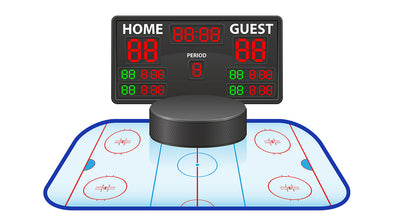
Penalties stop the clock and can change how long a period feels. When a player breaks a rule, they spend time in the penalty box. This gives the other team a chance to play with more players, known as a power play. The clock stops during these moments to keep play fair. Penalty time runs separately and counts down even if the game clock stops. This causes the overall game time to stretch beyond the normal period length.
Credit: www.polyglidesyntheticice.com
Frequently Asked Questions
Is Hockey 3 Periods Or 4?
Hockey games have three periods, each lasting 20 minutes of play. Overtime or shootouts may follow tied games.
How Long Is Each Period In Nhl?
Each NHL period lasts 20 minutes of stop-time play. The clock stops for penalties, goals, and stoppages. There are three periods in a game.
Is Hockey A 3:20-minute Period?
No, hockey periods last 20 minutes each, not 3:20 minutes. Games have three periods of 20 minutes.
How Long Is A Hockey Period In Real Time?
A hockey period lasts 20 minutes of stop-time play. The clock stops for penalties, goals, and stoppages. Real-time duration varies but usually spans around 30 to 40 minutes per period including breaks.
Conclusion
A hockey game has three periods, each lasting 20 minutes. The clock stops often, so real time is longer. Breaks between periods let players rest and prepare. Knowing period length helps fans enjoy the game better. Now you understand how long hockey periods last.
Stay tuned for more simple sports facts!