Are your golf clubs feeling a bit too long or hard to control? Shortening your golf clubs might be the game-changer you need.
By trimming down your clubs to the perfect length, you can improve your accuracy and even hit the ball farther. Sounds surprising, right? But it’s true—when your club fits you just right, you’ll find the sweet spot on the clubface more often, leading to better, more consistent shots.
You’ll learn exactly how to shorten your golf clubs at home, what tools you’ll need, and what to watch out for to keep your swing smooth and powerful. Ready to take your golf game to the next level? Let’s dive in!

Credit: madefortherange.com
Benefits Of Shorter Clubs
Shortening golf clubs offers many benefits for players of all skill levels. It can improve your overall performance by making swings more manageable. Shorter clubs help you make better contact with the ball. This leads to more consistent and accurate shots on the course.
Improved Swing Accuracy
Shorter clubs are easier to control during your swing. This helps you keep the clubface square at impact. A square clubface means the ball flies straighter. It reduces the chances of slicing or hooking the ball. Better accuracy allows you to place the ball where you want on the course.
Enhanced Distance Potential
Many golfers think shorter clubs reduce distance. The opposite is often true. Shorter clubs allow you to hit the ball in the center of the clubface more often. This leads to a cleaner strike and better energy transfer. A clean strike can send the ball farther, even with less swing speed.
Better Control And Consistency
Short clubs give you more control over your swing path. This control creates consistent ball flight and spin. You can repeat your swings more easily with shorter clubs. Consistency is key to lowering your scores and improving your game. It also builds confidence on the course.
Choosing The Right Length
Choosing the right length for your golf clubs is essential for better control and comfort. The correct length helps you swing naturally and hit the ball cleanly. Too long or too short clubs can cause poor shots and strain your body. Understanding how to pick the right length makes your game more enjoyable and effective.
Height-based Length Guidelines
Your height is a key factor in deciding club length. Taller players usually need longer clubs. Shorter players benefit from shorter clubs. Standard club lengths fit players between 5’7″ and 6’1″. If you fall outside this range, consider adjusting the length. Measuring your wrist-to-floor distance also helps find the perfect fit.
Personal Swing Considerations
Each golfer swings differently. Some have a steep swing, others a flatter one. Your swing style affects the ideal club length. A smoother, slower swing may need a slightly shorter club for better control. Faster, more aggressive swings might suit standard or slightly longer clubs. Testing different lengths improves your comfort and accuracy.
Pro Preferences For Shorter Irons
Many professional golfers prefer shorter irons. Shorter irons improve control and consistency. They help hit the sweet spot more often. Pros can shape shots better with shorter clubs. This choice is about precision over distance. You can try shorter irons to see if they fit your style and improve your game.
Tools Needed For Shortening
Shortening golf clubs requires the right tools to ensure precision and safety. The process involves cutting the shaft and adjusting the grip. Having proper tools makes the job easier and helps maintain the club’s balance and performance. Below are the essential tools needed for shortening golf clubs effectively.
Utility Knife And Hacksaw
A utility knife helps remove the grip cleanly before cutting the shaft. It allows for precise trimming without damaging the shaft. A hacksaw is necessary for cutting the metal or graphite shaft. It provides a clean and straight cut. Use a fine-toothed blade to avoid splintering the shaft material.
Grip Tape And Solvent
Grip tape holds the new grip in place securely. It prevents slipping and ensures comfort during swings. Solvent softens the tape and makes sliding the grip on easier. Use enough solvent to avoid air bubbles. Proper grip installation improves control and feel after shortening.
Additional Weight Materials
Shortening clubs can change their swing weight. Adding small weights balances the club properly. Lead tape or weighting kits work well for this task. Apply weight near the clubhead or grip end as needed. Balancing the club maintains its performance and feel after modification.
Credit: www.youtube.com
Step-by-step Shortening Process
Shortening golf clubs can improve control and comfort during play. The process needs care and precision. Follow these clear steps to shorten your clubs correctly. Each step ensures the club stays balanced and performs well.
Removing The Grip
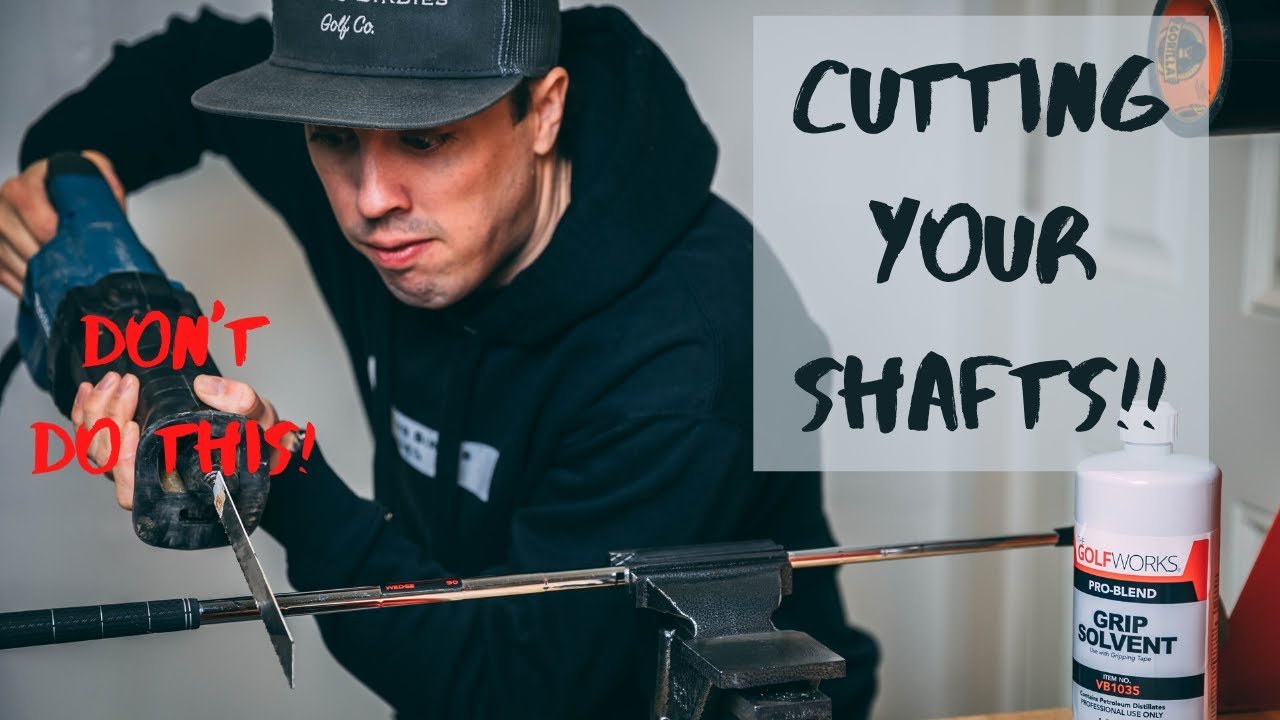
Start by removing the old grip from the shaft. Use a utility knife to cut the grip lengthwise. Be careful not to damage the shaft. Peel the grip off slowly. Clean any leftover tape or residue on the shaft. This prepares the club for cutting.
Cutting The Shaft
Measure the amount to shorten using a ruler or tape. Mark the cutting point clearly with a marker. Use a fine-toothed saw or shaft cutter. Cut straight and smooth to avoid splinters. Check the length twice before cutting. Sand the cut edge lightly to smooth it out.
Applying New Grip
Apply grip tape evenly on the shaft’s top section. Spray grip solvent on the tape and inside the new grip. Slide the grip quickly onto the shaft. Align it correctly before the solvent dries. Hold the grip firmly in place for a minute. Let it dry completely before using the club.
Adjusting Club Characteristics
Shortening golf clubs affects more than just length. It changes how the club feels and performs. Adjusting club characteristics is vital after cutting down a shaft. Small changes can impact your swing and shot quality. Understanding these shifts helps golfers keep control and improve their play.
Swing Weight Changes
Shortening a club usually reduces its swing weight. The club feels lighter in your hands. This can alter your timing and rhythm during the swing. To fix this, adding weight to the clubhead or grip is common. Proper swing weight keeps balance and control consistent.
Shaft Flex Modifications
Cutting the shaft makes it stiffer. A shorter shaft bends less during the swing. This stiffness can affect ball flight and distance. Some golfers may need a softer flex shaft after shortening. Matching shaft flex to your swing style ensures better accuracy and comfort.
Lie Angle Adjustments
Shortening changes the lie angle of the club. The clubhead may tilt more upright or flat at impact. Incorrect lie angles cause shots to veer off target. Adjusting the lie angle keeps the clubface square to the ball. This adjustment helps maintain consistent shot direction.
Cost And Diy Considerations
Shortening golf clubs can improve your swing and control. Cost and effort matter when deciding how to shorten them. You can choose to do it yourself or hire a professional. Both options have benefits and drawbacks. Knowing the cost and DIY details helps you pick the best method.
Professional Vs Home Shortening
Professionals use special tools to cut clubs precisely. They ensure the club stays balanced and strong. The cost ranges from $10 to $30 per club. It takes little time and reduces risk of damage.
Home shortening saves money but needs care. You need a saw, tape, and measuring tools. Mistakes can ruin the club or affect performance. It is best for those confident with tools and patient with the process.
Grip Replacement Options
Shortening clubs often means replacing grips. Professionals can remove old grips and install new ones cleanly. This adds to the overall cost but improves feel and control.
DIY grip replacement requires grip tape and solvent. It’s affordable and doable but can be messy. Proper drying time is important to avoid slipping grips during play.
Balancing Cost And Performance
Balance cost with how much you play and your skill level. Professionals offer quality but cost more. DIY is cheaper but needs skill and time.
Consider if you want perfect balance and finish or just a quick adjustment. Shortening clubs can boost performance if done right. Choose wisely for the best value and results.
Common Mistakes To Avoid
Shortening golf clubs can improve control and comfort. Many golfers try this adjustment at home or with a pro. Mistakes during this process can affect your swing and performance. Avoid these common errors to get the best results from your clubs.
Cutting Too Much Length
Cutting more than needed weakens the club’s structure. It reduces swing speed and power. A club too short can cause poor posture and balance. Measure carefully before making any cuts. Shorten in small increments to avoid overdoing it.
Ignoring Swing Weight Impact
Changing club length changes its swing weight. A heavier or lighter club can affect your timing. Swing weight affects how the club feels during your swing. Adjust swing weight after shortening to keep consistency. Use a swing weight scale or consult a fitter.
Skipping Lie Angle Checks
Shortening clubs can alter the lie angle. A wrong lie angle causes shots to miss left or right. Check and adjust lie angle after cutting length. Proper lie angle helps your clubhead strike the ground evenly. This ensures better ball flight and accuracy.
Testing And Fine-tuning
Testing and fine-tuning are key after shortening golf clubs. This step ensures your clubs feel right and perform well. You must check balance, weight, and comfort before playing. Small changes can make a big difference in your swing and accuracy.
Swing Weight Calibration
Swing weight shows how heavy the club feels during a swing. Shortening a club changes this balance. You need to measure swing weight after cutting the shaft. Use a swing weight scale or visit a golf shop for this.
Adjust the weight by adding lead tape or heavier grips. This keeps the club feeling natural. Proper swing weight improves control and timing in your swing.
Trial Shots And Adjustments
Take some trial shots with the shortened club. Pay attention to how the club feels and the ball flight. Look for changes in distance, accuracy, and consistency.
Make small adjustments if the club feels off. You might need to shorten a bit more or add weight. Keep testing until the club matches your swing style well.
When To Consult A Pro
Some changes need expert advice. Consult a professional club fitter or golf coach. They can measure your swing and recommend the right club length and weight.
Pros have tools and experience to make precise adjustments. They help avoid common mistakes that hurt your game. A short visit can save time and improve your results.

Credit: www.mitchellgolf.com
Frequently Asked Questions
How Will A Club Play If It Is Shortened?
Shortening a golf club improves accuracy and control by promoting center-face strikes. It may slightly stiffen the shaft and reduce swing weight, possibly requiring added weight. Overall, a shorter club helps enhance consistency and can even increase distance through better contact.
How Much Should I Shorten My Golf Clubs?
Shorten golf clubs based on your height and swing style, usually 0. 5 to 1. 5 inches shorter than standard. Adjust for comfort and control.
How Much Does It Cost To Have A Golf Club Shortened?
The cost to shorten a golf club typically ranges from $10 to $30 per club. Prices vary by shop and location.
Do Any Pros Play Shorter Irons?
Yes, many pros play shorter irons to improve control and consistently hit the center of the clubface.
Conclusion
Shortening golf clubs can improve your swing and control. A shorter club helps hit the ball more accurately. It often increases distance by striking the center more. Remember to adjust the grip and balance after cutting. Small changes can make a big difference in your game.
Always measure carefully before cutting your clubs. This simple step can boost your confidence on the course. Try it and see how your shots improve.