Imagine you’re all set to watch or play an intense tennis match, and suddenly, the skies open up. Rain delay in tennis is more than just an inconvenient pause—it can change the entire flow of the game.
Have you ever wondered how long a rain delay lasts? Or what exactly happens to the players and the match during this unexpected break? Whether you’re a fan, a player, or just curious, understanding rain delays can help you make sense of those frustrating interruptions and see how they impact the outcome.
Stick with me, and you’ll learn everything you need to know about rain delay tennis—from why matches stop to how players stay ready when the rain won’t quit.

Credit: www.gettyimages.com
Rain Delay Duration
Rain delay duration in tennis varies widely. It can last a few minutes or stretch beyond hours. Understanding what affects the length helps fans and players prepare. Weather, court type, and rain strength all play roles in deciding how long the game pauses.
Factors Affecting Length
Several factors influence rain delay duration. The intensity of rainfall is key; heavier rain means longer stops. The court’s ability to dry also matters. Tournament rules may add time if delays are long or frequent. Player safety always guides the decision to pause play.
Court Surface Impact
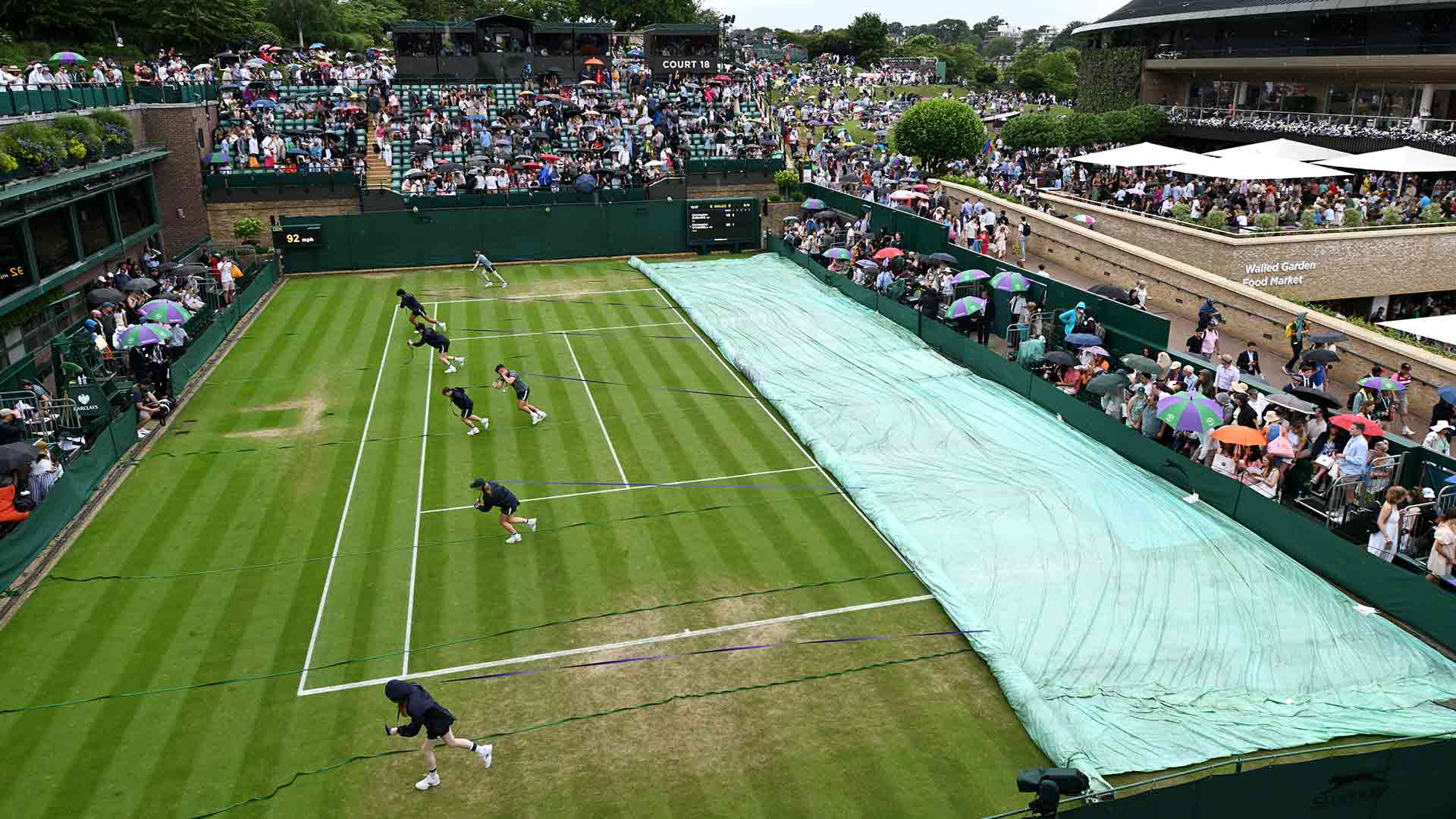
Clay courts absorb water and dry slowly. This often causes longer delays compared to hard courts. Hard surfaces drain better, allowing faster game resumption. Grass courts can become slippery and unsafe, causing delays too. Each surface type demands different waiting times after rain.
Rain Intensity Role
Light rain can stop play immediately to avoid injuries. Even small drops make courts slippery and dangerous. Heavy rain floods courts, making play impossible for extended periods. The rain’s duration also affects how long the delay lasts. Matches resume only when conditions are safe.
Rules During Rain Delays
Rain delays are common in tennis and can disrupt the flow of a match. The rules during these delays ensure fairness and safety. Players, officials, and organizers follow specific guidelines to handle interruptions caused by rain. These rules help maintain the match’s integrity while protecting players and equipment.
Match Suspension Procedures
Play stops immediately when rain begins. Umpires check the court for safety. Officials decide if the court surface is slippery or dangerous. All players leave the court and wait in designated areas. The match is officially suspended until conditions improve. If rain lasts too long, officials may postpone the match to another day.
Score And Service Recording
Scores are recorded exactly as they were before the delay. The server and receiver remain the same when play resumes. If a set was interrupted, it restarts from the last point played. The umpire confirms the score with players before resuming. This ensures no confusion about the current match status.
Match Resumption Guidelines
Matches restart only after the court is dry and safe. Players return to their positions on the court. The umpire announces the score and the player to serve. Players are allowed a short warm-up before continuing. Officials monitor weather conditions to prevent further delays. The match continues as if no interruption occurred.
Player Strategies
Rain delays disrupt the flow of tennis matches, challenging players to adapt quickly. Effective player strategies help maintain performance despite these interruptions. These strategies focus on managing the body and mind during pauses. Staying ready for the match restart is crucial.
Managing Body Temperature
Players must keep their body temperature steady during rain delays. Wearing warm clothes helps prevent muscles from cooling down too fast. Some use heated towels or blankets to stay warm. Avoiding sudden exposure to cold air reduces injury risk. Keeping the muscles warm ensures readiness for fast movement once play resumes.
Stretching And Warm-up Tips
Gentle stretching during the delay maintains muscle flexibility. Dynamic stretches prepare the body without causing fatigue. Light jogging or jumping keeps the heart rate steady. Players focus on key muscle groups like legs and shoulders. Short warm-up routines prevent stiffness and reduce injury chances.
Mental Focus Techniques
Staying mentally sharp during a rain delay is vital. Players use deep breathing to reduce stress and calm nerves. Visualizing successful shots keeps confidence high. Setting small goals helps maintain concentration. Avoiding distractions during the pause improves focus when the match restarts.
Impact On Match Outcome
Rain delays in tennis can change the course of a match in many ways. Players must pause their rhythm and wait for the court to be safe. This break can influence who wins or loses, beyond just the skills shown on court. Understanding these effects helps fans and players prepare for unexpected changes during a match.
Momentum Disruption
Momentum is key in tennis. Players build energy and confidence with each point won. A rain delay stops this flow suddenly. A player on a winning streak may lose focus and rhythm. The break can cool down their energy and give the opponent a chance to reset. This shift can change the match’s direction quickly.
Psychological Effects
Waiting during a rain delay tests players’ mental strength. Some feel frustrated or anxious, which affects their play later. Others use the time to calm down and think. The delay can increase pressure, especially if the match is close. Mental toughness during these pauses often decides the final outcome.
Adjusting Game Plans
Players use rain delays to change tactics. They study their opponent’s style and plan new strategies. Slower courts after rain may favor defensive play. Players might focus on longer rallies or aim for safer shots. The break offers a chance to rethink and adapt quickly for a better chance to win.
Court Drying Process
The court drying process is essential after rain stops play in tennis. It ensures safe and fair conditions for players. This process varies depending on the court type and weather conditions. Efficient drying helps reduce match delays and keeps the schedule on track.
Ground staff act quickly to remove water from the court surface. They use special tools and methods to speed up drying. Understanding the drying time, surface differences, and maintenance methods helps fans appreciate the work behind rain delays.
Drying Time Estimates
Drying time depends on rain amount and court type. Light rain may need only 10 to 20 minutes to dry. Heavy rain can extend drying to over an hour. Sun and wind also help speed up drying. In some cases, courts may take several hours to be ready again.
Surface Differences
Clay courts absorb water and take longer to dry. Staff must remove excess water and then dry the clay surface carefully. Hard courts drain water quickly and dry faster. Grass courts are delicate and need gentle drying to avoid damage. Each surface needs unique care during rain delays.
Maintenance Methods
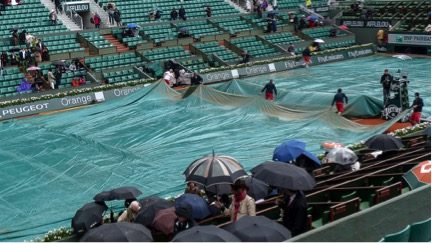
Groundskeepers use squeegees to push water off hard courts. Towels and rollers help absorb moisture on clay courts. Blow dryers and fans speed up air circulation. Some venues use court dryers with warm air. Quick and proper maintenance reduces wait times before play resumes.
Credit: www.eatsleep.fit
Handling Long Delays
Long rain delays test tennis players’ patience and preparation. Handling these interruptions well can keep players ready and focused. The process involves rest, clear communication, and planning for match rescheduling. Each aspect helps players manage the break and return strong to the court.
Player Rest And Recovery
Players use long delays to rest their bodies. They hydrate and eat light snacks to maintain energy. Stretching and light exercises prevent stiffness and muscle tightness. Mental relaxation is also important to reduce stress and stay calm. Proper rest helps players avoid injuries when play resumes.
Communication With Officials
Clear communication with match officials is essential during delays. Players get updates about weather and court conditions. Officials provide information on possible restart times. This helps players plan their warm-ups and stay mentally prepared. Good communication prevents confusion and keeps everyone informed.
Rescheduling Matches
Rescheduling may be needed if delays are very long. Officials work to find new times that fit the tournament schedule. Players must be ready to adjust their plans quickly. Rescheduling aims to keep fairness for all competitors. Timely updates help players stay focused on their next match.
Preparation Before Play Resumes
Rain delays disrupt the flow of tennis matches. Players must prepare carefully before play restarts. Proper preparation helps avoid injury and regain focus quickly. This section covers key steps to get ready after a rain delay.
Warm-up Routines
After a rain delay, muscles cool down and stiffen. Gentle jogging or stretching helps increase blood flow. Players should avoid intense exercises at first. Gradual movement reduces injury risk. Short rallies or light hitting on court wake up the body. A good warm-up restores readiness for fast play.
Equipment Checks
Wet courts affect shoe grip and racket handling. Players must check shoes for proper traction. Damp grips need drying or replacement. Tennis balls can become heavier and slippery when wet. Using fresh balls is important for consistent play. Inspecting equipment ensures safety and confidence on court.
Mental Readiness
Rain delays can disrupt concentration and rhythm. Players should use the break to clear their minds. Deep breathing or visualization techniques calm nerves. Setting simple goals can boost confidence. Staying positive helps regain competitive focus. Mental readiness is as important as physical warm-up.
Credit: www.atptour.com
Frequently Asked Questions
How Long Is A Tennis Rain Delay?
A tennis rain delay can last from a few minutes to over a day. Duration depends on rain intensity, court surface, and drying time. Play resumes once conditions are safe, or matches may restart if delays exceed four hours.
What Do Tennis Players Do During Rain Delay?
During a rain delay, tennis players rest, stay warm, hydrate, and mentally prepare. They avoid cooling down to prevent muscle stiffness. For long delays, players manage their bodies carefully. Once play resumes, they warm up to regain readiness and focus before continuing the match.
How Long To Wait After Rain To Play Tennis?
Wait at least 30 minutes after rain stops before playing tennis. Ensure the court is dry and safe to prevent injuries. Clay courts may need longer drying time than hard courts. Always check court conditions before resuming play.
What Happens If A Tennis Match Is Interrupted Due To Rain?
Rain stops play immediately to protect players and court. Matches resume from the interruption point once dry. Long delays may cause rescheduling or replaying the match from the start. Players warm up before restarting to prevent injury and maintain performance.
Conclusion
Rain delays in tennis are common and can last from minutes to hours. Court type and rain intensity affect delay length. Players must stay focused and ready during breaks. Delays can change match momentum and strategy. Understanding rain delay rules helps fans and players stay informed.
Tennis matches often resume smoothly once conditions improve. Staying patient makes watching rain-delayed tennis more enjoyable.