Have you ever watched a hockey game and seen a player slammed hard against the boards? That intense moment is called boarding, and it’s more than just a big hit—it’s a serious rule violation.
If you’re curious about what exactly boarding means, why it’s penalized, and how it differs from a regular body check, you’re in the right place. Understanding boarding will change the way you watch hockey and help you appreciate the skill and safety behind the game.
Keep reading to uncover everything you need to know about boarding in hockey.
Definition Of Boarding
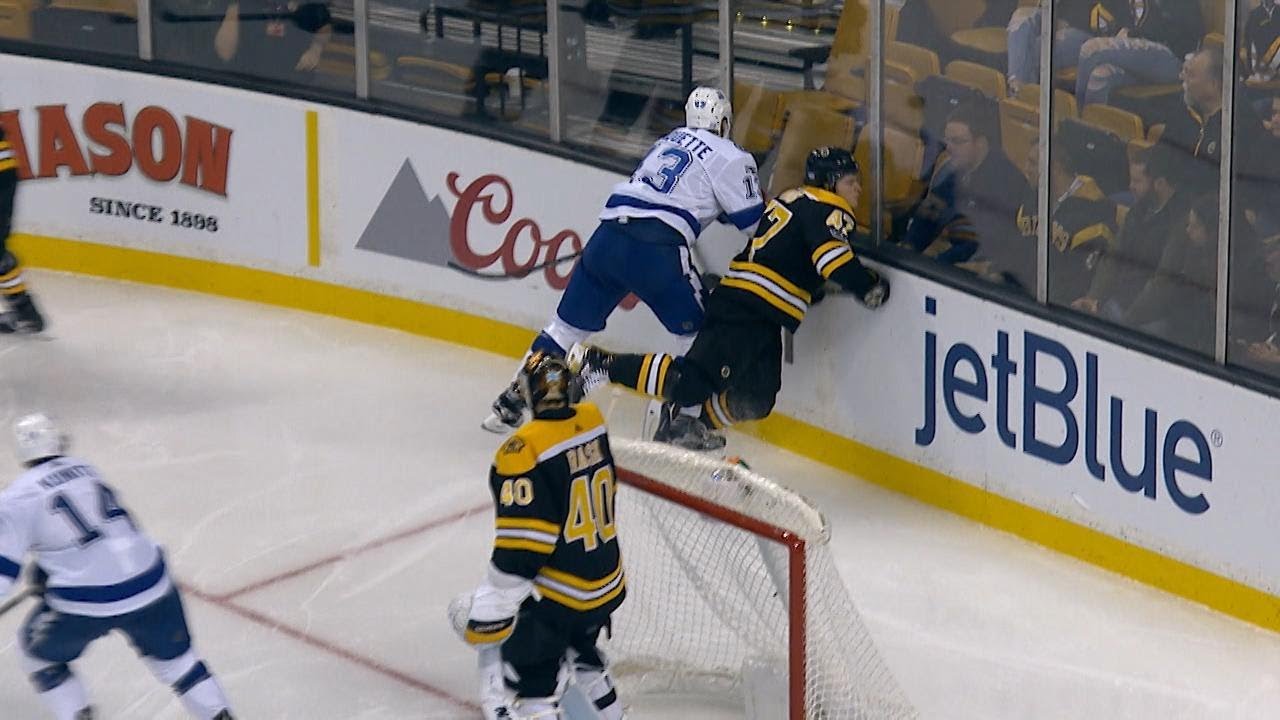
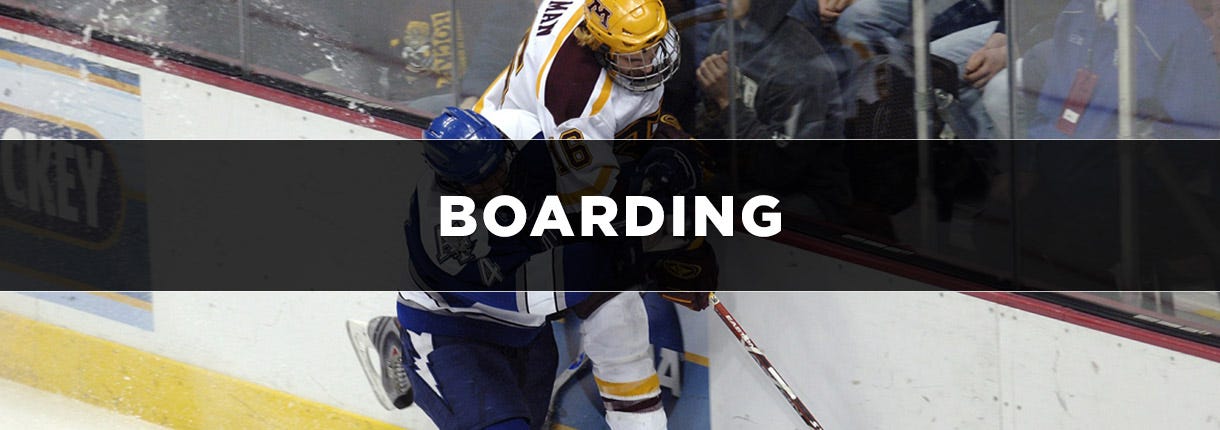
Boarding is a specific term in hockey that describes a dangerous play. It happens when a player hits an opponent violently into the boards. This action is illegal because it can cause serious injury. The rules aim to protect players from such harmful hits.
The key part of boarding is the force and the player’s position. The hit is not just a regular check but one that pushes or throws a player against the boards in a harmful way. The player receiving the hit is often not ready or able to protect themselves. This makes boarding a serious penalty in hockey games.
What Does Boarding Mean In Hockey?
Boarding means pushing or checking an opponent into the boards with excessive force. It is not the same as a regular body check. Boarding focuses on the dangerous impact with the boards. The hit must be forceful enough to risk injury.
How Is Boarding Different From A Legal Check?
A legal check is a shoulder-to-shoulder hit to take the puck away. It is allowed anywhere on the ice, including near the boards. In contrast, boarding is a hit that targets a defenseless player near the boards. The main goal of boarding is to harm, not to play the puck.
Why Is Boarding Penalized?
Boarding carries penalties because it endangers player safety. The hit often surprises the player and leaves them vulnerable. Penalties can range from minor to major, including game misconduct. The rules discourage players from making such dangerous plays.
Differences Between Boarding And Body Checking
Understanding the differences between boarding and body checking is important for hockey fans and players. Both involve physical contact, but they have distinct rules and consequences. Boarding is a dangerous action that leads to penalties, while body checking is a legal part of the game when done correctly. Below, we explore key differences to help you tell them apart.
Action And Intent
Boarding happens when a player violently hits an opponent into the boards. The hit is often forceful and sudden. The main goal is to cause harm, not to play the puck. Body checking is a shoulder-to-shoulder hit. It aims to stop the opponent or take the puck. The contact is controlled and part of normal play.
Player Position And Status
Boarding usually targets a defenseless player. This player may not expect the hit or just played the puck. The hit often happens near the boards. Body checking occurs between two players near the puck. Both players are active and aware. The hit can happen anywhere on the ice, not only by the boards.
Legal Vs Illegal Contact
Boarding is always illegal. It results in penalties, ranging from minor to major. Sometimes, it leads to game misconducts depending on the hit’s severity. Body checking is legal if done properly. The hit must avoid the opponent’s head and be close to the puck. Referees watch closely to ensure safety and fairness.
Key Nhl Boarding Rules
The key NHL boarding rules aim to protect players from dangerous hits against the boards. Boarding occurs when a player violently pushes or checks an opponent into the boards. The rules focus on player safety, penalizing hits that cause injury or involve defenseless players. Understanding these rules helps fans and players recognize illegal plays and their consequences.
When Boarding Is Called
Boarding is called when a player hits an opponent violently into the boards. The hit must be forceful and cause the opponent to be thrown against the boards. Referees look for hits that are reckless or show no attempt to avoid injury. The call stops play and usually results in a penalty.
Criteria For Defenseless Players
A defenseless player is one who cannot protect themselves from the hit. This includes players who have just released the puck or are not expecting contact. Players in vulnerable positions, like facing away from the hit, are also defenseless. Boarding penalties are stricter if the player hit is defenseless.
Force And Location Considerations
The force of the hit and where it happens on the ice matter. Hits near the boards with high force increase the chance of a boarding penalty. The NHL also considers if the hit causes the player to hit their head or lose balance dangerously. The goal is to prevent injuries from dangerous impacts against the boards.

Credit: www.flohockey.tv
Types Of Boarding Penalties
Boarding penalties in hockey vary based on the severity of the hit. Officials determine the type of penalty by how dangerous the boarding action is. The goal is to keep players safe while allowing fair physical play. Penalties can range from minor to severe, depending on the situation.
Minor Penalties
Minor boarding penalties usually involve less forceful hits. The player delivering the hit may get a two-minute penalty. This penalty means the player must sit out while the other team plays with one extra skater. Minor penalties warn players to avoid dangerous hits near the boards.
Major Penalties
Major penalties come from more violent boarding hits. These hits risk serious injury to the opponent. A major penalty lasts five minutes, and the player must leave the ice. This penalty sends a strong message against dangerous plays. It also gives the opposing team a power play for a longer time.
Game Misconducts
Game misconducts are the most serious boarding penalties. They remove the player from the rest of the game. This happens when the hit is very dangerous or reckless. Officials want to protect players from severe harm. Game misconducts show zero tolerance for unsafe boarding actions.
Safety Concerns And Player Protection
Boarding in hockey raises serious safety concerns. It involves hitting a player violently into the boards. This action can cause severe injuries. Protecting players from such hits is a top priority in hockey.
Player safety rules aim to reduce dangerous plays. Officials watch closely for boarding penalties. Proper equipment also plays a key role in protection. Understanding these safety measures helps fans appreciate the sport better.
What Makes Boarding Dangerous?
Boarding often targets players who are not ready. The sudden, forceful impact against the boards can cause head and neck injuries. The risk of concussions is high. Such hits may also result in broken bones or bruises.
Rules To Prevent Boarding
Hockey leagues have strict rules against boarding. Penalties range from minor to major, including game misconduct. Referees penalize players who hit recklessly near the boards. These rules discourage dangerous behavior on the ice.
Protective Gear For Players
Players wear helmets, pads, and mouthguards for safety. Helmets help reduce the risk of head injuries. Shoulder and elbow pads protect against impacts. Mouthguards shield teeth and lessen jaw injuries. Proper gear lessens harm from accidental or legal hits.
Role Of Officials In Player Safety
Referees enforce rules to protect players. They stop play immediately after dangerous hits. Officials review incidents to decide on penalties. Their presence helps keep the game safe and fair.
Credit: www.youtube.com
Examples Of Boarding Infractions
Boarding infractions in hockey occur when a player hits an opponent violently into the boards. These hits are dangerous and can cause serious injuries. The rules around boarding help keep players safe by penalizing reckless behavior. Here are some common examples of boarding infractions you might see during a game.
Checking A Defenseless Player Into The Boards
This happens when a player hits someone who is not ready or aware. The hit forces the player into the boards with great force. The defender often just played the puck or is turned away. Such checks are illegal and usually lead to penalties.
Using Excessive Force Near The Boards
Boarding is more than just a hard hit. It involves using too much force against an opponent near the boards. The force can cause the player to lose balance and crash dangerously. Officials watch carefully for these types of hits to keep the game safe.
Hits From Behind Into The Boards
When a player hits an opponent from behind and pushes them into the boards, it is boarding. This hit is especially dangerous because the player cannot defend themselves. Such actions are strictly penalized to prevent serious harm.
Driving An Opponent Head-first Into The Boards
Boarding also occurs if the hit causes the opponent’s head to strike the boards first. This can lead to concussions or worse injuries. Referees are quick to call penalties on hits that cause head-first impacts.
Impact On Game And Player Behavior
Boarding in hockey greatly affects the flow of the game and how players behave on the ice. This penalty changes the pace by causing stoppages and can lead to power plays. It also influences players’ choices and risks during play.
Players often become more cautious near the boards to avoid penalties. Coaches emphasize safe playing techniques to reduce the chance of boarding calls. The fear of injury or punishment changes the way players approach checking and defending.
Effect On Game Flow
Boarding penalties interrupt the natural rhythm of the game. When a player is sent to the penalty box, the team plays with fewer skaters. This advantage can lead to scoring opportunities for the opposing team. Frequent boarding calls can slow the game and increase tension among players.
Influence On Player Safety
Boarding is dangerous because it pushes players violently into the boards. The risk of injuries rises with such hits. Players become more aware of their position near the boards to avoid harmful collisions. Safety rules help protect players but also change how aggressively they play.
Changes In Player Behavior
Players adjust their style to avoid boarding penalties. They may avoid risky hits near the boards or change their timing. Some may play more defensively to reduce the chance of being penalized. Coaches train players to focus on clean, legal checks to maintain team strength.
Credit: www.hockeymonkey.com
Frequently Asked Questions
What Is The Difference Between Checking And Boarding In Hockey?
Checking is a legal shoulder-to-shoulder hit to separate a player from the puck. Boarding is an illegal, violent hit pushing a defenseless player into the boards. Boarding involves excessive force and targets an unprepared opponent, resulting in penalties.
What Is The Boarding Rule In The Nhl?
Boarding in the NHL is an illegal hit where a player violently pushes an opponent into the boards. It targets a defenseless player, causing potential injury. This penalty ranges from minor to major, including game misconduct, depending on severity. Legal checks are shoulder-to-shoulder and near the puck.
What Is The Rarest Penalty In Hockey?
The rarest penalty in hockey is the “penalty shot interference. ” It occurs when a player illegally impedes a clear scoring chance. This penalty is seldom called due to its specific conditions and strict enforcement, making it one of the least frequent infractions in the game.
What’s The Difference Between Boarding And Charging In Hockey?
Boarding is an illegal, violent hit pushing a defenseless player into the boards. Charging is taking multiple strides before delivering a hit. Boarding targets vulnerable players near boards; charging involves excessive distance before contact. Both result in penalties but differ in intent and execution.
Conclusion
Boarding is a serious penalty in hockey that protects players. It happens when a player hits another violently into the boards. This hit is dangerous and often catches the player off guard. Unlike legal body checks, boarding focuses on causing harm, not playing the puck.
Referees watch closely to keep the game safe and fair. Understanding boarding helps fans appreciate the rules better. It also shows why safety matters on the ice. Keeping the game clean lets players compete without unnecessary risks. Hockey stays exciting and safe when all players follow these rules.