Are you curious about what makes a sport a “contact sport”? Maybe you’ve heard the term but aren’t sure which games really count.
Understanding this can help you decide which activities suit your style, fitness level, or even safety concerns. Contact sports involve physical interaction between players—sometimes light, sometimes intense—and knowing which sports fall into this category can change how you approach training or watching the game.
Ready to discover which sports demand close contact and what that means for you? Keep reading, and you’ll get a clear, simple breakdown that will help you make informed choices about your athletic adventures.
Contact Sport Basics
Contact sports involve physical interaction between players. These sports require players to touch, block, or tackle each other. Understanding the basics helps to know what makes a sport a contact sport.
Different sports have different levels of contact. Some have frequent and intense physical clashes. Others have limited or controlled contact.
Defining Contact Sports
Contact sports are games where players regularly touch or collide with each other. Examples include football, rugby, and wrestling. These sports rely on physical force to compete. Players must be ready for direct physical challenges during play.
Contact Vs Collision Sports
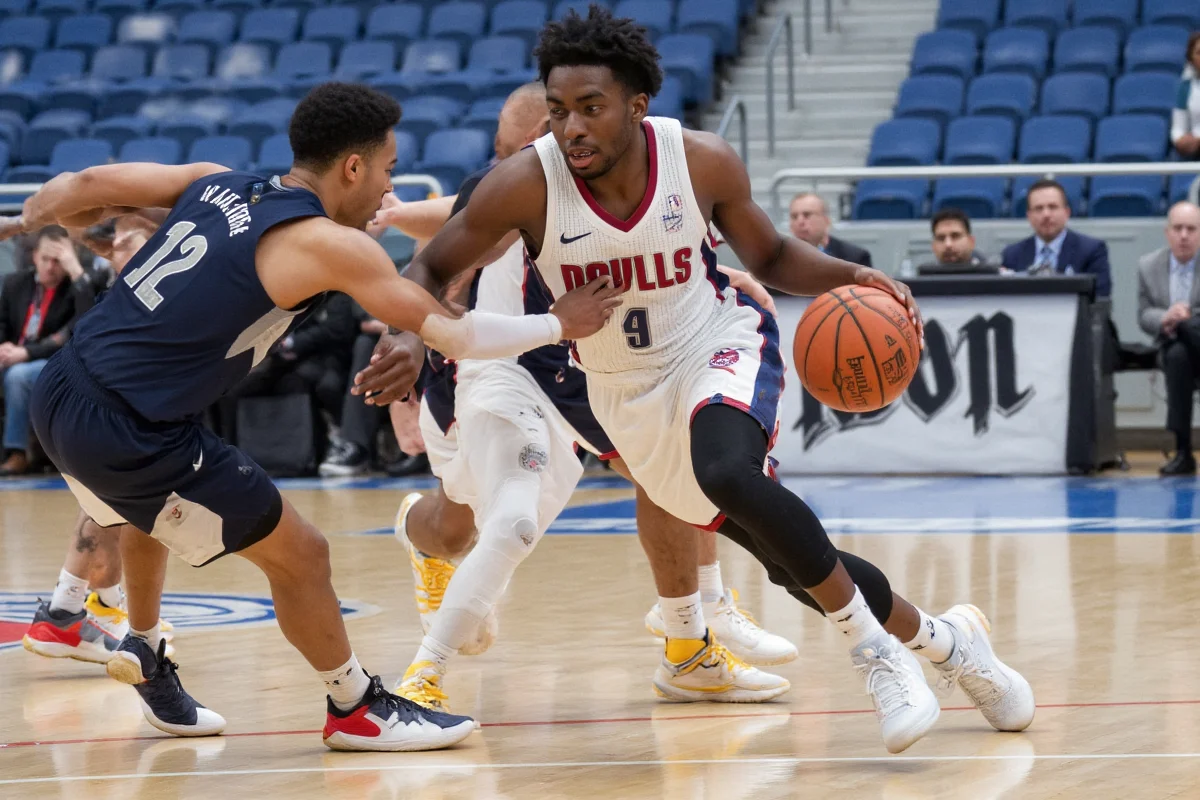
Contact sports allow physical touch but may limit the force. Collision sports involve deliberate, forceful impacts between players. Football and ice hockey are collision sports. Soccer and basketball are contact sports with less intense hits. The difference lies in the level and intent of physical contact.
Physical Risks And Injuries
Contact sports carry a higher risk of injury than non-contact sports. Common injuries include bruises, sprains, and fractures. Concussions are a serious concern in many contact sports. Proper gear and training reduce injury risks. Players must follow safety rules to protect themselves and others.
Popular Contact Sports
Contact sports are known for physical interaction between players. These sports often involve tackling, blocking, or direct body contact. Many popular sports fall into this category. They require strength, skill, and resilience. Below are some widely played contact sports recognized around the world.
American Football
American football is a high-contact sport played on a rectangular field. Players wear helmets and pads to protect themselves. The game involves tackling opponents to stop their progress. It demands teamwork, strategy, and physical toughness.
Rugby
Rugby is a fast-paced, full-contact sport originating from England. Players run with the ball and tackle opponents to gain ground. There are no pads or helmets, increasing the risk of injury. It emphasizes endurance, strength, and skill.
Boxing And Martial Arts
Boxing and martial arts focus on combat between two opponents. Fighters use punches, kicks, or grappling techniques. These sports require discipline, speed, and power. Protective gear helps reduce injuries but contact remains intense.
Ice Hockey
Ice hockey is a contact sport played on ice with skates and sticks. Players check opponents to gain control of the puck. The fast pace and physical contact make it thrilling and demanding. It calls for agility, strength, and quick reflexes.
Lacrosse
Lacrosse combines running, passing, and body contact. Players use sticks to catch and shoot a small ball. Physical play includes body checks and stick checks. It requires speed, precision, and physical endurance.
Wrestling
Wrestling is a combat sport where opponents grapple to gain control. It involves holds, throws, and pins. Wrestlers need strength, technique, and balance. Matches are intense and physically demanding.
Non-contact Sports
Non-contact sports are activities where players do not physically touch each other during the game. These sports prioritize skill and technique over physical interaction. Participants usually compete within their own space or designated areas, keeping opponents separated. This separation reduces the risk of injuries related to direct contact. Non-contact sports appeal to many who prefer safer, less aggressive competition environments.
Characteristics Of Non-contact Sports
Non-contact sports have no physical interaction between players. Competitors stay within their own space throughout the game. Playing areas are often divided by nets, lanes, or boundaries. Success depends on individual skill and precision. These sports focus on control, timing, and accuracy. The risk of collision or injury is much lower compared to contact sports.
Examples Of Non-contact Sports
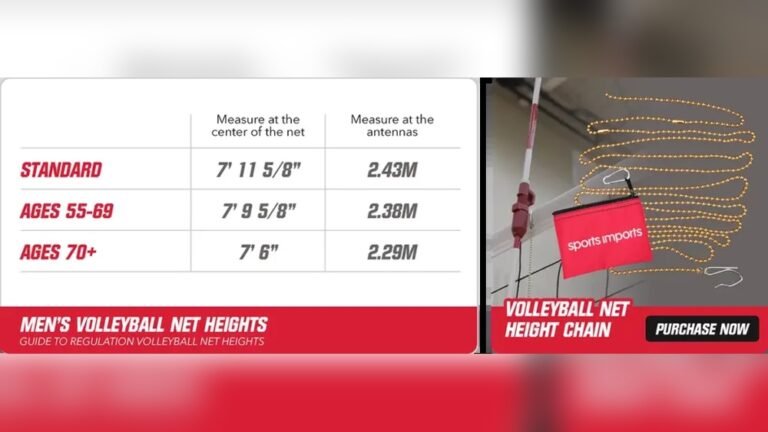
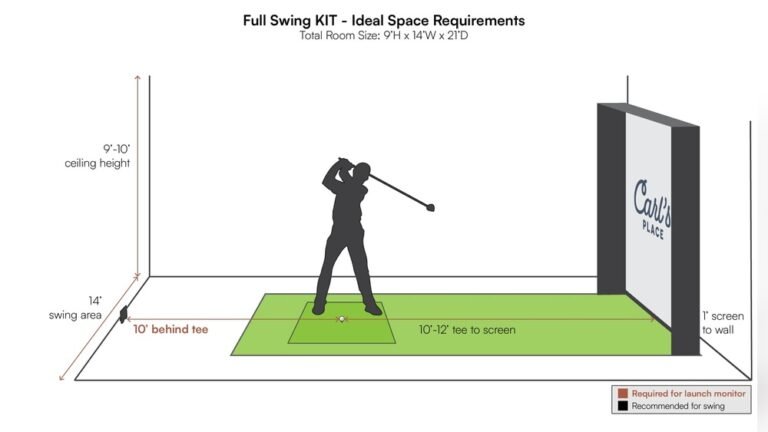
Swimming and diving are popular aquatics non-contact sports. Tennis, badminton, and table tennis involve racquets but no physical contact. Athletics include running, sprinting, and track and field events. Golf, archery, darts, and bowling are target-based non-contact sports. Team sports like cricket and volleyball also avoid physical contact. Gymnastics requires skill without direct player interaction.
Skill Focus And Play Areas
Non-contact sports highlight personal skill and technique. Players must control their movements precisely within their space. Many games use nets or lanes to separate opponents. Athletes train to improve speed, accuracy, and endurance. The design of play areas supports safe, fair competition. These sports encourage discipline and focus on individual performance.

Credit: www.dispatch.com
Safety In Contact Sports
Safety in contact sports is a top priority for players and coaches. These sports involve physical contact, which can lead to injuries. Taking steps to protect athletes helps reduce risks and keeps the game enjoyable. Understanding safety measures is important for everyone involved.
Protective Gear And Equipment
Protective gear is essential in contact sports. Helmets protect the head from impacts. Mouthguards prevent dental injuries. Pads shield shoulders, elbows, and knees. Wearing the right equipment lowers the chance of serious harm. Proper fit and quality gear matter a lot.
Rules To Minimize Injuries
Sports have rules to keep players safe. These rules limit dangerous moves and unsafe contact. Referees enforce penalties for rough or illegal plays. Training focuses on techniques to avoid injuries. Following rules helps players stay healthy and active.
Who Should Avoid Contact Sports
Some people should avoid contact sports for safety reasons. Those with certain medical conditions may face higher risks. People with heart problems or seizures should be cautious. Young children and beginners need extra supervision. Doctors can advise who should not play.
Contact Sports Around The World
Contact sports have a unique place in global culture. These sports involve direct physical interaction between players. This interaction often leads to intense competition and excitement. Different regions have developed their own versions of contact sports. They reflect local history, values, and physical styles. Exploring these sports reveals a rich diversity in how people engage in physical contests worldwide.
Regional Variations
Contact sports vary widely by region. In North America, American football is very popular. It features heavy tackles and strategic plays. Rugby dominates in countries like New Zealand and South Africa. It has fewer protective gears but intense physical contact. In Asia, martial arts such as judo and taekwondo are common. These sports focus on skill and controlled contact. Each region’s climate, culture, and history shape its contact sports.
Cultural Significance
Contact sports carry deep cultural meaning. In many places, they teach discipline and respect. They also build community pride and identity. For example, sumo wrestling in Japan is both a sport and a ritual. It connects modern athletes to ancient traditions. In Latin America, soccer often includes strong physical play and passionate fans. Contact sports often symbolize strength and resilience. They unite people through shared experiences and stories.
Global Popularity
Some contact sports enjoy worldwide popularity. Boxing, for instance, has fans across continents. It is easy to learn and requires minimal equipment. Mixed martial arts (MMA) has grown rapidly in recent years. It combines techniques from many contact sports. Ice hockey, popular in colder countries, has a strong global following too. These sports cross borders and cultures. They bring diverse groups together with a common passion.
Credit: sportssurge.alibaba.com
Training And Conditioning
Training and conditioning form the backbone of success in contact sports. These sports require athletes to prepare their bodies and minds for physical challenges. Proper training helps improve strength, speed, and endurance. It also reduces the risk of injuries. Conditioning routines are designed to meet the specific demands of contact sports. They focus on building resilience and skill.
Physical Preparation
Physical preparation includes exercises targeting muscle strength and cardiovascular health. Athletes engage in weight training to increase power. Stretching and flexibility exercises improve movement and reduce stiffness. Speed drills enhance quick reactions during play. Conditioning also involves sport-specific skills to handle physical contact effectively. Regular workouts build stamina to sustain high energy levels.
Injury Prevention Techniques
Injury prevention is vital in contact sports due to frequent collisions. Proper warm-ups prepare muscles for intense activity. Wearing protective gear like helmets and pads reduces injury risk. Coaches teach correct techniques to avoid dangerous impacts. Cool-down sessions help muscles recover faster. Athletes learn to recognize warning signs of injury early to prevent worsening.
Mental Toughness
Mental toughness helps athletes stay focused under pressure. Contact sports test emotional strength through physical confrontations. Training includes visualization to prepare for challenging moments. Athletes practice staying calm and confident during competition. Building resilience aids quick recovery from setbacks. Mental toughness supports consistent performance despite physical pain or fatigue.
Future Trends
The future of contact sports holds exciting changes. Safety, rules, and new sports will shape the way players compete and enjoy these games. These trends aim to protect athletes and grow interest worldwide.
Advances In Safety Technology
New helmets and padding use better materials to reduce injuries. Sensors now track impacts to alert medical teams quickly. Virtual reality helps train players without physical harm. These tools make contact sports safer for everyone involved.
Changing Rules And Regulations
Leagues are updating rules to protect players from serious harm. Penalties for dangerous hits are stricter than before. Some sports limit full contact in youth leagues to prevent injuries. These changes keep the game fair and reduce risks.
Growth Of Emerging Contact Sports
New contact sports are gaining fans and participants globally. Sports like mixed martial arts and flag football attract younger audiences. These sports mix physical challenge with new rules for safety. Their growth adds fresh energy to the world of contact sports.
Credit: mommyevolution.com
Frequently Asked Questions
Which Sports Are Considered Contact?
Contact sports include football, rugby, boxing, ice hockey, lacrosse, martial arts, and wrestling, involving frequent physical contact between players.
What Is Considered A Non-contact Sport?
A non-contact sport involves no physical contact between players during play. Participants compete individually or in separated areas. Examples include tennis, swimming, golf, and badminton. Success depends on skill, not physical interaction.
What Are Three Contact Sports?
Three common contact sports are football, boxing, and ice hockey. These sports involve frequent physical contact and collisions.
Is Football A Contact Sport?
Yes, football is a contact sport involving regular physical contact like tackling and blocking between players. It’s also a collision sport with high injury risk.
Conclusion
Contact sports involve physical contact between players during play. Examples include football, boxing, and wrestling. These sports carry a higher risk of injury due to collisions. Players need proper training and safety gear to reduce risks. Understanding what makes a sport “contact” helps in choosing the right activity.
It also guides coaches and players in preparing safely. Whether you play or watch, knowing these facts matters. Stay informed and enjoy sports safely.