If you’re diving into the world of Major League Baseball, understanding pitching stats is key to truly appreciating the game. One stat you might come across is WHIP.
But what exactly is WHIP in MLB, and why should you care about it? WHIP stands for Walks plus Hits per Inning Pitched, and it’s a simple yet powerful way to measure how well a pitcher keeps batters off the bases.
Knowing about WHIP can give you deeper insight into a pitcher’s performance beyond just wins and losses. Ready to learn how this stat can change the way you watch baseball? Keep reading, and you’ll soon see why WHIP matters to every fan who wants to get closer to the game.
Whip Basics
WHIP is a key pitching stat in Major League Baseball. It helps measure how well a pitcher controls the game. Understanding WHIP basics makes it easier to follow the sport and analyze player performance.
WHIP focuses on how many players reach base against a pitcher. It is simple but gives valuable insight into a pitcher’s effectiveness.
Definition And Formula
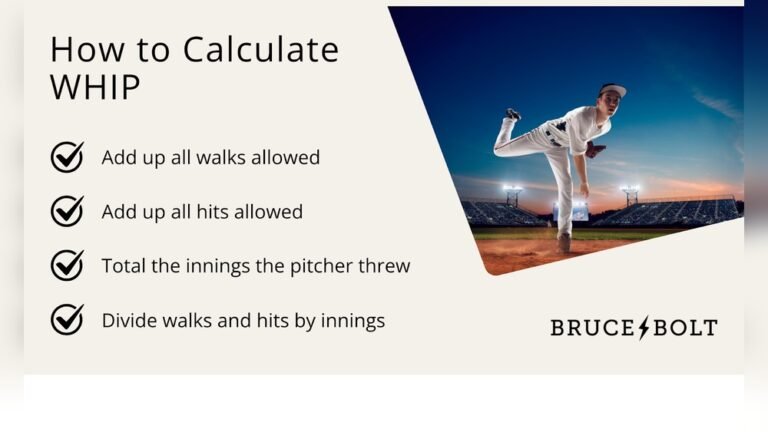
WHIP stands for Walks plus Hits per Inning Pitched. It shows the average number of walks and hits a pitcher allows per inning. The formula is:
WHIP = (Walks + Hits) ÷ Innings Pitched
This formula counts the total walks and hits and divides them by innings pitched. A lower WHIP means fewer baserunners and better control.
Role In Pitching Stats
WHIP helps evaluate a pitcher’s ability to keep runners off base. It is a useful complement to other stats like ERA. While ERA shows runs allowed, WHIP shows how often batters get on base.
Pitchers with low WHIP usually avoid dangerous situations. A good WHIP often leads to fewer runs scored by the opposing team. Coaches and fans use WHIP to judge a pitcher’s consistency and command.
Comparing Whip And Era
Comparing WHIP and ERA helps baseball fans understand pitchers better. Both stats show how well a pitcher performs but focus on different parts of the game. Knowing what each stat measures can give a fuller picture of a pitcher’s skill.
What Era Measures
ERA stands for Earned Run Average. It shows how many earned runs a pitcher allows per nine innings. This means it measures how many runs score without errors or passed balls. A low ERA means the pitcher stops the other team from scoring often. It is a simple way to see how good a pitcher is at protecting the lead.
What Whip Measures
WHIP means Walks plus Hits per Inning Pitched. It counts how many base runners a pitcher allows each inning through walks and hits. The lower the WHIP, the fewer runners get on base. This stat focuses on how well a pitcher controls the game by limiting opponents’ chances to score. WHIP helps show if a pitcher is consistent at keeping runners off the bases.
Strengths And Weaknesses
ERA is strong because it directly relates to runs, the main goal in baseball. However, ERA can be affected by fielding errors or team defense. WHIP shows how many runners a pitcher allows but does not count hit batters or errors. WHIP treats all walks and hits the same, even if hits can be more harmful. Both stats have limits but together, they give a clearer view of a pitcher’s performance.
Interpreting Whip Values
Understanding WHIP values helps in judging a pitcher’s control and effectiveness. WHIP stands for Walks plus Hits per Inning Pitched. It shows how many base runners a pitcher allows on average each inning. Lower WHIP means fewer runners and better pitching. This section explains how to interpret WHIP numbers in baseball.
What Is A Good Whip?
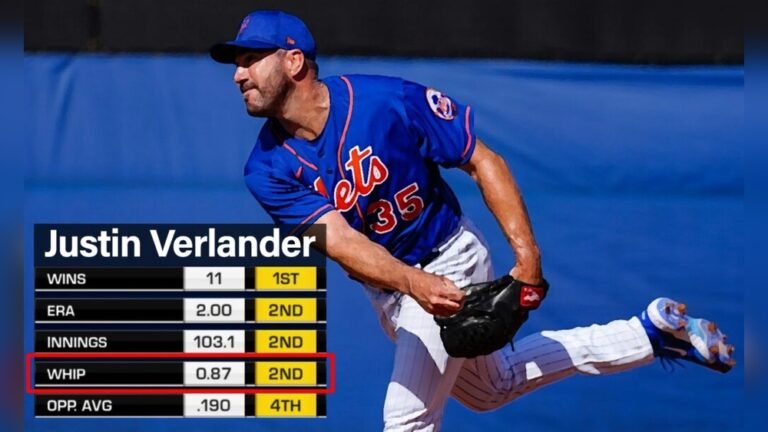
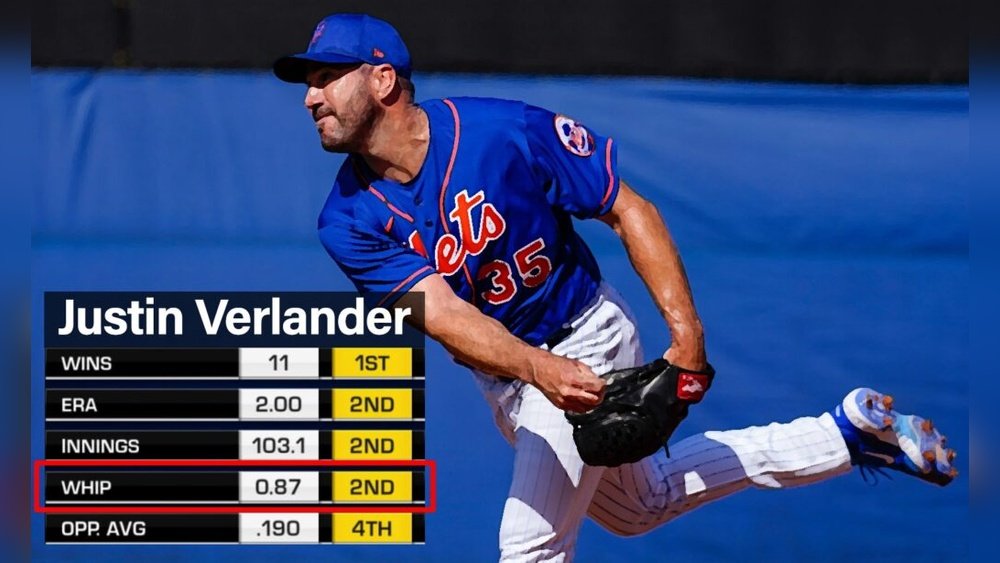
A good WHIP is usually below 1.30 in Major League Baseball. Elite pitchers often have WHIP values under 1.00. A WHIP close to 1.00 means the pitcher allows about one base runner per inning. Higher than 1.30 suggests the pitcher struggles to keep runners off base. WHIP helps to see how clean a pitcher’s innings are.
Whip Benchmarks In Mlb History
Some of the best pitchers in MLB history had WHIP below 1.00. For example, Pedro Martinez finished his career with a WHIP around 1.04. Clayton Kershaw has maintained a WHIP near 1.00 for many seasons. These numbers show exceptional control and dominance. Historical benchmarks help compare current pitchers to legends.
Whip And Pitcher Effectiveness
WHIP directly relates to a pitcher’s ability to limit scoring chances. Fewer base runners mean fewer chances for the opposing team to score. A low WHIP often leads to a low Earned Run Average (ERA). It also shows a pitcher’s skill in avoiding walks and hits. WHIP is a key stat for understanding overall pitching success.

Credit: www.youtube.com
Whip’s Role In Player Evaluation
WHIP plays a vital role in evaluating pitchers in Major League Baseball. It measures how many batters a pitcher allows to reach base per inning. This helps teams understand how well a pitcher controls the game and limits scoring opportunities. WHIP is a key metric for coaches, analysts, and fans to assess a player’s overall effectiveness on the mound.
Predicting Future Performance
WHIP helps predict how a pitcher might perform in upcoming games. A low WHIP suggests the pitcher allows fewer baserunners, reducing the chance of runs. This often signals consistent pitching and better control. Teams use WHIP trends to decide if a pitcher will keep performing well or if they might struggle soon.
Whip Vs Era For Consistency
WHIP and ERA measure different things but both matter. ERA shows how many earned runs a pitcher gives up. WHIP focuses on how many batters reach base. A pitcher with a low WHIP but high ERA might have bad luck or poor defense behind them. WHIP reveals consistency by showing how often pitchers let opponents get on base.
Using Whip To Spot Trends
Tracking WHIP over time helps spot rising or falling performance. If a pitcher’s WHIP rises, it could mean control issues or fatigue. A dropping WHIP often signals improvement and better pitching. Coaches watch WHIP trends to make decisions on player roles and training needs throughout the season.
Limitations Of Whip
WHIP is a popular pitching stat in MLB. It measures walks and hits allowed per inning. While useful, WHIP has clear limitations. Understanding these helps see the full picture of a pitcher’s skill.
What Whip Doesn’t Include
WHIP counts only walks and hits. It leaves out hit batters and runners reaching on errors. These can affect a pitcher’s performance too. WHIP also ignores the quality of hits. A single and a home run count the same in WHIP.
Equal Weight Of Walks And Hits
In WHIP, a walk equals a hit. But not all baserunners cause equal damage. Hits often lead to more runs than walks. Treating them the same can hide a pitcher’s true impact. This limits WHIP’s accuracy as a performance measure.
Comparing Whip Across Eras
Baseball rules and styles change over time. WHIP values from different eras can be hard to compare. For example, changes in strike zones affect walk rates. Different eras had different offense levels. This makes WHIP less reliable for historical comparison.

Credit: www.usatoday.com
Advanced Whip Insights
Advanced WHIP insights dive deeper into understanding a pitcher’s true skill. WHIP, or Walks plus Hits per Inning Pitched, is more than just a simple ratio. It reveals how often batters reach base against a pitcher. By exploring factors around WHIP, we better grasp a pitcher’s strengths and weaknesses. This section breaks down key areas that influence WHIP and how it fits into modern baseball analysis.
Whip And Defensive Support
WHIP shows how many batters reach base, but defense affects it too. A strong defense can turn hits into outs, lowering a pitcher’s WHIP. Poor defense lets more balls drop, increasing WHIP unfairly. Pitchers with good defensive support often have lower WHIPs. Evaluating WHIP alongside team defense gives a clearer picture of pitching quality.
Whip In Sabermetrics
Sabermetrics uses WHIP to assess pitcher effectiveness beyond traditional stats. It helps identify pitchers who control the game by limiting baserunners. WHIP is valuable because it focuses on what pitchers can control: walks and hits allowed. Sabermetricians combine WHIP with other metrics to find hidden strengths and predict future performance.
Integrating Whip With Other Stats
WHIP works best when combined with stats like ERA and strikeout rate. ERA shows runs allowed, while WHIP shows baserunners allowed. A low WHIP with a high ERA might indicate bad luck or poor defense. Strikeout rate reveals how often a pitcher escapes trouble. Together, these stats create a fuller view of a pitcher’s skill.

Credit: www.suzitee.com
Frequently Asked Questions
What Is A Good Whip In Baseball?
A good WHIP in baseball is typically below 1. 30. Elite pitchers often have WHIPs under 1. 00, indicating fewer baserunners allowed. Lower WHIP means better control and fewer hits or walks per inning pitched. It helps predict a pitcher’s effectiveness in limiting scoring opportunities.
Who Has The Lowest Whip In Mlb History?
Addie Joss holds the lowest career WHIP in MLB history at 0. 9678. He pitched between 1902 and 1910.
Is Era Or Whip More Important?
Neither ERA nor WHIP is more important; both measure different pitching skills. ERA shows run prevention, while WHIP shows baserunner control. Use both for a full evaluation.
Is A 0.95 Whip Good?
A 0. 95 WHIP is excellent in baseball. It shows a pitcher allows less than one baserunner per inning. This indicates strong control and effectiveness. A WHIP below 1. 00 is considered elite and usually correlates with dominant pitching performance.
Conclusion
WHIP helps fans understand a pitcher’s control and skill. It shows how many players reach base per inning. A lower WHIP means fewer opponents get on base. This stat complements ERA, giving a fuller view of performance. Knowing WHIP makes watching baseball more engaging.
It’s simple and useful for all fans. Keep an eye on WHIP to follow pitchers’ consistency. It’s a key part of baseball analysis today.