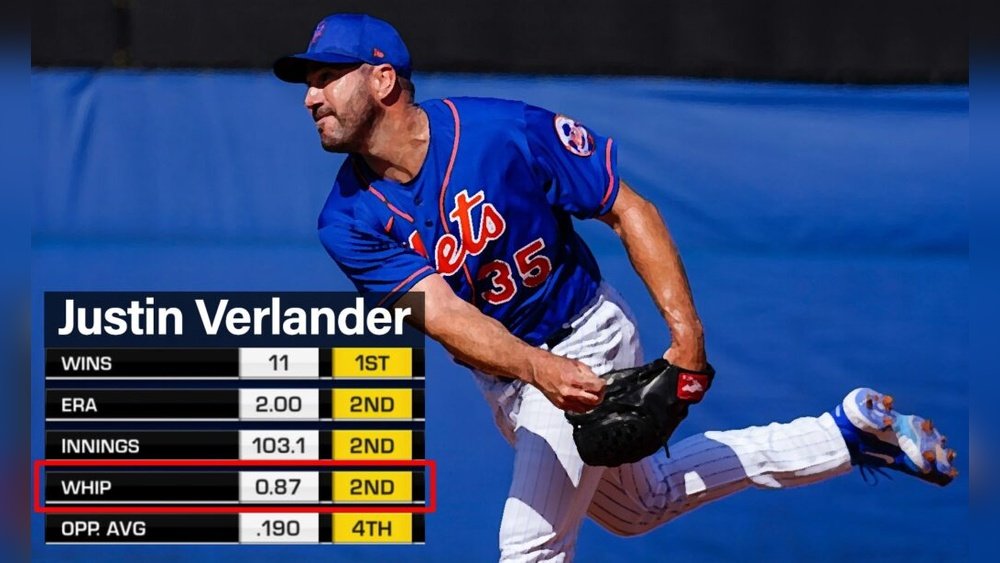
If you’re diving into baseball stats, you’ve probably come across the term “WHIP” and wondered what it really means. WHIP is a key statistic that can tell you a lot about a pitcher’s performance in a simple way.
It stands for Walks plus Hits per Inning Pitched, and it measures how many baserunners a pitcher allows each inning. Understanding WHIP can give you a clearer picture of how well a pitcher controls the game and keeps opponents off the bases.
Curious to learn why a lower WHIP is better, what counts as a good WHIP, and how it compares to other stats like ERA? Keep reading, because mastering this concept will change the way you watch and appreciate baseball.

Credit: www.usatoday.com
What Whip Measures
WHIP stands for Walks plus Hits per Inning Pitched. It measures how many baserunners a pitcher allows each inning. This stat helps evaluate a pitcher’s effectiveness in keeping runners off the bases. WHIP combines two key elements: hits and walks. These are the main ways batters reach base. A lower WHIP indicates better control and fewer scoring chances for the opponent.
Hits And Walks Combined
WHIP adds together the total hits and walks a pitcher gives up. Hits are when the batter reaches base by hitting the ball safely. Walks occur when the pitcher throws four balls outside the strike zone. Both allow the opposing team to place runners on base. By combining hits and walks, WHIP shows how many times a pitcher lets batters reach base. This helps gauge the pitcher’s ability to prevent scoring opportunities.
Calculating Per Inning
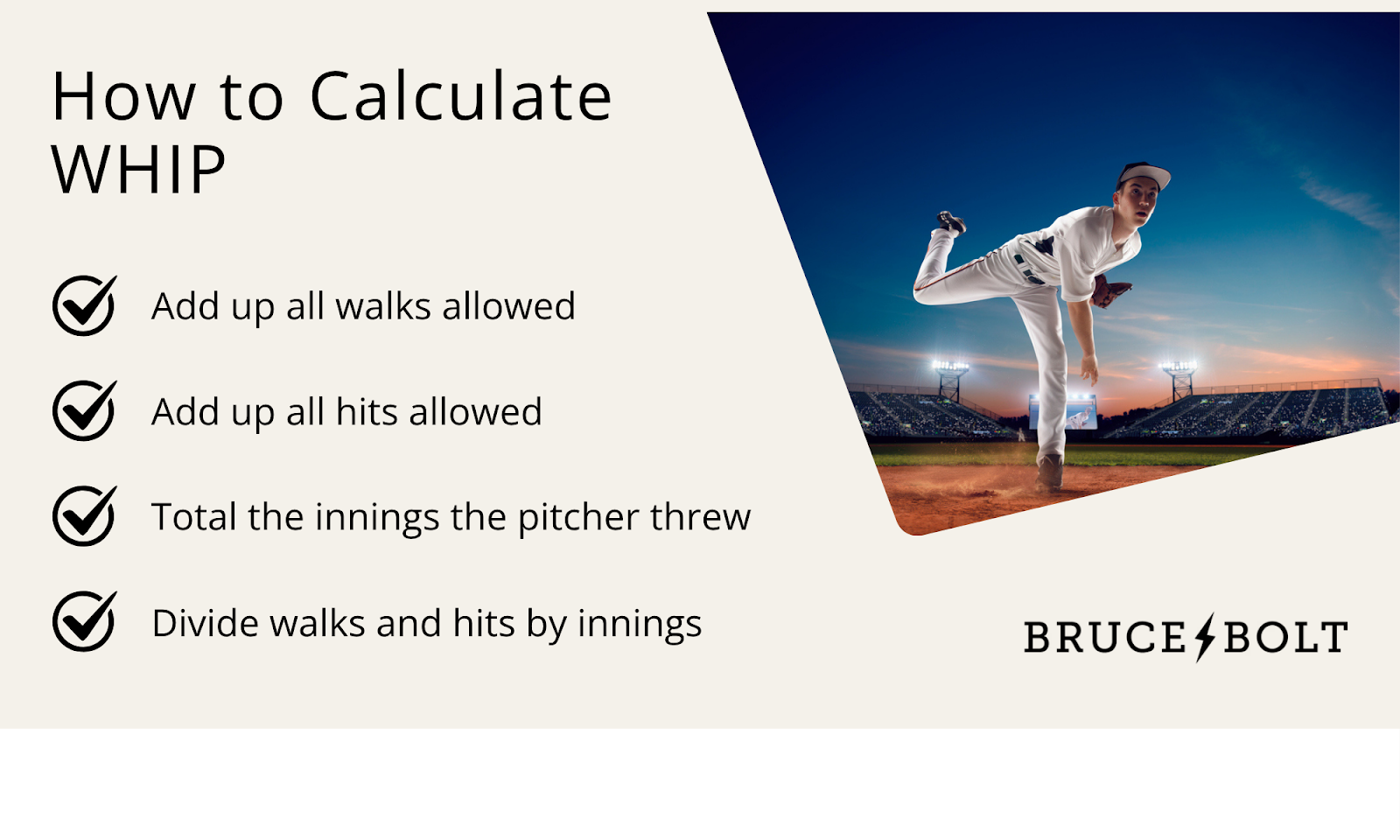
WHIP divides the total hits and walks by the innings pitched. This gives an average number of baserunners allowed per inning. For example, a WHIP of 1.00 means the pitcher allows one runner every inning. A WHIP below 1.00 is excellent and means fewer baserunners. A higher WHIP suggests the pitcher struggles to keep runners off base. Calculating WHIP per inning makes it easy to compare pitchers regardless of how many innings they pitch.
Why Whip Matters
WHIP stands for Walks plus Hits per Inning Pitched. It shows how many baserunners a pitcher allows each inning. A low WHIP means fewer runners get on base. This helps the pitcher keep the opposing team from scoring runs.
WHIP is an important measure for pitchers. It gives a clear view of their control and effectiveness. Coaches and fans use WHIP to compare pitchers and predict how well they might perform in the future.
Indicator Of Pitcher Control
WHIP reflects a pitcher’s ability to control the game. A low WHIP means the pitcher rarely allows walks or hits. This shows good command over the ball. It means fewer chances for the opponent to score.
Pitchers with high WHIP often struggle to keep runners off base. This can lead to more pressure and mistakes. Control is key to success on the mound, and WHIP measures it well.
Predicting Future Performance
WHIP helps predict how a pitcher will perform in coming games. A consistent low WHIP suggests steady pitching skills. Teams can trust these pitchers to limit opponents’ scoring chances.
Pitchers with rising WHIP might be losing effectiveness. It can signal problems like poor control or fatigue. Tracking WHIP over time gives insight into a pitcher’s form and health.
Interpreting Whip Values
Understanding WHIP values helps evaluate a pitcher’s effectiveness. WHIP stands for Walks plus Hits per Inning Pitched. It measures how many baserunners a pitcher allows per inning. Interpreting WHIP gives insight into a pitcher’s ability to control the game and limit scoring chances. This section explains how to read low and high WHIP numbers and common benchmarks used in baseball analysis.
Low Vs High Whip
A low WHIP means fewer baserunners allowed. It shows the pitcher controls hits and walks well. A WHIP around 1.00 or less is excellent. It means the pitcher lets about one runner or fewer per inning.
A high WHIP means more baserunners reach base. This is not good for a pitcher or the team. A WHIP above 1.50 suggests the pitcher struggles to keep runners off base. This often leads to more runs scored by opponents.
Common Whip Benchmarks
WHIP values vary by league and level, but some numbers are common standards. A WHIP below 1.10 is generally seen as very good. Between 1.10 and 1.30 is average. Above 1.30 indicates below-average performance.
Elite pitchers often maintain a WHIP under 1.00 over a season. Relief pitchers may have lower WHIPs due to fewer innings pitched. Starting pitchers usually have slightly higher WHIPs but aim to keep it low.
Whip Compared To Era
WHIP and ERA are two important stats that measure a pitcher’s performance in baseball. WHIP stands for Walks plus Hits per Inning Pitched. It shows how many baserunners a pitcher allows on average each inning. ERA means Earned Run Average, which calculates how many earned runs a pitcher gives up every nine innings. Both numbers help fans and teams understand how well a pitcher controls the game.
Each stat tells a different part of the story. WHIP focuses on baserunners, while ERA focuses on runs scored. Comparing them helps see a fuller picture of pitching skill and effectiveness.
Differences In Metrics
WHIP counts the total walks and hits allowed divided by innings pitched. It measures how often batters reach base.
ERA counts earned runs given up per nine innings. It shows how many runs the pitcher lets score.
WHIP shows control and ability to limit baserunners. ERA shows the impact of those baserunners turning into runs.
WHIP is a direct measure of baserunners allowed. ERA depends on defense and other factors beyond the pitcher’s control.
When Each Matters
WHIP is useful for evaluating a pitcher’s consistency and control. Lower WHIP means fewer baserunners and less chance to give up runs.
ERA matters most when judging a pitcher’s run prevention ability. A low ERA means fewer runs scored by opponents.
WHIP is important early in the season or for spotting trends. ERA gives a bigger picture of overall effectiveness over time.
Teams use WHIP to find pitchers who limit baserunners. They use ERA to see which pitchers keep runs off the board.
Top Whip Performers
WHIP, or Walks plus Hits per Inning Pitched, is a key stat in baseball. It shows how many baserunners a pitcher allows per inning. The best WHIP performers have the lowest numbers. These pitchers limit hits and walks, helping their team win. Let’s explore some top WHIP performers from baseball history.
Lowest Career Whip
The pitchers with the lowest career WHIP are true legends. They kept runners off base consistently over many years. Addie Joss holds one of the lowest career WHIPs at 0.97. He pitched in the early 1900s and dominated hitters. Jacob deGrom is a modern example with a career WHIP near 1.00. These pitchers show control and skill in every inning.
Single-season Leaders
Single-season WHIP leaders show who dominated for one year. Pedro Martinez had a remarkable 0.74 WHIP in 2000. This means he allowed less than one baserunner per inning all season. Greg Maddux also had seasons with WHIPs under 1.00. These performances highlight amazing control and pitching talent during those years.

Credit: www.suzitee.com
Improving Your Whip
Improving your WHIP is essential for any pitcher aiming to limit baserunners. A better WHIP means fewer hits and walks allowed per inning, which reduces scoring chances for opponents. Small changes in pitching approach can have a big impact on WHIP.
Focus on control and strategy to keep your WHIP low. Refining your techniques and decision-making helps prevent unnecessary baserunners. Consistent practice and awareness are key to improvement.
Pitching Strategies
Use a mix of pitches to confuse hitters. Change speeds and locations to keep batters off balance. Aim for the corners of the strike zone to avoid giving easy hits.
Stay calm under pressure and focus on each pitch. Study opposing hitters to understand their weaknesses. Adjust your approach based on the situation and batter tendencies.
Controlling Walks And Hits
Control is critical for lowering walks, a major part of WHIP. Work on your release point and mechanics to throw strikes more consistently. Avoid pitching too cautiously to prevent free passes.
Limit hard contact by pitching smarter, not just harder. Throw pitches that induce weak contact or ground balls. This reduces the number of hits and helps keep runners off base.
Whip In Different Levels
WHIP, which stands for Walks plus Hits per Inning Pitched, varies across baseball levels. It shows how many baserunners a pitcher allows each inning. Understanding WHIP at different levels helps evaluate pitching performance. The standards differ between professional and youth baseball.
Pitchers aim for a low WHIP. A lower WHIP means fewer baserunners and better control. Here is how WHIP applies to various levels of baseball.
Mlb Standards
In Major League Baseball, a WHIP below 1.20 is excellent. Pitchers with a WHIP near 1.00 are elite. Average MLB pitchers often have a WHIP between 1.30 and 1.40. A high WHIP above 1.50 suggests struggles with control or facing many hits. Teams use WHIP to compare pitchers and decide roles.
Youth And Amateur Baseball
Youth and amateur players usually have higher WHIPs. This happens due to less experience and skill. A WHIP around 1.50 to 2.00 is common in these leagues. Coaches focus on reducing walks and hits for better WHIP. Tracking WHIP helps young pitchers improve control and strategy.
Common Whip Misconceptions
WHIP is a key baseball stat that measures a pitcher’s ability to keep runners off base. Many people misunderstand what WHIP truly shows. Clearing up these common misconceptions helps fans better appreciate pitching performance.
WHIP only counts walks and hits allowed per inning. It does not include errors or hit batters. This focus sometimes causes confusion about a pitcher’s overall control or effectiveness.
Misconception: Lower Whip Always Means Better Pitching
A low WHIP usually signals strong pitching. But it does not tell the full story. Some pitchers allow few baserunners but give up many runs. Other stats, like ERA, add important context.
Misconception: Whip Reflects Pitcher’s Strikeout Ability
WHIP does not measure strikeouts. It shows how often batters reach base by hit or walk. A pitcher can strike out many but still have a high WHIP if they allow many hits or walks.
Misconception: Whip Accounts For Defensive Skill
WHIP ignores errors and fielding plays. It only counts hits and walks. Defensive mistakes that let runners reach base do not affect WHIP. This can make some pitchers appear better or worse than they really are.
Misconception: All Hits Count Equally In Whip
WHIP treats singles, doubles, and triples the same. It does not weigh the damage of extra-base hits. A pitcher allowing many singles and no extra-base hits might have a similar WHIP to one allowing fewer but harder hits.
Credit: brucebolt.us
Frequently Asked Questions
What Is A Good Whip In Baseball?
A good WHIP in baseball is typically below 1. 20. It means a pitcher allows fewer than 1. 2 baserunners per inning. Lower WHIP indicates better control and fewer hits or walks given to opponents. A WHIP around 1. 00 or less is excellent, showing strong pitching performance.
Who Has The Lowest Whip In Mlb History?
Addie Joss holds the lowest career WHIP in MLB history with an impressive 0. 967 mark. This record highlights his exceptional control and dominance.
What Is More Important, Era Or Whip?
ERA shows how many runs a pitcher allows, while WHIP measures baserunners allowed. Both matter, but WHIP predicts future performance better.
Is A 1.20 Whip Good?
A 1. 20 WHIP is considered good in baseball. It means the pitcher allows about 1. 2 baserunners per inning, showing solid performance.
Conclusion
Understanding WHIP helps fans better appreciate pitching skills. It shows how many batters reach base each inning. A lower WHIP means a pitcher controls the game well. Watching stats like WHIP makes baseball more exciting and clear. Keep an eye on WHIP to follow pitcher performance easily.
This simple number tells a big story about the game. Now, you can talk baseball with more confidence and fun.