Have you ever wondered when the NHL made helmets a must for players on the ice? If you follow hockey or are just curious about the sport’s safety rules, understanding this shift is key.
Helmets weren’t always required, and some legendary players even played without them. But as the game grew faster and hits got harder, protecting your head became more than just a choice—it became a rule. You’ll discover the exact moment the NHL stepped up to make helmets mandatory, why it took so long, and how this change shaped the way the game is played today.
Keep reading to uncover the fascinating story behind one of hockey’s most important safety milestones.

Credit: hockeytopics.com
Helmet Rule Introduction
The introduction of the helmet rule in the NHL marked a key step toward player safety. Helmets protect players from head injuries during fast and physical games. Over time, helmet use grew from rare to required. The NHL finally made helmets mandatory in 1979. This change came after years of debate and gradual acceptance. It shaped the future of hockey and improved safety standards on the ice.
Early Helmet Usage
Before helmets became mandatory, only a few players wore them. Some players chose helmets after suffering serious injuries. Many saw helmets as uncomfortable or not stylish. Early helmets were simple and often bulky. Teams did not require helmets in the early decades of the NHL. Players had the freedom to decide if they wanted to wear one.
1979 Mandatory Helmet Rule
The NHL made helmets mandatory for all new players starting in 1979. This rule aimed to reduce head injuries and protect players. Players entering the league after this date had to wear helmets at all times. The rule helped change the culture of hockey safety. It also pushed helmet manufacturers to improve design and comfort. Helmets became a standard part of hockey gear.
Veteran Player Exemptions
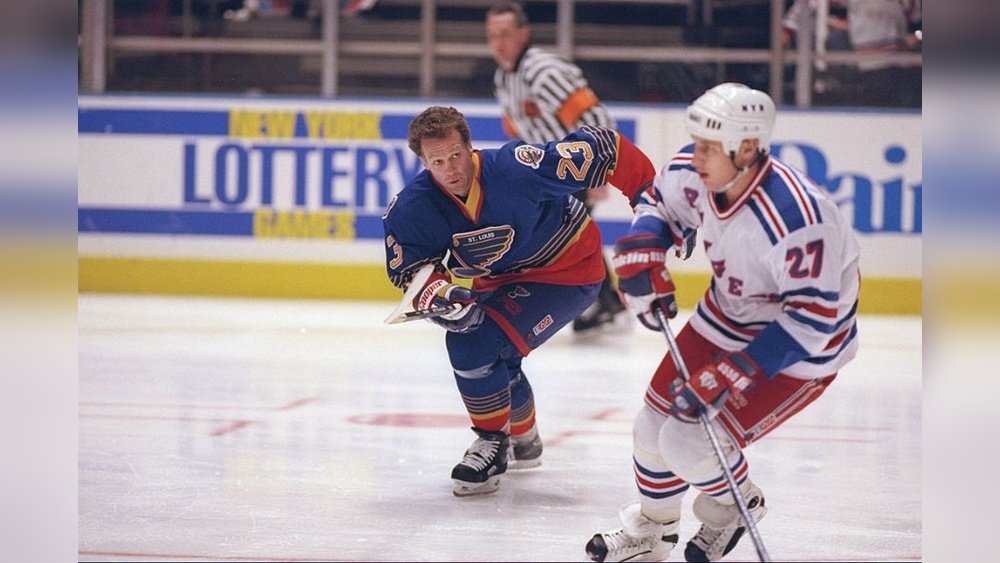
Players who signed their first NHL contract before 1979 could choose not to wear helmets. This exemption allowed veteran players to keep playing without helmets if they wanted. Many older players preferred playing without helmets for comfort or tradition. The last NHL player to play without a helmet was Craig MacTavish. He retired in 1997, marking the end of an era in hockey safety.

Credit: www.sportdecals.com
Last Players Without Helmets
Helmets became mandatory in the NHL starting in 1979. Players who began their careers before this rule could choose not to wear helmets. A few players continued playing without helmets well into the 1980s. These last holdouts became symbols of an older era in hockey safety.
Craig Mactavish’s Helmet-free Career
Craig MacTavish was the final NHL player to play without a helmet. He started his career before the 1979 rule. MacTavish chose not to wear a helmet throughout his career. He retired in 1997, marking the end of the helmet-free era. His choice was respected but also showed the risks players faced.
Other Notable Helmet Holdouts
Several players followed the grandfather clause and played without helmets. Some famous names include Bob Nystrom and Steve Larmer. These players preferred the old style despite new safety rules. Their helmets-free careers ended as the rule took full effect. Today, all players wear helmets for protection and safety.
Helmet Adoption Impact
The NHL’s decision to require helmets changed the sport deeply. Helmet adoption brought a new level of safety to hockey players. It reduced head injuries and made the game less dangerous. The impact went beyond safety. It also affected players’ careers and how long they could play.
Players became more confident, knowing they had better protection. This led to a shift in playing style and mindset. The helmet rule made hockey safer and helped players enjoy longer, healthier careers.
Safety Improvements
Helmets lowered the risk of serious head injuries on the ice. They protected players from cuts, bruises, and concussions. The new rule helped reduce life-threatening accidents during games. Helmets absorbed impacts and protected the skull and brain. This safety boost gave players more peace of mind. It also encouraged younger players to join the sport without fear.
Career Longevity Effects
With helmets, players could avoid many career-ending injuries. This helped athletes stay in the game longer. They suffered fewer concussions and head trauma over time. A longer career meant more chances to grow skills and fame. Players also had a better quality of life after retiring. Helmet adoption supported both current players and future generations.
Helmet Design Evolution
Helmets in the NHL have changed a lot since they first appeared. Designs improved to give players better protection. Each update helped reduce injuries and made playing safer.
The changes also made helmets more comfortable. Players could wear them longer without distractions. The evolution shows how safety and comfort can work together.
Early Helmet Models
The first helmets were simple and hard. They looked like plastic shells with little padding inside. These helmets only covered the top of the head.
They were heavy and not very comfortable. Many players refused to wear them. The design was basic but started the move toward safety.
Modern Helmet Features
Today’s helmets use lightweight materials like carbon fiber and foam. These materials absorb impacts much better than old models.
Modern helmets cover more of the head and include face shields. Ventilation holes keep players cool during the game. Adjustable straps ensure a snug, safe fit.
Designs now focus on protecting against concussions. This makes them essential for every NHL player on the ice.
Helmet Rules Beyond Players
Helmet rules in the NHL extend beyond just the players on the ice. Officials and equipment standards also follow strict safety guidelines. These rules help protect everyone involved in the fast-paced game. Safety remains a top priority for the league.
Referee Helmet Regulations
Referees must wear helmets during all NHL games. This rule aims to reduce the risk of head injuries. The requirement became mandatory in the early 2000s. Before that, many officials chose not to wear helmets. Today, all referees follow this safety standard without exception.
Visor And Shield Requirements
Visors protect players’ eyes and faces from flying pucks and sticks. The NHL requires new players to wear visors since 2013. Veterans can choose whether to wear them or not. Shields are often used by goalies for extra protection. These rules help reduce facial injuries in the league.
Cultural Shift In Helmet Use
The culture around wearing helmets in the NHL changed significantly over the years. At first, many players saw helmets as uncomfortable or unnecessary. Safety was not the top concern for everyone. Gradually, attitudes shifted as players and fans began to accept helmets as part of the game. This change reflected wider ideas about player safety and the future of hockey.
Player Attitudes Over Time
In the early days, most players did not wear helmets. They believed helmets limited their vision and were bulky. Some thought helmets made them look less tough. Over time, more players started to wear helmets during practice or minor games. The serious injuries made many reconsider. Younger players especially began to accept helmets as normal gear. By the late 1970s, most new players wore helmets. Veterans could choose not to, but that option ended in 1979.
League Promotion And Marketing
The NHL played a key role in encouraging helmet use. The league set rules requiring helmets for new players after 1979. It used marketing to promote safety and protect players. Campaigns showed the benefits of helmets and shared stories of injuries prevented. The NHL also worked with equipment makers to improve helmet design. Better helmets became lighter and more comfortable. The league’s focus on safety helped change public opinion and player habits.

Credit: hockeytopics.com
Frequently Asked Questions
Who Was The Last Nhl To Not Wear A Helmet?
The last NHL player to not wear a helmet was Craig MacTavish. He retired in 1997. The NHL mandated helmets in 1979 but allowed veterans to opt out. MacTavish was the final helmet holdout, symbolizing the end of an era in hockey safety rules.
Did Gretzky Ever Not Wear A Helmet?
Wayne Gretzky did not wear a helmet during most of his NHL career. Helmets became mandatory for new players in 1979, but veterans like Gretzky were exempt. He chose to play without one until his retirement in 1999.
Who Was The Last Nhl Ref To Not Wear A Helmet?
The last NHL referee to not wear a helmet was Mick McGeough. He officiated without a helmet early in his career.
Why Can’t You Wear 69 In The Nhl?
The NHL avoids number 69 due to its sexual connotations and immature humor. Players prefer professional image, so teams rarely allow it. Only a few players, like Andrew Desjardins, have worn it, but it remains unpopular and often discouraged in the league.
Conclusion
The NHL required helmets starting in 1979 to improve player safety. Veteran players signed waivers to play without helmets for some time. Craig MacTavish was the last player to play helmet-free, retiring in 1997. Today, helmets are standard and protect players from serious injuries.
The rule change marked a key step toward safer hockey games. Helmets now help players focus on the game with less risk. Safety remains a top priority in the NHL and hockey worldwide.