Are you curious about which sports involve real physical contact and what that means for players like you? Understanding what sports are considered contact sports can change how you view the game, the risks involved, and even your own approach to playing or watching them.
From the hard hits in football to the close grappling in wrestling, these sports demand a different kind of toughness and strategy. Keep reading to discover the full list of contact sports, how they differ from limited or non-contact activities, and what you should know before stepping onto the field or rink.
Your safety, enjoyment, and knowledge start here.

Credit: www.babylondentalcare.com
Defining Contact Sports
Contact sports involve players physically interacting with each other during the game. This contact is planned and accepted as part of the sport’s rules. The physical interaction can range from light touches to heavy impacts.
Understanding what makes a sport a contact sport helps in knowing its risks and how players prepare. These sports demand skill, strength, and sometimes protective gear to keep players safe.
Physical Contact In Competition
Physical contact means players touch or hit each other during play. It can happen when players compete for the ball or try to stop the opponent. The contact may be brief or last longer depending on the sport.
In some sports, contact is the main way to score or defend. For example, tackling in football or wrestling holds in martial arts. Players learn techniques to handle contact safely.
Collision Vs Limited Contact
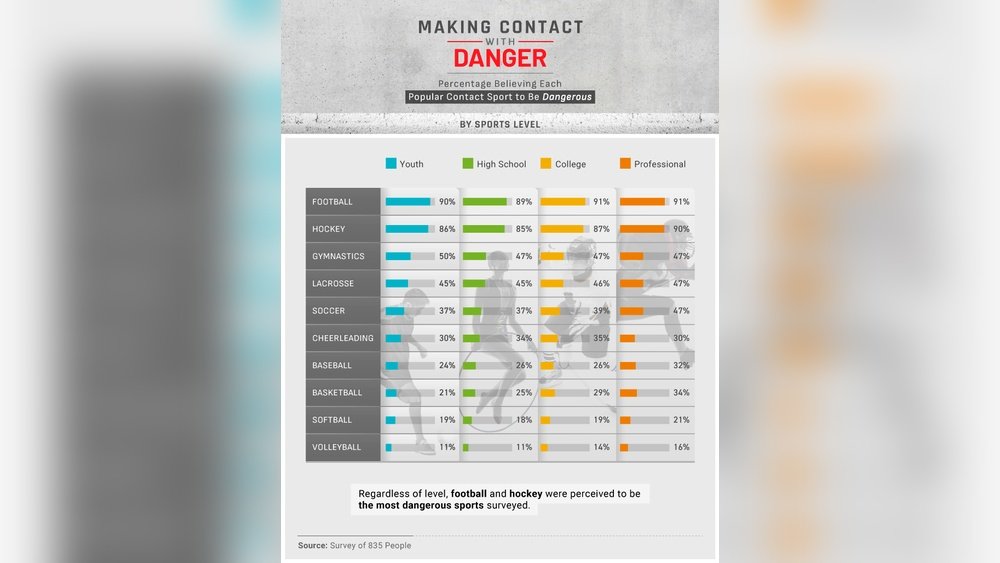
Collision sports involve strong, forceful impacts between players. These can cause injuries and need special protection. Sports like American football, rugby, and ice hockey fall into this group.
Limited contact sports have less intense physical contact. The contact is often accidental or brief. Examples include basketball and soccer, where players touch but avoid hard hits.
Both types require different skills and safety measures. Knowing the difference helps players and fans understand the game better.

Credit: www.injuryclaimcoach.com
High-impact Contact Sports
High-impact contact sports involve intense physical collisions and body contact. These sports require strength, speed, and resilience. Players often face direct hits, tackles, and checks. Safety gear is essential to reduce injury risks. Fans admire these sports for their toughness and excitement.
American Football
American football is a prime example of a high-impact contact sport. Players frequently tackle and block opponents. The game involves running, passing, and physical confrontations. Helmets and pads protect players from severe injuries. The sport demands both power and strategy.
Boxing
Boxing is a combat sport with intense physical contact. Fighters throw punches aiming to outscore or knock out opponents. Protective gloves and mouthguards are standard. The sport tests endurance, strength, and skill. Matches take place inside a ring with strict rules.
Rugby
Rugby involves continuous physical contact and tackling. Players carry, pass, and kick the ball to score points. No protective gear except mouthguards is usually worn. The game requires stamina and toughness. It is popular in many countries around the world.
Ice Hockey
Ice hockey features fast skating and physical body checks. Players wear helmets, pads, and skates for safety. The sport combines speed with aggressive contact. Teams compete to score goals using a puck. The game is played on an ice rink.
Lacrosse
Lacrosse is a high-speed contact sport using sticks and a small ball. Players check opponents with their sticks within the rules. Helmets and protective gear are mandatory. The sport blends skill, agility, and physical play. It has roots in Native American traditions.
Moderate Contact Sports
Moderate contact sports blend teamwork with physical play. Players often touch or bump into each other, but without the intense collisions seen in high-contact sports. These games require skill, speed, and awareness to avoid injuries. Players must stay alert to maintain safety while competing vigorously.
Basketball
Basketball involves frequent body contact. Players block, screen, and jostle for position. Physical contact is allowed but limited by rules to reduce injury risk. Quick movements and close guarding create moderate contact situations. Referees watch closely to keep play safe and fair.
Soccer
Soccer players often collide or challenge for the ball. Shoulder-to-shoulder contact is common and generally accepted. Tackling opponents to gain control involves physical contact but must follow strict rules. The sport demands stamina and skill to manage contact while focusing on teamwork.
Field Hockey
Field hockey includes moderate contact through stick checks and body positioning. Players must avoid dangerous hits but often come into contact during plays. The game emphasizes control and strategy to handle physical challenges. Protective gear helps reduce risks during these encounters.
Martial Arts As Contact Sports
Martial arts are a major category of contact sports. They involve direct physical interaction between opponents. This interaction can include striking, grappling, or throwing techniques. Martial arts test skill, strength, and endurance in controlled combat.
Many martial arts focus on respect and discipline alongside physical contact. Participants learn to manage force and protect themselves and others. These sports often have strict rules to ensure safety during matches.
Karate
Karate is a striking martial art from Japan. It uses punches, kicks, and open-hand techniques. Competitors wear protective gear to reduce injury risks. Matches score points for controlled, accurate strikes.
Karate requires speed, precision, and timing. It emphasizes discipline and respect for opponents. This sport is popular worldwide and included in major competitions.
Judo
Judo is a grappling martial art focused on throws and holds. It originated in Japan and is an Olympic sport. Judo matches involve close physical contact and balance control.
The goal is to throw or pin the opponent to the mat. Judo teaches techniques to use an opponent’s force against them. Safety rules limit dangerous moves and protect athletes.
Other Combat Disciplines
Many other martial arts qualify as contact sports. Taekwondo uses high kicks and fast strikes. Brazilian Jiu-Jitsu focuses on ground fighting and submissions. Muay Thai is known for powerful strikes using fists, elbows, knees, and shins.
Each discipline has unique rules and levels of contact. They train athletes in technique, strength, and control. These sports build confidence and physical fitness through full contact competition.
Contact Sports And Injury Risks
Contact sports involve physical interaction between players during play. This physical nature increases the chance of injuries. Understanding the risks helps players, coaches, and parents stay aware and prepared. Sports like football, rugby, and hockey have higher injury rates due to strong impacts. Even sports with less contact, like basketball or soccer, can cause injuries from collisions or falls.
Common Injuries
Injuries in contact sports vary from minor to severe. Sprains and strains happen often due to sudden movements. Bruises and cuts occur from direct hits or falls. Broken bones and dislocations happen in more intense collisions. Muscle tears and joint injuries are common in sports with rapid direction changes. Proper diagnosis and treatment are necessary to prevent long-term damage.
Concussion Concerns
Concussions are brain injuries caused by blows to the head or body. They affect memory, balance, and concentration. Contact sports like football and hockey see many concussion cases. Repeated concussions can cause lasting health problems. Early detection and proper care are vital for recovery. Players must report symptoms and avoid returning too soon to play.
Safety Measures
Safety equipment reduces injury risks in contact sports. Helmets, pads, and mouthguards protect key body areas. Rules limit dangerous play and protect athletes. Coaches teach proper techniques to avoid injuries. Warm-ups and stretching prepare muscles for physical stress. Regular health checks monitor players’ fitness and injury status. Safety creates a better and longer sports experience.
Non-contact Sports Contrast
Non-contact sports differ greatly from contact sports in how players interact. In non-contact sports, physical contact is either minimal or not allowed at all. This fundamental difference changes the nature and rules of the sport. Players focus more on skill, speed, and precision rather than physical confrontation. Understanding these differences helps highlight what makes each sport unique.
Characteristics Of Non-contact Sports
Non-contact sports avoid direct physical contact between players. The focus is on individual or team skill without collisions. Safety risks are generally lower compared to contact sports. These sports often emphasize agility, strategy, and endurance. Players maintain distance to prevent injuries. Rules usually penalize any form of physical interference.
Examples Of Non-contact Activities
Examples include swimming, tennis, and track and field. These sports rely on speed and technique rather than physical clashes. Golf and archery also fit into this category, focusing on precision and control. Cycling and badminton require quick movements but avoid player contact. These sports appeal to those who prefer competition without physical struggle.
Choosing The Right Contact Sport
Choosing the right contact sport involves more than just picking a popular game. Each sport has unique demands and risks. Understanding these helps you find the best fit for your interests and abilities. Safety and enjoyment come first in this decision.
Skill Level And Physical Demand
Contact sports vary in skill and physical challenge. Some require advanced techniques and high fitness levels. Beginners might prefer sports with simpler rules and less intense contact. Assess your current skills and fitness before starting. Gradual improvement reduces injury risk and builds confidence.
Age And Safety Considerations
Age plays a key role in choosing a contact sport. Younger players need extra protection and supervision. Some sports have age-specific rules to reduce injury risks. Protective gear is essential for all ages. Parents and coaches should prioritize safety and proper training.
Personal Preferences
Enjoyment matters most in any sport. Some enjoy fast-paced, high-contact games like rugby or hockey. Others prefer controlled contact, such as martial arts or wrestling. Consider your interests, goals, and comfort level. Choosing a sport you like helps maintain long-term participation.

Credit: www.news-leader.com
Frequently Asked Questions
What Counts As A Contact Sport?
Contact sports involve intentional or incidental physical contact between players as a core part of the game. Examples include football, boxing, rugby, hockey, wrestling, basketball, and soccer. They range from high-contact collision sports to those with limited or incidental contact.
What Is Considered A Non-contact Sport?
A non-contact sport involves no physical contact between players during the game. Players compete individually or in separate areas. Examples include tennis, swimming, golf, and badminton. These sports focus on skill and performance without direct physical interaction.
What Are Three Contact Sports?
Three contact sports are football, boxing, and rugby. These sports involve intentional physical contact between players as part of the game.
Is Football A Contact Sport?
Yes, football is a contact sport involving intentional physical contact like tackling between players during the game.
Conclusion
Contact sports involve physical interaction between players during play. These sports vary from intense collisions to lighter contact. Common examples include football, boxing, rugby, and hockey. Understanding these sports helps players and fans stay aware of safety and rules. Playing or watching contact sports offers excitement and challenge.
Knowing the types clarifies what to expect on the field or court. Stay informed and enjoy the dynamic nature of contact sports.