If you’re looking to sharpen your golf skills without heading to the course, Wiffle Ball Golf Practice might be exactly what you need. Imagine improving your swing, alignment, and balance right in your backyard or even indoors—without worrying about breaking a window or losing balls in the bushes.
Using lightweight wiffle balls lets you practice safely and frequently, building muscle memory and confidence. But is it really effective? You’ll discover the surprising benefits and limitations of practicing golf with wiffle balls, and how you can make the most of this fun, low-cost training tool to take your game to the next level.
Ready to transform your practice routine? Let’s dive in.
Credit: www.walmart.com
Benefits Of Wiffle Ball Practice
Wiffle ball practice offers many advantages for golfers of all levels. It helps improve skills without needing a large space. The lightweight ball reduces the risk of damage or injury during practice. This makes it perfect for indoor or backyard use. Using a wiffle ball allows players to focus on key aspects of their golf swing. It supports consistent training and helps build muscle memory quickly.
Safe Indoor Use
Wiffle balls are light and soft, making them safe for indoor practice. They won’t break windows or damage furniture. Players can practice swings in small spaces like garages or living rooms. This safety allows more frequent practice without worry. It also helps beginners gain confidence indoors before moving outside.
Swing Mechanics Focus
The design of a wiffle ball slows its flight. This gives players more time to watch their swing path. It highlights flaws in swing mechanics clearly. Golfers can adjust stance, grip, and swing tempo easily. Repeating swings with a wiffle ball builds better control and consistency. It trains muscles to perform the correct movement patterns.
Ideal For Beginners
Beginners benefit from wiffle ball practice because it is forgiving. The ball’s light weight reduces strain and fear of injury. Beginners can practice hitting without worrying about distance. This helps them focus on technique and feel. It also encourages longer practice sessions, which speed up learning. Wiffle balls build confidence before using real golf balls.
Spin Feedback
Wiffle balls have holes that make spin visible in flight. Players can see how much spin they put on the ball. This feedback helps golfers understand how their swing affects ball movement. It teaches how to control slices and hooks better. Spin feedback is useful for refining shots and improving accuracy. It adds a fun, visual element to practice sessions.
Limitations To Consider
Wiffle ball golf practice offers a fun and safe way to improve your swing. Yet, it comes with some limitations that affect its effectiveness. Knowing these limits helps you set realistic expectations. It also guides you on how best to use wiffle balls for practice.
Unrealistic Flight
Wiffle balls do not fly like real golf balls. Their lightweight design causes them to float or curve oddly. Wind can easily change their path. This makes it hard to judge your true shot direction and distance. Expect differences in ball flight when switching back to real golf.
Reduced Feel And Distance
Hitting a wiffle ball feels very different from hitting a real ball. The soft plastic offers less resistance on impact. This means you get less feedback about your swing power and contact quality. Also, wiffle balls travel much shorter distances. This limits practicing full swings or power shots accurately.
Choosing The Right Wiffle Ball
Choosing the right Wiffle ball plays a key role in effective golf practice. The ball affects how you swing and how the ball moves. Picking the correct ball can improve your skills faster. It also makes practice more fun and realistic.
Ball Types And Designs
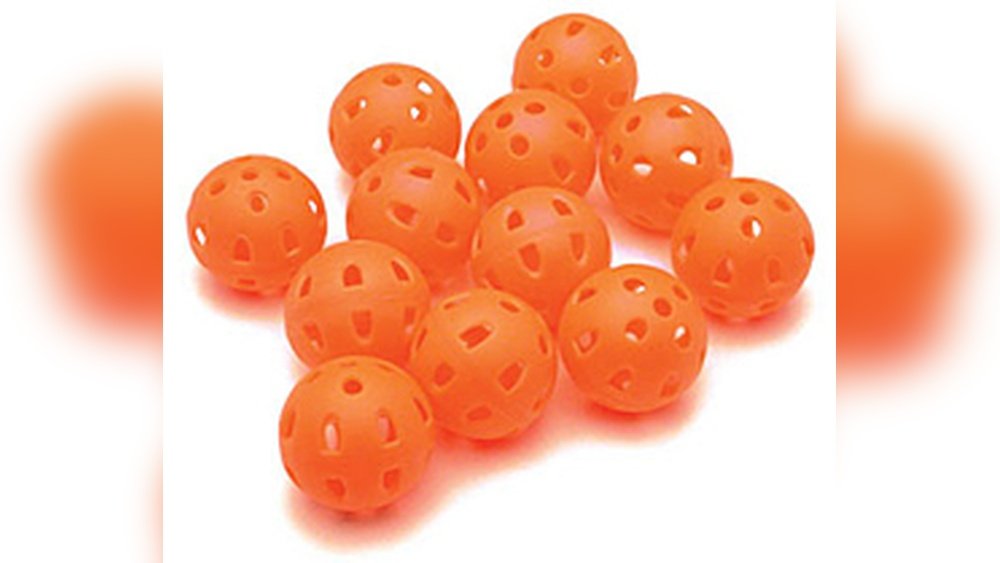
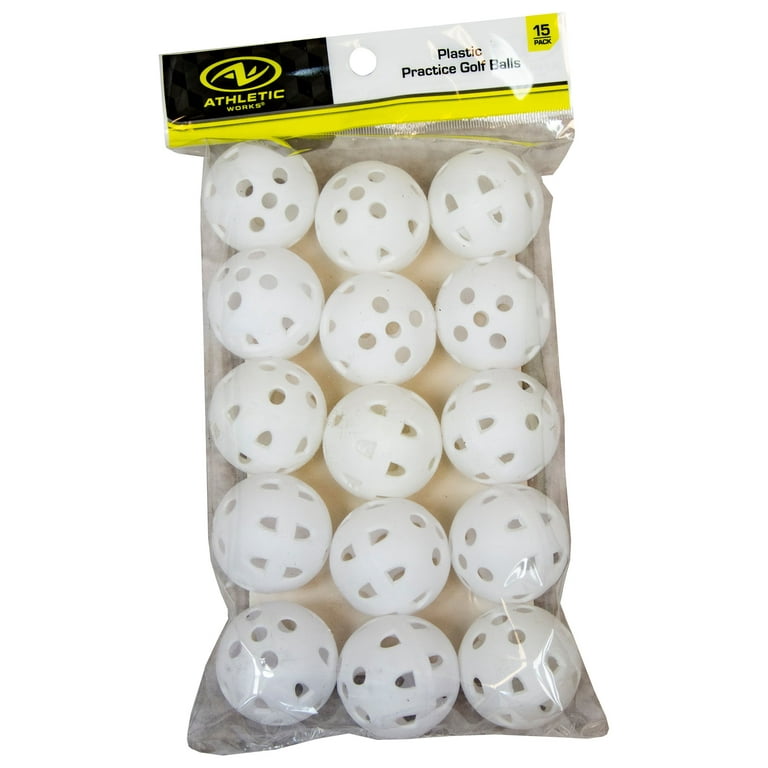
Wiffle balls come in many types and designs. Some have larger holes, which let air pass through easily. These balls move slower and are safer indoors. Others have smaller holes, making the ball fly straighter and farther. Some balls are made for beginners, with softer plastic. Others are tougher and more durable for regular use.
Colors vary too. Bright colors help you see the ball better outside. White or yellow balls are common for indoor use. Choosing a ball that fits your practice style is important. It helps to match the ball to the space where you practice.
Size And Weight Differences
Wiffle balls come in different sizes and weights. A smaller ball feels closer to a real golf ball in your hand. Larger balls are easier to hit and control. Weight also matters. Lighter balls move slower and drop quickly. Heavier balls fly farther and feel more like a real golf ball.
Choosing the right size and weight depends on your skill and practice area. For small indoor spaces, lighter and larger balls work best. For outdoor practice, heavier and smaller balls give better flight and distance. Picking the right ball size and weight helps improve accuracy and control during practice.
Setting Up Your Practice Space
Setting up your practice space is important for effective Wiffle Ball golf training. The right space helps you focus on improving your swing and accuracy. Whether indoors or outdoors, a well-organized area makes practice more enjoyable and productive.
Choose a spot with enough room to swing freely and safely. Clear away any breakable items. Make sure the surface is flat and stable. These steps create a safe and efficient environment for your practice sessions.
Indoor Arrangement Tips
Pick a room with enough ceiling height for full swings. Use soft mats or carpet to protect floors and reduce ball bounce. Place a net or a target on one wall to catch balls and mark your aim. Keep your clubs and balls close for easy access. Good lighting helps you see your swing clearly. Remove obstacles to avoid accidents. Use mirrors or record your swing for self-review and improvement.
Outdoor Practice Areas
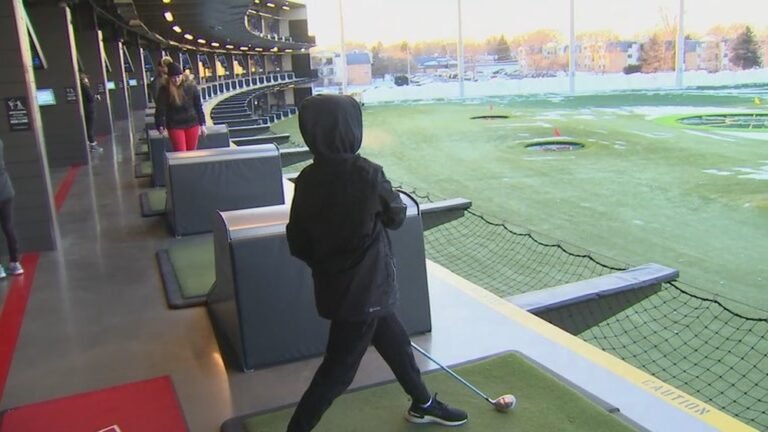
Find a quiet spot in your yard or park with plenty of open space. Look for flat ground free of rocks or debris. Set up a target like a bucket or a net for better focus. Practice with the wind and sun in mind to simulate real golf conditions. Use cones or markers to create different shot distances. Make sure the area is safe for others around. Outdoor spaces offer fresh air and more room for longer shots.
Effective Swing Drills
Effective swing drills are essential for improving your Wiffle Ball golf skills. These drills help you develop a consistent and powerful swing. Practicing the right drills builds confidence and control. Focused practice leads to better ball contact and accuracy.
Alignment And Balance Drills
Proper alignment sets the foundation for a good swing. Stand with your feet shoulder-width apart. Make sure your shoulders, hips, and feet are parallel to the target line. Use a club or stick on the ground to check alignment. Balance is key to a smooth swing. Practice swinging while keeping your weight evenly distributed. Avoid leaning too much forward or backward. Try slow swings to maintain your balance. This drill helps create a steady and repeatable swing.
Repetition For Muscle Memory
Repetition trains your muscles to perform the swing naturally. Use the lightweight Wiffle Ball to swing many times without fatigue. Focus on the same motion during each swing. Repeat the drill in short sessions to build muscle memory. This helps your body remember the correct swing path. Over time, your swing becomes automatic. Regular practice with repetition improves consistency and power.

Credit: www.ebay.com
Combining Wiffle Ball With Other Training
Combining Wiffle Ball practice with other training methods helps improve golf skills faster. It adds variety and targets different aspects of your game. Mixing Wiffle Balls with other tools builds better control and power.
Using Foam Balls
Foam balls offer a soft, lightweight option for golf practice. They provide a bit more resistance than Wiffle Balls. This helps develop strength and improve swing speed.
Foam balls are safe for indoor use and reduce the risk of damage. Practicing with foam balls allows you to focus on accuracy and timing. You can simulate real shots better than with Wiffle Balls alone.
Integrating Real Golf Balls
Using real golf balls complements Wiffle Ball training. Real balls give true feedback on distance and shot shape. This helps refine your technique and ball control.
Start with Wiffle Ball drills, then move to real balls for full practice. This combination improves consistency and confidence on the course. It also trains your muscles for actual playing conditions.
Common Mistakes To Avoid
Practicing with a Wiffle ball helps improve your golf swing without heavy equipment. Many players make simple mistakes that limit their progress. Avoiding these errors can make your practice more effective and enjoyable.
Overreliance On Wiffle Balls
Wiffle balls are light and easy to use but do not behave like real golf balls. Relying only on Wiffle balls may give a false sense of your swing’s power and accuracy. Practice with real golf balls too, to understand true ball flight and feel.
Use Wiffle balls mainly for swing drills and warm-ups. Combine with real ball practice to build a complete skill set.
Ignoring Realistic Conditions
Wiffle ball practice often happens indoors or in calm conditions. Real golf involves wind, uneven ground, and varied lies. Ignoring these factors can cause trouble during actual play.
Try to simulate outdoor conditions when possible. Practice on grass or uneven surfaces. Add light wind by using a fan. This prepares you better for real games.
Tracking Progress
Tracking progress is key to improving your Wiffle Ball golf practice. It helps you see what works and what needs change. This way, you can focus on areas that need the most attention. Keeping track also keeps you motivated to practice regularly.
Recording Swing Changes
Write down each change you make to your swing. Note how it feels and how the ball reacts. Keep a simple journal or use an app. This record shows what improvements help and what does not. Over time, you will spot patterns and adjust better.
Using Video Analysis
Use your phone or camera to record your swing. Watch the video slowly and compare each attempt. Look for differences in your grip, stance, and follow-through. Seeing yourself helps find mistakes you may not feel. It also guides your next practice steps clearly.

Credit: www.ebay.com
Frequently Asked Questions
Is It Good To Practice Golf With Wiffle Balls?
Practicing golf with Wiffle balls is good for improving swing mechanics safely indoors. They help beginners build muscle memory. Wiffle balls don’t mimic real ball flight, so avoid using them for long-distance shots or accuracy practice. Use them mainly for short-range, controlled swings.
Can You Practice Golf With Plastic Balls?
Yes, you can practice golf with plastic balls like wiffle balls. They are safe for indoor use and help improve swing mechanics. Plastic balls allow many repetitions without damage risk. However, they do not mimic real ball flight, so they are less effective for long-distance or accuracy practice.
Are Golf Wiffle Balls Good For Practice On Reddit?
Golf Wiffle balls are great for indoor practice and improving swing mechanics safely. They suit beginners well. However, they don’t mimic real ball flight or distance, limiting full shot practice. Use them to build muscle memory, but also practice with real balls for accuracy and feel.
What Is The 20 20 20 Rule In Golf?
The 20 20 20 rule in golf means looking at something 20 feet away for 20 seconds every 20 minutes. This reduces eye strain during play or practice.
Conclusion
Wiffle ball golf practice offers a fun, safe way to improve your swing. You can practice indoors or in small spaces without worry. It helps build good habits and muscle memory. Beginners find it easy to start and stay confident.
While it won’t replace real golf balls, it still sharpens key skills. Try adding wiffle ball practice to your routine for steady progress. Small steps lead to better swings and more enjoyment on the course.