
Do your elbows ache when you sleep with them bent? You’re not alone, and it’s more common than you might think.
That nagging pain can disrupt your sleep and leave you feeling stiff and uncomfortable in the morning. Understanding why this happens is the first step toward relief. Whether it’s caused by nerve pressure, inflammation, or fluid buildup, knowing what triggers your elbow pain at night can help you change your habits and find comfort again.
Keep reading to discover the main reasons behind your elbow pain when you sleep bent and simple strategies you can use tonight to ease the discomfort.
Common Causes
Elbow pain during sleep is common and can disturb rest. Understanding common causes helps identify the right solution. Several factors can make your elbows hurt when bent for long periods. These issues often involve inflammation, nerve pressure, or fluid buildup. Recognizing these causes can guide you toward relief and better sleep.
Overuse Injuries
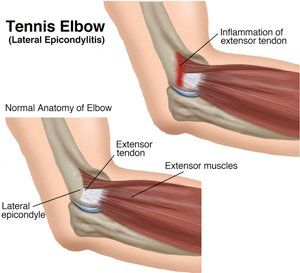
Overuse injuries happen from repetitive motions. Tennis elbow and golfer’s elbow are typical examples. These conditions inflame the tendons around the elbow joint. The pain often worsens at night because the joint stays bent and inactive. Rest and gentle movement can help heal these injuries.
Elbow Bursitis
Bursitis is inflammation of the bursa, a small fluid sac near the elbow. It cushions the joint and reduces friction. When inflamed, the bursa swells and causes pain. At night, swelling can increase due to lack of movement. This pressure leads to discomfort when the elbow is bent during sleep.
Nerve Irritation
Nerve irritation occurs when nerves near the elbow get compressed. Cubital tunnel syndrome affects the ulnar nerve running through the elbow. Bending the elbow for long periods puts pressure on this nerve. This pressure causes numbness, tingling, and sharp pain at night.
Fluid Retention
Fluid retention in the elbow joint can cause stiffness and pain. During the day, movement helps reduce fluid buildup. At night, lying still allows fluid to collect around the joint. This extra pressure makes the elbow hurt when bent. Elevating the arm can help reduce swelling.
Credit: www.myactionpt.com
Pain Triggers While Sleeping
Elbow pain during sleep can disrupt rest and cause discomfort. Understanding pain triggers helps find relief. Several factors contribute to elbow pain while sleeping, especially if the elbows stay bent. Identifying these triggers is key to improving sleep quality and reducing pain.
Sleeping With Bent Elbows
Bending elbows during sleep puts strain on joints and muscles. This position holds the elbow in a tight angle for hours. Prolonged bending reduces blood flow and increases stiffness. The joint tissues may become irritated, causing pain. Changing to a neutral arm position can ease discomfort.
Pressure On Ulnar Nerve
The ulnar nerve runs along the inside of the elbow. Sleeping with bent elbows presses this nerve against the bone. This pressure causes numbness, tingling, and sharp pain. It is similar to hitting your “funny bone.” Avoiding elbow flexion reduces nerve compression and pain at night.
Inactivity And Swelling
During sleep, the body remains mostly still. Lack of movement slows fluid circulation around the elbow joint. Fluid may build up, causing swelling and pressure inside the joint. Swelling increases pain and stiffness in bent elbows. Gentle movement before bed helps reduce fluid buildup.
Relief Strategies
Elbow pain during sleep can disrupt rest and affect daily life. Finding effective relief strategies helps reduce discomfort. Simple changes and tools can ease the pain and improve sleep quality. Here are some practical ways to manage elbow pain caused by sleeping with bent elbows.
Optimal Sleep Positions
Sleeping with your arm bent puts pressure on the elbow joint. Try to keep your arm straight or slightly bent to ease tension. Sleeping on your back with a pillow supporting your arm helps maintain a neutral position. Side sleeping with a pillow between the arm and body prevents the elbow from bending too much. Avoid sleeping on your stomach to reduce strain on the elbow.
Using Braces
Wearing an elbow brace at night supports the joint and limits bending. Braces keep the forearm muscles relaxed and prevent excessive movement. They reduce pressure on nerves and tendons. Choose a comfortable, adjustable brace to wear during sleep. This helps protect the elbow and minimizes pain.
Over-the-counter Medications
Nonsteroidal anti-inflammatory drugs (NSAIDs) reduce pain and swelling. Medicines like ibuprofen or naproxen can ease discomfort. Take them as directed on the package or by a doctor. These medications help you sleep better by lowering inflammation around the elbow.
R.i.c.e. Method
The R.I.C.E. method is a simple, effective way to reduce pain. Rest the elbow to avoid further injury. Apply ice packs for 15-20 minutes to lower swelling. Use a compression bandage to support the joint. Elevate your arm above heart level to reduce fluid buildup. Repeat this process daily for best results.

Credit: myorthoct.com
When To Seek Help
Knowing when to seek help for elbow pain during sleep is crucial. Pain that lasts long or worsens needs medical attention. Early care can prevent serious problems. Understanding key signs helps you decide when to see a doctor.
Severe Or Persistent Pain
Pain that stays strong or gets worse over days is a warning. It may signal an injury or condition needing treatment. Don’t ignore pain that stops you from sleeping or doing daily tasks.
Loss Of Arm Function
Difficulty moving your arm or fingers is serious. Weakness or numbness shows nerve or muscle problems. Seek help quickly to avoid lasting damage.
Signs Of Infection
Swelling, redness, warmth, or fever near the elbow suggest infection. These symptoms require prompt medical care. Infections can worsen fast without treatment.
Visible Joint Changes
Noticeable swelling, deformity, or lumps around the elbow need evaluation. Changes in joint shape may point to arthritis or injury. Early diagnosis improves recovery chances.

Credit: www.somersortho.com
Frequently Asked Questions
Why Do My Elbows Hurt So Bad At Night?
Elbow pain at night often results from overuse injuries, bursitis, nerve pressure, or fluid buildup. Sleeping with bent arms increases pressure on nerves. Support your arm with a pillow, avoid stomach sleeping, use a brace, and try anti-inflammatory meds. See a doctor if pain worsens or limits movement.
Is It Bad To Sleep With Your Elbows Bent?
Sleeping with bent elbows can cause nerve pressure, increasing pain and discomfort. Keep elbows straight or supported to avoid issues.
What Is A Bent Elbow Syndrome?
Bent elbow syndrome causes nerve compression and pain from prolonged elbow bending. It leads to numbness, tingling, and discomfort in the arm.
Which Deficiency Causes Elbow Pain?
Vitamin D and calcium deficiencies can cause elbow pain by weakening bones and increasing inflammation.
Conclusion
Elbow pain at night often comes from bending your arm too long. Conditions like tendon inflammation or nerve pressure worsen when you sleep this way. Changing your sleep position can reduce discomfort and protect your elbow. Using a pillow or brace keeps your arm straight and eases pain.
Over-the-counter medicine can help reduce swelling and soreness. Rest and ice also support healing. Seek medical help if pain is severe or limits your arm’s movement. Taking care early can prevent long-term problems. Sleep comfortably and protect your elbows for better rest.