Are you curious about the exact height of a men’s volleyball net? Whether you’re setting up for a game, coaching a team, or just want to understand the sport better, knowing the official net height is key.
The right net height affects how you play, serve, and block, shaping every thrilling moment on the court. You’ll discover the precise measurement for men’s volleyball nets, why it matters, and how it compares to other categories. Keep reading to gain the knowledge that will take your volleyball game or event to the next level!
Men’s Net Height Standards
The height of the men’s volleyball net is a key factor in the sport. It affects how players serve, block, and spike the ball. Different types of volleyball have specific net height standards. These standards ensure fair play and consistency in all competitions.
Understanding the official net height helps players train correctly. It also helps fans appreciate the skill level in matches. Below, we explore the main men’s net height standards across indoor and beach volleyball, and how they compare with women’s volleyball nets.
Official Indoor Height
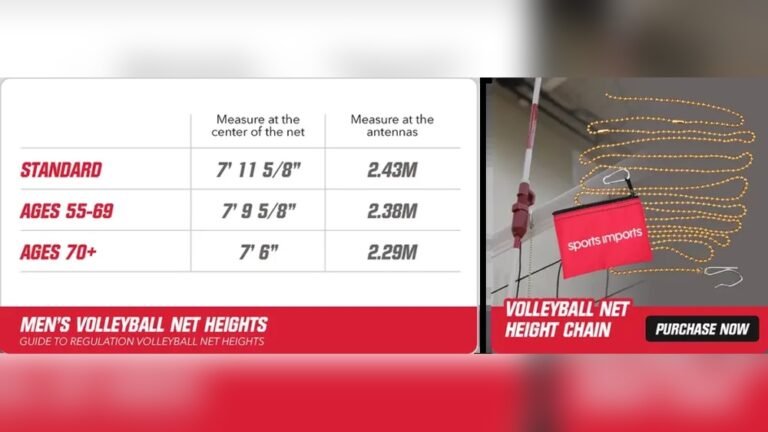
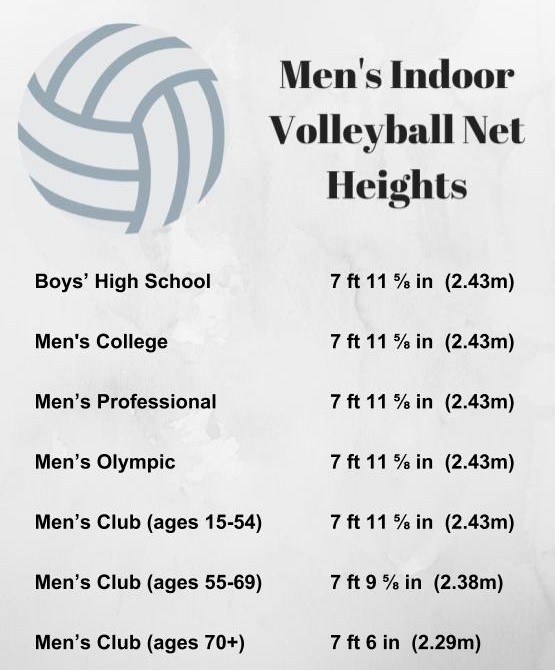
The official indoor net height for men is 2.43 meters (7 feet 11 5/8 inches). This height is used in all professional and amateur indoor competitions worldwide. It applies to events like the Olympics, World Championships, and national leagues. The net height challenges players to jump higher and improve their timing.
Beach Volleyball Height
Men’s beach volleyball net height is also 2.43 meters. This matches the indoor standard to keep consistency across the sport. Beach volleyball players face additional challenges such as sand and wind. The net height remains the same to maintain the level of competition and skill required.
Comparison With Women’s Net
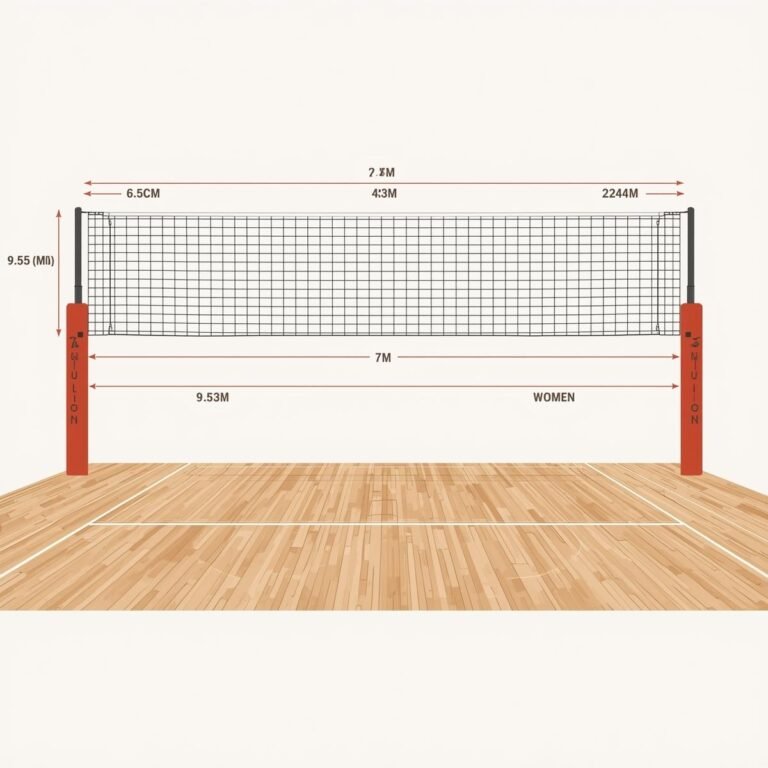
The women’s net height is lower than the men’s. It stands at 2.24 meters (7 feet 4 1/8 inches) for both indoor and beach volleyball. This difference accounts for average height and jumping ability variations between genders. Despite the difference, women’s volleyball is equally fast-paced and exciting.
Credit: volleyball-tips.com
Variations By Age And Level
The height of a men’s volleyball net changes based on the player’s age and skill level. Different leagues set specific heights to match the players’ strength and experience. This ensures fair play and safety for all participants.
Net height adjustments help younger or less experienced players enjoy the game. They also allow advanced players to compete at official heights. Understanding these variations gives a clearer picture of the sport’s rules.
Youth And Junior Nets
Younger players use lower nets to help develop skills. For boys under 14, the net height is usually set at 2.13 meters (7 feet). This height is easier for young players to serve, block, and spike.
As players grow older, the net height increases gradually. This helps them adjust to the adult net height of 2.43 meters. Junior leagues focus on skill building with safe and manageable net heights.
High School Regulations
High school boys’ volleyball follows strict rules for net height. The official net height is 2.43 meters (7 feet 11 5/8 inches). This is the same height used in most adult men’s competitions.
Maintaining this height prepares players for college and professional levels. It also standardizes the game across schools and tournaments nationwide.
Senior And Recreational Leagues
Adult recreational leagues may adjust net height for different skill levels. Some leagues keep the standard 2.43 meters. Others use slightly lower nets for mixed or senior players.
This flexibility helps older or less experienced players enjoy volleyball safely. Recreational rules often focus on fun rather than strict competition. Net height varies to suit the players’ needs and abilities.
Coed Volleyball Net Heights
Coed volleyball combines men and women playing on the same team. This mix affects net height decisions to keep play fair and fun. Net height in coed volleyball often follows men’s standards but can vary. Adjusting the net height can help match skill levels and player comfort. Understanding these variations helps players and organizers set the right net height for coed games.
Standard Coed Rules
The standard net height for coed volleyball usually matches the men’s height. This height is 2.43 meters or about 7 feet 11 5/8 inches. Many leagues keep this height to maintain challenge and fairness. Some leagues use mixed rules but stick to the men’s net height for consistency. This standard helps players train and compete under familiar conditions.
Regional Differences
Different regions may set coed net heights differently. Some areas lower the net slightly to encourage mixed play. Others keep the men’s height for adult coed leagues. Local volleyball clubs often decide based on player feedback and skill levels. These differences reflect local preferences and playing styles.
Adjustments For Skill Levels
Coed leagues sometimes adjust net height for skill and age. Beginners may use a lower net to improve confidence and skills. Advanced players usually compete at the standard men’s height. Youth or senior coed leagues often lower the net for safety. These adjustments make volleyball more inclusive and enjoyable for all players.

Credit: www.networldsports.com
Net Height Measurement Tips
Setting the correct height for a men’s volleyball net is essential for fair play and proper training. Accurate measurement helps maintain the official standard of 2.43 meters or 7 feet 11 5/8 inches. Follow these practical tips to measure and adjust the net height precisely.
Tools For Accurate Setup
Use a reliable tape measure or a measuring stick marked in meters and feet. A level can help check if the poles are vertical. Some setups benefit from a height gauge designed specifically for volleyball nets. Make sure all tools are clean and in good condition for precise reading.
Common Measurement Mistakes
Measure from the center of the court, not from the sides. Avoid measuring over uneven ground or soft surfaces that can affect accuracy. Don’t rely on estimates or visual checks alone. Check the net tension because a loose net may sag and appear lower than it is.
Ensuring Consistency
Measure the net height at several points along the net, especially at the center and near the poles. Adjust the net to the highest measurement found. Regularly verify the height during practice and competitions. Consistent checks prevent unfair advantages and keep the game standard.
Impact Of Net Height On Gameplay
The height of the men’s volleyball net plays a crucial role in shaping the gameplay. It challenges players to improve their skills and adjust their techniques. The standard net height for men’s volleyball is 2.43 meters (7 feet 11 5/8 inches). This height influences how players serve, block, and spike during the game. Understanding these effects helps in appreciating the game’s difficulty and excitement.
Serving Challenges
The net height makes serving more demanding. Players must control power and accuracy to clear the net. A higher net forces servers to use precise angles. It limits easy, flat serves and encourages jump serves. This adds complexity and skill to the game.
Blocking And Spiking Effects
Blocking becomes tougher with a taller net. Defenders need quick reflexes and good timing. Spikers face the challenge of hitting above the net. They must generate enough power and height. This balance between offense and defense makes matches intense.
Strategy Adjustments
Teams adapt their strategies due to net height. They focus on positioning and teamwork. Players communicate to cover areas effectively. Coaches plan plays that exploit opponents’ weaknesses. The net height demands constant tactical thinking and practice.
Regulatory Bodies And Guidelines
Volleyball net height follows strict rules set by official organizations. These regulatory bodies ensure fair play and consistency across competitions. They provide clear guidelines for net height in men’s volleyball. Understanding these rules helps players and organizers maintain standard conditions. Different organizations may have slightly different measurements and rules. Here, we explore the main regulatory bodies and their standards for men’s volleyball net height.
Fivb Standards
The International Volleyball Federation (FIVB) sets the global standard. The official net height for men’s volleyball is 2.43 meters (7 feet 11 5/8 inches). This applies to all international competitions like the Olympics and World Championships. FIVB rules also cover net installation and measurement methods. These standards guarantee uniformity in all official matches worldwide.
Usa Volleyball Rules
USA Volleyball follows FIVB standards for indoor men’s volleyball. The men’s net height is also 2.43 meters here. USA Volleyball enforces these rules in national tournaments and leagues. They provide detailed guidelines on net setup for clubs and schools. Their regulations ensure players compete under consistent conditions across the U.S.
Local League Regulations
Local volleyball leagues may adjust net height based on player age and skill. Some recreational leagues use lower nets for beginners or mixed-gender teams. Still, many follow FIVB or USA Volleyball rules closely. Local organizers must communicate their net height rules clearly. This keeps games fair and enjoyable for all participants.
Setting Up Your Volleyball Net
Setting up your volleyball net correctly is essential for a fair and enjoyable game. The net must be at the right height and tension. It should stand firm without sagging. Proper setup creates a safe playing environment for all players.
This section covers how to set up the volleyball net for indoor courts, outdoor courts, and beach play. It also explains key maintenance and safety tips to keep your net in top shape.
Indoor Court Setup
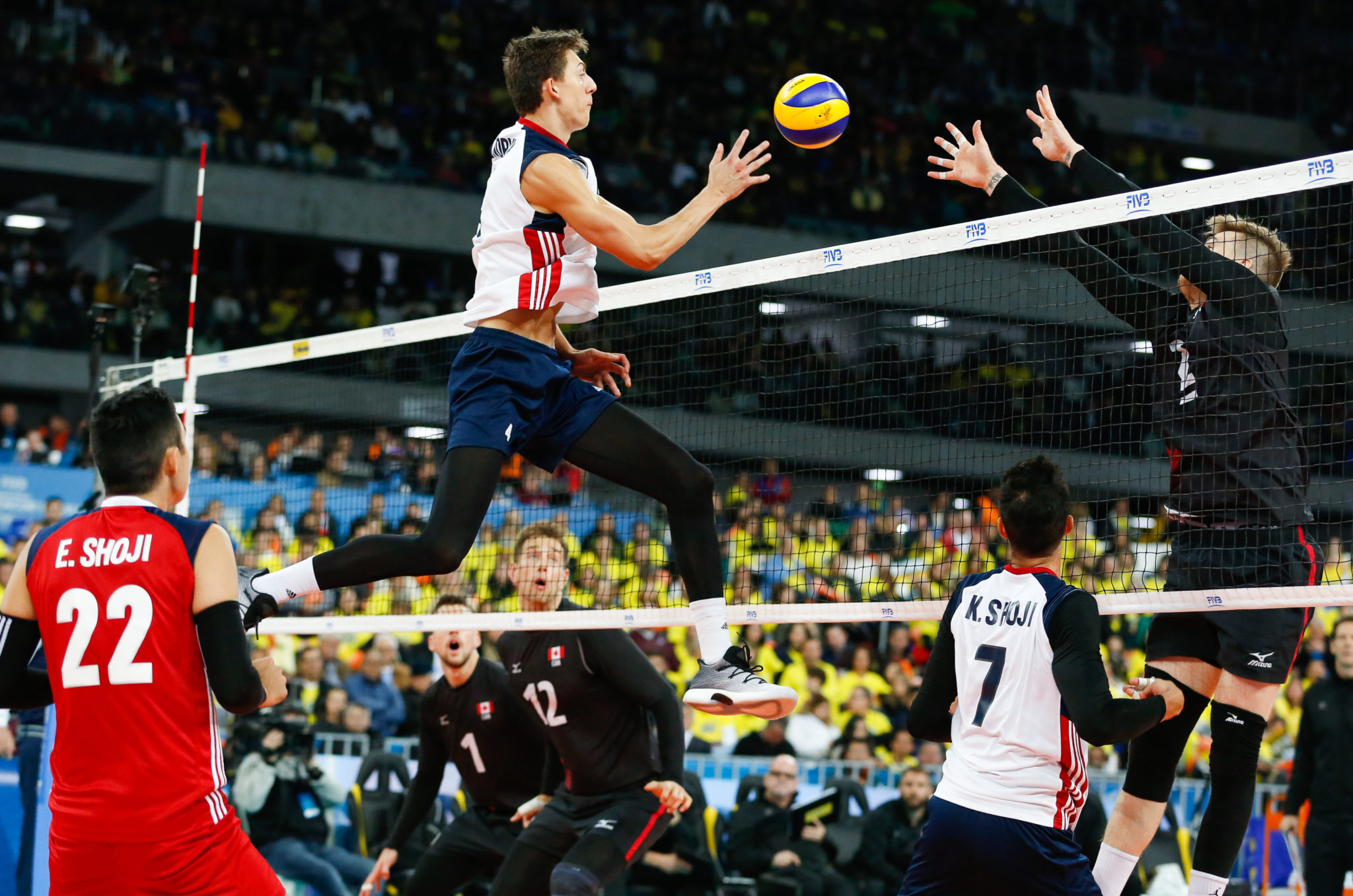
For indoor volleyball, the men’s net height is 2.43 meters (7 feet 11 5/8 inches). Use adjustable poles to set the net at this exact height. Attach the net tightly to avoid sagging in the middle. Make sure the court lines are clear and the net is centered. Check the floor surface for any obstacles or wet spots. A stable net pole base helps prevent falls and injuries.
Outdoor And Beach Setup
The men’s net height outdoors is the same as indoor: 2.43 meters. Use sturdy poles that can be anchored into sand or grass. Tighten the net using ropes or tension cables. The net should stay firm even in wind. Mark the court boundaries with visible lines or ropes. Choose a flat area free of rocks or debris. Proper setup improves game quality and player safety.
Maintenance And Safety
Regularly inspect the net for tears or loose strings. Replace or repair damaged parts immediately. Check the pole stability before each game. Tighten all fasteners and ropes as needed. Keep the net clean and dry to avoid mold and wear. Store the net in a dry place when not in use. Follow safety guidelines to prevent accidents during play.
Credit: volleymob.com
Frequently Asked Questions
Is The Volleyball Net 3 Feet High?
No, a men’s volleyball net stands 7 feet 11 5/8 inches high. The women’s net height is 7 feet 4 1/8 inches.
How Tall Is A Man’s Net?
A men’s volleyball net stands 7 feet 11 5/8 inches (2. 43 meters) tall in official indoor and beach competitions.
What Is The Official Net Height For Female Volleyball?
The official net height for female volleyball is 2. 24 meters (7 feet 4 1/8 inches) in indoor play.
How Tall Are Coed Nets?
Coed volleyball nets typically stand at 7 feet 11 5/8 inches (2. 43 meters), matching men’s net height standards.
Conclusion
The official height of a men’s volleyball net is 7 feet 11 5/8 inches. This height applies to most adult indoor and beach volleyball games. Knowing the correct net height helps players practice and compete fairly. Different age groups or coed leagues may use lower nets.
Always check specific league rules before playing. Understanding net height ensures better game preparation. Keep this fact in mind for all volleyball activities.