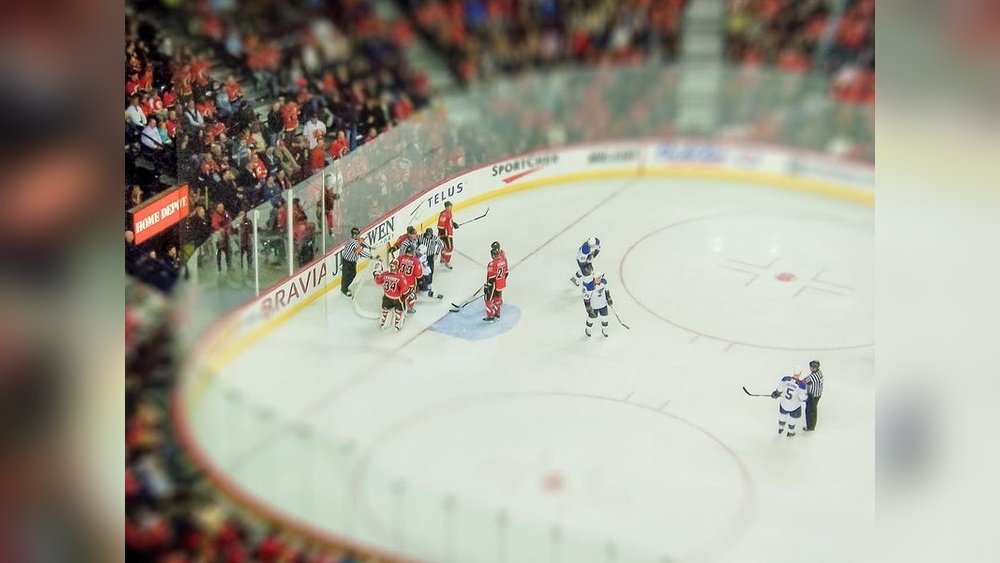
Are you wondering if hockey stadiums are cold when you go to watch a game? If you’ve never been to a live hockey match, you might imagine a chilly arena where you need to bundle up like it’s winter outside.
But how cold is it really inside those stadiums? And what should you wear to stay comfortable while cheering for your favorite team? You’ll discover exactly what to expect temperature-wise at hockey games and get simple tips to keep warm without sacrificing your game-day excitement.
Keep reading to make sure your next hockey outing is cozy, fun, and unforgettable!

Credit: www.vecteezy.com
Ice Hockey Arena Temperatures
Ice hockey arenas must keep the ice solid and smooth for the players. Maintaining the right temperature is key to this goal. The air temperature inside the arena stays cool to protect the ice surface. Fans often wonder how cold these stadiums really are during games.
The temperature inside varies depending on several factors. The cool air helps keep the ice from melting. This creates a chilly environment for everyone, from players to spectators. Understanding these temperatures can help you dress properly for your visit.
Typical Temperature Ranges
Most ice hockey arenas keep the air temperature between 55 and 65 degrees Fahrenheit. This range helps keep the ice hard and safe for skating. The ice surface itself is much colder, usually around 24 to 26 degrees Fahrenheit. The difference between the ice and air temperature can feel quite cold to people nearby.
Seating location affects how cold you feel. Seats close to the ice are colder due to the cold air rising. Upper seats may feel slightly warmer but still cool enough to require warm clothing.
Factors Influencing Arena Coldness
Arena size and design impact temperature control. Larger arenas may have more air circulation, which can spread the cold air evenly. The number of spectators also matters. More people produce body heat, which can raise the temperature slightly.
Ice maintenance systems control the ice temperature strictly. Refrigeration units beneath the ice keep it frozen. Ventilation systems manage air temperature and humidity. These systems work together to maintain a cold but comfortable environment for the game.
Why Arenas Feel Cold
Hockey arenas often feel cold to the audience. This chill comes from several factors inside the building. Understanding why arenas feel cold helps fans prepare better for their visit.
Ice Surface Cooling Effect
The ice surface needs to stay frozen for the game. Machines under the rink keep the ice very cold. This cold spreads to the air above the ice. As a result, the whole arena feels cooler.
Air Circulation And Humidity
Arenas use strong fans to move air around. This air movement can make it feel colder than the actual temperature. Also, the air inside is dry because of low humidity. Dry air feels cooler on the skin, adding to the chill.
Seating Location Impact
Seats near the ice are colder than those higher up. Cold air sinks and stays close to the ice surface. Fans sitting near the rink feel the cold more. Upper-level seats are warmer but still cool enough to need warm clothes.
Dressing For Hockey Games
Hockey stadiums can feel quite chilly. The ice beneath the players keeps the arena cold. Dressing properly helps you enjoy the game without feeling cold. Wearing the right clothes keeps your body warm and comfortable. Here are simple tips for dressing for hockey games.
Layering Essentials
Start with a thin, long-sleeved shirt as your base layer. It traps heat close to your skin. Add a warm sweater or hoodie as a mid-layer. This layer keeps you insulated. Finish with a medium-weight jacket or coat. You can remove it if you get too warm. Layers let you adjust to changing temperatures easily.
Warm Accessories
Keep your head covered with a hat or beanie. Your hands stay warm with gloves or mittens. A scarf helps protect your neck and face from cold air. These accessories block cold air and keep heat in. They are small but make a big difference in comfort.
Footwear Tips
Wear thick socks made of wool or thermal material. They keep your feet warm and dry. Choose comfortable, closed-toe shoes to protect from cold floors. Avoid shoes that let cold air in. Warm feet help your whole body feel warmer during the game.

Credit: www.hockeymonkey.com
Seating And Comfort Tips
Watching hockey live is exciting but stadiums can feel chilly. Knowing how to stay comfortable helps you enjoy the game fully. This section offers practical seating and comfort tips to keep warm during the match.
Best Seats To Stay Warm
Seats higher up in the stands are usually warmer. Cold air stays close to the ice surface, so lower rows feel colder. Choose seats away from the rink’s edge to avoid the cold blast. Seats near heaters or enclosed areas also provide extra warmth. Picking the right spot makes a big difference in your comfort.
Using Hot Drinks And Seat Pads
Bring a thermos with hot tea, coffee, or cocoa. Sipping warm drinks helps keep your body heat up. Use insulated seat pads to block cold from metal or plastic seats. Some pads have built-in heating for added comfort. These small items improve your experience and reduce the chill while you watch.
Differences Between Arenas
Hockey stadiums vary widely in temperature depending on their design and location. Understanding these differences helps fans prepare for the conditions inside. Not all arenas feel the same. Some are cooler, while others offer a bit more warmth. The main factors causing this variety include whether the stadium is indoors or outdoors and the regional climate.
These elements affect air temperature, ice quality, and overall comfort. Knowing what to expect can make attending a hockey game much more enjoyable.
Indoor Vs. Outdoor Stadiums
Indoor hockey arenas keep the ice protected from weather changes. They use powerful cooling systems to maintain a steady cold temperature. Fans inside may feel chilly but usually stay comfortable with warm clothing.
Outdoor stadiums expose players and fans to the natural environment. Weather conditions like wind, sun, or snow impact the temperature. Outdoor games can feel much colder or warmer depending on the day’s weather. These arenas offer a unique experience but require extra preparation for the cold.
Regional Climate Effects
The local climate plays a big role in arena temperature. In colder regions, arenas might not need as much cooling. The natural cold air helps keep the ice frozen and the environment cool. Fans in these areas often expect lower temperatures inside the stadium.
Warmer climates force arenas to work harder to maintain ice quality. Cooling systems run longer and stronger, but heat from outside can still make the air feel warmer. Fans may feel less cold than in northern arenas but should still dress warmly. Regional weather patterns can change how cold a hockey stadium feels on game day.
Ice Maintenance And Temperature Control
Ice maintenance and temperature control are vital in hockey stadiums. The ice must stay frozen solid for smooth gameplay. At the same time, the arena temperature must keep players and fans comfortable. This balance requires advanced methods and tools.
How Ice Is Kept Frozen
The ice surface stays frozen by a system of pipes under the rink. These pipes carry a chilled liquid, usually glycol or brine. The liquid absorbs heat from the ice, keeping it cold. The ice is made by spraying thin water layers, freezing each layer quickly. Regular resurfacing with machines like Zambonis smooths the ice and removes snow buildup.
Technology Behind Climate Control
Climate control systems in hockey arenas keep air temperatures steady. These systems use sensors to monitor temperature and humidity. Air conditioning units and dehumidifiers work together to prevent fog and condensation. Ventilation moves cold air evenly throughout the stadium. This technology also protects the ice from melting and keeps spectators warm enough.

Credit: xbotgo.com
Frequently Asked Questions
Do I Need To Dress Warm For A Hockey Game?
Yes, dress warmly for a hockey game. Wear layers, including a thermal base, sweater, and jacket. Keep your head, hands, and feet covered, especially near the ice. Choose warm socks and closed-toe shoes for comfort. Seats near the ice are colder, so prepare accordingly.
Are Hockey Fields Cold?
Hockey fields themselves are not cold, but ice hockey arenas stay cool to maintain the ice surface. Dress warmly near the ice.
What’s The Temperature In An Ice Hockey Arena?
The temperature in an ice hockey arena ranges from 55°F to 65°F (13°C to 18°C). The ice surface stays around 24°F (-4°C). Spectator areas remain cool to maintain ice quality. Dress in layers to stay comfortable during the game.
How Warm To Dress For An Ice Rink?
Dress in warm, flexible layers for ice rinks. Wear a long-sleeve base layer, fleece or sweater mid-layer, and a light jacket. Choose long pants or leggings for mobility. Use thin, moisture-wicking socks, gloves, and a beanie to keep extremities warm and comfortable.
Conclusion
Hockey stadiums do feel cold because of the ice surface. The temperature usually stays between 50 to 60 degrees Fahrenheit. Fans sitting near the ice feel the chill more strongly. Wearing layers helps you stay warm and enjoy the game.
Don’t forget to cover your head, hands, and feet. Choosing the right clothing makes the experience comfortable. Being prepared means you can focus on the excitement of hockey. So, dress smart and get ready for a fun time at the arena.