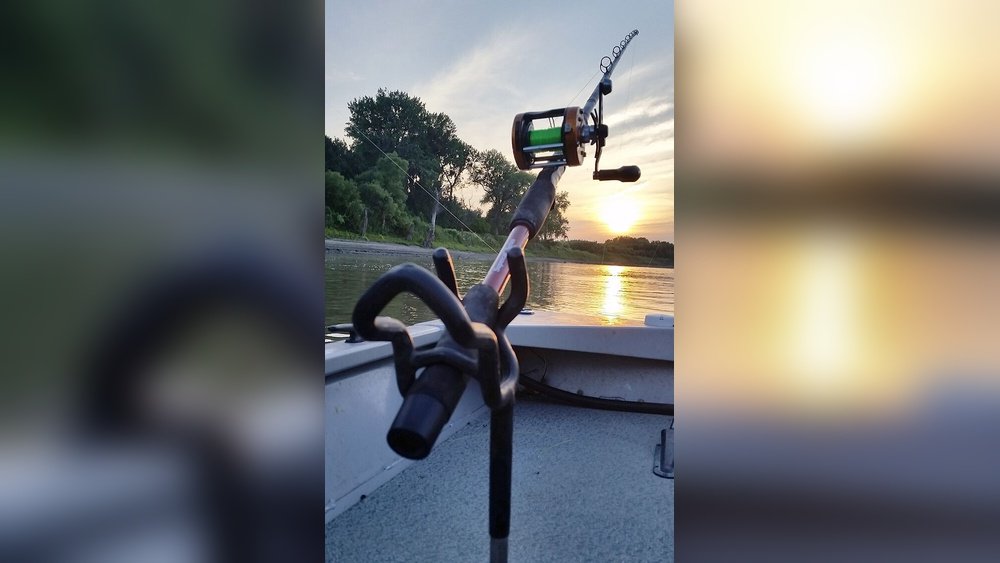
Pole fishing for catfish is a rewarding challenge for anglers of all levels. This method combines patience, technique, and a bit of luck. Many people think catfish are only caught with big rods and heavy tackle, but pole fishing offers a simpler, more hands-on experience.
Whether you fish in rivers, lakes, or ponds, using a pole lets you feel every movement and gives you more control over your catch.
Learning to pole fish for catfish isn’t just about the equipment. You need to understand the best spots, the right bait, and the habits of these strong fish. Catfish are known for their power and stubbornness, so landing one on a pole can be a real adventure.
This guide covers everything you need to know to get started, avoid beginner mistakes, and increase your chances of success.
What Is Pole Fishing For Catfish?
Pole fishing uses a long, flexible pole instead of a standard rod and reel. You attach the line directly to the pole tip. There’s no reel, so you rely on the length of the pole and your skill to land the fish. Most poles range from 10 to 20 feet, but some can be even longer.
Catfish are popular targets for pole fishing because they often stay near the bottom and close to structures. Using a pole helps you present bait in tight spaces and feel bites more clearly. This technique is common in Europe but is gaining fans in the US, especially for bank fishing.
Choosing The Right Pole And Gear
Not all poles are suitable for catfish. Since catfish are strong, you need gear that can handle their fight.
| Feature | Why It Matters | Recommended Specs |
|---|---|---|
| Length | Helps reach deeper water or cover | 12–16 feet |
| Material | Determines strength and weight | Carbon fiber or fiberglass |
| Action | Controls flexibility | Medium to heavy |
| Line Rating | Handles fish size | 12–20 lb test |
It’s important not to use very light poles designed for small fish. Catfish can break them easily. Use strong hooks (size 1/0–4/0) and quality line. Many anglers add a shock leader for extra strength near the hook. For floats, choose styles that support heavier baits, such as waggler or sliding float.
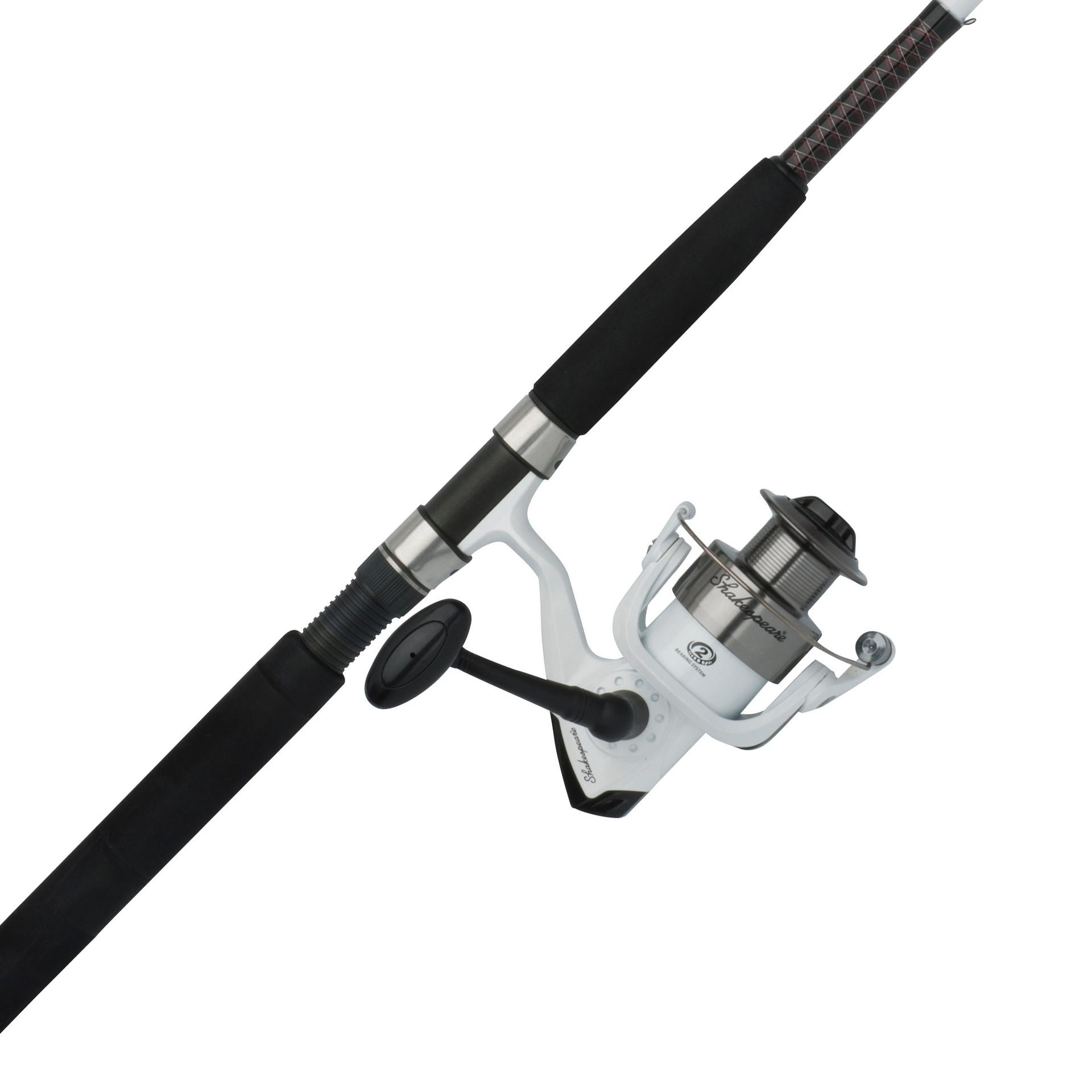
Credit: www.uglystik.com
Best Locations For Pole Fishing Catfish
Finding the right spot is half the battle. Catfish prefer areas with cover and food.
- Near submerged logs and rocks: Catfish hide during the day and feed at night.
- Edges of deep holes: These spots hold bigger fish.
- River bends and slow pools: Catfish wait here for food to drift by.
- Under overhanging trees: Provides shade and attracts baitfish.
Look for muddy or sandy bottoms, as catfish dig for food. In lakes, try fishing near drop-offs or where streams enter. In rivers, target slower sections or the inside curve of a bend.
Bait Selection And Presentation
Catfish are famous for eating almost anything, but some baits are much more effective.
| Bait Type | Best Time to Use | How to Rig |
|---|---|---|
| Nightcrawlers | Spring to fall | Thread onto hook, leave ends dangling |
| Chicken liver | Warm weather | Wrap tightly with thread |
| Stink bait | Anytime | Use with bait holder or sponge hook |
| Cut bait (shad, bluegill) | Summer | Chunk, hook through skin |
For pole fishing, use smaller pieces of bait to avoid spooking the fish. Cast near cover and let the bait sink to the bottom. Watch your float closely; catfish sometimes nibble before taking a full bite.
Techniques And Tips For Success
Pole fishing for catfish is more than just waiting. Small adjustments can make a big difference.
- Keep the bait still: Catfish use their sense of smell and feel to find food.
- Use a sensitive float: This helps detect light bites.
- Adjust depth: Set your bait just off the bottom where catfish feed.
- Feed the swim: Drop in small bits of bait to attract fish.
It’s smart to pre-bait an area before fishing. Drop in a few pieces of bait and wait 15–30 minutes. This attracts catfish to your spot. If you don’t get bites after 30 minutes, move to another location.
Common Mistakes And How To Avoid Them
Many beginners make simple mistakes that cost them fish.
- Using too light gear: Weak poles or lines break easily.
- Fishing too shallow: Catfish often stay near the bottom.
- Ignoring cover: Open water rarely holds big catfish.
- Not setting the hook firmly: Catfish have tough mouths.
- Moving bait too much: This can scare fish away.
Another mistake is fishing only during the day. Catfish feed more at night or early morning. Try fishing at dawn, dusk, or after dark for better results.

Credit: www.walmart.com
Safety And Conservation
Catfish have sharp spines on their fins that can sting. Always handle them carefully. Use a wet rag or pliers to remove hooks. Release small fish gently and keep only what you need.
Follow local fishing laws and size limits. Practice catch and release for large catfish to help protect breeding fish.
Comparing Pole Fishing To Rod And Reel
Some anglers wonder if pole fishing is as effective as using a rod and reel. Here’s a quick comparison:
| Method | Best For | Pros | Cons |
|---|---|---|---|
| Pole Fishing | Bank fishing, small waters | Simple, precise, sensitive | Limited casting distance, hard with huge fish |
| Rod & Reel | Large rivers, lakes | Long casts, handles big fish | More gear, less control in tight spots |
Pole fishing shines in small spaces and for medium-sized catfish. For trophy-sized fish or open water, a rod and reel may be better.
Non-obvious Insights For Beginners
Many new pole anglers focus too much on the float, but line tension is just as important. A slack line can cause missed bites. Keep the line just tight enough to feel any movement.
Another tip: catfish sometimes spit out bait if they feel resistance. Use a softer pole tip or lighter float to reduce this. Also, don’t be afraid to use strong-smelling homemade baits—catfish love unique scents.
Frequently Asked Questions
How Long Should My Pole Be For Catfish?
A pole between 12 and 16 feet works well for most catfish. Longer poles help reach further spots but can be harder to handle.
What Is The Best Bait For Pole Fishing Catfish?
Nightcrawlers and chicken liver are popular choices. Stink baits and cut fish also work well, especially in warmer water.
Can I Catch Big Catfish With A Pole?
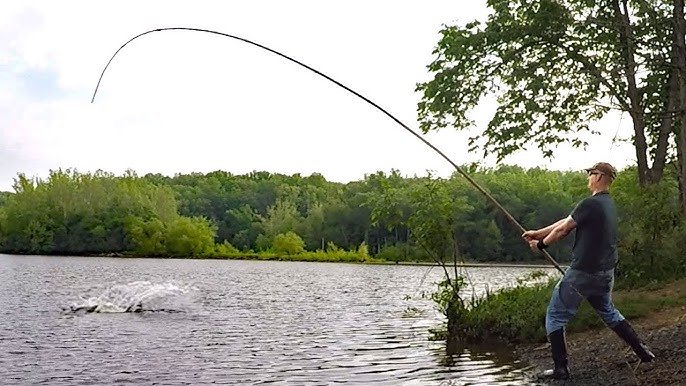
Yes, but only if your gear is strong enough. For catfish over 10 pounds, use a heavy-duty pole and strong line. Be prepared for a tough fight.
When Is The Best Time To Pole Fish For Catfish?
The best times are early morning, late evening, or at night. Catfish are more active and feed more during these hours.
Is Pole Fishing Legal Everywhere?
Most places allow pole fishing, but always check local rules. Some waters have limits on pole length or number of hooks. For up-to-date regulations, visit the US Fish & Wildlife Service.
Pole fishing for catfish offers a simple, exciting way to connect with nature and test your skills. With the right gear and techniques, you’ll enjoy every moment on the water—and maybe land the fish of your dreams.
Credit: www.youtube.com