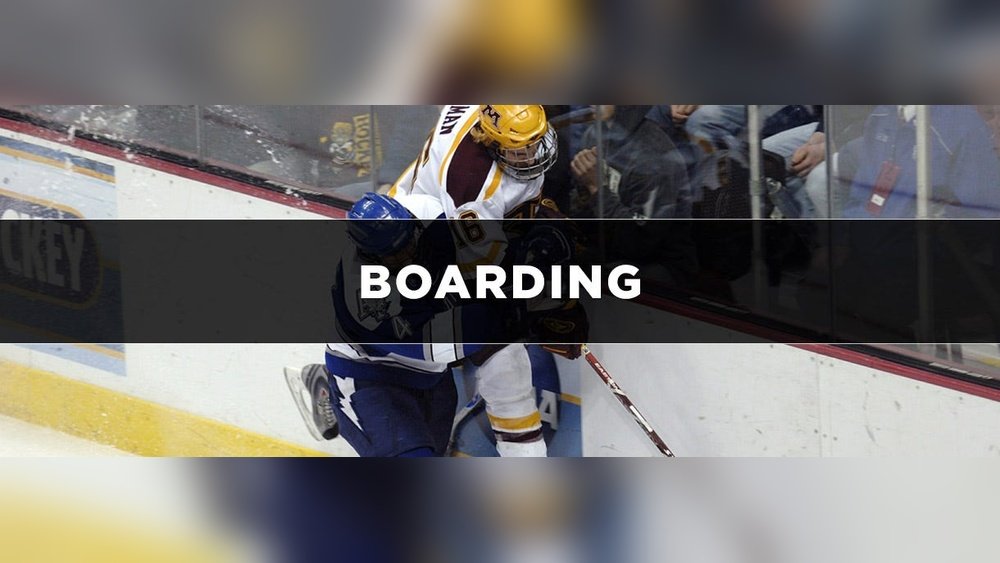
Have you ever wondered why some hits in hockey lead to penalties while others don’t? If you’re curious about what makes a hit illegal, especially when it comes to slamming a player into the boards, you need to understand “boarding.” Boarding is one of the most serious penalties in hockey because it involves driving a defenseless player violently into the rink’s side barriers.
This not only risks injury but can change the momentum of the entire game. You’ll discover exactly what hockey penalty boarding means, how it differs from legal body checks, and why knowing the rules can make you a smarter player or fan.
Ready to learn what keeps the game safe and fair? Let’s dive in.
Boarding In Hockey
Boarding is a serious penalty in hockey. It happens when a player hits another into the boards too hard. This hit can cause injury and is not allowed by the rules. Understanding boarding helps players stay safe and play fair.
What Boarding Means
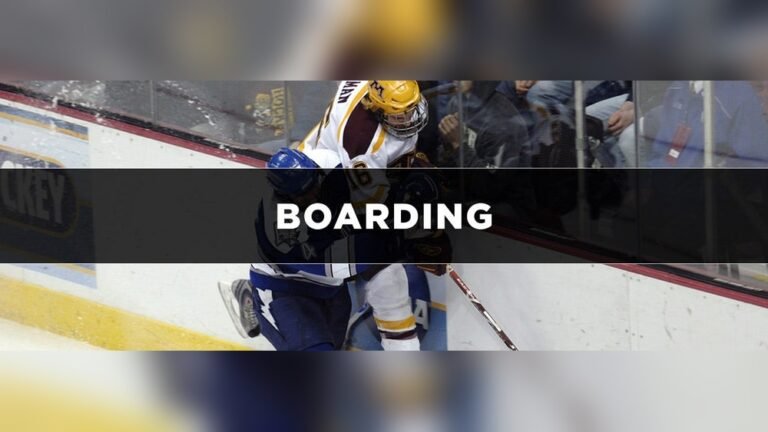
Boarding means pushing or checking a player violently into the boards. The player hit usually has no time to prepare. This makes the hit dangerous and unfair. Referees call boarding to protect players from harm.
How Boarding Differs From Charging
Boarding focuses on where and how the player is hit. The hit pushes the player hard against the boards. Charging is about running or skating fast before hitting. A charging player may hit in open ice or near the boards, but it involves a build-up of speed.
Boarding Vs Legal Body Check
A legal body check is a shoulder-to-shoulder hit. It aims to separate the player from the puck. This hit can happen anywhere on the ice, even close to the boards. Boarding is different because it is violent and pushes a player into the boards unfairly.
Credit: thehockeywriters.com
Causes Of Boarding
Boarding in hockey happens when a player hits an opponent hard into the boards. This penalty occurs because certain actions increase the risk of injury. Understanding the main causes helps players avoid dangerous plays. It also helps fans see why referees call boarding penalties.
Player Momentum And Speed
High speed makes a hit more dangerous. When a player builds up momentum before contact, the force increases. This force can throw the opponent violently into the boards. Fast hits reduce the chance for the other player to protect themselves.
Targeting Defenseless Players
Boarding often happens to players who are not ready. When a player is focused on the puck or off-balance, they are defenseless. Hitting these players hard near the boards is illegal. It causes serious injuries and leads to penalties.
Positioning Near The Boards
Players close to the boards are at higher risk. The boards limit movement and space to avoid hits. Poor positioning can trap a player against the boards. This makes boarding more likely when an opponent charges.
Consequences Of Boarding
Boarding in hockey carries serious consequences beyond just breaking the rules. It affects player safety, game flow, and team performance. Understanding these impacts is key for players and fans alike.
Injury Risks For Players
Boarding often causes severe injuries. Players hit hard into the boards may suffer concussions or broken bones. These injuries can end careers or cause long recovery times. The risk is higher for players caught off guard or in vulnerable positions.
Penalties And Suspensions
Players who commit boarding face strict penalties. Referees can give minor or major penalties based on the hit’s severity. Repeat offenders risk game suspensions and fines. These punishments aim to reduce dangerous plays and keep the game safe.
Impact On Team Dynamics
Boarding penalties hurt team performance. Losing a player to penalty means fewer players on the ice. This can lead to more scoring chances for the opposing team. Suspensions also disrupt team lineups and chemistry. Teams must adjust quickly to maintain their strength.
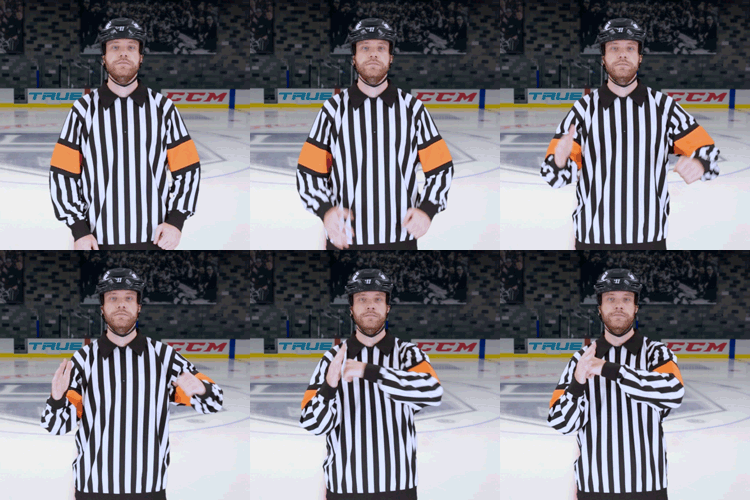
Credit: www.hockeymonkey.com
Rules And Enforcement
Rules and enforcement of boarding in hockey protect players from dangerous hits. Boarding involves pushing or checking a defenseless player violently into the boards. Officials watch closely to prevent injuries and keep the game safe. Penalties for boarding vary based on severity and intent.
Nhl Boarding Penalties
The NHL penalizes boarding to stop dangerous plays. Minor penalties last two minutes for less severe hits. Major penalties and game misconducts happen if the hit causes injury. Repeat offenders may face suspensions or fines. These rules encourage players to avoid reckless hits near the boards.
Referee Judgement Criteria
Referees decide boarding penalties by observing several factors. They check if the hit was violent or if the player was defenseless. The speed and distance the hitter traveled matter too. Referees also consider if the hit was avoidable or intentional. Their judgment ensures fair enforcement of the rules.
Role Of Video Reviews
Video reviews help referees confirm boarding penalties. They allow officials to watch the play from different angles. Reviews ensure accurate calls on dangerous hits near the boards. This technology reduces mistakes and improves player safety. Video evidence supports referees in making correct decisions.
Prevention Tips
Preventing boarding penalties in hockey is essential for player safety. Coaches, players, and officials all play a role in reducing these dangerous hits. Prevention focuses on awareness, proper technique, and strong coaching guidance. These steps help keep the game fast and fair, while protecting players from injury.
Player Awareness And Training
Players must understand what boarding means. They learn to recognize unsafe situations near the boards. Training includes drills that improve balance and control. Players are taught to watch for vulnerable opponents. Awareness helps players avoid high-risk hits that cause penalties.
Safe Checking Techniques
Checking is part of hockey but must be done safely. Players practice shoulder-to-shoulder contact rather than violent hits. They aim to separate the puck, not injure the opponent. Coaches emphasize control and proper body position. Safe checking reduces the chance of boarding penalties.
Coaching Strategies To Reduce Boarding
Coaches set clear rules about hitting near the boards. They encourage respect and sportsmanship on the ice. Video reviews help players learn from mistakes. Coaches reward good behavior and penalize unsafe play during practice. Strong leadership lowers the risk of boarding incidents.
Improving Player Safety
Hockey is a fast and physical sport where player safety must always come first. Boarding penalties address dangerous hits that drive players violently into the boards. Protecting players from injuries requires constant efforts to improve safety measures. These efforts include better gear, updated rules, and promoting respect among players. Each step helps reduce risks and keeps the sport enjoyable for everyone.
Protective Gear Enhancements
Modern protective gear plays a key role in player safety. Helmets now have stronger shells and better padding. Face shields help protect against cuts and flying pucks. Shoulder pads and chest protectors absorb impacts during hits. Advances in materials make the gear lighter and more comfortable. This encourages players to wear full protection all the time. Improved gear reduces injuries from boarding and other hits.
Rule Changes And Updates
Hockey leagues regularly update rules to improve safety. Boarding penalties have become stricter over time. Officials watch closely for hits that endanger players near the boards. Penalties often include game misconducts or suspensions. These punishments discourage players from dangerous behavior. Clear rules help referees make fast, fair decisions. Rule updates keep the game safer without slowing the pace.
Promoting Sportsmanship
Respect between players lowers the chance of dangerous hits. Coaches and teams emphasize fair play and self-control. Players learn to avoid reckless hits and target the puck, not the opponent. Good sportsmanship creates a safer and more positive game. It builds trust among players and reduces conflicts. Promoting respect helps hockey stay competitive yet safe for all.

Credit: www.flohockey.tv
Frequently Asked Questions
What Is The Difference Between Charging And Boarding?
Charging involves a player gaining speed to deliver a violent check. Boarding occurs when a defenseless player is forcefully hit into the boards. Charging focuses on the hit’s approach, while boarding centers on dangerous contact against the boards. Boarding is always penalized; charging depends on severity.
How Is Boarding Different From Charging?
Boarding occurs when a player violently hits a defenseless opponent into the boards. Charging involves building speed to deliver a forceful check, not necessarily near the boards. Boarding focuses on dangerous contact location, while charging emphasizes the hit’s approach and momentum.
Both can result in penalties.
What Constitutes Boarding?
Boarding occurs when a player violently hits a defenseless opponent into the boards. It is always penalized for dangerous contact.
What Is The Difference Between Boarding And Checking In Hockey?
Boarding is an illegal, violent hit pushing a defenseless player into the boards. Checking is a legal shoulder-to-shoulder hit to gain puck control anywhere on the ice. Boarding targets a defenseless player near the boards; checking involves two engaged players.
Conclusion
Boarding in hockey poses serious risks to player safety. Players must avoid dangerous hits near the boards. Referees watch closely to keep the game fair. Understanding this penalty helps fans enjoy hockey better. Safe play keeps hockey exciting and competitive.
Respect on the ice protects everyone involved. Always prioritize skill and control over aggression. This keeps hockey thrilling and safe for all.