If you’re diving into baseball stats, you’ve probably come across the term WHIP and wondered, “What does WHIP mean in pitching stats?” Understanding this simple yet powerful number can change the way you watch the game and evaluate pitchers. WHIP stands for Walks and Hits Per Inning Pitched, and it tells you exactly how many batters a pitcher allows to reach base every inning.
But why does that matter to you? Because the lower a pitcher’s WHIP, the better they are at controlling the game and keeping runners off base. If you want to know how to calculate WHIP, what a good WHIP looks like, and why this stat is a must-know for any baseball fan, keep reading.
Your next baseball conversation just got a whole lot smarter.

Credit: www.youtube.com
Whip Definition
WHIP is a common pitching stat in baseball. It helps fans understand how well a pitcher controls the game. This stat shows how many batters reach base per inning on average. Knowing WHIP gives insight into a pitcher’s ability to prevent hits and walks. It is simple but very useful for analyzing pitching performance.
Meaning Of Whip
WHIP stands for Walks plus Hits per Inning Pitched. It combines two key ways batters reach base: by hitting safely or by walking. The formula is easy. Add the total walks and hits allowed, then divide by innings pitched. This number tells how many runners a pitcher lets on base each inning. A lower WHIP means fewer runners get on, showing better pitching control.
What Whip Measures
WHIP measures a pitcher’s effectiveness in keeping batters off base. It focuses on two main events: walks and hits. These events often lead to runs, so limiting them is crucial. WHIP does not count errors or hit-by-pitches, focusing only on direct pitcher actions. This makes it a clear indicator of how well a pitcher controls the game. It helps compare pitchers across different teams and seasons.
Credit: brucebolt.us
Whip Calculation
Understanding the WHIP calculation helps you grasp a pitcher’s skill in preventing baserunners. WHIP stands for Walks and Hits per Inning Pitched. It shows how many players reach base on average each inning. This stat is simple but powerful for evaluating pitching performance.
Calculating WHIP involves basic math using a pitcher’s total walks, hits allowed, and innings pitched. The result reveals how well a pitcher controls the game by limiting opponents’ opportunities to score.
Formula Breakdown
The WHIP formula is straightforward:
WHIP = (Walks + Hits) ÷ Innings Pitched
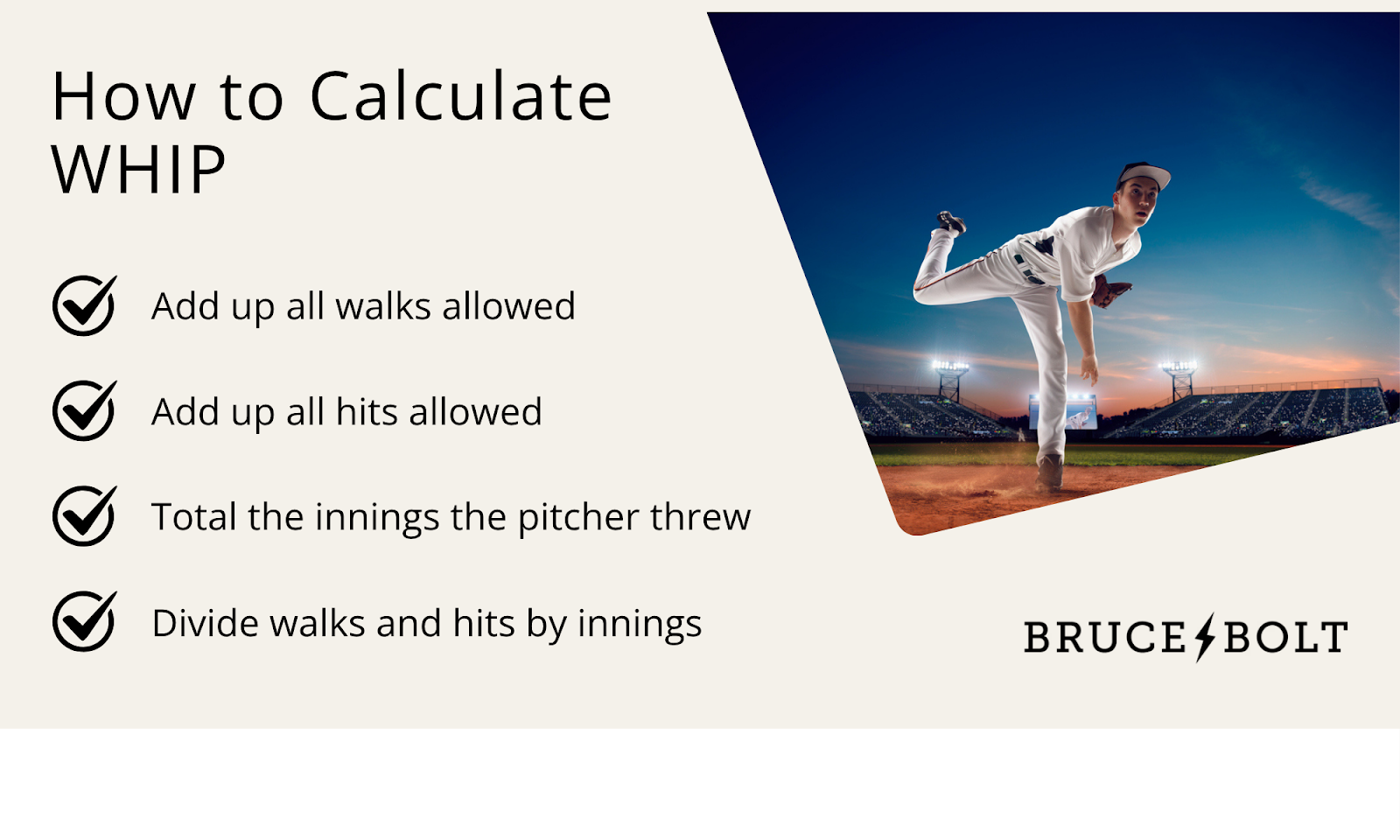
This formula sums all the baserunners allowed by walks and hits. Then, it divides that sum by the total innings the pitcher has thrown. The lower the WHIP, the fewer runners allowed per inning, indicating better performance.
Step-by-step Calculation
Start by adding the total walks and hits a pitcher gives up. This number represents all baserunners from these two sources.
Next, find the total innings pitched by the player. This is often shown as a decimal where one-third of an inning equals 0.1.
Finally, divide the sum of walks and hits by the innings pitched. The result is the WHIP value.
Example Calculation
Imagine a pitcher has allowed 25 walks and 70 hits over 95 innings pitched.
First, add the walks and hits: 25 + 70 = 95.
Then, divide by innings pitched: 95 ÷ 95 = 1.00.
This pitcher’s WHIP is 1.00, meaning they allow one baserunner per inning on average. A WHIP around 1.00 is generally considered very good.
Why Whip Matters
WHIP, or Walks and Hits Per Inning Pitched, is a simple stat with big meaning. It shows how many runners a pitcher allows per inning. This helps fans and coaches see how well a pitcher keeps players off base. A lower WHIP means fewer runners and better pitching. Understanding why WHIP matters helps you appreciate a pitcher’s skill and control.
Evaluating Pitcher Effectiveness
WHIP directly measures how well a pitcher stops runners. A low WHIP means fewer hits and walks allowed. This usually leads to fewer runs scored by the opposing team. Pitchers with strong WHIP numbers often control the game better. WHIP gives a clear snapshot of a pitcher’s ability to limit baserunners.
Indicating Pitcher Control
Control is key for any pitcher. WHIP reflects how well a pitcher avoids walks. Walks give free bases and increase scoring chances. A pitcher with a low WHIP shows good control over their pitches. This means they throw strikes and avoid mistakes. WHIP helps reveal a pitcher’s precision and command.
Comparing With Other Stats
WHIP complements stats like ERA and strikeouts. ERA shows runs allowed but not how many reached base. Strikeouts show how many batters are retired directly. WHIP fills in gaps by showing baserunner frequency. Comparing these stats gives a fuller picture of pitching skill. WHIP helps check if ERA matches the pitcher’s true performance.
Good Whip Values
WHIP is a key stat that tells how many runners a pitcher allows per inning. Good WHIP values show a pitcher’s ability to keep runners off the bases. It helps fans and analysts see who controls the game better. Understanding what makes a good WHIP is important for evaluating pitchers.
What Is A Good Whip?
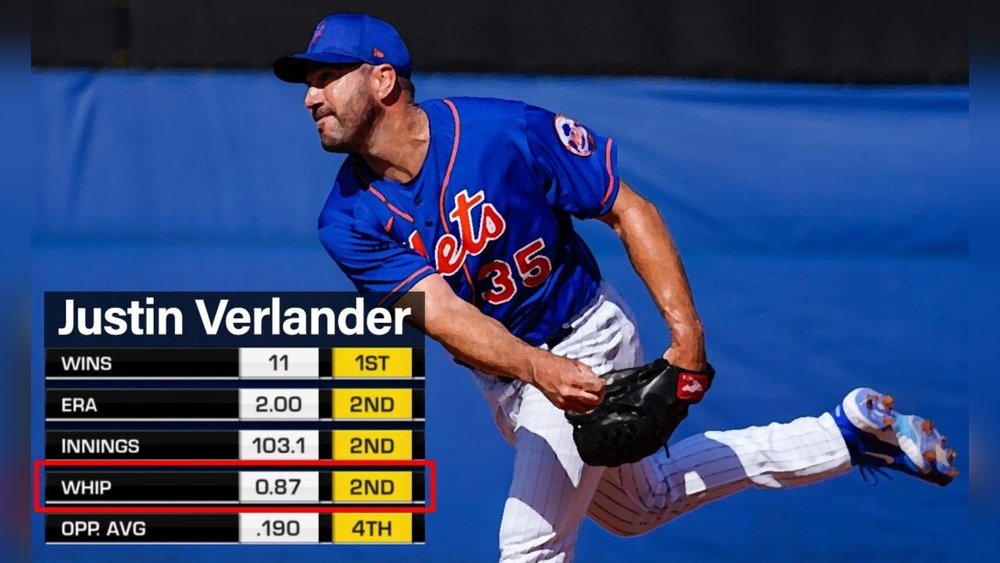
A good WHIP is generally low. It means a pitcher lets fewer batters reach base. Most experts say a WHIP below 1.20 is solid. It shows the pitcher limits walks and hits well. The lower the WHIP, the better the pitcher performs in this area.
Low Vs High Whip
A low WHIP means fewer baserunners allowed. This often leads to fewer runs scored against the pitcher. It shows good control and effectiveness. A high WHIP means many runners reach base. This puts more pressure on the pitcher and defense. High WHIP pitchers may struggle to keep the game close.
Whip Benchmarks In Mlb
In Major League Baseball, the average WHIP varies by season. Typically, it hovers around 1.30. Elite pitchers often have WHIPs below 1.10. Relief pitchers can have even lower WHIPs due to shorter appearances. A WHIP above 1.40 is usually considered poor in the MLB. These benchmarks help compare pitchers across teams and seasons.
Whip Limitations
WHIP is a popular pitching stat, but it has its limits. It shows how many hitters reach base per inning. Still, it does not tell the whole story about a pitcher’s skill or performance. Understanding these limits helps you use WHIP wisely.
What Whip Doesn’t Account For
WHIP counts walks and hits but misses key details. It does not separate a single, double, or home run. A pitcher allowing many singles may have the same WHIP as one giving up home runs. WHIP also ignores how runners score. It cannot tell if a pitcher often lets in runs or escapes trouble.
WHIP does not reflect strikeouts or ground balls. These skills can help control the game but do not affect WHIP directly. Defensive plays by teammates also matter. A pitcher’s WHIP might look higher if the defense is weak. Lastly, WHIP does not show the game situation, like pressure or score.
Using Whip With Other Metrics
WHIP works best alongside other stats. Combining it with ERA shows if a pitcher lets runners score. Strikeout rates add insight into dominance over hitters. Metrics like FIP or BABIP help reveal luck or defense impact.
Use WHIP to spot pitchers who allow few baserunners. Then check other stats to understand how they handle runners. This approach gives a clearer picture of a pitcher’s true skill. WHIP alone is just one piece of the puzzle.
Whip Trends And Insights
WHIP Trends and Insights reveal how pitchers manage baserunners over time. Tracking WHIP helps understand a pitcher’s consistency and control. Changes in WHIP can show improvements or struggles during a season. Teams and analysts use these trends to evaluate performance beyond basic stats.
Identifying Performance Trends
Watching WHIP across several games shows if a pitcher is improving or declining. A rising WHIP often signals more walks and hits allowed. A steady or falling WHIP suggests better control and fewer baserunners. Coaches track these trends to adjust training and game plans.
Seasonal patterns in WHIP may reflect physical health or pitching mechanics. Young pitchers might start with high WHIP and lower it as they gain experience. Veteran pitchers sometimes maintain low WHIP by using strategy rather than power. Identifying these trends helps predict future success or risks.
Whip And Pitching Strategies
Pitchers with low WHIP often focus on control and precision. They avoid walks and limit hits by pitching carefully. Some pitchers rely on strikeouts, but WHIP shows how well they prevent runners overall. High WHIP may indicate risky pitching or lack of control.
Teams use WHIP data to decide when to change pitchers during games. A pitcher with rising WHIP might be more likely to allow runs soon. Managers also use WHIP to design defensive alignments and choose relievers. WHIP helps connect pitching performance to game strategy effectively.

Credit: www.wikihow.com
Frequently Asked Questions
What Is Considered A Good Whip In Pitching?
A good WHIP in pitching is generally below 1. 30. Lower WHIP means fewer baserunners allowed and better performance. Elite pitchers often have WHIPs under 1. 10.
Is A 0.95 Whip Good?
A 0. 95 WHIP is excellent. It shows the pitcher allows less than one baserunner per inning, indicating strong control and effectiveness.
What Is The Whip In Pitching?
WHIP stands for Walks and Hits Per Inning Pitched. It measures how many baserunners a pitcher allows per inning. Calculate it by adding walks and hits, then dividing by innings pitched. A lower WHIP shows better pitching control and effectiveness.
Is A Higher Or Lower Whip Better?
A lower WHIP is better. It means the pitcher allows fewer baserunners per inning, indicating stronger performance.
Conclusion
Understanding WHIP helps you see how well a pitcher controls the game. It shows how many players reach base each inning. A lower WHIP means fewer runners and better pitching. This stat gives a clear picture of a pitcher’s effectiveness.
Use WHIP alongside other stats to get a full view. Now you know why WHIP matters in baseball pitching. Keep this simple stat in mind when watching or analyzing games. It makes following baseball easier and more fun.