Have you ever wondered if video games count as a real sport? This question sparks strong opinions on both sides.
You might think of sports as physical activities like running or playing basketball, but competitive gaming—or esports—challenges that idea. When you watch esports tournaments, you see players who train hard, use sharp strategy, and compete fiercely in front of huge audiences.
But does that make gaming a sport? You’ll explore the key reasons why video games are considered a sport by many—and why some still disagree. By the end, you’ll have a clear view on where gaming fits in the world of sports—and maybe even rethink your own definition of what a sport truly is. Keep reading to uncover the surprising facts behind this modern debate!
Gaming As A Competitive Activity
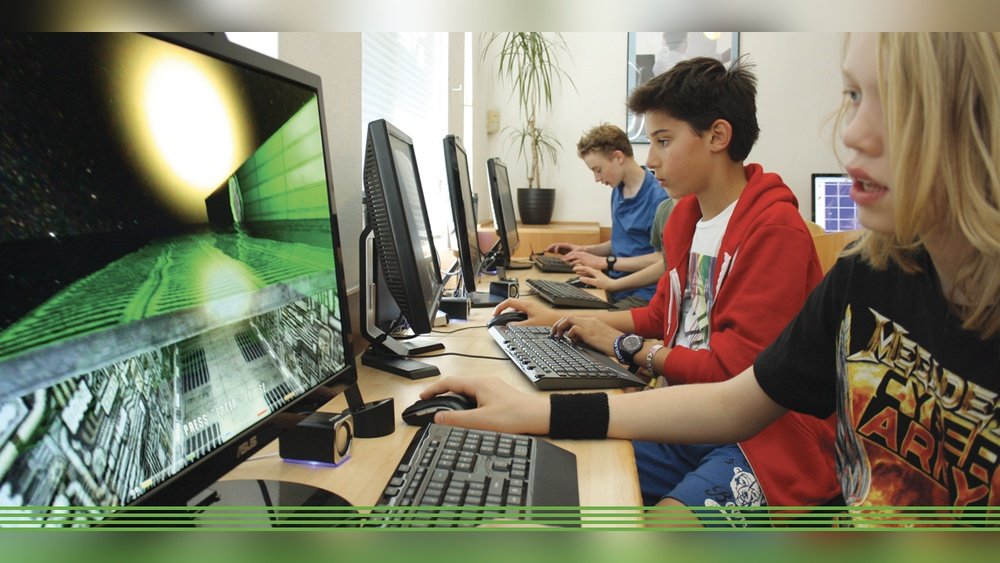
Gaming has evolved into a highly competitive activity with millions of players worldwide. It demands more than just casual play. Players must develop sharp skills and deep strategies to succeed. Competitive gaming, or esports, mirrors many aspects of traditional sports. It requires focus, quick thinking, and teamwork. This section explores how gaming fits the mold of a competitive sport through skill, training, and intensity.
Skill And Strategy In Gaming
Competitive gaming requires great skill and precise control. Players must react quickly to changing situations. Strategy plays a key role in winning matches. Gamers study opponents and plan moves ahead. Different games demand different types of skills. Some focus on fast reflexes, others on tactical planning. Success depends on both mental sharpness and hand-eye coordination.
Training And Practice Routines
Professional gamers follow strict training schedules. They practice for hours daily to improve. Training includes learning game mechanics and teamwork drills. Players analyze past games to find weaknesses. Like athletes, they maintain physical and mental health. Consistent practice builds muscle memory and speed. Preparation is essential for competing at high levels.
Intensity Of Esports Competitions
Esports tournaments are intense and highly competitive. Players face pressure from fans and sponsors. Matches are often broadcast to millions of viewers. The stakes include large cash prizes and fame. Competitions test endurance, focus, and skill under stress. Many players experience physical strain similar to athletes. The competitive environment is fierce and demanding.
Physical Aspects Of Gaming
The physical aspects of gaming reveal more than just sitting and clicking. Competitive gaming demands specific body movements, quick reflexes, and long hours of focused attention. These factors contribute to the physical experience of playing at a professional level.
Understanding these elements helps clarify the debate about whether video games qualify as a sport.
Physical Strain In Professional Gamers
Professional gamers often face physical strain from repetitive motions. Their hands and wrists endure continuous clicking and rapid key presses. This can cause conditions like carpal tunnel syndrome or tendonitis. Neck and back pain are common due to long hours spent sitting. Eye strain also affects many players because of intense screen focus. These physical challenges show gaming requires endurance and physical care.
Comparison To Traditional Sports Exertion
Traditional sports involve running, jumping, and full-body movement. Gaming relies on fine motor skills and mental agility. Despite less gross physical movement, gamers’ heart rates can rise during competition. Stress hormones increase, similar to athletes in physical sports. Both require quick decision-making and high concentration. The physical exertion differs but is present in both fields.
Health Impacts Of Competitive Gaming
Competitive gaming impacts health in various ways. Physical inactivity can lead to weight gain and poor posture. Stress from competition affects mental well-being. Proper breaks and exercise help reduce health risks. Some gamers adopt fitness routines to improve performance. Awareness of these health factors is growing among esports professionals.
Arguments Supporting Gaming As A Sport
Many people believe video games qualify as a sport because of their competitive nature. The growing esports industry shows how gaming involves skill, training, and teamwork. This section highlights key reasons supporting gaming as a sport.
Professional Recognition And Scholarships
Esports players receive professional recognition similar to athletes. Many colleges offer scholarships to skilled gamers. These scholarships reward talent and dedication in gaming. Universities create esports teams competing at high levels. This formal support shows gaming’s acceptance as a sport.
Organized Leagues And Tournaments
Esports has well-structured leagues and tournaments worldwide. These events attract top players and large audiences. Teams train intensely to compete in these contests. Prize money and titles add to the competitive spirit. This organization mirrors traditional sports leagues.
Fan Base And Media Coverage
Esports enjoys a massive, passionate fan base globally. Fans follow players and teams like in other sports. Major media outlets broadcast esports events live. Streaming platforms provide constant coverage and interaction. This media attention highlights gaming’s sport-like appeal.
Credit: ivypanda.com
Arguments Against Gaming As A Sport
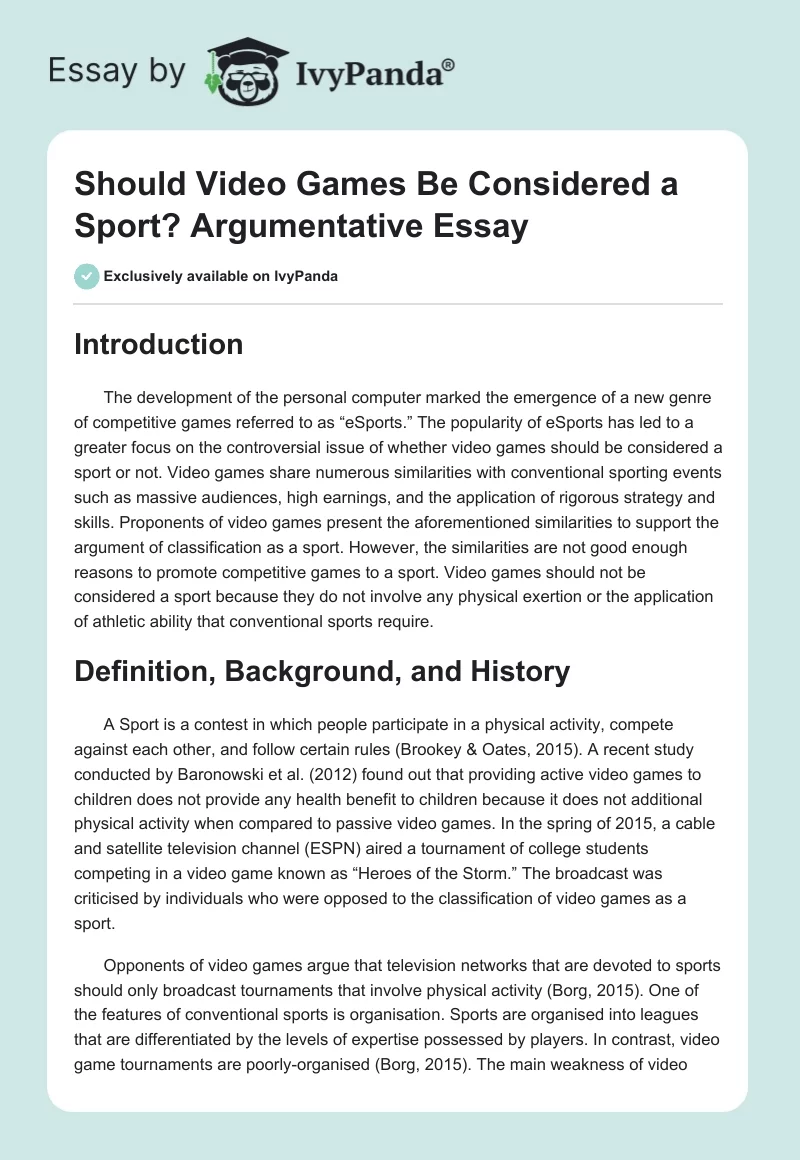
The debate about whether video games qualify as a sport includes strong arguments against this idea. Critics highlight key differences between gaming and traditional sports. These points focus on physical activity, the nature of competition, and the rules that govern each activity.
Lack Of Physical Activity
Video gaming requires mostly sitting still and using hand movements. It does not involve running, jumping, or other body movements common in sports. Physical exertion is minimal compared to traditional sports. This lack of exercise is a major reason many do not see gaming as a sport.
Entertainment Vs Athleticism
Video games are often viewed as entertainment rather than athletic competition. Players compete by using strategy and quick thinking, but physical skill is limited. Traditional sports demand physical strength, endurance, and agility. Gaming focuses more on mental skill and reflexes than athletic ability.
Absence Of Standardized Physical Rules
Sports have clear and consistent physical rules worldwide. These rules regulate how the game is played and ensure fairness. Video games vary widely in format, controls, and objectives. The lack of universal physical rules makes it hard to classify gaming as a traditional sport.
Esports And Traditional Sports Comparison
Esports and traditional sports share many traits but also have clear differences. Both involve competition, skill, and teamwork. Players train hard and face challenges to win. Yet, the way they demand effort and engage audiences varies significantly. Understanding these differences helps us see if video games fit the sport category.
Physical Vs Mental Demands
Traditional sports focus mainly on physical strength and endurance. Running, jumping, and coordination are key. Esports rely heavily on mental skill. Players need quick thinking, sharp reflexes, and deep strategy. Both require intense focus, but esports players sit for long hours. Physical fitness matters more in traditional sports.
Competitive Structures
Both esports and traditional sports have leagues, teams, and tournaments. Players compete locally, nationally, and globally. Esports often use online platforms for matches. Traditional sports usually need physical venues. Prize money and sponsorships exist in both. Esports tournaments can last days with many games played back-to-back.
Audience Engagement
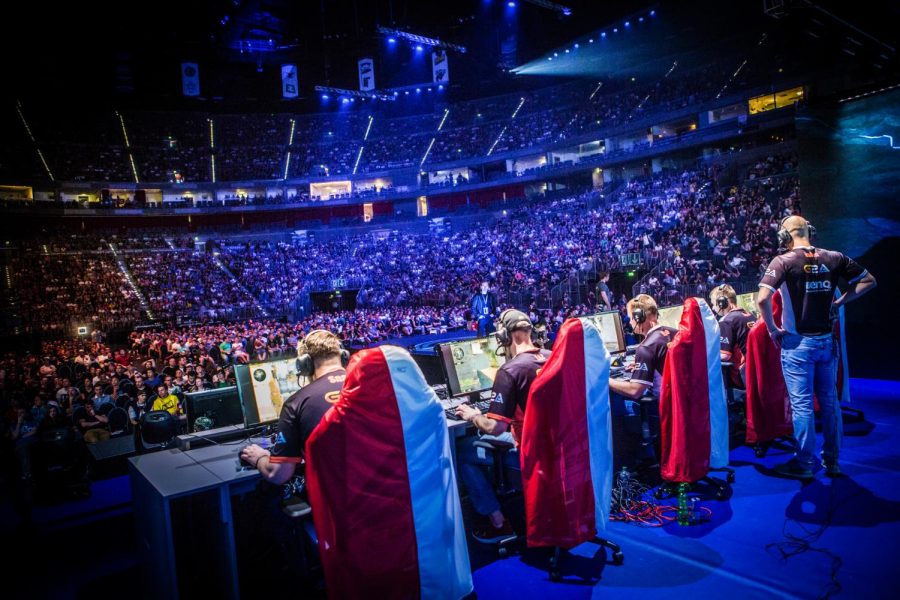
Fans watch traditional sports in stadiums or on TV. The atmosphere is loud and lively. Esports audiences mostly watch online streams. Chat rooms and live commentary create interaction. Both sports draw passionate fans who support teams and players. Esports fans are younger and tech-savvy. Traditional sports reach a wider age range.
Credit: themchenrymessenger.com
Global Recognition And Future Trends
Video games have gained attention as a possible sport worldwide. Their rise has sparked interest in how they fit into the sports world. Understanding global recognition and future trends shows how esports is evolving. This growth affects players, fans, and organizations everywhere.
Official Sports Organizations’ Stance
Many official sports groups are beginning to accept esports. Some national Olympic committees have started to recognize esports events. They see the skill and competition involved in gaming. Yet, some traditional sports bodies remain unsure about calling esports a sport. The debate continues as esports gains more legitimacy.
Collegiate Esports Programs
Colleges worldwide now offer esports teams and scholarships. These programs train students in competitive gaming like traditional sports. Universities see esports as a way to attract students and build community. The growth of collegiate esports shows its increasing acceptance. Students gain skills in teamwork, strategy, and quick thinking.
Growth Of Esports Worldwide
Esports has grown rapidly across all continents. Tournaments now fill arenas and attract millions of viewers online. Countries invest in esports infrastructure and training programs. Sponsors and media companies support esports with big budgets. This growth points to a strong future for competitive gaming globally.

Credit: www.idtech.com
Frequently Asked Questions
Is Gaming An Official Sport?
Gaming is often considered a sport when it involves organized competition, professional players, and strategic skill. Esports feature intense tournaments and dedicated training, similar to traditional sports. However, gaming lacks significant physical exertion, which some argue disqualifies it as an official sport.
What Is The 1 Hardest Sport In The World?
The 1 hardest sport in the world is often considered boxing. It demands extreme physical endurance, mental toughness, and skill under pressure.
Is A Gamer Considered An Athlete?
A gamer can be considered an athlete in esports due to skill, strategy, intense competition, and dedicated training. Physical exertion differs from traditional sports.
What Makes A Game Not A Sport?
A game is not a sport if it lacks physical exertion, standardized physical rules, or is primarily entertainment without athletic competition.
Conclusion
Video games share many qualities with traditional sports. Players train hard, use strategy, and face strong competition. Esports grow with large audiences and official recognition. Physical activity differs, but mental and emotional skills matter too. Whether called a sport or not, gaming demands skill and dedication.
The debate will continue as esports evolve and gain popularity. What matters most is the respect earned by players and their craft.