When you step up to tee off, have you ever wondered why every golf ball looks just about the same size? The diameter of a golf ball isn’t random—it’s carefully set to enhance your game and meet official rules.
Knowing the exact golf ball diameter in inches can give you an edge, whether you’re choosing the right ball or curious about how size affects your swing and distance. Stick with me, and you’ll discover why this small measurement matters big time for your golf game.
Ready to uncover the secrets behind the perfect golf ball size? Let’s dive in!

Credit: www.networldsports.com
Golf Ball Size Standards
Golf ball size standards ensure fairness and consistency in golf. Every official golf ball must meet specific size rules. These rules come from the two main golf authorities worldwide. They keep the game fair for all players. Understanding these standards helps players choose the right ball.
Usga Size Requirements
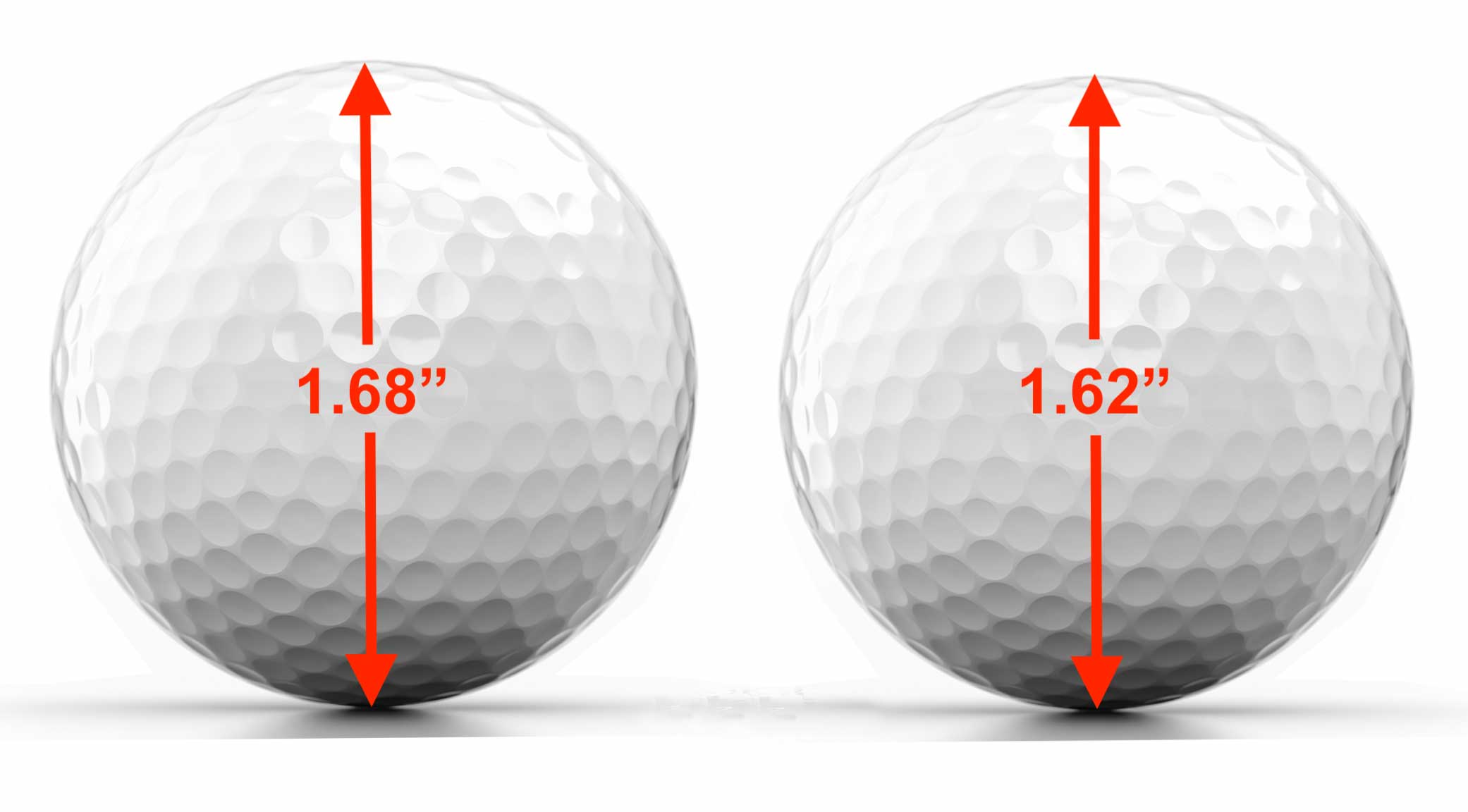
The United States Golf Association (USGA) sets strict size rules for golf balls. The ball’s diameter must be at least 1.68 inches. This size ensures the ball performs correctly in play. Any ball smaller than this is not allowed in official tournaments. The USGA also regulates the ball’s weight and other features.
The R&a Regulations
The R&A, based in Scotland, also controls golf ball standards globally. Their size rules match the USGA’s closely. The minimum diameter is the same: 1.68 inches. This agreement keeps the game uniform worldwide. Both bodies test golf balls to confirm they meet these rules.
Minimum Diameter Explained
The minimum diameter of 1.68 inches means the ball cannot be smaller. This size affects how the ball flies and rolls. Larger balls are allowed but rare in tournaments. Smaller balls can give unfair advantages and are banned. This rule helps maintain skill and fairness in golf.

Credit: golf.okrasa.eu
Measurement Techniques
Measuring the diameter of a golf ball is crucial for ensuring it meets official standards. Accurate measurement affects the ball’s performance and legality in play. Various techniques help verify the ball’s size precisely. This section explains key methods used in golf ball diameter measurement.
Using Metal Ring Gauges
Metal ring gauges are simple tools for checking golf ball diameter. The ball is inserted into the ring gauge to see if it fits properly. If the ball passes through, it is smaller than the gauge size. If it does not, the ball meets or exceeds the diameter requirement. This method provides a quick, visual check of ball size.
Precision In Diameter Checking
Precision tools like calipers measure golf ball diameter with high accuracy. Digital calipers show exact measurements in inches or millimeters. This precision helps manufacturers ensure each ball complies with the 1.68-inch standard. Small errors in measurement can affect ball performance. Therefore, precision checking is essential in quality control.
Common Tools For Measurement
Besides metal ring gauges and calipers, micrometers also measure ball diameter. Micrometers offer even finer measurement control. Some use laser measurement systems for non-contact checking. These tools help maintain consistent ball size in mass production. Using the right tool depends on the required accuracy and production scale.
Legal Size Variations
Golf ball diameter rules allow for some size variations within legal limits. The United States Golf Association (USGA) and The R&A set standards that golf balls must meet to be used in official play. These rules ensure fairness and consistency, but they do not impose a strict maximum size limit. Understanding these legal size variations helps players and manufacturers make informed decisions.
No Maximum Diameter Limit
The official rules state the golf ball diameter must be at least 1.68 inches (42.67 mm). There is no maximum size set by the USGA or The R&A. This means golf balls can be larger, but most stay close to the minimum size. Larger balls are less common because they may affect play and feel.
Impact On Gameplay
Ball size can influence distance and control. Larger balls tend to have more air resistance, reducing distance. Smaller balls may travel farther but can be harder to control. Players usually prefer the standard size for consistent performance. Size changes can affect how the ball spins and reacts on the green.
Manufacturer Design Choices
Manufacturers design golf balls within the legal size range to balance distance, control, and feel. Most produce balls at the minimum diameter of 1.68 inches to maximize distance. Some brands experiment with slightly larger sizes for specific player needs. Design focuses on regulations, materials, and player preferences to create the best ball.
Historical Size Changes
The size of golf balls has not always been the same. Over time, the diameter of golf balls has changed due to different rules and preferences. These changes affected how the ball behaves during play. Understanding this history helps explain why golf balls today have a standard size.
Golf ball size changes reflect the sport’s evolution and efforts to make the game fair worldwide. Early golf balls were smaller or larger depending on the region. These differences caused confusion and led to calls for a standard size.
Evolution Of Golf Ball Diameter
In the early days, golf balls varied greatly in size. Some were smaller than today’s balls, while others were larger. The diameter ranged from about 1.55 inches to over 1.68 inches. Manufacturers used different materials and designs, which affected the ball size.
By the early 20th century, the need for uniformity grew. The United States Golf Association (USGA) set limits on ball size to keep the game consistent. The official diameter was set at 1.68 inches to balance distance and control.
Differences Between Regions
Europe and America once used different golf ball sizes. European balls were often smaller, around 1.62 inches in diameter. American balls were closer to the now standard 1.68 inches. This size difference affected how the ball flew and rolled on the course.
These regional differences caused problems in international competitions. Players had to adjust to different ball sizes depending on where they played. It also made it hard to compare scores across regions.
Reasons For Standardization
Standardizing golf ball size made the sport fairer. A single size means all players compete under the same conditions. It also helps manufacturers produce balls that meet strict rules.
The USGA and The R&A worked together to enforce the 1.68-inch diameter rule. This standard is still used today for tournament play. It ensures that no player gains an unfair advantage due to ball size.
Standard size supports consistency in play and equipment design. Golfers worldwide benefit from this uniform rule. It keeps the spirit of the game intact and fair for everyone.
Non-standard Golf Balls
Not all golf balls follow the official size rules. Non-standard golf balls vary in diameter and purpose. They often serve specific uses like practice or budget play. Understanding these balls helps golfers choose the right one for their needs.
Range Balls And Practice Balls
Range balls usually have a larger diameter or different materials. They are made to last through many hits. These balls may look different or feel harder than standard balls. Their size can be slightly bigger to avoid confusion with regular balls on courses. Practice balls help players improve without the high cost of premium balls.
Cosmetic Defects And Size
Some golf balls have cosmetic defects like discoloration or marks. These flaws do not affect the ball’s size or flight. Manufacturers sell these balls at lower prices. The diameter remains close to standard but may vary slightly. Players often use them for casual play or practice sessions.
Performance Vs. Appearance
Non-standard balls may not perform like official ones. Size changes can affect spin, distance, and control. Appearance issues do not always mean poor performance. Some practice balls offer good playability despite their look. Choosing the right ball depends on use, not just how it looks.
Golf Ball Construction
The construction of a golf ball directly influences its diameter and performance. Each part of the ball, from the core to the outer cover, plays a role in its final size. Manufacturers carefully design these components to meet official size rules. Understanding these elements helps explain why golf balls have specific dimensions and how these affect the game.
Materials Affecting Size
Golf balls use different materials in their layers. The core is usually made from synthetic rubber or similar compounds. The cover often consists of ionomer or urethane. Each material has unique properties that affect the ball’s expansion and compression. These materials must maintain size consistency even under pressure from swings.
Core And Cover Dimensions
The core is the inner part of the golf ball. It is the largest layer and influences the ball’s size the most. The core diameter can vary slightly between brands but remains within official limits. The cover surrounds the core and is thinner but still impacts the total diameter. Together, these layers must add up to the standard size of the ball.
Embedded Technology Regulations
Modern golf balls often include embedded technology like sensors or special materials. These technologies must follow strict size rules set by golf authorities. The USGA and R&A regulate that golf balls cannot exceed 1.68 inches in diameter. Any embedded tech cannot make the ball larger than this limit. These rules ensure fairness and consistency in play.
Choosing The Right Size
Choosing the right golf ball size matters for your play. Golf balls come in slightly different diameters, affecting how they perform on the course. Picking the right size helps improve your game. It influences control, distance, and feel. Understanding these differences guides you to the best choice for your style.
Effect On Accuracy And Distance
The diameter of a golf ball impacts its flight. Smaller balls face less air resistance, which can increase distance. Larger balls may offer more control and better accuracy. The size changes how the ball spins and reacts to wind. This affects where the ball lands and how it rolls.
Preferences Among Professionals
Most professional golfers use standard-sized balls with a diameter of 1.68 inches. This size balances distance and control. Some pros might try smaller balls for extra distance on long shots. However, official tournaments only allow balls meeting set size rules. Professionals choose based on feel and course conditions.
Buyer Tips For Size Selection
Choose a golf ball size that fits your skill level and goals. Beginners benefit from standard-sized balls that offer consistency. If you seek more distance, consider balls slightly smaller but legal. Always check if the ball size meets tournament rules. Test different sizes to find what feels best in your hand.
Common Myths About Size
Golf ball size often sparks many questions and assumptions. Myths about diameter influence player choices and expectations. Understanding the truth helps golfers pick the right ball.
Below, we explore some common myths about golf ball size. We clarify what really matters on the course.
Do Larger Balls Fly Further?
Some believe bigger balls travel farther. The official golf ball diameter is about 1.68 inches. Balls larger than this are not allowed in most competitions. Larger balls create more air resistance. This actually reduces distance. The standard size balances distance and control well.
Are Smaller Balls More Accurate?
Smaller balls might seem easier to control. Yet, golf balls smaller than 1.68 inches are not legal in official play. Smaller balls may react differently in wind. However, their size does not guarantee better accuracy. Factors like spin and launch angle affect accuracy more.
Impact Of Size On Handicap
Golfers often wonder if ball size affects their handicap. Since all competition balls have nearly the same size, size does not impact scores directly. Skill, practice, and course conditions shape your handicap. Choosing a legal ball with good feel matters most.
Credit: golf.com
Frequently Asked Questions
What Ball Is 2.5 Inches In Diameter?
A standard golf ball measures 1. 68 inches in diameter. A ball with a 2. 5-inch diameter is larger, like a lacrosse ball.
What Is The Diameter Of A Titleist Golf Ball?
The diameter of a Titleist golf ball is 1. 68 inches (42. 67 millimeters), meeting USGA standards.
Are Larger Golf Balls Legal?
Larger golf balls are legal if they meet the USGA minimum diameter of 1. 68 inches. No maximum size limit exists.
Do Golf Balls Have A Standard Size?
Golf balls must have a minimum diameter of 1. 68 inches (42. 67 mm) as set by USGA rules. Manufacturers follow this standard for legal play.
Conclusion
Understanding the golf ball diameter inches helps you choose the right ball. The official size is 1. 68 inches or 42. 67 millimeters. This size ensures fair play and consistency in the game. Smaller or larger balls can affect how the ball flies and rolls.
Always pick balls that meet the official standards for the best experience. Knowing the size gives you confidence on the course. Keep this simple fact in mind for your next game.