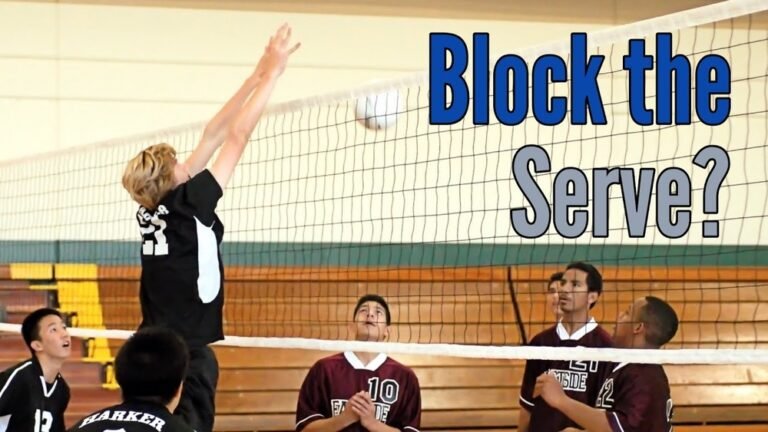
When it comes to playing volleyball, one detail can make all the difference in your game: the height of the volleyball net. Whether you’re setting up for a casual match with friends or preparing for a serious competition, knowing the right net height is crucial.
Are you unsure about the correct measurements for men’s, women’s, or youth volleyball? Or maybe you’re wondering how the net height changes for beach volleyball versus indoor play? This guide will clear up all your questions and help you get your net just right.
Keep reading to discover everything you need to know about volleyball net heights so you can boost your performance and enjoy the game to the fullest.
Official Net Heights
The official net height is a key factor in volleyball. It sets the playing standard for different groups. Knowing the right net height helps players improve skills and enjoy the game. Net heights vary by gender, age, and type of play. Below are the official heights used in volleyball worldwide.
Men’s Net Height
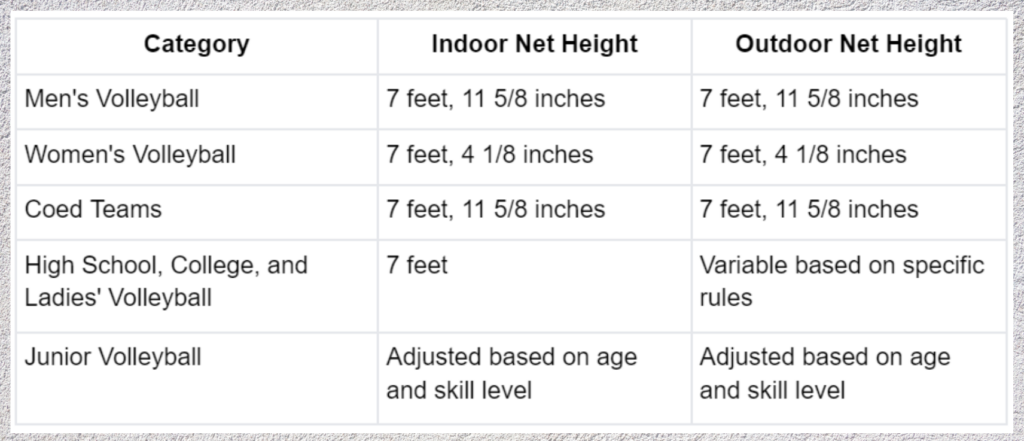
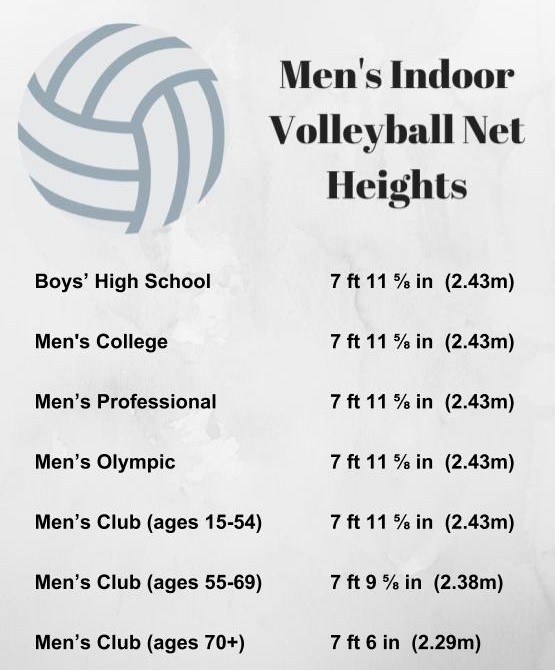
The official net height for men’s volleyball is 2.43 meters (7 feet 11 5/8 inches). This height challenges male players to jump high and use strong attacks. It is the standard for all adult men’s indoor competitions. This height tests power and precision at the net.
Women’s Net Height
The net height for women’s volleyball is set at 2.24 meters (7 feet 4 1/8 inches). It suits female players by balancing skill and agility. This height is used in all official indoor women’s matches. It encourages speed and quick reflexes during play.
Youth Net Height
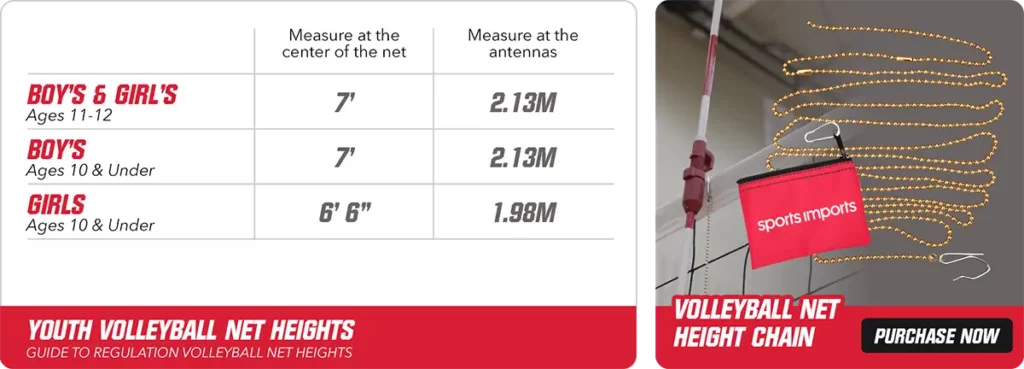
Youth volleyball nets have lower heights to fit young players’ skills. Common heights range from 2.10 meters to 2.20 meters (6 feet 10 7/8 inches to 7 feet 2 1/2 inches). These heights help children learn techniques safely. Adjusted net heights make games fair and fun for all ages.
Co-ed Net Height Variations
Co-ed volleyball often uses the men’s net height of 2.43 meters. Some groups choose a lower height to suit all players. This can range between men’s and women’s official heights. Adjusting the net height in co-ed play ensures balanced competition and enjoyment.
Credit: sterlingvolleyball.com
Court Dimensions
The dimensions of a volleyball court are crucial for fair play and proper net setup. Knowing the court size helps players and organizers maintain official standards. Different types of volleyball, such as indoor and beach, have distinct court measurements. The placement and height of the net must align exactly with these dimensions for the game to proceed smoothly.
Indoor Court Size
An indoor volleyball court measures 18 meters long and 9 meters wide. This size applies to both men’s and women’s games. The court is divided into two equal halves by the net. Each half is 9 by 9 meters. Boundary lines mark the playing area clearly.
Beach Court Size
The beach volleyball court is smaller than the indoor court. It measures 16 meters long and 8 meters wide. The sand surface affects player movement and game dynamics. The boundary lines are marked with tape or painted on the sand. The smaller size creates a faster, more intense game.
Net Placement And Measurement
The volleyball net divides the court into two equal parts. It must be set exactly at the center line. The net height differs by category. For men, the net height is 2.43 meters. For women, it is 2.24 meters. The net length should be about 9.5 to 10 meters. Proper tension ensures the net stays steady during play.
Net Construction And Materials
The construction and materials of a volleyball net affect its performance and lifespan. A well-made net ensures fair play and withstands outdoor conditions. Choosing the right net depends on the material quality and size specifications.
Understanding the common materials, size, and durability helps players and organizers pick the best net for their needs.
Common Net Materials
Volleyball nets are usually made from nylon or polyethylene. Nylon nets are strong and flexible. They handle tension well and resist stretching. Polyethylene nets are lighter and resist water damage. Both materials have UV protection to avoid sun damage. Some nets use polypropylene for lower cost but less durability. The choice depends on budget and usage frequency.
Net Size And Length
The standard volleyball net size is 32 feet long and 3 feet wide. This length fits regulation courts perfectly. Nets have mesh squares about 4 inches wide. The mesh size allows good visibility and ball control. Some nets come in shorter or longer lengths for practice or smaller courts. Correct size ensures proper game rules and player safety.
Durability Factors
Durability depends on material quality and construction. Thick braided threads last longer under stress. Reinforced edges with strong binding prevent fraying. Nets with weatherproof coatings resist rain and sun damage. Quality nets keep their shape and tension after many games. Proper storage and care also increase net life. Investing in durable nets saves money over time.
Setting Up The Net
Setting up the volleyball net correctly is essential for a fair and enjoyable game. A properly installed net ensures players can compete under the right conditions. It also prevents damage to the net and poles during play. Follow these simple steps for an accurate and secure setup every time.
Height Measurement Tips
Measure the net height from the ground to the top of the net. Use a tape measure for accuracy. The standard height is 7 feet 11 5/8 inches (2.43 meters) for men. For women, the height is 7 feet 4 1/8 inches (2.24 meters). Ensure the poles are firmly planted and straight. Check the height at the center of the net, not the sides. Adjust the net height before tightening the tension.
Proper Tensioning
Stretch the net tight to avoid sagging during play. Use the tension straps or ropes attached to the poles. Tighten evenly on both sides for balance. The net should not be overly tight to prevent damage. Proper tension keeps the net stable and improves gameplay. Test the net by gently pressing to check for bounce or slack. Adjust tension as needed before the game starts.
Avoiding Common Mistakes
Do not set the net height incorrectly for the players’ category. Avoid uneven tension that causes the net to lean. Make sure poles are stable and secure in the ground. Avoid twisting or tangling the net during setup. Do not ignore small sagging as it affects the game. Regularly inspect the net and poles for wear and damage. Fix problems immediately to keep the net safe and fair.
Variations In Net Heights
Volleyball nets come in different heights for various types of play. These changes suit the players’ needs and the style of volleyball. Knowing these variations helps choose the right net for each game or practice.
Sitting Volleyball Nets
Sitting volleyball uses a lower net than standing volleyball. The net height is usually about 1.15 meters for men and 1.05 meters for women. This allows players to compete while sitting on the floor. The shorter net fits the smaller court size and slower pace of the game.
Beach Vs Indoor Differences
Beach volleyball nets have the same height as indoor nets for men and women. Men’s net height is 2.43 meters, and women’s is 2.24 meters. The outdoor conditions and sand surface change the gameplay, but net heights stay consistent. The main difference is the net’s material and tension, designed for wind and weather.
Custom Heights For Training
Coaches use custom net heights to improve player skills. Lower nets help beginners practice jumping and hitting. Higher nets challenge advanced players to improve timing and strength. Adjustable nets allow flexible training for all levels. Custom heights build confidence and technique faster.
Rules And Regulations
Understanding the rules and regulations of volleyball net height is important for fair play. Different organizations set specific standards to ensure consistency in the game. Players and officials must know these rules to maintain the quality of matches. Net height affects the style and difficulty of play. It changes depending on the level and type of volleyball being played.
Fivb Standards
The International Volleyball Federation (FIVB) sets official net heights. For men’s volleyball, the net height is 2.43 meters (7 feet 11 5/8 inches). For women’s volleyball, the net height is 2.24 meters (7 feet 4 1/8 inches). These measurements apply to all international and professional matches. The FIVB rules ensure the net is tight and level during play. The net must be 9.5 to 10 meters long and 1 meter wide.
Usav And Avp Guidelines
The USA Volleyball (USAV) follows the FIVB standards closely. USAV uses 2.43 meters for men and 2.24 meters for women. The Association of Volleyball Professionals (AVP) also adopts these heights for beach volleyball. Beach volleyball nets have the same height but use different net materials. Both organizations require nets to be secure and properly marked. The net must not sag or move during play.
Local League Adjustments
Local leagues may change net heights to fit player skill levels. Youth leagues often use lower nets to help players develop skills. Co-ed leagues might use the men’s net height or a middle ground. Some recreational leagues allow flexible net heights for fun and safety. Always check local league rules before setting up a volleyball net. Adjusting net height helps make the game enjoyable for all players.
Maintenance And Safety
Keeping your volleyball net in good shape is key for fun and safe play. Proper maintenance helps the net last longer and avoid accidents. Safety is important to protect all players from injuries. Follow simple steps to inspect, repair, and stay safe during games.
Regular Inspection
Check the net often for any tears or holes. Look at the poles to see if they stand straight and steady. Make sure the net height matches the official rules. Tighten loose ropes or straps to keep the net firm. Early checks stop small problems from growing bigger.
Repair Tips
Fix small holes with strong net repair tape or patches. Replace worn-out ropes or straps right away. Use weatherproof materials to protect the net from rain and sun. Avoid heavy repairs during play to keep everyone safe. Store the net in a dry place when not used.
Safety Precautions
Set the net poles securely in the ground or weighted bases. Clear the area around the net from rocks or sharp objects. Remind players not to hang on the net or poles. Use padding on poles to prevent injuries. Always supervise games to respond quickly to any issues.
Credit: www.sportsimports.com
Choosing The Right Net
Choosing the right volleyball net is key for fun and fair play. Different nets suit different players and locations. Consider where you will use the net. Indoor or outdoor? Practice or competition? These questions guide your choice. The right net fits your needs and budget. It should be easy to set up and last long. Below are important points to help pick the best net.
Budget Considerations
Set a clear budget before buying. Volleyball nets vary in price from low to high. Cheaper nets work for casual play. High-end nets offer better materials and durability. Think about how often you will play. Frequent use needs a stronger net. Check if the price includes poles and accessories. Avoid buying too cheap nets that break fast. Balance cost with quality for the best value.
Portability Options
Portability matters for players on the move. Look for nets that fold or roll easily. Lightweight nets make transport simple. Some nets come with carrying bags. This helps keep all parts together. If you play in different spots, portability is key. Fixed nets suit permanent courts only. Make sure the net size fits your carrying option. Easy setup saves time and effort.
Net Accessories
Accessories improve your volleyball experience. Check if the net comes with boundary lines or antennas. Poles are essential for net tension and height. Some sets include a tensioning system. This keeps the net tight during play. Look for weather-resistant materials in outdoor nets. Repair kits can extend net life. Extra accessories add value and convenience. Choose a net kit that meets your full needs.
Tips For Coaches And Players
Coaches and players benefit greatly from understanding how to manage volleyball net height. Adjusting the net correctly improves practice quality and match performance. Simple changes can help all skill levels enjoy the game more and develop faster. Below are practical tips for using net height to support training and gameplay.
Adjusting Net Height For Skill Levels
Set the net lower for beginners to boost confidence. Young players find it easier to serve and spike. Increase height gradually as skills improve. For advanced players, set the net at official competition height. This helps prepare them for real matches. Adjusting height keeps all players challenged without causing frustration.
Training Drills Using Net Variations
Use different net heights to practice specific skills. Lower nets help develop serving accuracy and control. Higher nets improve jumping and blocking techniques. Change net height during drills to build strength and timing. This variety keeps training fun and effective. Players learn to adapt to different game situations.
Enhancing Gameplay With Proper Net Setup
Check net tension and height before each game or practice. A loose or uneven net affects ball bounce and player movement. Use a measuring tape to confirm height matches official rules. Proper setup creates a fair and safe environment. It also helps players perform at their best. Consistency in net height builds player trust and focus.
Credit: volleyball-tips.com
Frequently Asked Questions
What Is A Volleyball Net Height?
The standard volleyball net height is 2. 43 meters (7 feet 11 5/8 inches) for men. For women, it is 2. 24 meters (7 feet 4 1/8 inches). Youth and coed net heights may vary based on age and local rules.
Is The Volleyball Net 3 Feet High?
A standard volleyball net is not 3 feet high. It measures 7 feet 11 5/8 inches for women and 8 feet for men. Youth nets vary but remain well above 3 feet.
What Is The Height Of The Net In 7th Grade Volleyball?
The standard net height for 7th grade volleyball is 7 feet 4 1/8 inches (2. 24 meters). This height suits middle school players.
How Tall Is A 4th Grade Volleyball Net?
A 4th grade volleyball net typically stands 6 feet 6 inches (1. 98 meters) tall. This height suits youth play.
Conclusion
Understanding the correct volleyball net height improves your play and enjoyment. Men’s, women’s, and youth nets each have specific measurements. Choosing the right height ensures fair and fun games. Always measure carefully before setting up your net. Playing with the proper net height helps develop skills and teamwork.
Keep these standards in mind for practices and matches. Enjoy volleyball with the right net height every time.