
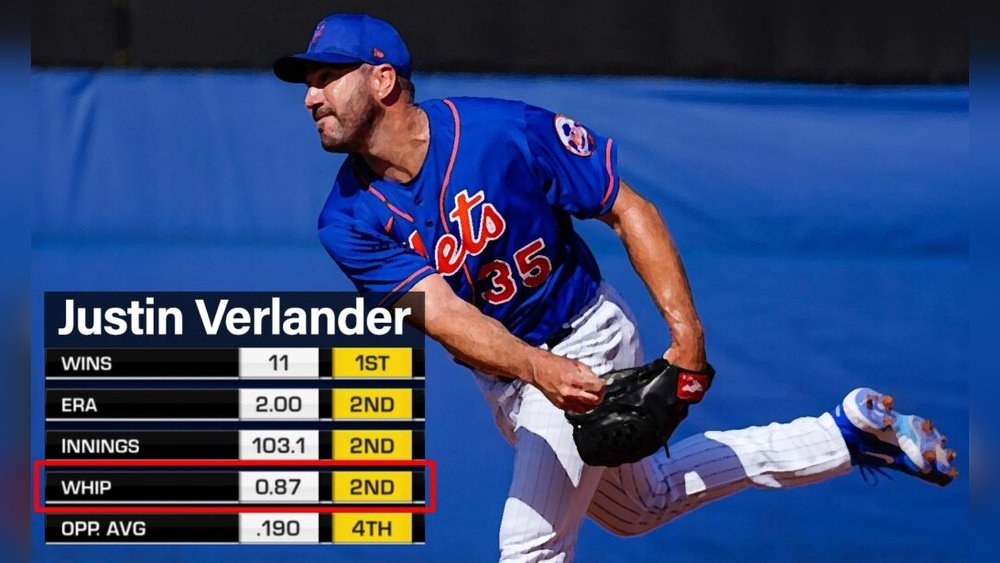
If you’re diving into baseball stats, you’ve probably come across the term “WHIP” and wondered, what exactly is a WHIP in baseball? Understanding this key stat can change the way you watch the game and follow your favorite pitchers.
WHIP tells you how many base runners a pitcher allows per inning, giving you a clear snapshot of their effectiveness on the mound. Curious to know why WHIP matters and how it can sharpen your baseball knowledge? Keep reading, because mastering this stat will take your game-watching experience to the next level.

Credit: www.suzitee.com
Whip Basics
Understanding WHIP is key to grasping pitching performance in baseball. WHIP stands for Walks plus Hits per Inning Pitched. It shows how many baserunners a pitcher allows on average each inning. Lower WHIP values mean fewer runners and better pitching control.
Let’s break down the basics of WHIP to help you follow baseball stats easily.
Definition And Formula
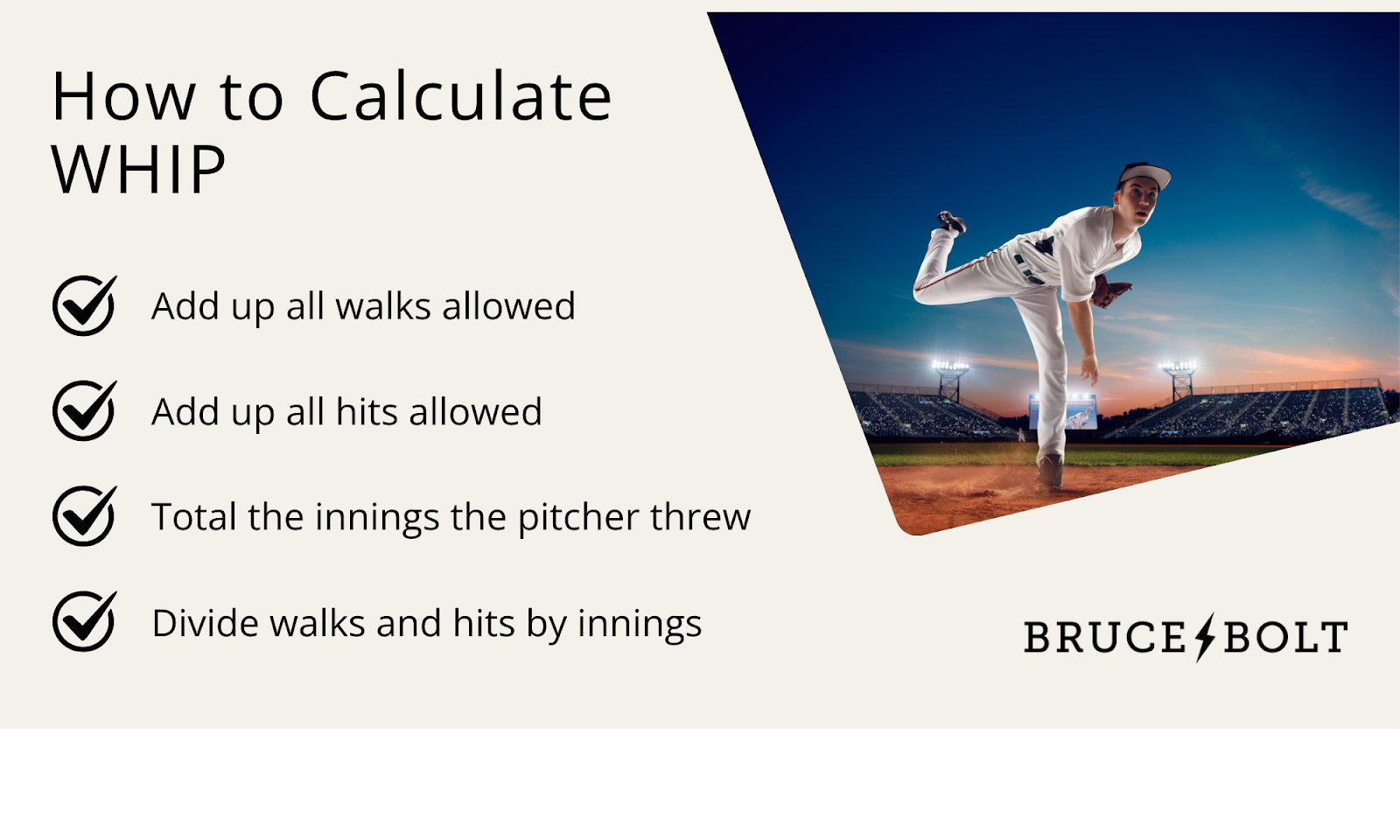
WHIP measures the number of walks and hits a pitcher gives up per inning. The formula is simple:
WHIP = (Walks + Hits) ÷ Innings Pitched
This formula adds the total walks and hits allowed, then divides by innings pitched. It does not count hit-by-pitches or errors. This stat focuses on how often a pitcher allows batters to reach base.
Why Whip Matters
WHIP helps show a pitcher’s effectiveness at keeping runners off base. The fewer runners allowed, the less chance for opponents to score. WHIP gives a quick view of a pitcher’s control and ability to limit hits and walks.
Coaches, analysts, and fans use WHIP to compare pitchers easily. It helps identify those who dominate hitters and those who struggle. WHIP works well with other stats for a complete pitching analysis.

Credit: www.usatoday.com
Calculating Whip
Calculating WHIP is essential to understanding a pitcher’s effectiveness. WHIP stands for Walks plus Hits per Inning Pitched. This stat shows how many base runners a pitcher allows per inning. The lower the WHIP, the better the pitcher controls the game. It combines two key elements: walks and hits, divided by innings pitched. This section breaks down the calculation in simple parts.
Walks And Hits Explained
Walks are when a batter reaches first base after four balls. Hits happen when a batter safely reaches any base after hitting the ball. Both walks and hits add base runners for the opposing team. WHIP counts these runners to measure how many get on base by a pitcher. It shows how often a pitcher lets opponents get chances to score.
Innings Pitched Role
Innings pitched means how many innings a pitcher has thrown. One inning equals three outs. WHIP uses innings pitched to find the average base runners allowed per inning. This keeps the stat fair for pitchers with different game lengths. Dividing walks plus hits by innings pitched gives a clear rate. This rate helps compare pitchers regardless of total time on the mound.
Whip And Pitching Performance
WHIP, which stands for Walks plus Hits per Inning Pitched, is a key statistic in baseball. It measures how many base runners a pitcher allows per inning. A lower WHIP means fewer runners reach base, which usually signals better pitching performance. Understanding WHIP helps fans and analysts assess a pitcher’s effectiveness beyond just wins and losses.
Correlation With Era
WHIP often links closely with a pitcher’s ERA, or Earned Run Average. ERA shows how many runs a pitcher allows per nine innings. When WHIP is low, fewer runners get on base, which usually lowers the ERA. Pitchers with strong control and fewer hits tend to have both low WHIP and low ERA. This connection helps explain why WHIP is valuable for judging pitching skill.
Impact On Game Outcomes
A pitcher’s WHIP affects the chances of winning games. Allowing fewer base runners reduces scoring opportunities for opponents. This keeps the team’s defense in better shape and lowers pressure on the pitcher. Teams with pitchers who maintain low WHIP often see more wins and stronger overall performance. WHIP gives insight into how well a pitcher controls the game pace and opponent threats.
Credit: brucebolt.us
Good Whip Values
WHIP is a key pitching stat in baseball. It stands for Walks plus Hits per Inning Pitched. This number shows how many base runners a pitcher allows each inning. A lower WHIP means fewer runners and better pitching. Understanding what counts as a good WHIP helps fans and players gauge performance.
Good WHIP values usually fall below 1.30. This means the pitcher allows less than 1.3 base runners per inning on average. A WHIP near or below 1.00 is excellent and marks a dominant pitcher. Values above 1.50 suggest the pitcher struggles to keep runners off base.
Average Whip Benchmarks
The average WHIP in Major League Baseball often ranges between 1.20 and 1.40. This range indicates a pitcher who performs at a solid, dependable level. Pitchers with a WHIP around 1.30 are considered average or slightly better. Teams expect these pitchers to keep games close and avoid giving many scoring chances.
Elite Pitchers’ Whip
Elite pitchers maintain a WHIP below 1.10. These players rarely allow walks or hits, keeping pressure off their defense. A WHIP under 1.00 is rare and shows exceptional control and skill. Such pitchers often lead the league in wins, ERA, and strikeouts. Fans watch for these low WHIP values as signs of true pitching greatness.
Improving Whip
Improving WHIP is crucial for pitchers aiming to limit baserunners and control the game. WHIP stands for Walks plus Hits per Inning Pitched. A lower WHIP indicates fewer batters reach base, enhancing pitching effectiveness.
Pitchers can reduce their WHIP by refining control and reducing mistakes. This requires focused practice and smart strategies on the mound. Small changes in technique often lead to big improvements in WHIP.
Pitching Control Techniques
Good control helps pitchers throw strikes consistently. It reduces walks and forces batters to hit difficult pitches. Techniques like gripping the ball properly and repeating the delivery motion improve control.
Pitchers should focus on consistent release points. This makes their pitches more accurate and harder to predict. Practicing different pitch types with control also confuses hitters and lowers WHIP.
Reducing Walks And Hits
Walks and hits increase WHIP quickly. To reduce walks, pitchers must stay calm and avoid pitching outside the strike zone. Being aggressive but precise helps keep batters guessing.
Limiting hits requires pitching to contact and trusting the defense. Mixing pitch speeds and locations disrupts the batter’s timing. Preventing hard contact lowers the chance of hits and improves WHIP.
Whip Vs Other Metrics
WHIP is a popular pitching metric in baseball. It measures walks plus hits allowed per inning. Comparing WHIP to other stats helps understand its role in evaluating pitchers.
Pitching metrics like ERA and FIP show different aspects of performance. Each stat has unique strengths and weaknesses. Knowing these can help you better analyze a pitcher’s skill.
Comparison With Era And Fip
ERA shows the average earned runs a pitcher allows per nine innings. It focuses on runs, not base runners. WHIP counts walks and hits, showing how many batters reach base. FIP estimates a pitcher’s effectiveness using strikeouts, walks, and home runs. It tries to remove defense and luck factors. WHIP is simpler and looks only at base runners. ERA shows run prevention. FIP predicts future performance better than WHIP.
Advantages And Limitations
WHIP is easy to calculate and understand. It highlights how often a pitcher allows base runners. This helps identify pitchers who control the game well.
WHIP does not consider the quality of hits or runs allowed. It treats all base runners the same. A single or a home run counts equally in WHIP. ERA and FIP give more insight into run prevention and pitching skill.
WHIP works well with other metrics. It gives a quick picture but should not be the only stat used. Combining WHIP with ERA or FIP offers a fuller view of pitching performance.
Whip In Different Baseball Levels
WHIP, which stands for Walks plus Hits per Inning Pitched, is a key pitching statistic in baseball. It measures how many base runners a pitcher allows per inning. WHIP varies across different baseball levels due to skill, experience, and competition differences. Understanding WHIP at each level helps gauge pitcher performance and development.
Pitchers in major leagues usually have lower WHIP values. This shows their ability to control games and limit opponents’ chances. In college and high school, WHIP tends to be higher. This reflects the growing skills and learning curve of younger players.
Major League Trends
In Major League Baseball (MLB), a WHIP below 1.20 is considered strong. Top pitchers often maintain WHIPs near or below 1.00. This means they allow fewer than one base runner per inning on average.
Major league pitchers focus on control and pitch variety. They limit hits and walks effectively. Changes in training and analytics have helped reduce WHIP over the years. Lower WHIP values indicate dominant pitching and better game control.
College And High School Stats
College pitchers usually have WHIPs ranging from 1.20 to 1.50. This shows more base runners allowed than in the major leagues. College players are still developing their skills and command.
High school pitchers often show WHIPs above 1.50. They face less experienced hitters and sometimes struggle with control. Coaches use WHIP to track progress and identify areas for improvement.
As players move up levels, their WHIP typically decreases. This drop reflects better pitching techniques and experience. Tracking WHIP across levels helps scouts spot promising talent early.
Whip And Player Evaluation
WHIP, which stands for Walks plus Hits per Inning Pitched, is a key metric in baseball player evaluation. It shows how many baserunners a pitcher allows per inning. A lower WHIP means fewer runners, indicating better pitching control and effectiveness.
Teams, scouts, and fantasy players use WHIP to assess a pitcher’s performance quickly. It helps separate pitchers who limit baserunners from those who struggle. WHIP is easy to calculate and understand, making it popular in many baseball circles.
Scouting And Recruiting Uses
Scouts use WHIP to spot pitchers with strong control and command. A low WHIP suggests fewer walks and hits allowed. This means the pitcher keeps opponents off the bases, reducing scoring chances.
Recruiters compare WHIP among players to find the best talent. It helps identify pitchers who may succeed at higher levels. WHIP offers a clear, simple way to measure pitching skill beyond just wins or strikeouts.
Fantasy Baseball Implications
Fantasy players rely on WHIP to pick valuable pitchers. A pitcher with a low WHIP usually gives up fewer runs. This leads to more wins and saves in fantasy leagues.
Monitoring WHIP helps fantasy managers decide when to trade or start pitchers. It signals who is performing well and who may struggle soon. WHIP adds depth to player evaluation beyond basic stats.
Frequently Asked Questions
What Is A Good Whip In Baseball?
A good WHIP (Walks plus Hits per Inning Pitched) in baseball is typically below 1. 30. It indicates effective pitching by allowing fewer baserunners. Lower WHIP values mean better control and fewer opponents reaching base, enhancing a pitcher’s overall performance and chances of winning.
Is A 1.20 Whip Good?
A 1. 20 WHIP in baseball is considered good. It shows the pitcher allows slightly over one base runner per inning, indicating solid performance.
Is A 0.95 Whip Good?
A 0. 95 WHIP is excellent in baseball. It means the pitcher allows fewer than one walk or hit per inning, indicating strong performance.
What Is Slugging In Baseball?
Slugging in baseball measures a hitter’s power by calculating total bases earned per at-bat. It values extra-base hits more than singles. A higher slugging percentage means the player hits more doubles, triples, and home runs, showing greater offensive strength than batting average alone.
Conclusion
WHIP in baseball shows how many runners a pitcher allows per inning. A lower WHIP means the pitcher lets fewer players reach base. It helps fans and coaches understand a pitcher’s effectiveness. WHIP is simple to calculate and easy to follow during games.
Knowing WHIP gives you a clearer view of pitching performance. It’s a useful stat for anyone learning baseball. Keep an eye on WHIP to better enjoy the sport.